Last updated November 18, 2026








Free written scope consultation - allowances, timeline, and change-order rules on paper before a single trade is scheduled
Construction Permits, Codes & Inspections in NV: What You Need to Know
Unpermitted work is the single most common reason Las Vegas home sales fall apart in escrow, and the seller almost always says they didn’t know a permit was required. It’s an easy mistake to make. Nevada’s permit rules aren’t printed on a single form, Clark County’s thresholds shift with the scope of the job, and a homeowner who adds a bathroom or swaps out a water heater has no obvious way to know whether that work needs a stamp of approval. This guide covers what actually requires a permit in Clark County, how the inspection sequence really runs on a residential remodel, how to check permit history on a home, and what happens when an inspector finds unpermitted prior work sitting behind your fresh drywall.
Quick Answer
In Clark County, and across most of Nevada, a construction permit is required for any structural change, any work involving electrical, plumbing, or mechanical systems, and most additions, conversions, and major remodels. Cosmetic work like paint, flooring, and cabinet refacing is generally exempt. The permit itself is inexpensive compared with the cost of selling or insuring a home that has undocumented work behind the walls.
Styles & brands we work with
- Kitchen remodeling
- Bathroom remodeling
- Home additions & ADU
- Roofing
- Windows & doors
- Driveway & pavers
- Fence
Table of Contents
- What Actually Requires a Permit in Clark County?
- The Nevada Inspection Sequence: Rough, Framing, MEP, Final
- What a Failed Inspection Actually Costs You
- How to Pull Permit History on a Home
- Licensed Contractor vs. Homeowner Permits: When Each Is Right
- What Happens When an Inspector Finds Prior Unpermitted Work
- Common Mistakes to Avoid
- When to Call a Professional
What Actually Requires a Permit in Clark County?
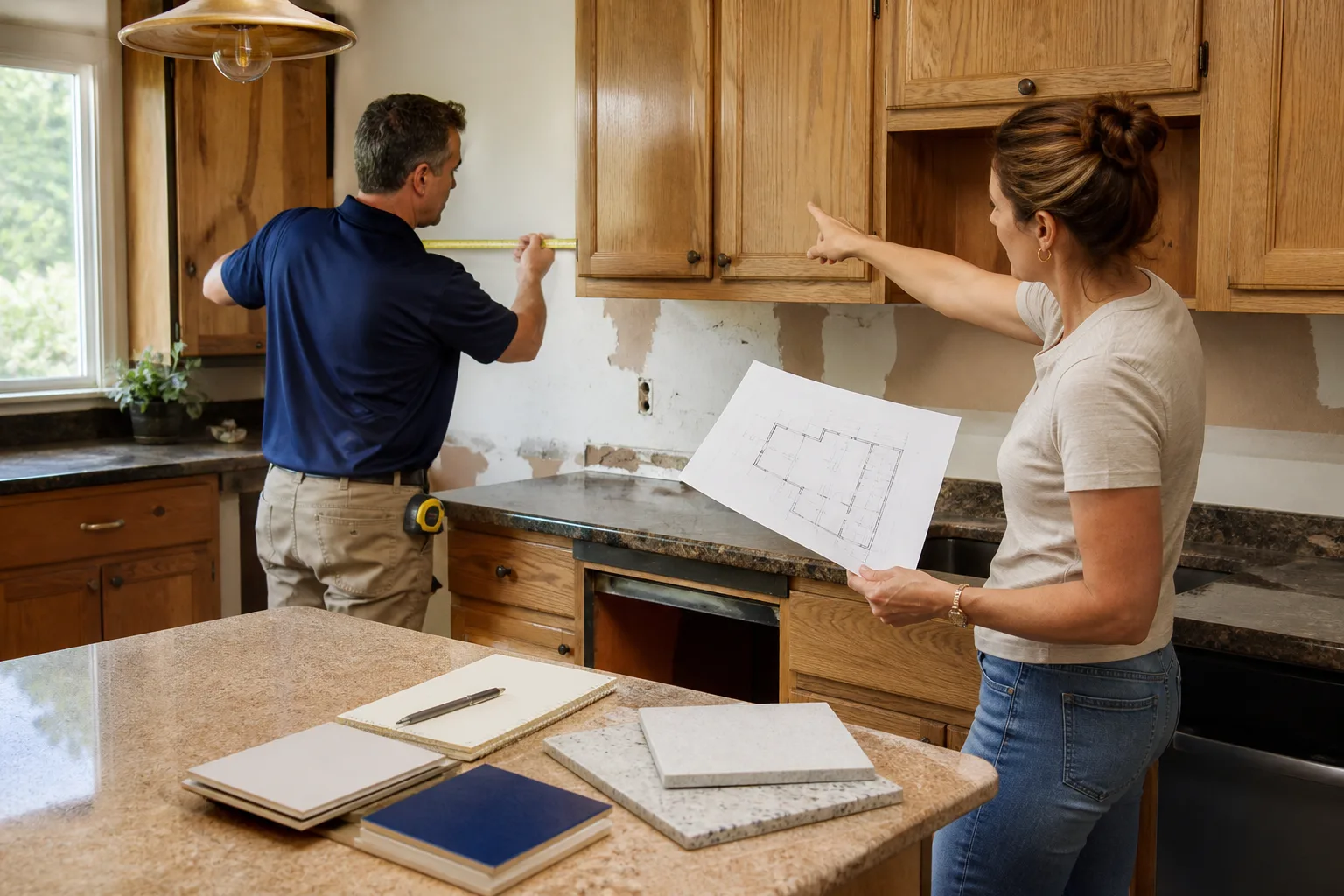
Clark County’s building department uses scope, not dollar value alone, to decide what needs a permit. A $600 electrical panel upgrade needs a permit even though the dollar figure is small, while a $9,000 cosmetic kitchen refresh with new cabinet doors and paint typically does not. The threshold question is whether the work touches the structure, the systems, or the life-safety elements of the home. If it does, it needs a permit.
Here’s the practical breakdown for the Las Vegas market:
- Always permitted: Any new electrical circuit or panel change, any plumbing relocation or new drain line, HVAC replacement or duct modifications, water heater replacement, gas line work, wall removal (even non-load-bearing), new windows and exterior doors that change the opening size, room additions, garage conversions, pool and spa construction, and any new bathroom where a drain is added or moved.
- Usually permitted: Full kitchen remodels where plumbing or electrical changes, bathroom remodels where the shower pan or drain moves, roof replacements (Clark County checks for proper underlayment and wind rating), and re-stucco where structural substrate is exposed.
- Generally exempt: Paint, wallpaper, flooring on existing subfloor, cabinet refacing or like-for-like cabinet replacement with no plumbing or electrical relocation, countertop replacement, light fixture swaps at an existing fixture location, and landscaping that doesn’t touch irrigation lines tied to the potable supply.
The line between “usually” and “always” is where homeowners get caught. A cabinet swap that pulls a sink out of the way is a plumbing job. A window replacement that trims the opening back an inch is a framing job. Before a job starts, we walk the scope and mark anything that will need a permit or an inspection. It’s cheaper to know up front.
If you’re planning a larger kitchen project, it’s worth understanding how permits fit into the schedule before demolition day. Our kitchen remodeling in Las Vegas work runs a permit review in parallel with material selection so the two don’t slow each other down.
The Nevada Inspection Sequence: Rough, Framing, MEP, Final
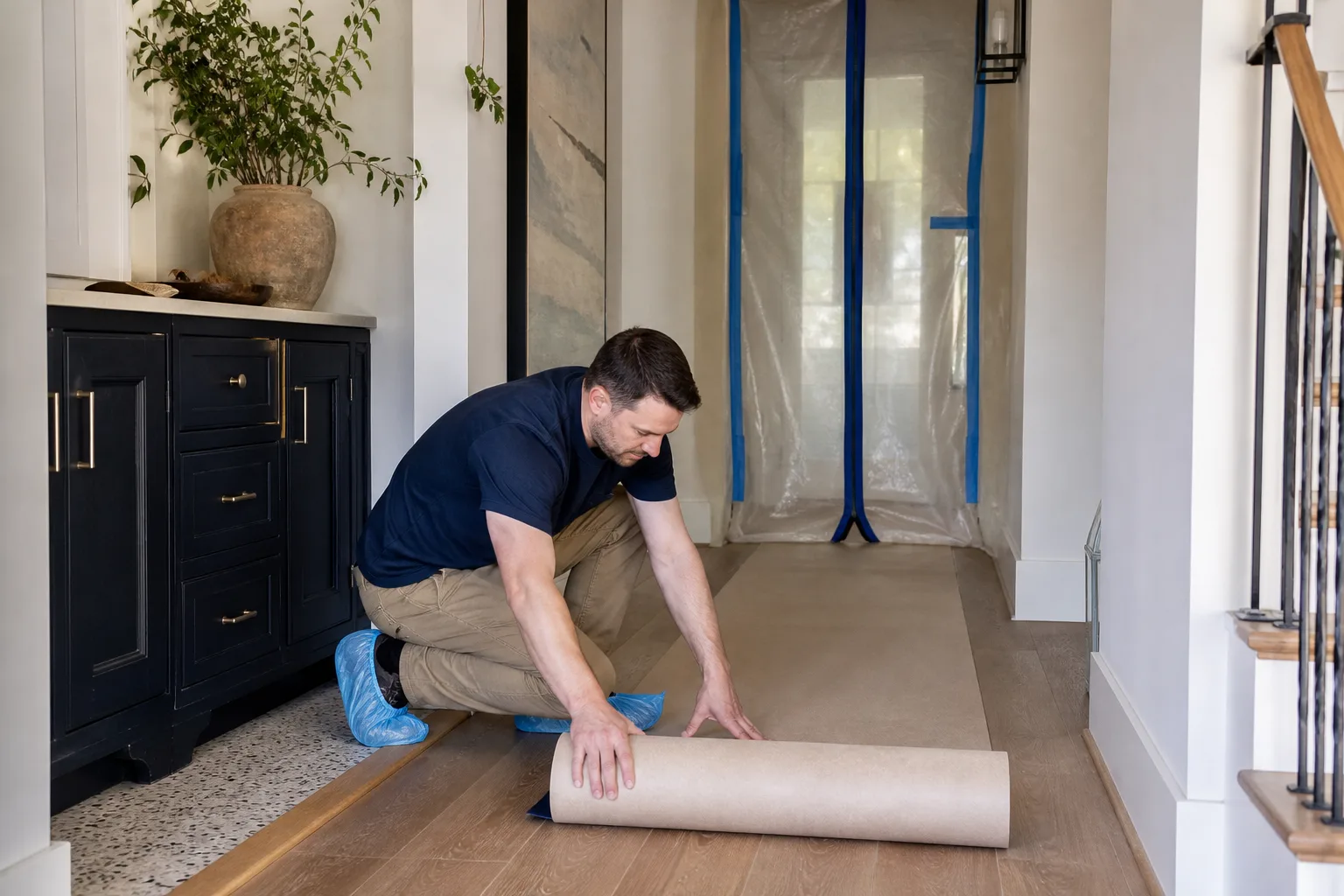
Nevada runs a sequential inspection process, meaning each phase of the job must be inspected and signed off before the next phase can be covered up. This is why a permit isn’t just paperwork. It’s a schedule. Skip the rough inspection and you find out later that you have to open a wall to get one.
Here is the sequence a residential remodel typically follows in Las Vegas:
- Rough-in inspection. Happens after framing and after all electrical, plumbing, and mechanical rough work is installed but before drywall. This inspection confirms wiring is properly sized, plumbing is sloped correctly, and ducts are sealed. This is the inspection most often failed by a first-time permit holder.
- Framing inspection. On additions or wall changes, the inspector checks stud size, headers, and connections before insulation goes in.
- MEP (mechanical, electrical, plumbing) inspection. On larger jobs, this may be broken out from rough. Gas lines and pressure tests are commonly checked here.
- Insulation and drywall inspection. Verifies insulation value and installation before the wall is closed.
- Final inspection. The last stop. All systems are checked in their finished state, including fixture installation, GFCI function, smoke and CO detector placement, and egress windows in bedrooms.
- Certificate of occupancy. Required on additions and conversions before you can legally use the new space.
The most common reason a rough-in fails in Clark County is a missed diagnostic requirement on electrical work, not substandard work. Inspectors are checking the same code every contractor works to, so a properly prepared job usually passes the first time.
What a Failed Inspection Actually Costs You
A failed inspection isn’t a fine. In most cases there is no penalty fee. The cost is schedule and rework: the inspector identifies a deficiency, the contractor corrects it, you request a reinspection, and the calendar moves. In Clark County, a reinspection can add several days to a week to the project calendar, and if the deficiency requires opening a wall, you’re paying to redo drywall, paint, and tile.
On a typical kitchen job in Las Vegas, drywall is down for two or three days, insulation for another day, and tile another two. A single framing or rough-in failure that forces those steps to be undone can add a week and a small rework bill. Multiply that if the same job fails more than once.
In our experience, the best defense against a failed inspection is a contractor who has run the job before. The permits themselves are not where problems happen. The problems happen when the sequence is rushed. A written schedule that includes inspection windows keeps a job moving without cutting corners.
How to Pull Permit History on a Home
Permit history on any property in Clark County is public record, and pulling it takes about fifteen minutes if you know where to look. Whether you’re buying a Las Vegas home or you’ve owned it for years and want to know what’s behind the walls, this is worth doing.
- Look up the parcel. The Clark County Assessor’s website has a parcel search by address. Note the parcel number.
- Check the building department portal. Clark County’s online permit portal lets you search by parcel or address. Pull every permit on record, active or closed.
- Read the status column carefully. A closed permit means the work was inspected and signed off. An “open” permit means the work was permitted but never finalized. “Expired” means the permit was never completed.
- Cross-check the scope against what’s actually in the house. If the record shows a 2019 bathroom permit for a shower only, and the home has a full second bathroom added, that’s worth asking about.
- Ask the seller for documentation of any unpermitted work. If they don’t have it, price the disclosure into the offer.
An open permit is a real issue. It usually means work stopped before final inspection, and the county can require the work to be re-permitted or brought up to current code before the property changes hands. In escrow, a buyer’s lender will often flag an open permit as a title issue. It’s a common reason closings slip a month or more in the Las Vegas market.
Licensed Contractor vs. Homeowner Permits: When Each Is Right
Nevada allows homeowners to pull permits on their own primary residence for work they are performing themselves. The permit is issued to the homeowner, the owner takes legal responsibility for the work, and the owner is the one the inspector calls. That option exists for genuine DIY projects and it’s a legitimate route for simple work.
Where it gets complicated is the moment you hire someone. A Nevada-licensed contractor should pull their own permits. If a contractor asks you to pull the permit on your own house so the work is “in your name,” that’s a red flag. It shifts the legal responsibility of the work to you, often to protect a contractor who doesn’t carry the license or the insurance to pull it themselves.
Here’s the distinction worth memorizing:
- Homeowner pulls: homeowner is doing the labor, lives in the home, and is willing to be accountable for the inspection outcome. Best for projects like a small deck, a water heater replacement where the owner installs it, or minor repairs.
- Licensed contractor pulls: any project where you are paying someone to do the work. The permit should be in the contractor’s name, and the inspection should go through their license. That’s how a permit actually protects you, because the county is inspecting their work, not yours.
One more point: if a permit is pulled in the contractor’s name and the job fails a final inspection, the contractor carries the consequence of getting it corrected, not you. That’s not a perk. That’s the basic mechanic of why permits exist.
What Happens When an Inspector Finds Prior Unpermitted Work
This is the scenario most homeowners don’t see coming. You hire a contractor for a kitchen or bathroom remodel, the permit is pulled, and the inspector arrives at the rough-in and finds something they didn’t expect: an electrical subpanel that was clearly added later, a plumbing drain line that was run through a joist, or a garage converted into a bedroom with no record on file. The inspector can require that prior work be brought up to current code before signing off on the new work.
That finding turns a straightforward remodel into a two-part project. In practice, it usually means:
- The prior work is re-permitted as its own scope, sometimes under a separate permit number.
- Any code deficiency is corrected, which can be small (a missing GFCI) or significant (a subpanel replacement, or framing corrections).
- The original project schedule is delayed because final inspection can’t happen until the prior issue is resolved.
For a Las Vegas homeowner who bought the property with the previous owner’s shortcut in the walls, this is the moment the shortcut becomes visible. We’ve opened walls in Las Vegas and found drain lines with no slope, double-tapped breakers, and conversion work that never had an inspection. Every one of those was a real cost to the current owner.
If you’re planning a whole-home remodel and want a contractor who addresses prior work as it surfaces rather than absorbing it into the schedule without telling you, our general contractor in Las Vegas page covers how we handle scope changes in writing.
Common Mistakes to Avoid
- Assuming cosmetic work is always exempt. Paint and flooring usually are, but the moment a new light fixture goes in at a new location or a sink moves, you’re in permit territory. The line is systems, not surface.
- Pulling the permit as a homeowner when you’re hiring the work. If someone is doing the work for you, the permit should be in their name. If they suggest otherwise, ask why.
- Waiting for the permit after demolition starts. Clark County issues permits before work begins, not after. Demolition with no permit on file in Las Vegas is a common source of stop-work orders.
- Ignoring an open permit at closing. An open permit is one of the top reasons Las Vegas sales stall. Pull the history before you sign.
- Skipping the rough-in inspection to save a day. The day you save at rough-in becomes two weeks of rework if the finished wall has to come back open.
- Trusting a verbal scope. The permit scope and the actual scope of the work have to match. If the contractor ballparked the permit on a smaller scope than the job, the inspection will find the gap.
- Assuming a contractor’s license covers insurance and permits equally. Ask for the license number and confirm the permit will be pulled under it. A license and a permit are related, not identical.
When to Call a Professional
Some projects are worth the DIY permit. A deck under 30 inches off grade, a like-for-like water heater swap, minor repairs, and painting are all reasonable. Most structural work, any work in a bathroom that moves a drain, any kitchen that involves relocating a gas line or adding a circuit, and any job where the permit scope is unclear benefit from a licensed contractor handling the process. That’s especially true when a prior owner’s shortcut is waiting behind the wall. Mason Remodeling Co Las Vegas offers free estimates in Las Vegas and walks permits and inspections as part of the estimate, not as an add-on. Call (844) 797-1112 to schedule a walk-through and get a written price before any work starts.
See the difference
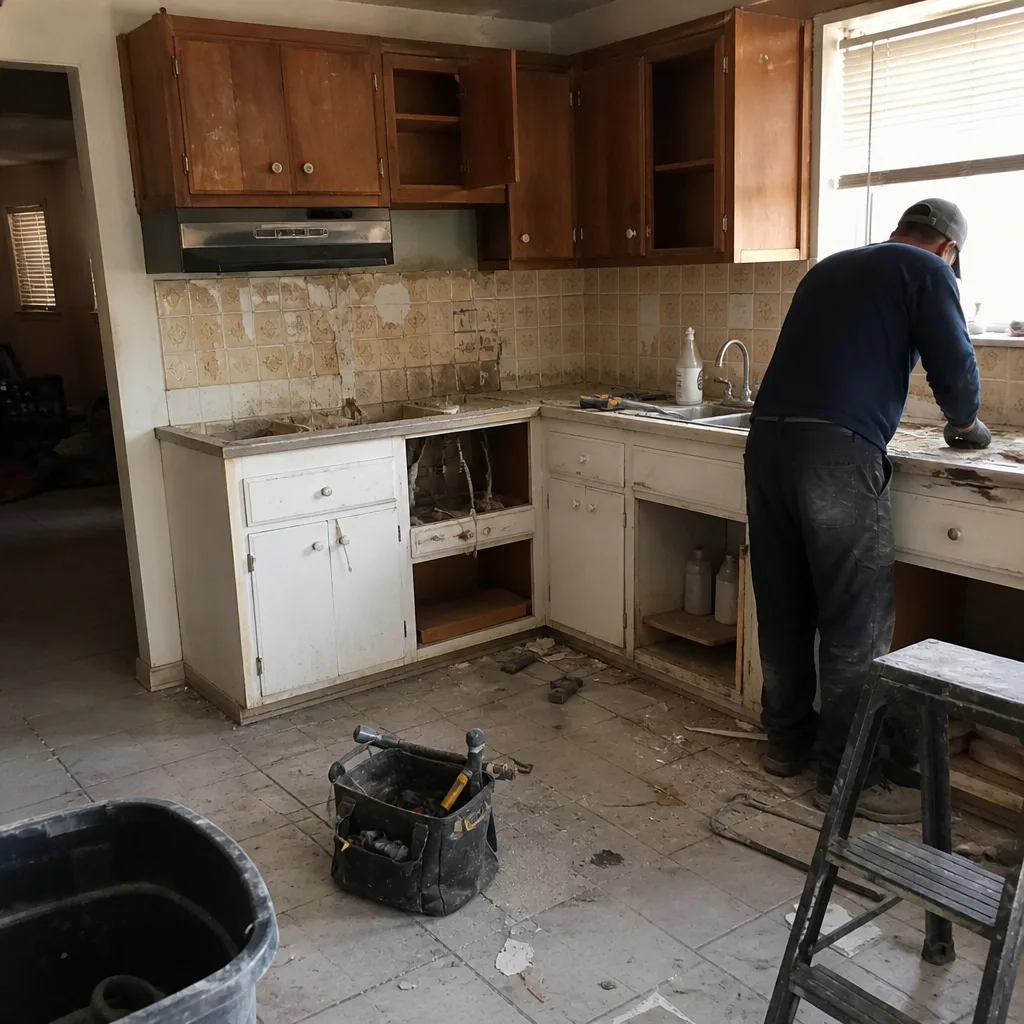 Before
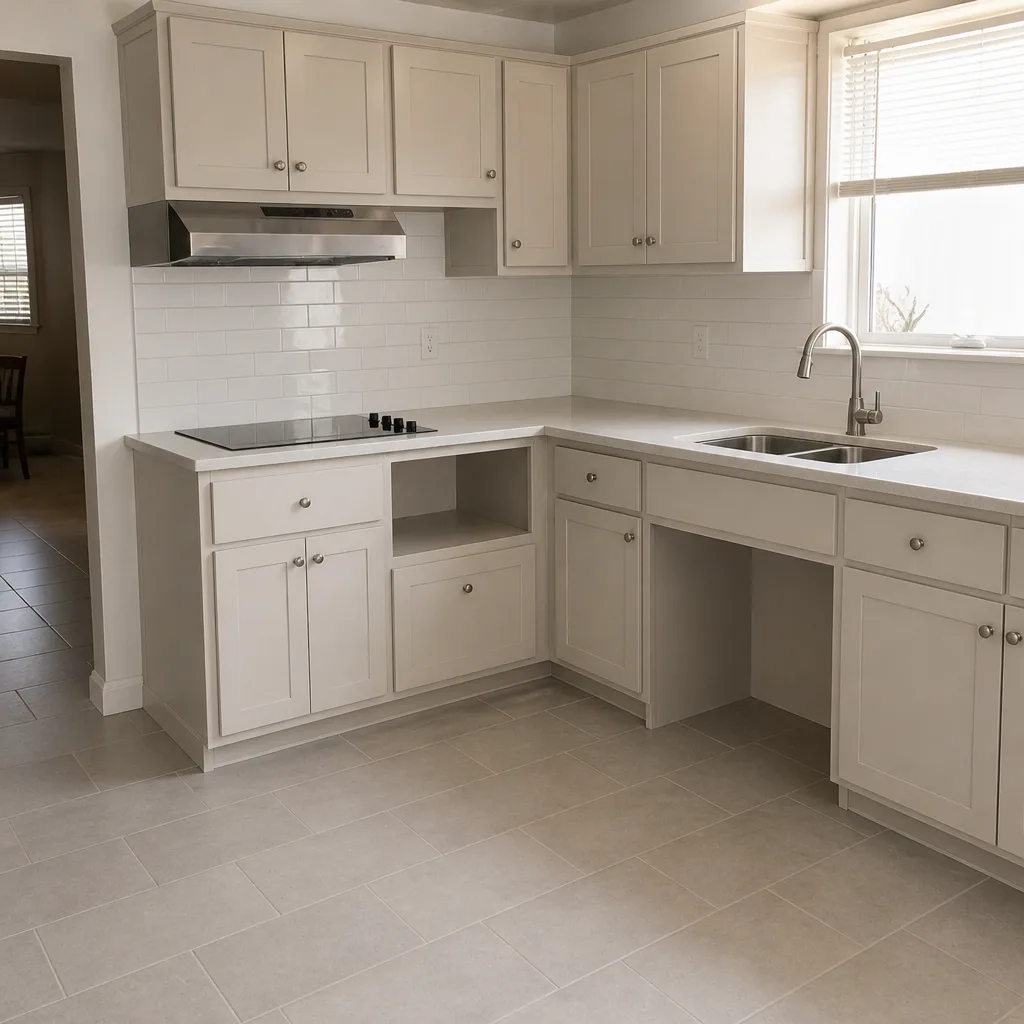 After
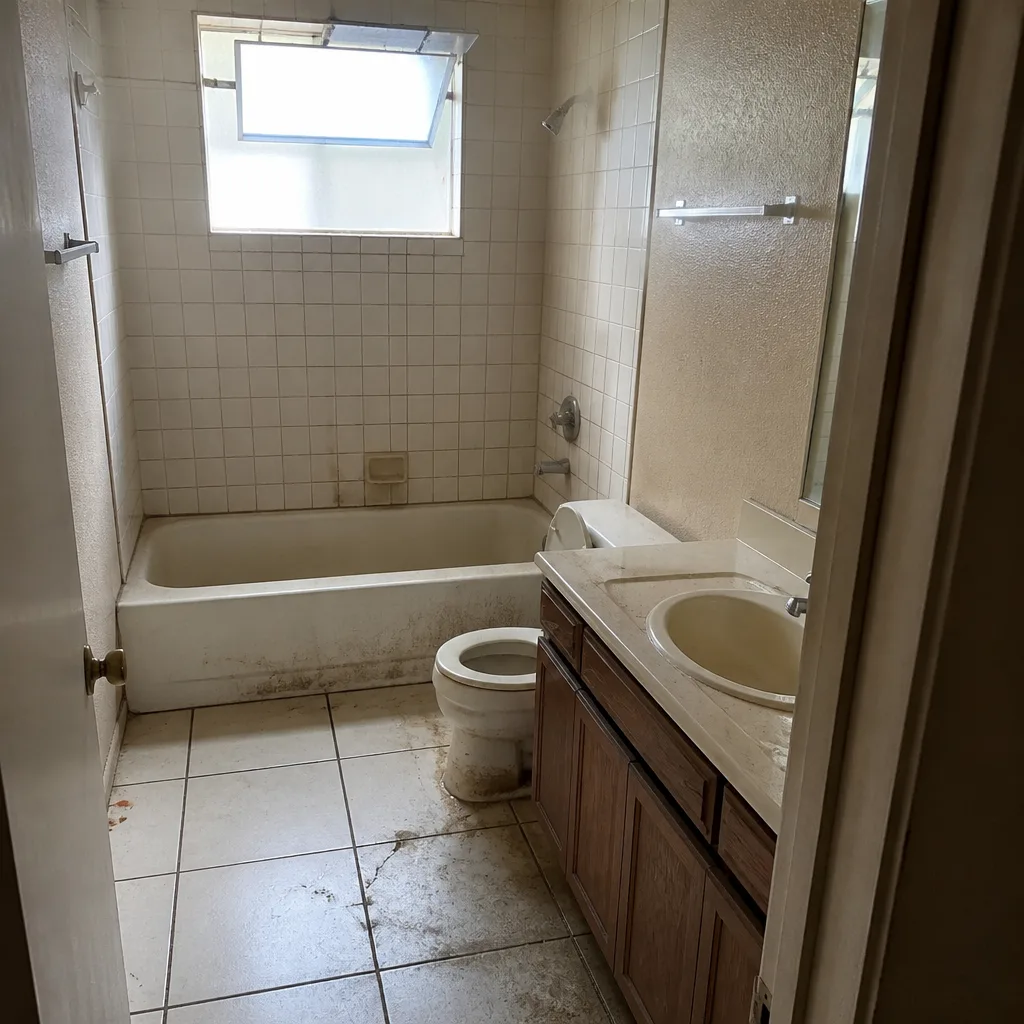 Before
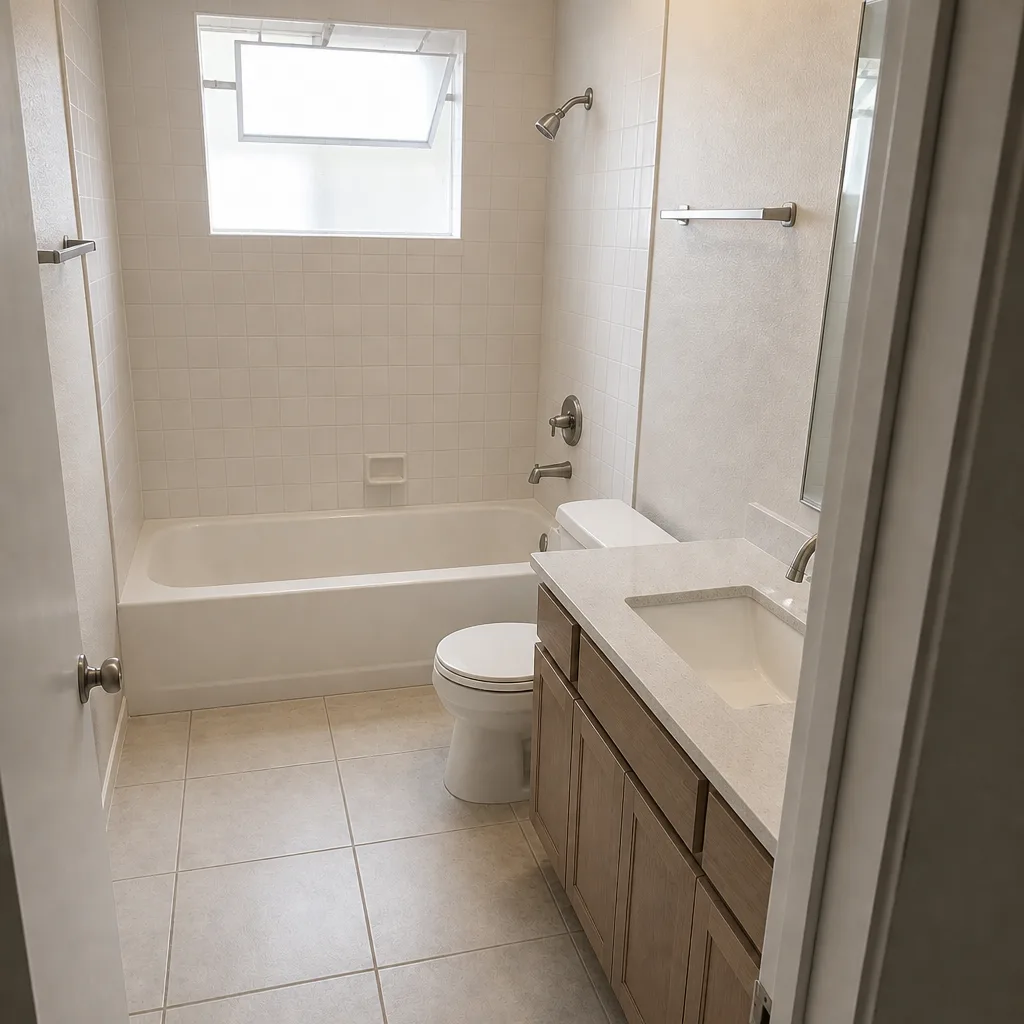 After
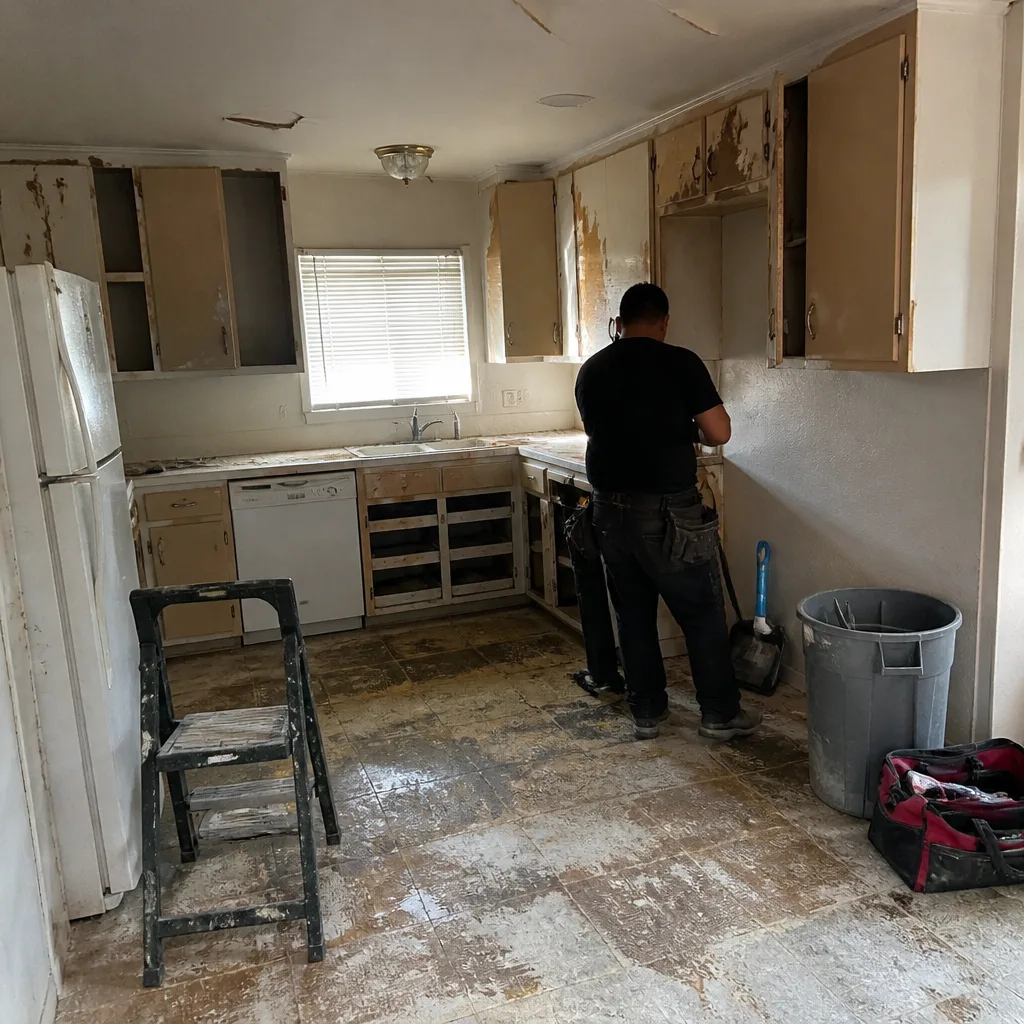 Before
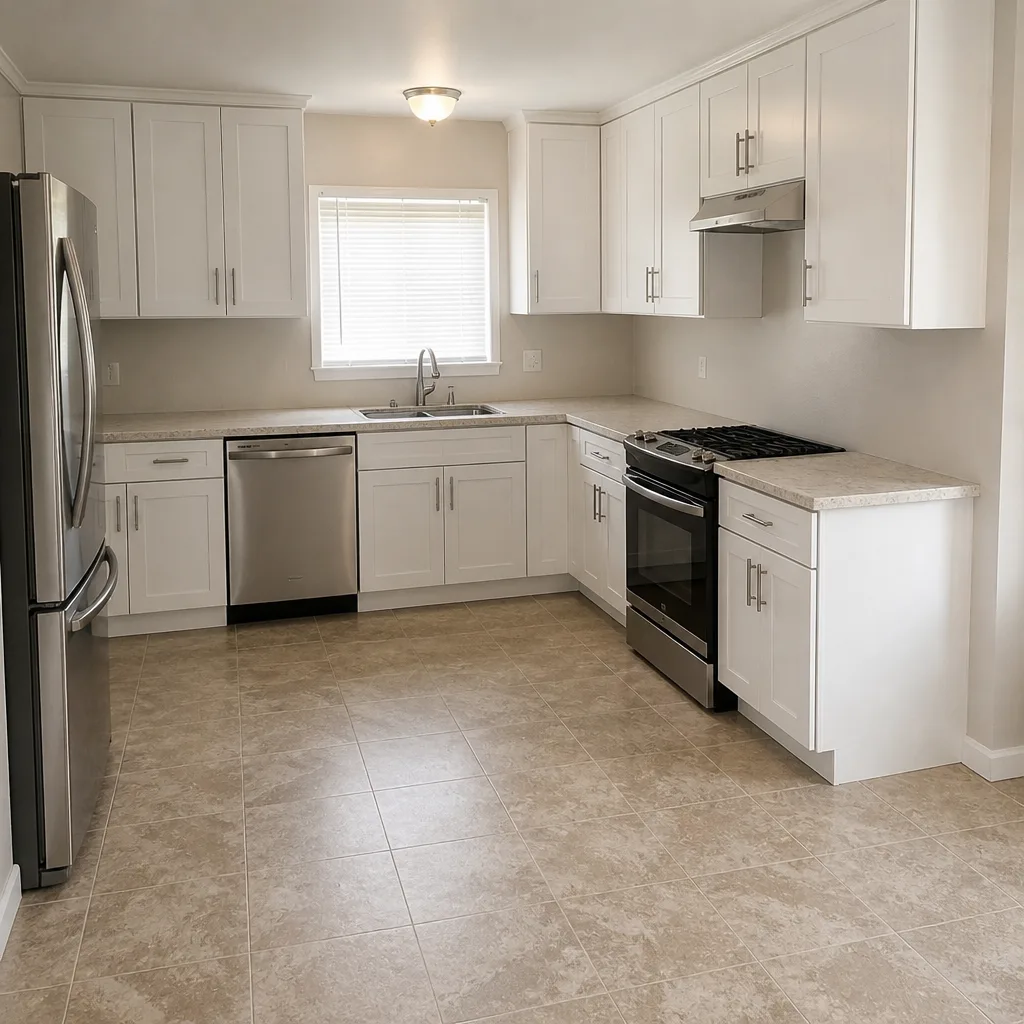 After
Frequently Asked Questions

Yes, if the work moves or adds a plumbing drain, changes electrical, replaces a shower pan, or alters framing. A cosmetic refresh (paint, tile on existing substrate, fixture swap at existing locations) is generally exempt. In Las Vegas, the most common bathroom permit issue is a shower-to-tub conversion where the drain has to be relocated; that always requires a permit and a rough-in inspection.
Clark County doesn’t use a single dollar threshold. The trigger is scope: structural changes, electrical circuits, plumbing relocations, gas work, mechanical work, additions, conversions, and pools all require a permit regardless of cost. Cosmetic work is generally exempt. If you’re not sure, the building department can answer scope questions directly, and any licensed contractor should be able to tell you the answer in a walk-through.
Yes, for work performed by the homeowner on their own primary residence. The catch is that the homeowner then takes legal responsibility for the work and is the one the inspector calls. If you’re hiring someone, the permit should be in their name, not yours.
An open permit means the county issued a permit but never received a final inspection and sign-off. It usually means work stopped before completion. In a Las Vegas sale, an open permit can hold up the closing because lenders treat it as a title issue. It has to be resolved before or at closing, usually by re-permitting and completing the work.
Simple permits (water heater, panel replacement, minor electrical) can often be issued within a few business days. A residential remodel permit is typically a few weeks. Additions and conversions take longer, since they involve plan review. We build the permit window into every schedule before demolition starts.
The prior work has to be brought up to current code and re-permitted before the current project can be finalized. That can add weeks and, in some cases, thousands of dollars to the project. It’s covered in a written change order so there are no surprise invoices, but it’s always better to find out what’s behind the wall before you open it.
The Bottom Line
Permits in Clark County are cheap compared with the consequences of skipping them. They show up on three fronts: at resale, when an open permit stalls escrow; during insurance claims, when the carrier asks for documented work and you don’t have it; and on your next project, when the next contractor opens a wall and finds a shortcut that has to be corrected. The inspection sequence (rough, framing, MEP, final) exists to catch those shortcuts before they’re buried. Pull the history on any home you buy or remodel, know who’s pulling the permit, and get the scope in writing. The costs of doing it right are visible from the start. The cost of doing it wrong is the part you don’t see until it’s expensive.
If you’re planning a project and want a contractor who handles permits and inspections as part of the job, our bathroom remodeling in Las Vegas team and our Mason Remodeling Co Las Vegas home page both walk through how we approach permits, scope, and inspection schedule. Every project we take on starts with a written price before any work begins and is backed by a written guarantee for 365 days from the completion date, with a free return visit if a repair or installation fails. Our technicians have up to 22 years of experience, every crew member is background-checked and identity-verified, and you’ll see their name and photo before they reach the door.
Call (844) 797-1112 for a free estimate. A live person answers every call, every day of the year, and we’ll walk your scope and permit needs in plain language before you commit to anything.
Written by the team at Mason Remodeling Co Las Vegas.