Last updated November 18, 2026


Free written scope consultation - allowances, timeline, and change-order rules on paper before a single trade is scheduled
DIY vs Professional Construction: The Las Vegas Homeowner’s Decision Guide
Here’s the part almost nobody tells a Las Vegas homeowner before they pick up a trowel: a DIY tile job that skips the permit can quietly void your homeowner’s insurance coverage for any water claim that follows. Most people don’t learn this until a claim is denied and the adjuster explains that unpermitted work was never covered. The DIY-versus-pro question is usually framed around skill. In Las Vegas, it’s really a question of risk. This guide walks through which projects Nevada law reserves for licensed contractors, how desert heat punishes amateur sealant and grout faster than you’d expect, what DIY actually costs once you price materials and your own time honestly, and where a hybrid approach makes sense. You’ll finish knowing which jobs to hand over and which to keep.
Quick Answer
In Las Vegas, DIY makes financial sense for cosmetic, reversible work like painting, landscaping rock, and swapping fixtures. It stops making sense the moment a project touches plumbing lines, electrical circuits, structural walls, or anything requiring a permit – and in those cases, hiring a licensed contractor is both cheaper over three years and often a legal requirement. The desert climate accelerates failures in amateur tile, grout, and caulk work, so the savings on those jobs tend to vanish within one to three summers.
Styles & brands we work with
- Kitchen remodeling
- Bathroom remodeling
- Home additions & ADU
- Roofing
- Windows & doors
- Driveway & pavers
- Fence
Table of Contents
- What Nevada Law Says About DIY and Licenses
- How Las Vegas Heat Breaks Amateur Work
- The Real DIY Cost Calculation
- Projects Where DIY Genuinely Works in Las Vegas
- Projects Where the Desert Climate Makes Pros Cost-Effective
- The Hybrid Approach: Permits With Your Own Finish Work
- Permits, Insurance, and Resale
- Questions to Ask Before You Hire
What Nevada Law Says About DIY and Licenses
Nevada is stricter than many states about who can perform certain construction work, and the rules apply to homeowners doing their own work as much as to hired help. The Nevada State Contractors Board requires a licensed contractor for work on a structure that’s intended for occupancy, and local jurisdictions add their own permit layers on top. In practical terms for a Las Vegas homeowner, that means the following categories almost always require a licensed contractor and a permit:
- Any electrical work beyond swapping a fixture. New circuits, panel changes, and outlet additions require a licensed electrician and a permit. Las Vegas Valley code follows current NEC editions, and inspectors check conduit routing and grounding closely.
- Plumbing line changes. Moving a drain, adding a bathroom, or rerouting a water line requires permits and inspection. The Clark County building department inspects rough plumbing before walls close.
- Structural alterations. Removing or modifying a load-bearing wall requires engineered plans and a licensed contractor. In Las Vegas homes with stucco and block construction, the structural implications are more serious than in typical wood-frame construction elsewhere.
- Roof replacement and major repairs. Permits apply, and roofing warranties are void on unpermitted installs.
- Pools and spas. Nevada treats pool work as a specialty license category, and pool permits are their own separate process.
What can you legally do yourself? Cosmetic work, painting, landscaping, cabinetry that isn’t structural, tile over existing surfaces (with caveats below), and fixture swaps that don’t involve new wiring or plumbing connections usually don’t require permits. Painting a room, laying landscape rock, or swapping a faucet cartridge is well within homeowner rights. The line matters, and the penalties for crossing it are real: unpermitted work can be required to be removed, can block a sale, and can void insurance coverage.
How Las Vegas Heat Breaks Amateur Work
This is where the Las Vegas decision diverges from the same decision made in Phoenix, Denver, or Seattle. The Mojave summer – sustained stretches above 105°F with low humidity and intense UV – changes the failure curves for sealants, grout, and caulk. Products rated for indoor or moderate-climate use break down in one or two seasons here. Professional-grade materials handle it, and professional technique matters just as much.
Where DIY fails fastest
- Shower caulk. Standard silicone caulk fails at the seams within 12-18 months in a Las Vegas bathroom with regular use. The heat makes the caulk more flexible, the tile expands and contracts, and adhesion fails at the corners first. Professional installers use silicone formulated for high-movement joints with careful surface prep – the surfaces must be dry to the touch and free of soap residue before application, which is the step most DIYers skip.
- Tile grout on exterior patios. Sanded grout applied to outdoor pavers in Las Vegas dries too fast in the summer sun, never fully cures, and starts to powder out within a year. Pros use epoxy grouts or polymer-modified grouts with proper wet-curing practices, and they time the install to the cooler parts of the day.
- Exterior caulk around windows and doors. UV exposure in Las Vegas is roughly 30% higher than the national average, which degrades standard painter’s caulk and even some construction-grade sealants within two summers. Every failed seal becomes a water intrusion point, and in a monsoon-season downpour, that water gets into the wall cavity.
- Paint on exterior stucco. Painting stucco in direct summer sun causes the paint to skin over before it bonds, leaving it to peel in sheets. Pros spray at the right temperature window with the right elastomeric product; a homeowner working on a Saturday afternoon in July usually can’t match either.
- Adhesive-mounted tile. Large-format tile set in the summer heat with standard thinset loses working time fast. Tiles pop within a year or two, most often in shower floors where the initial bond was marginal.
In our experience across Las Vegas remodels, the “I redid this myself two summers ago” stories are almost always about one of these five jobs. The DIYer did the work, did it carefully, and the desert undid it anyway.
The Real DIY Cost Calculation
The most common DIY math mistake is comparing a contractor’s total price to the retail price of materials, then assuming the difference is savings. That math ignores three things: contractor pricing on materials, tool costs, and your own rework rate.
What the comparison actually looks like
A typical Las Vegas bathroom refresh – roughly 50 sq ft of floor tile, new vanity, new fixtures – illustrates the gap. Here are realistic line-item ranges, all Las Vegas retail pricing at the time of writing:
- Tile list price at retail: $4 to $12 per square foot for mid-grade porcelain, so roughly $200 to $600 for the floor.
- Contractor material pricing: typically 15% to 30% lower than retail through trade supply relationships, so $140 to $420.
- Tool rental: wet saw, mixing paddle, drill, and basic tile tools, $80 to $150 for a weekend.
- Consumables: thinset, grout, spacers, sealant, $80 to $150.
- Your time: 10 to 20 hours for the floor, more if you’ve never laid tile before.
- Rework probability: high. First-time installers in Las Vegas report rework rates well above half – usually due to grout failures or lippage issues that require pulling and resetting tile.
Once you add it up, DIY tile saves somewhere between $200 and $500 versus a pro on a small floor – and only if the work doesn’t fail. Add a single rework cycle (which consumes another weekend and another round of consumables), and DIY is usually at or above the pro’s quote on total cost, before you count your own hours or the risk to your insurance. A permit-pulled, inspected installation from a licensed installer on a job this size typically runs $500 to $1,400 for labor, which is worth knowing before you decide.
Projects Where DIY Genuinely Works in Las Vegas
Plenty of work is honestly fine to do yourself. The categories where we tell homeowners to go ahead:
- Interior painting. Reversible, no permit, minimal risk. 80% of the DIY paint jobs we see in Las Vegas are fine. Buy a mid-grade 100% acrylic latex and work in the cooler hours.
- Landscaping rock and gravel. Desert landscaping doesn’t need a permit beyond HOA review, and homeowners generally handle rock and gravel placement well. Watch for the HOA rules on total hardscape percentage. Many Las Vegas Valley HOAs cap the non-permeable surface area.
- Fixture swaps that don’t touch wiring or plumbing. Replacing a vanity light or swapping a sink faucet using the existing plumbing connection is typically fine. Changing a shower valve or adding an outlet is not.
- Cabinetry paint or refacing. If the cabinet boxes are sound, painting or applying new door fronts is realistic DIY work. Note: some brands like KraftMaid and Wellborn sell door fronts to trade only, so retail-only refacing options are limited.
- Interior caulk where it will be protected. Bathroom and kitchen caulking, replaced every 12-18 months, is fine. It’s the exterior and high-heat areas where DIY consistently fails.
- Curb appeal items. Mailboxes, house numbers, doormats, garden beds, patio furniture. Small stuff, low risk, real visual return.
- Window treatments, shelving, and hardware. Anchored properly into studs, these are fine. In a Las Vegas home, remember that drywall anchors rated for 20 lb fail at 20 lb in a hot exterior wall.
The pattern is that DIY works when the work is cosmetic, reversible, and unaffected by the desert’s extremes. The moment a job meets all three conditions – temporary, unprotected, climate-exposed – a licensed pro pays for themselves.
Projects Where the Desert Climate Makes Pros Cost-Effective
These are the projects where we consistently see DIY attempts fail within three years in Las Vegas – and where the total cost of doing it twice is higher than hiring once:
- Shower and bath remodeling. A full bathroom remodel involves waterproofing (the hidden Schluter membrane or equivalent under the tile), rough plumbing, tile setting in a climate that dries mortar too fast, and finish sealing. The failure mode of DIY bath work in Las Vegas is water behind the tile, which shows up as a rotting subfloor or a soft wall two years later. See our work on Bathroom Remodeling in Las Vegas for how the waterproofing sequence actually works.
- Kitchen remodeling where plumbing or electrical moves. Moving a sink, adding a dishwasher circuit, or routing a new gas line to a range requires permits and licensed trades. Even a kitchen refresh that keeps the layout needs permits if you change outlets. A full Kitchen Remodeling in Las Vegas project is almost always a pro job because of the mechanical systems. Cabinet brands like KraftMaid and surfaces like Cambria and Silestone also sit behind trade relationships most homeowners can’t access directly.
- Roof repair and replacement. GAF, CertainTeed, and Owens Corning warranties are void on unpermitted installs, and Las Vegas summer roofing conditions (deck surface at 160°F+) require specific underlayment and flashing techniques. The heat also expands and contracts roofing materials faster here than in temperate climates.
- Exterior stucco repair. The distinctive Las Vegas stucco finish requires the right mix and technique to match. Amateur patches show as visible scars within a year.
- Window and door replacement. Given the Mojave summer, window performance matters on energy bills. Brands like ECO Window Systems, Therma-Tru, and ViewLux all require licensed installation to keep their warranty intact. Improperly flashed windows leak – and in Las Vegas monsoon season, that leak finds the interior fast.
- Whole-home remodels. Any project that touches multiple systems should start with a licensed General Contractor in Las Vegas so permits, inspections, and sequencing stay coordinated.
The Hybrid Approach: Permits With Your Own Finish Work
The most cost-effective answer for many Las Vegas homeowners is a hybrid: hire a licensed contractor for the permitted phases and any work touching mechanical systems, then do the finish work yourself once the inspections pass. This keeps the permit chain intact and avoids the insurance problem, while letting you keep the parts of the project that are safe and satisfying to do.
How a hybrid project is structured
- Design and permitting. A licensed contractor draws plans, pulls permits, and manages inspection scheduling. This step has to happen first, because nothing else can proceed without it. Our team handles this as a routine part of every project we quote.
- Critical phases by the pro. Rough plumbing, electrical, structural work, waterproofing membranes, and any mechanical install. These are the phases where failure is expensive and visible to inspectors.
- Finish work by the homeowner (with sign-off). Painting, trim, hardware, landscaping rock, patio furniture, and similar items. Some contractors will agree to this arrangement on a written plan; others won’t. Ask upfront and put the arrangement in writing.
- Final inspection before the permit closes. The inspector needs to see the completed work. Do not close out the permit before the finish work is done, or the permit shows as incomplete.
The hybrid approach works best on whole-home remodels, kitchen remodels, and additions where the finish work is a manageable fraction of the total. It works poorly on focused bathroom remodels because the finish work (tile, shower, waterproofing) is the critical path. A steady local contractor is worth the phone call here – we quote hybrid projects with the split clearly marked on the written estimate so there’s no ambiguity later about who is doing what.
Permits, Insurance, and Resale
Three of the strongest reasons to hire professional construction in Las Vegas have nothing to do with skill. They have to do with paperwork.
Insurance. Most homeowner policies exclude or limit coverage for damage caused by unpermitted or uninsured work. If a shower pan leaks because the waterproofing was installed without inspection, the claim can be denied. The claim is denied, the insurer notes it, and the repair becomes cash out of pocket. This is the trap that catches the most otherwise careful Las Vegas DIYers.
Permits and resale. Clark County requires permits to be disclosed at resale. A buyer’s lender will often require unpermitted work to be brought up to code before closing. This can kill a sale or cost five figures to remedy – and it’s the seller who pays, not the buyer.
Warranty and records. A licensed contractor’s work is covered by a written guarantee with stated terms. The Mason Remodeling Co Las Vegas home team issues a written guarantee on every project, naming what is covered, what is excluded, and for how long – currently 365 days from the completion date. That document is worth real money at resale, because it gives the next buyer a paper trail. DIY work has no such warranty. The most a homeowner can offer is their own memory of what they did two summers ago.
Questions to Ask Before You Hire
If you’ve decided that your project requires a licensed pro, ask these questions before you sign anything. In our experience the good contractors are happy to answer every one, in writing.
- Are you licensed by the Nevada State Contractors Board, and will you provide the license number? Verify it directly on the state board’s website before signing.
- Will you pull the permits, and are permit fees included in the written price? Your contractor should handle permit applications and inspections as part of the job.
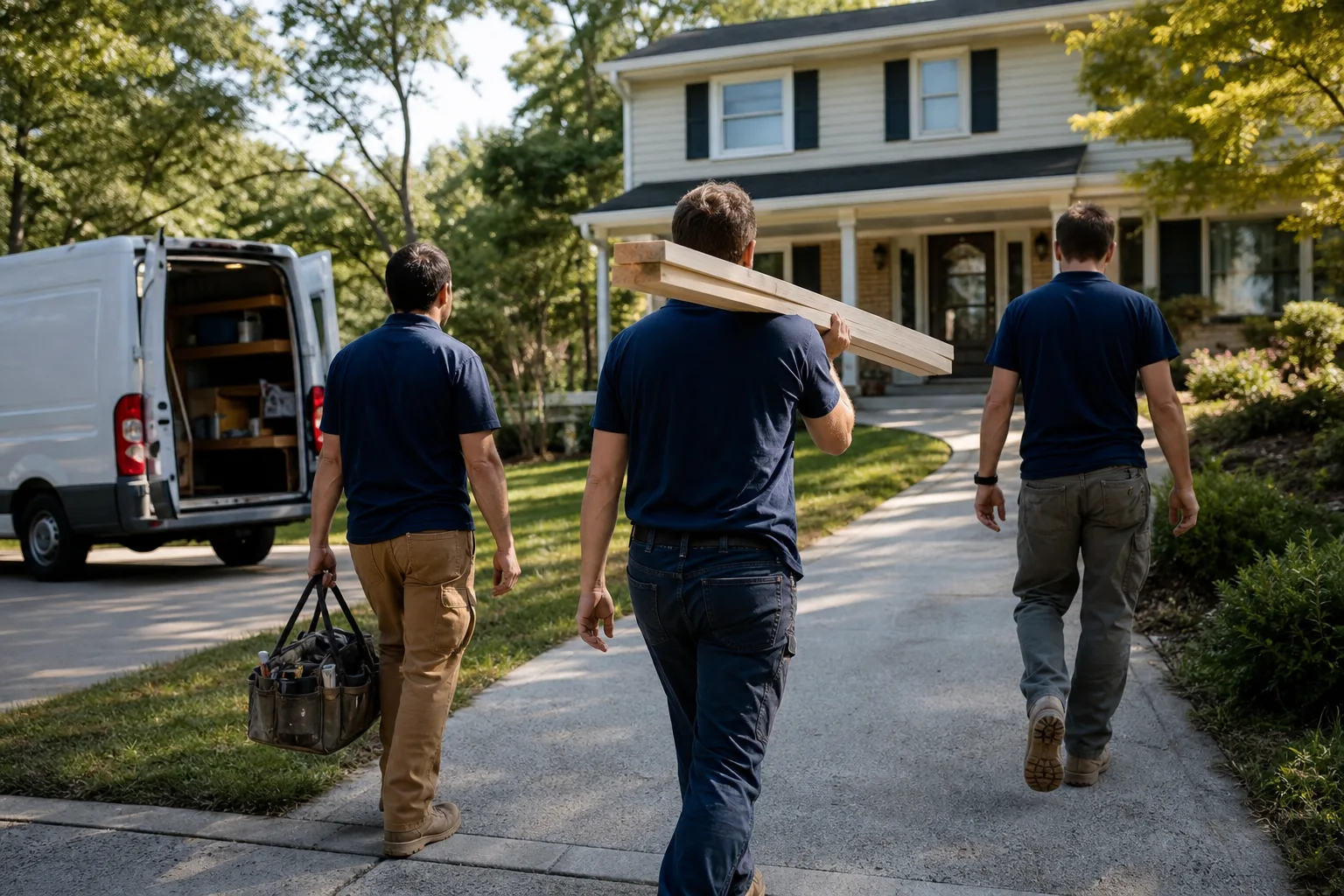
- Who exactly will show up at my door, and how will I recognize them? Ask for names, uniforms, and a photo ID badge process. The Threshold Standard approach at Mason Remodeling means every technician is verified by name and photo before the visit – you know exactly who’s coming.
- Is the price written, line-item, and fixed before work starts? Verbal estimates that grow on the invoice are the most common contractor complaint in Nevada. On every Mason Remodeling project, the written price is locked before any tool is unpacked.
- What does the guarantee actually say, line by line? Ask what’s covered, what’s excluded, and for how long. A written guarantee with clearly stated terms is very different from “we back our work.”
- Can I speak to someone today if something goes wrong next month? Ask about the call answering process. Ours answers live, 24 hours a day, every day, including holidays.
- What is the process for a repair if something fails? Ask what triggers a return visit and whether it costs anything. Ours is free, with no conditions, on covered failures.
Common Mistakes to Avoid
- Skipping the permit to save money. The permit is not the expensive part of a project. Rework and denied insurance claims are. If a Las Vegas contractor offers to do permitted work “off the books,” that’s a red flag on every other part of the job.
- Buying material at retail and assuming that’s the total cost. Retail tile is 15-30% above trade pricing, and the consumables and tool rental add another 15-20% on the project total. Contractor pricing is not a markup – it’s often the same or lower than what a homeowner pays at the register.
- Using indoor-rated caulk, sealant, or grout on exterior surfaces. The desert summer will find it. Buy the exterior-rated, UV-stable product at minimum, and honestly, hire the pro for the exterior parts anyway.
- Assuming Las Vegas has a “dry climate” so water intrusion won’t be an issue. Monsoon season here drops more rain in a two-week window than many other cities see in a year. Water intrusion during monsoon is the most common source of damage we see on DIY-exterior work in Las Vegas.
- Painting exterior stucco in direct summer sun. The paint skins over before it bonds, and it’s peeling by the fall. If you’re going to paint stucco yourself, work early morning or evening, and use an elastomeric product rated for high UV.
- Doing electrical or gas work without a licensed electrician or plumber. Beyond the permit requirement, this is a genuine fire and explosion risk. There is no DIY-safe version of gas line work, panel replacement, or new circuit installation.
- Buying contractor-grade windows or doors and installing them without a licensed installer. Brands like ECO Window Systems, Therma-Tru, and ViewLux all void their product warranty if the installer isn’t licensed, and the flashing details that keep monsoon water out are the same ones that fail on DIY installs.
See the difference
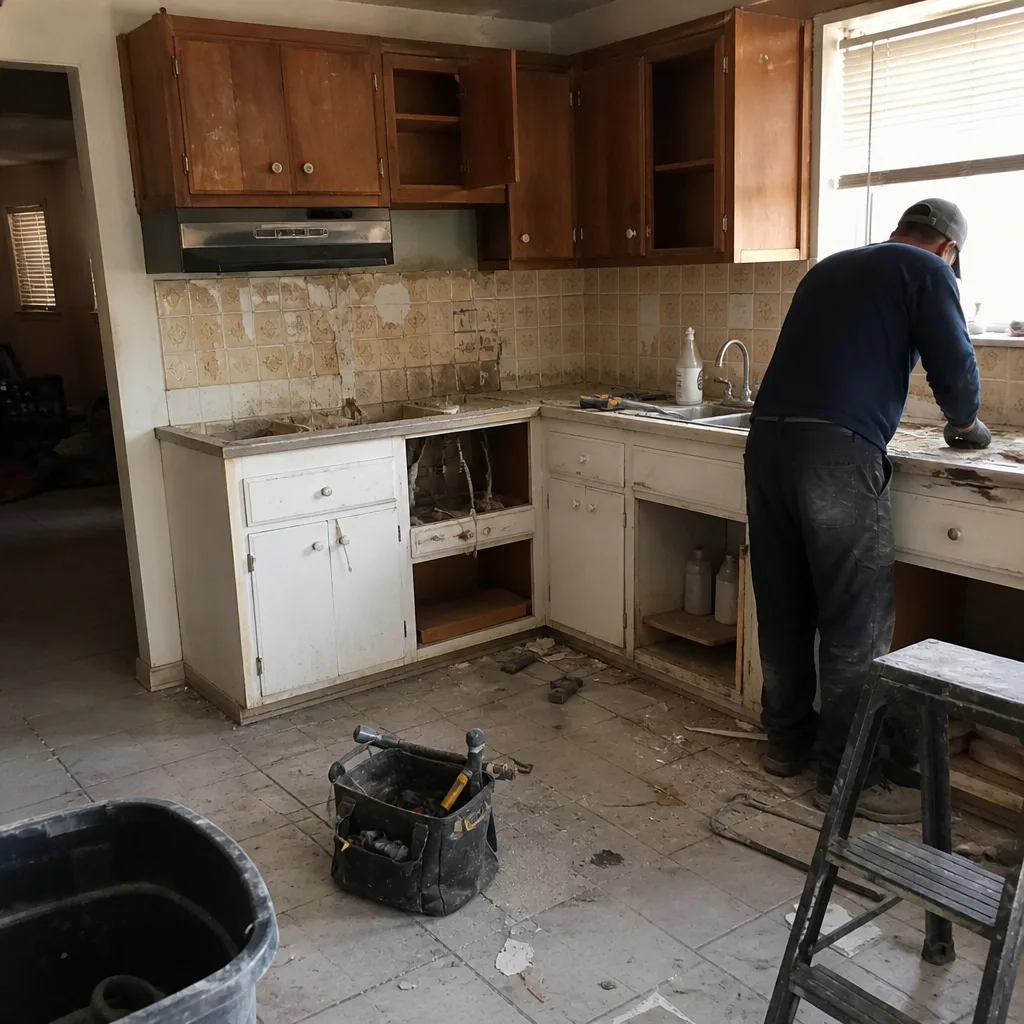 Before
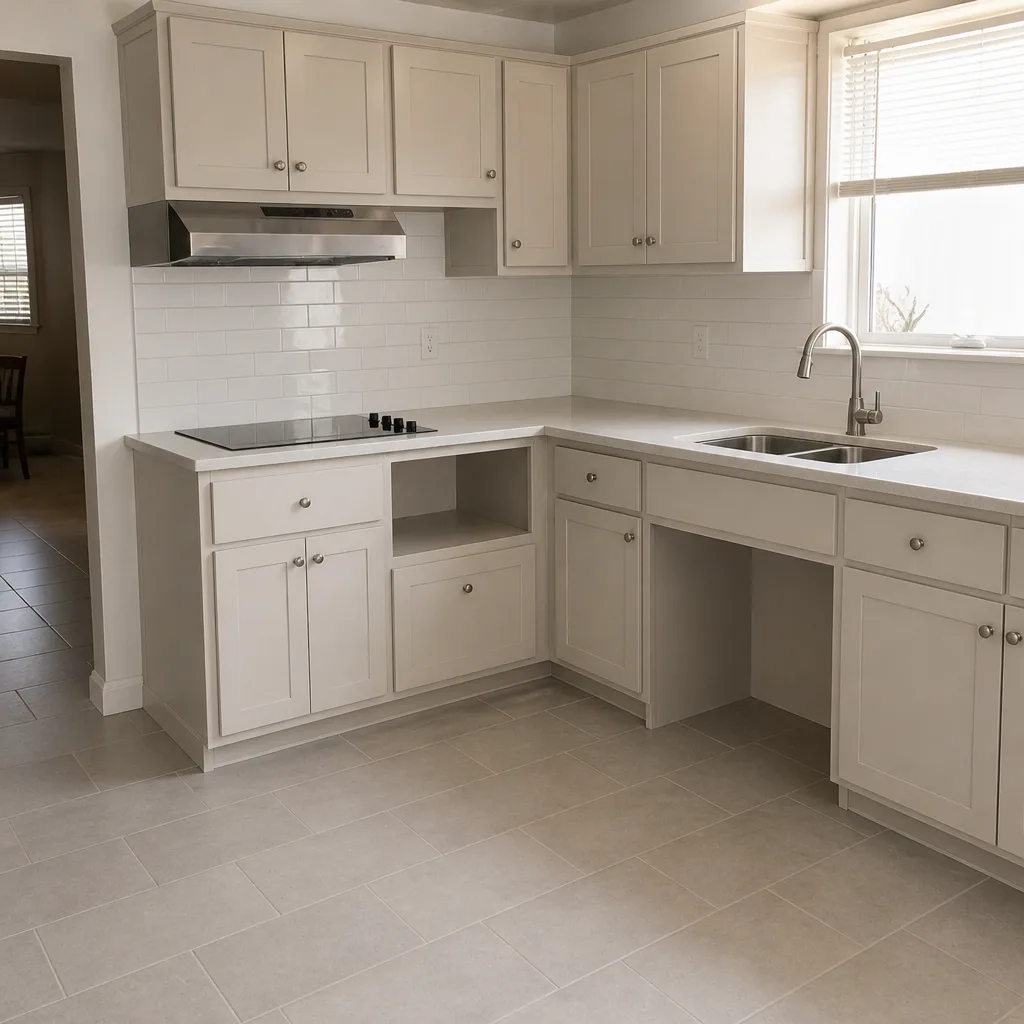 After
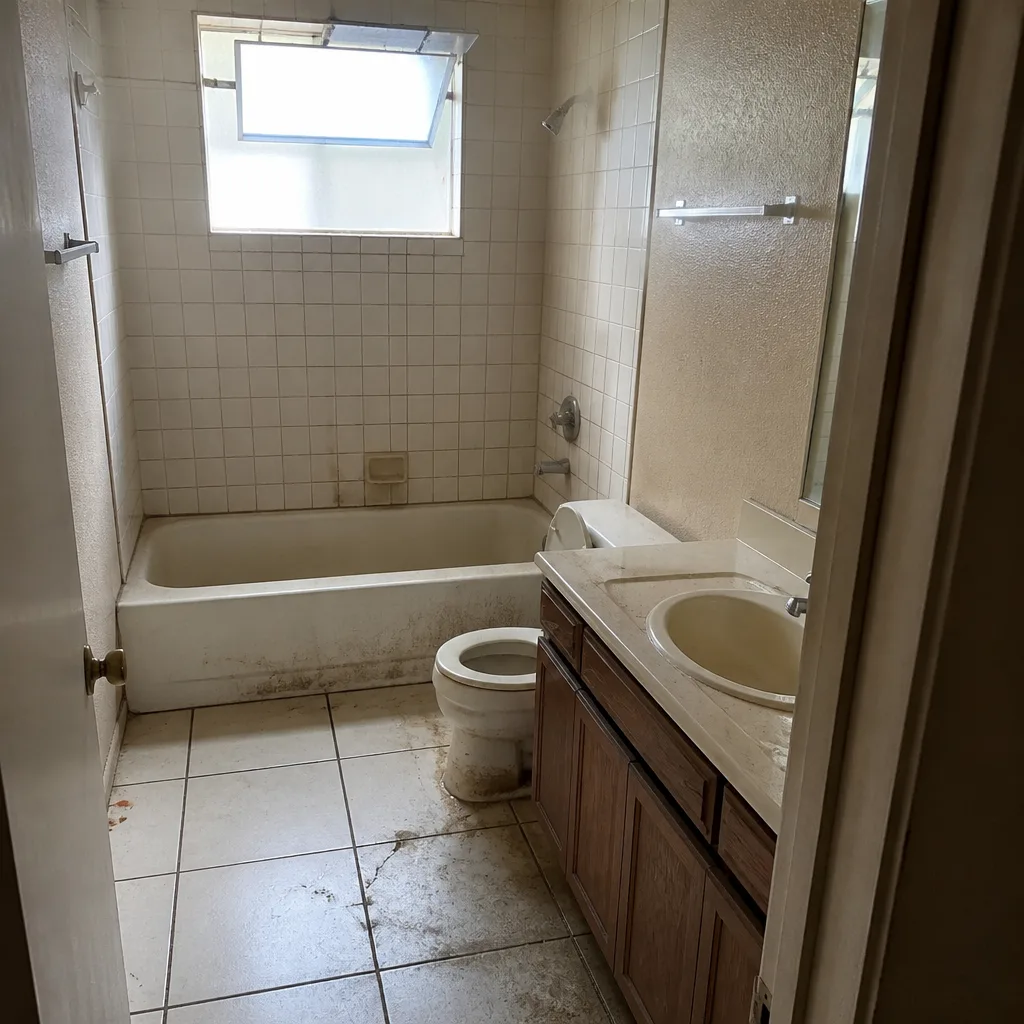 Before
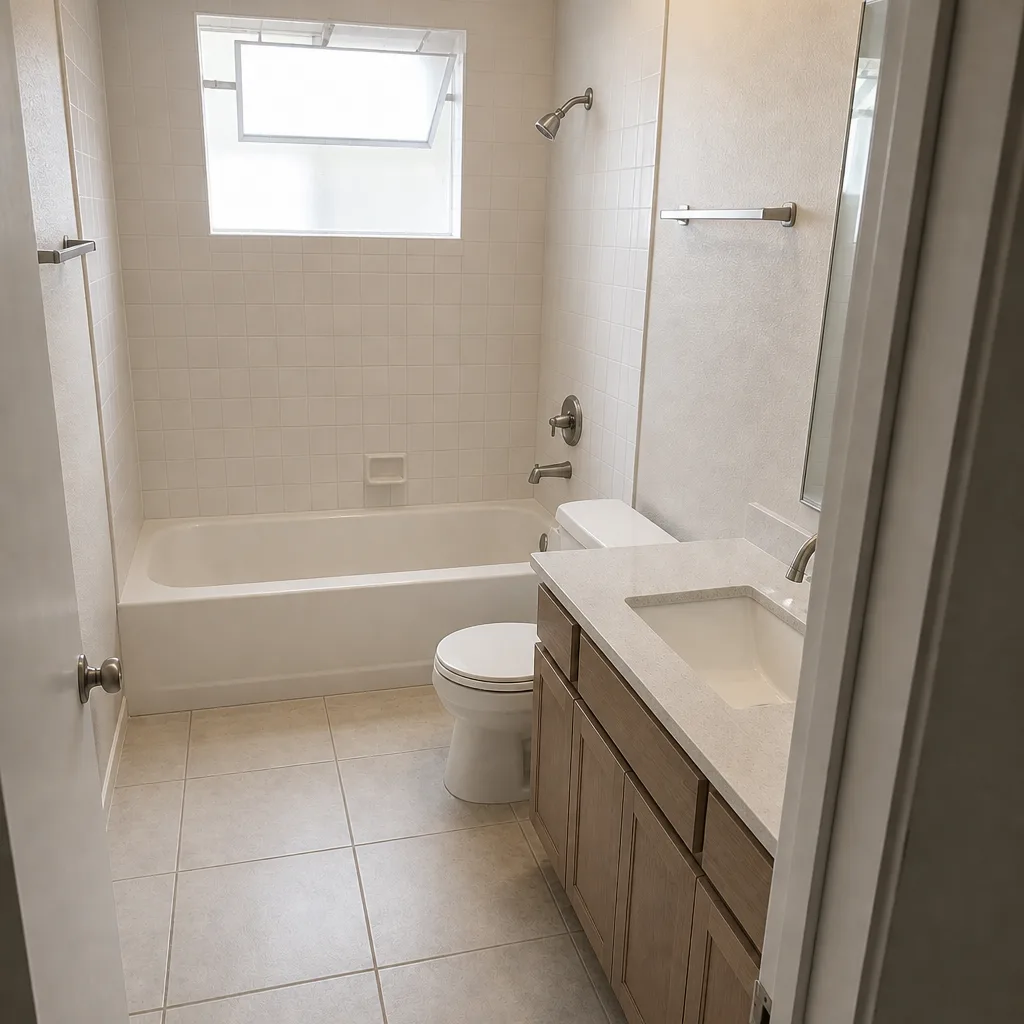 After
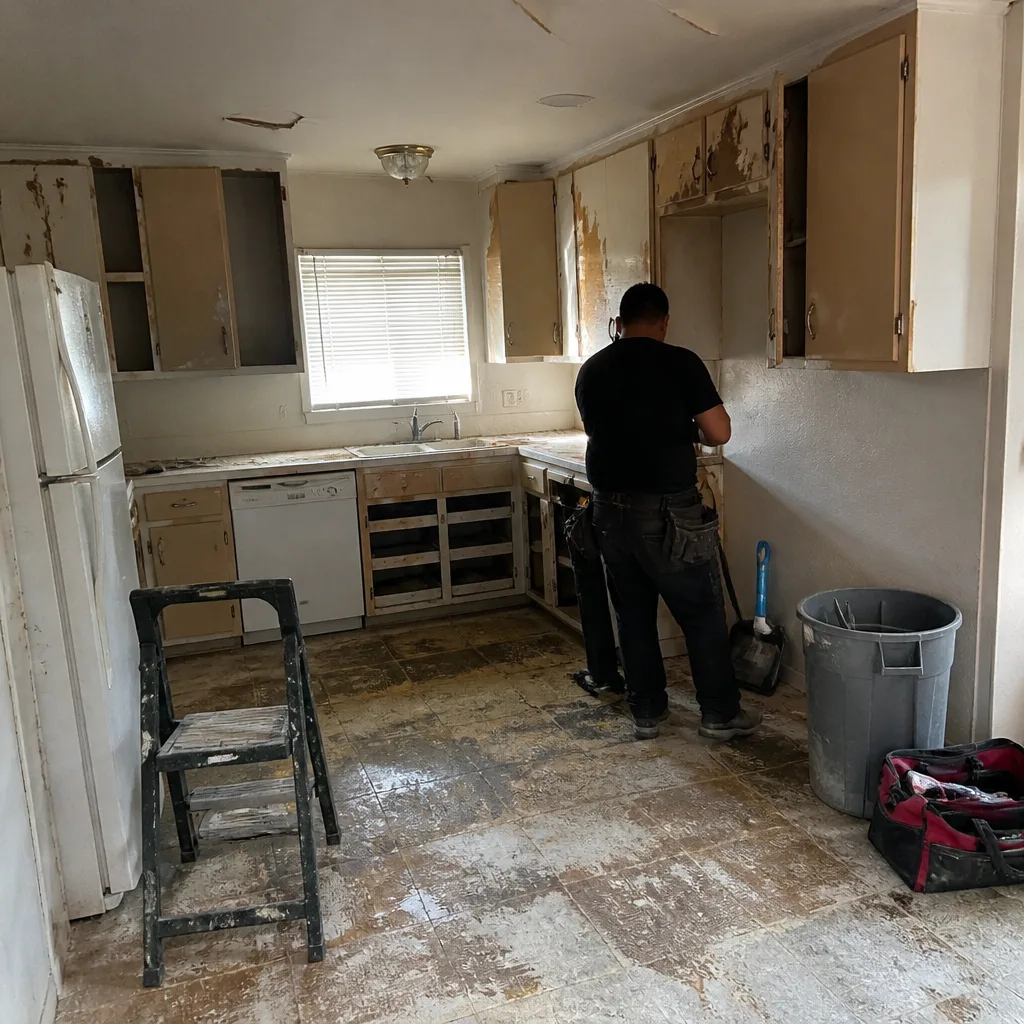 Before
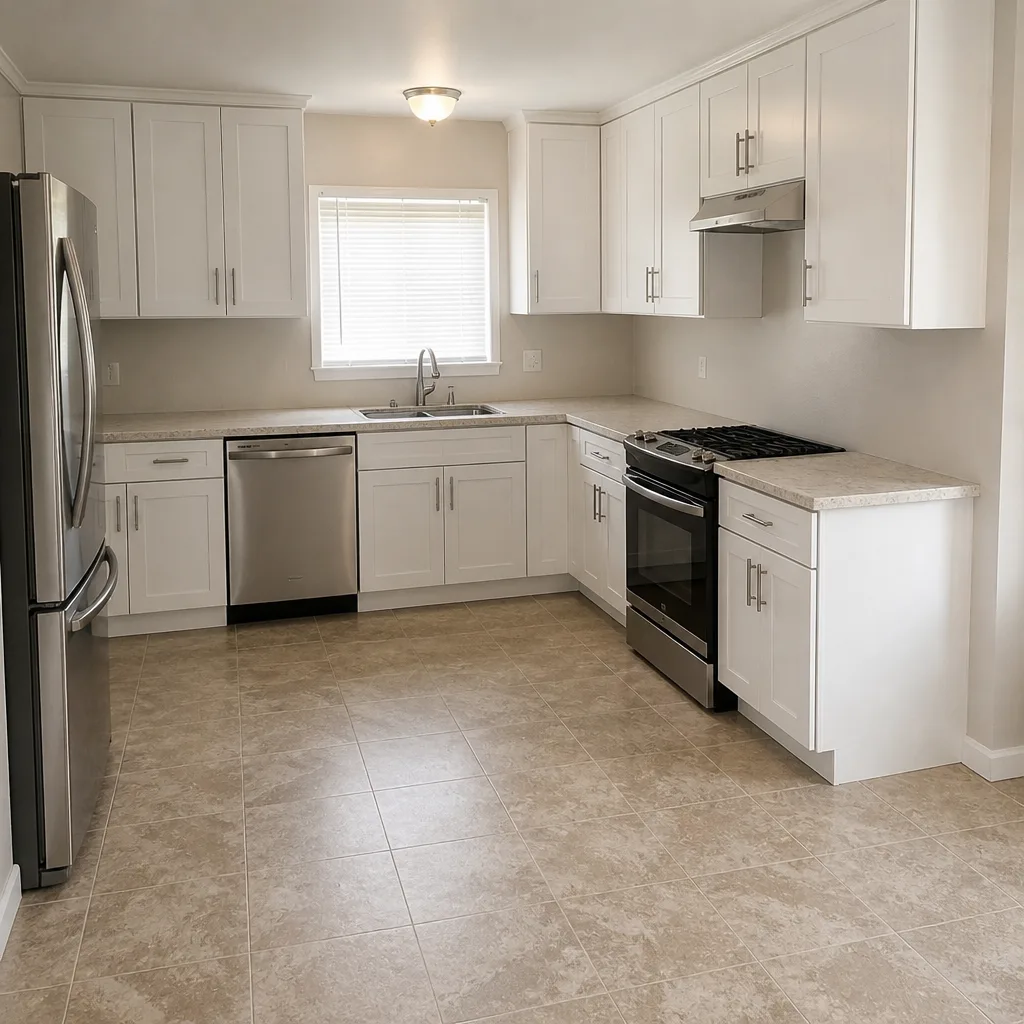 After
When to Call a Professional
Call a licensed professional when the project touches plumbing, electrical, gas, structure, roofing, or anything that requires a permit. Call us when the work has to hold up over multiple Las Vegas summers without coming back. Call us when the finish quality matters to resale or insurance, and when you want a written price, a written guarantee, and a crew you can name and recognize by photo before they arrive. Call us when the project involves brands whose warranty depends on licensed installation, like GAF roofing, Therma-Tru doors, Cambria and Silestone surfaces, or Kohler and Moen fixtures. And call us when you’ve added up the DIY math and it looks closer than expected – the honest answer is often that the pro is cheaper once failures are priced in.
Mason Remodeling Co Las Vegas offers free estimates in Las Vegas – call (844) 797-1112 for a written, line-item price before any work starts.
Frequently Asked Questions
Yes, for anything beyond cosmetic changes. Nevada requires permits for plumbing line changes, electrical work, and structural modifications, and Clark County inspects those phases before walls close. Cosmetic updates like paint, fixture swaps that don’t touch wiring, and tile over existing surfaces generally don’t require a permit, but the moment you’re moving a drain or adding an outlet, the permit is required. Call (844) 797-1112 for a quick read on your specific project – the answer matters.
It can. Most homeowner policies exclude damage caused by unpermitted work, and a denied claim is common when the adjuster finds the work was never inspected. The specific exclusion language varies by carrier, so read your policy – but the pattern is that unpermitted plumbing, electrical, or structural work is the most common reason a claim gets denied. A licensed contractor pulls permits and keeps the insurance chain intact.
A typical bathroom remodel in Las Vegas runs $8,000 to $22,000 depending on size, fixtures, and finish quality, with mid-grade finishes around $12,000 to $16,000 in most cases. A full gut remodel with tile shower, new vanity, and all new plumbing fixtures lands in the $18,000 to $30,000 range. A cosmetic refresh – paint, new fixtures, hardware – is often $2,500 to $5,000. Call (844) 797-1112 for an exact quote on your project – estimates are free and written.
Painting, landscaping rock, hardscaping, cabinetry paint or refacing, interior caulk, and fixture swaps that don’t involve new wiring or plumbing connections typically don’t require a permit in Las Vegas. Anything touching plumbing lines, electrical circuits, gas, structure, roofing, or pools requires a licensed contractor and permit. The state rule is that work on an occupied structure that requires a license must be permitted, and local code layers on additional permit requirements per jurisdiction.
The heat and dryness make thinset, grout, and sealant cure too fast, which prevents proper bonding and leaves the joints vulnerable to the first summer’s expansion cycle. In a shower or exterior patio, the failure typically shows up within 12-24 months as cracked grout, popped tiles, or water intrusion behind the tile. Professional installers use products formulated for Las Vegas’s climate and time the install to the right conditions.
On labor-only comparisons, contractors typically run 2-4x the material cost on small projects – but once you price retail markup, tool rental, consumables, and a realistic rework rate, the real gap narrows to 10-30% on many projects. On the jobs where DIY fails (tile, shower, exterior caulk), the rework cost usually wipes out the savings entirely within three years. Call (844) 797-1112 for a written estimate and compare the numbers for your project.
The Bottom Line
The DIY-versus-pro question in Las Vegas comes down to risk, not skill. Cosmetic, reversible work that isn’t exposed to the desert’s extremes is worth doing yourself, and we’ll tell you so. The moment a project touches plumbing, electrical, structure, roofing, or pools, the honest answer is that a licensed contractor is cheaper over three years, safer on insurance, and the only path that keeps permits and resale intact. The desert shortens the timeline on DIY failures from “maybe someday” to “probably next summer.” For everything else, call us. We’ll give you a written price, written guarantee, and a crew whose names and photos you’ll know before they knock.
Mason Remodeling Co Las Vegas is part of the Threshold Group family of home-service companies, and each location holds to Threshold Verified standards on every job. Our technicians have up to 22 years of experience, every crew member is background-checked and identity-verified, and a live person answers every call, 24 hours a day. Free estimates are written before any work starts. Ready to see the actual number for your project? Call (844) 797-1112 for your free estimate.
Written by the team at Mason Remodeling Co Las Vegas.