Last updated November 18, 2026






Free written scope consultation - allowances, timeline, and change-order rules on paper before a single trade is scheduled
Construction Emergency Preparedness Guide for Las Vegas Homes
Las Vegas doesn’t get earthquakes or hurricanes. It gets monsoon walls of water that hit in forty minutes, summer wind gusts that peel back half-finished roofing, and something quieter but just as damaging: contractors who disappear mid-project when the housing market heats up and every crew in the valley chases a bigger job. The desert makes its own kind of construction emergency, and it rarely looks like the ones on the news. This guide covers what the actual emergencies look like here, what to do in the first 24 hours, and how to protect your home and your money before the trouble starts. If you’re building or remodeling in Las Vegas, this is the page to bookmark before you sign anything.
Quick Answer
A construction emergency in Las Vegas usually means one of three things: a monsoon storm has flooded or exposed your active work site, a contractor has stopped showing up mid-project, or a half-finished structure is sitting open to weather and theft. In every case, act in the first 24 hours. Document everything with dated photos, secure the site with tarps and locks, put every communication in writing, and get a written recovery estimate from a licensed contractor before you spend another dollar. Waiting a week to “see if they come back” is the single most expensive mistake homeowners make here.
Styles & brands we work with
- Kitchen remodeling
- Bathroom remodeling
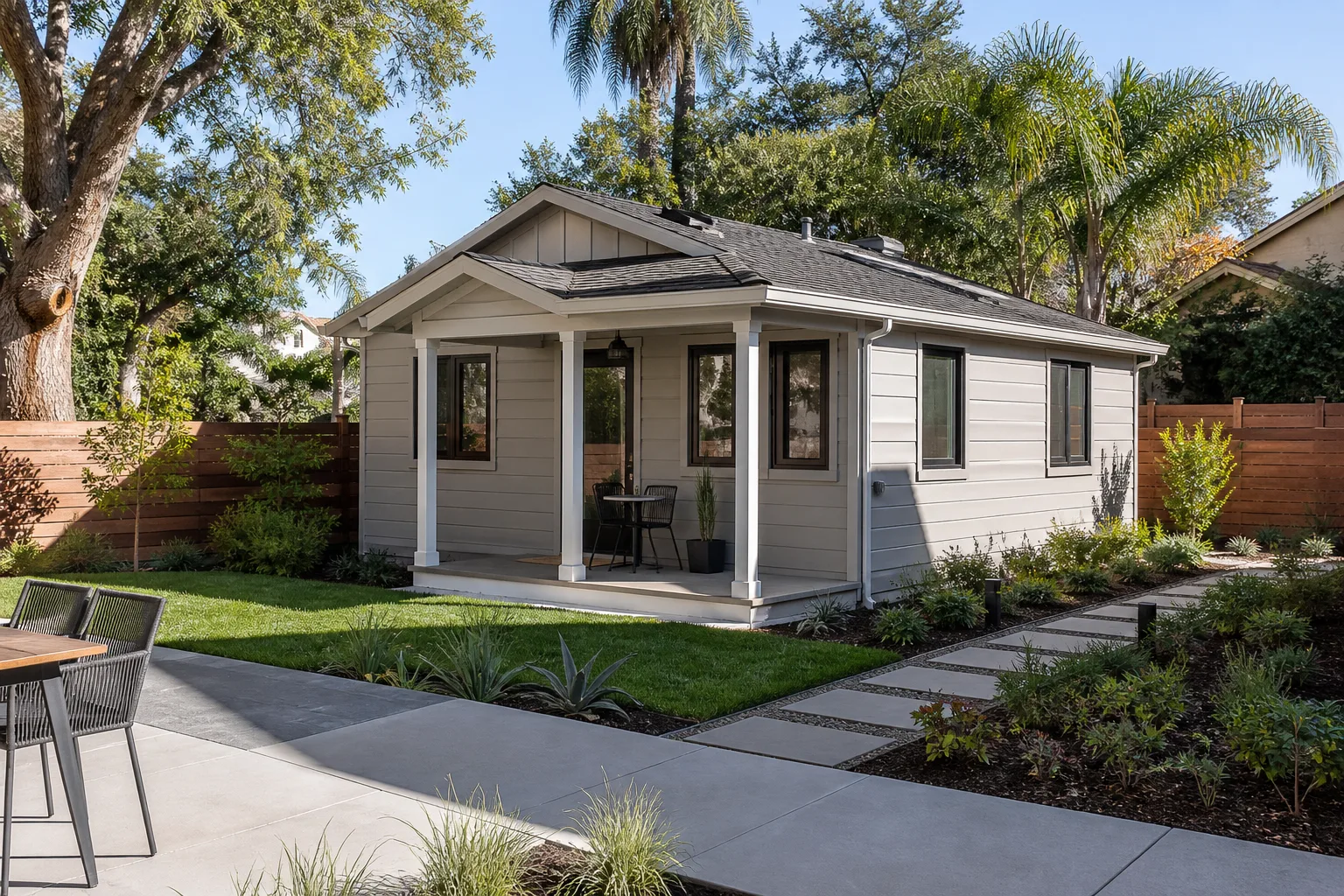
- Home additions & ADU
- Roofing
- Windows & doors
- Driveway & pavers
- Fence
Table of Contents
- What to Do in the First 24 Hours if Your Contractor Stops Showing Up
- Flash Flood Risk During Active Construction: How Monsoon Season Hits an Open Site
- The Contract Clauses That Give You Leverage in an Abandonment Scenario
- Emergency Tarping and Site Security: What You Can Do Immediately
- Filing a Complaint With the Nevada State Contractors Board
- Why Las Vegas Contractors Walk When the Market Heats Up
- Preparing Before the First Storm: A Pre-Construction Checklist
What to Do in the First 24 Hours if Your Contractor Stops Showing Up
Contractor abandonment follows a pattern we’ve watched repeat across the Las Vegas valley. The crew is on site every day, then every other day, then “supply issues” and “waiting on the county,” then no one. The first 24 hours after you realize the pattern is real are the most important in the whole ordeal. You have more leverage while the job is recent than you will a month from now. Act fast and act in writing.
Here’s the exact sequence to follow:
- Send a written notice today. Email and text, not a phone call. State the date, the last day work happened, what’s incomplete, and a firm deadline to respond (72 hours is reasonable). Keep it factual and unemotional. This becomes your evidence.
- Photograph the entire site. Every room, every exposed opening, every unfinished elevation, every material pile. Include a shot with a newspaper or phone timestamp visible. Walk the perimeter and the roofline if it’s safe to reach ground-level views.
- Secure the structure. Tarp open roofing, board broken windows, lock gates, and pull any power that’s feeding temporary construction circuits. An open Las Vegas site is a theft target, and monsoon season turns an open roof into a flooded interior in one afternoon.
- Collect the paperwork. Your signed contract, the written price or scope, all invoices and payment records, dated photos of progress, texts and emails, and the contractor’s license number. Assemble it in one folder, digital and print.
- Verify the license. Look the contractor up on the Nevada State Contractors Board site. You’re checking license status, expiration, and whether any complaints are already filed. If the license is inactive or suspended, you have a different and more serious problem.
- Get a recovery estimate. Call a licensed contractor in Las Vegas to assess the site and give you a written figure for what it takes to close it up and finish the job. You need a number to know what you’re dealing with.
Don’t remove the departing contractor’s tools or materials from your property without legal advice. Don’t hire a replacement crew on the same site the same week without documenting the condition of the work they inherited. And don’t accept a verbal “I’ll be back next week” as resolution. Verbal promises are what got you here.
Flash Flood Risk During Active Construction: How Monsoon Season Hits an Open Site
Las Vegas gets roughly 4 inches of rain a year, and a good share of it lands in violent bursts between July and September. The Clark County Regional Flood Control District has spent decades building channels and detention basins for exactly this, but none of that infrastructure protects your site if the grading is unfinished or the drainage wasn’t installed yet. That’s the trap of monsoon season during construction: the storm arrives before the drainage does.
What actually happens to an open site in a monsoon burst:
- Open excavations fill fast. A foundation trench or pool excavation becomes a pond in minutes, and standing water against uncovered footings softens soil you may have paid to compact.
- Exposed framing wicks water. Lumber installed but not yet dried-in soaks up moisture. In our experience, warped and swollen framing during a July build is almost always a monsoon story, not a supply story.
- Unfinished drainage backflows. If site drainage is partially installed, water can pool against the house instead of away from it, and that’s when you get intrusion under the slab or through the stem wall.
- Loose materials become projectiles. Plywood, insulation, and lightweight materials blow off a site in high wind. Las Vegas summer gusts regularly top what a half-sheet of OSB can resist.
- Stucco and drywall that got wet may need to come out. Drying isn’t always enough. Progress that looks repaired on the surface can trap moisture behind a finished wall.
If a storm catches your site, get out and photograph the waterlines before they dry. Waterlines are evidence, and by the next morning in Las Vegas heat, they’re gone. Take the photos, call your contractor in writing, and don’t let anyone talk you into finishing over wet material to “save the schedule.”
For drainage and finish work that comes after the storm cleanup, our General Contractor in Las Vegas team handles the sequencing so the rebuild doesn’t repeat the same exposure.
The Contract Clauses That Give You Leverage in an Abandonment Scenario
Here’s the hard truth behind most abandonment complaints: the homeowner had no clause to enforce. A one-page agreement with a total price and a start date gives you almost nothing when the crew vanishes. A contract with the right clauses gives you leverage, a paper trail, and a path to recovery. Here’s what to look for before you sign, and what to demand if it’s missing.
A scope completion clause. This defines exactly what “finished” means: room by room, line item by line item. Without it, an incomplete job is a dispute over opinion. With it, “the job isn’t done” is a fact.
A schedule with milestones and dates. Not “approximately eight weeks.” Actual dates tied to actual phases, with consequences for missing them. A liquidated damages clause (a set amount the contractor owes you per day of unexcused delay) is rare but negotiable on larger jobs.
A payment schedule tied to completed, inspected work. Never pay ahead of progress. If the contract asks for 50% up front on a job that hasn’t started, that’s a red flag, not a standard practice. Deposits are normal; large front-loaded payments are how homeowners lose money when a crew walks.
A suspension and termination clause. This spells out what happens if work stops, how much notice you give, and how the final payment is settled. It should also state what the contractor does with materials, permits, and site cleanup if the relationship ends.
A dispute resolution clause. Mediation first, arbitration second. It’s faster than court and cheaper than a lawsuit.
Written change-order procedure. Every addition and every price change in writing, signed by both parties, before work proceeds. Verbal change orders are how a fixed price turns into a moving target.
Read the contract twice. If it’s missing any of the above, ask for it to be added, and consider whether the contractor’s response tells you something about how the job will go.
Material and fixture selection happens before any of this and deserves the same seriousness. Our Kitchen Remodeling in Las Vegas page covers how specification-grade products and written scope travel together on a real project.
Emergency Tarping and Site Security: What You Can Do Immediately
A homeowner can secure an open structure without a ladder and without a trade license. The goal isn’t a finished repair. It’s stopping further damage until a professional gets out. Do these things in this order:
- Call your insurance agent first. Even before the tarping. Many policies require prompt notice, and some will reimburse for emergency protective measures. Get the claim number and ask what they need from you.
- Clear the ground around the structure. Move tools, material piles, and anything loose into the garage or a locked container. Las Vegas construction sites see real material theft, and an abandoned site is a target.
- Tarp the open areas. Roof openings, open window and door frames, and exposed subfloor get covered with heavy-duty tarps, weighted or screwed down. In Las Vegas wind, a tarp secured only with rocks will be gone by morning. Secure it so it can’t flap, because flapping tarps tear and take shingles with them.
- Direct water away from the house. Sandbags across the uphill side, a trench to steer water into the street or a drain if local rules allow, and check that the site grading is at least not pooling water against the foundation.
- Secure the site with real locks. Construction locks on doors, a chain and lock on the gate, no ladders left outside. Ask a neighbor to keep an eye out and swap phone numbers. Neighbors are the best security camera a half-built house has.
- Schedule a professional assessment within days. A licensed contractor can walk the site, tell you what’s salvageable, and give you a written recovery estimate. That number matters for insurance and for any complaint you file.
Some products that show up on Las Vegas exterior work are worth naming here: if your project includes fencing or gates in the perimeter package, materials like Ameristar steel or ActiveYards vinyl are durable and worth specifying, and getting them installed properly is part of site security, not just curb appeal.
On a related note, if a storm has already reached a finished interior, our Bathroom Remodeling in Las Vegas team handles water-damaged wet areas and the rebuild that follows, including the tile and trim details that have to be redone after a leak.
Filing a Complaint With the Nevada State Contractors Board
The Nevada State Contractors Board is the state agency that licenses contractors and investigates complaints against them. It’s the first stop in most abandonment cases because it’s free, it’s the regulator with actual authority over the license, and the complaint creates a record the contractor has to answer. Filing is not a lawsuit. It’s a regulatory step, and it can move faster than court.
What to expect, realistically:
- Filing is online or by mail. You’ll need the contractor’s license number, your contract, receipts and payment records, dated photos of the work, and a written narrative of what happened.
- An investigator will be assigned. They’ll contact the contractor and may request records. Cooperation from the contractor varies, and timelines stretch to weeks or a few months depending on caseload.
- A range of outcomes is possible. The Board can require corrective work, issue discipline against the license, or refer the matter for further action. The Board cannot award you money directly. That usually takes a separate civil step.
- The Residential Recovery Fund exists as a last resort. Nevada’s Recovery Fund is designed to help homeowners who are harmed by a licensed contractor under specific conditions. There are caps and eligibility rules, so read the current requirements on the Board site before you count on it.
The complaint also matters for leverage. A contractor with a pending complaint has an incentive to resolve things, because their license is on the line. Keep the tone factual, keep your documents organized, and follow the investigator’s requests promptly. If the case goes to civil court later, a well-documented complaint file is a strong asset.
Why Las Vegas Contractors Walk When the Market Heats Up
The housing market in Las Vegas moves in cycles, and a hot cycle is when abandonment spikes. When new construction ramps up and lot builders are paying top rates, a crew that was scraping by on remodel work suddenly has a better offer. The personal economics are ruthless: a builder’s job pays the same weeks faster, requires less homeowner back-and-forth, and comes with a check that clears. So the crew finishes the easiest part of your job and stops showing up.
This is the Las Vegas-specific part of the story. In slower markets, the incentive to abandon is low because there’s nowhere to go. In hot markets, an incomplete kitchen or a half-framed addition sits exposed while the contractor chases new work, and the homeowner is stuck watching the monsoon forecast. That’s the moment when a written contract with completion clauses and a payment schedule anchored to progress stops being paperwork and starts being your protection.
There’s a counterweight to this, and it’s the one we build our business around. A contractor who has agreed to a written price before work starts, and a written guarantee on what comes after, cannot walk without consequences. The Threshold Standard exists for this reason: every technician is verified by name and photo before reaching the door, the price is given in writing before anyone unpacks a tool, and every project carries a written guarantee with clearly stated terms. Our technicians have up to 22 years of experience, which matters when a site needs a fast, honest assessment of what’s salvageable after a crew walks.
If you’re signing with any contractor in Las Vegas right now, ask two questions. “Will you put the full scope and price in writing before work starts?” and “What happens if work stops?” A contractor who hesitates on either one is telling you what the hot market will do to your job.
Preparing Before the First Storm: A Pre-Construction Checklist
The best emergency plan is the one you never have to use. Before work starts, run through this list:
- Check the license on the Nevada State Contractors Board site and confirm it’s current and active.
- Get the written price and full scope before any work starts. Every project, every time, in writing.
- Confirm the insurance and bonding in writing, with certificates. Verify them with the insurer, not just the contractor.
- Review the payment schedule. It should match completed work. If it’s front-loaded, renegotiate.
- Agree on a storm plan. Ask what the contractor does if a monsoon hits mid-build, who tarped the site, and when. Put it in writing.
- Confirm permits are pulled. A permitless build that fails inspection is an emergency of its own. Ask for the permit number and confirm it with the county.
- Document the condition before work starts. Photos of every room, the exterior, and the site. This is your baseline if a dispute ever comes.
- Get the guarantee in writing. Coverage terms stated plainly, including what’s covered, what’s excluded, and for how long.
If you’re remodeling a bathroom or kitchen, the exposure window is shorter than a full addition, but the principle is identical. If you’re adding on or going whole-home, the exposure window is long enough that monsoon season will land during your build. Plan accordingly.
For homeowners starting a bigger project, our Mason Remodeling Co Las Vegas home page is the place to understand how a written price and 365-Day Done Right Promise work together on an actual job.
Common Mistakes to Avoid
- Paying ahead of progress. A large up-front payment before the crew has done any work is the single biggest abandonment risk. Pay for completed, inspected work, not promises.
- Relying on a verbal scope. “Kitchen and bath” means one thing to you and another to a crew under pressure. Get the scope in writing, line by line. If a contractor resists, that’s a signal.
- Waiting too long to act. The first week after a crew stops showing up is when you have leverage. Waiting a month to “see what happens” gives the contractor time to establish a story and leaves the site exposed to rain and theft.
- Letting a monsoon sit on the site. Las Vegas storms come fast and hard. A site that’s not tarped before the rain starts means soaked framing and a water intrusion claim that could have been prevented.
- Skipping the permit check. A contractor who asks you to skip the permit to “save time” is creating a problem that will cost you more later. Permits pulled and inspections passed are the only proof of code compliance.
- Not documenting with dated photos. A phone camera and a file folder are your best evidence. Photos with timestamps settle arguments that words can’t.
- Forgetting to check the license before signing. A quick search on the Nevada State Contractors Board site takes five minutes and tells you if the person holding your deposit is even licensed to take the job.
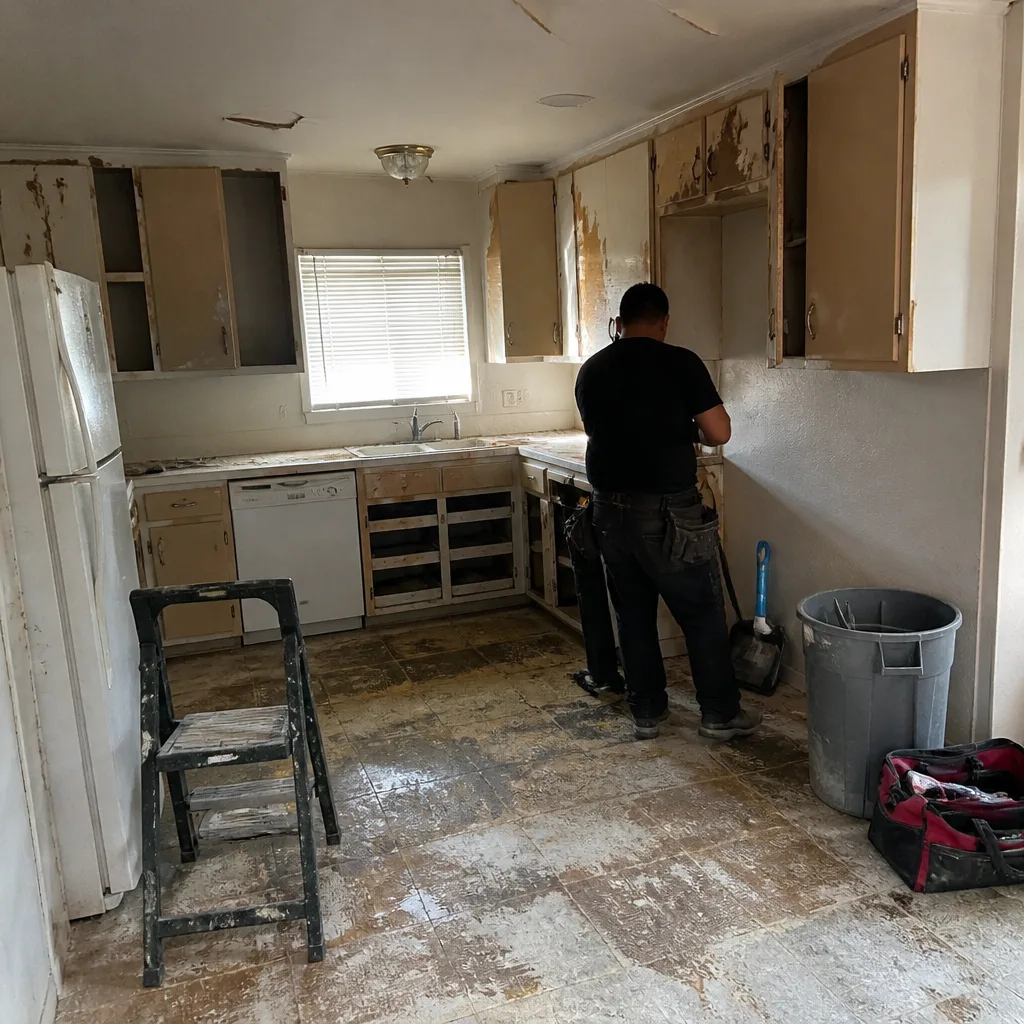
See the difference
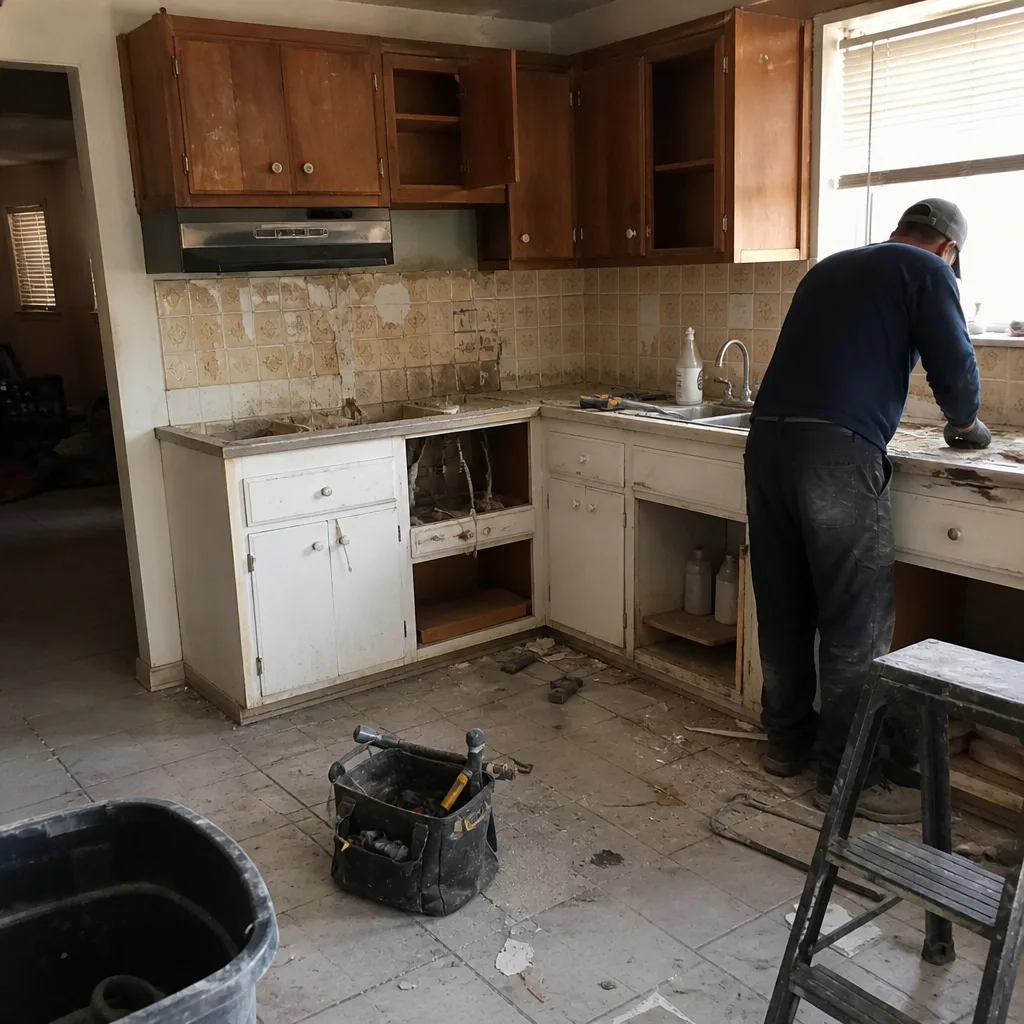 Before
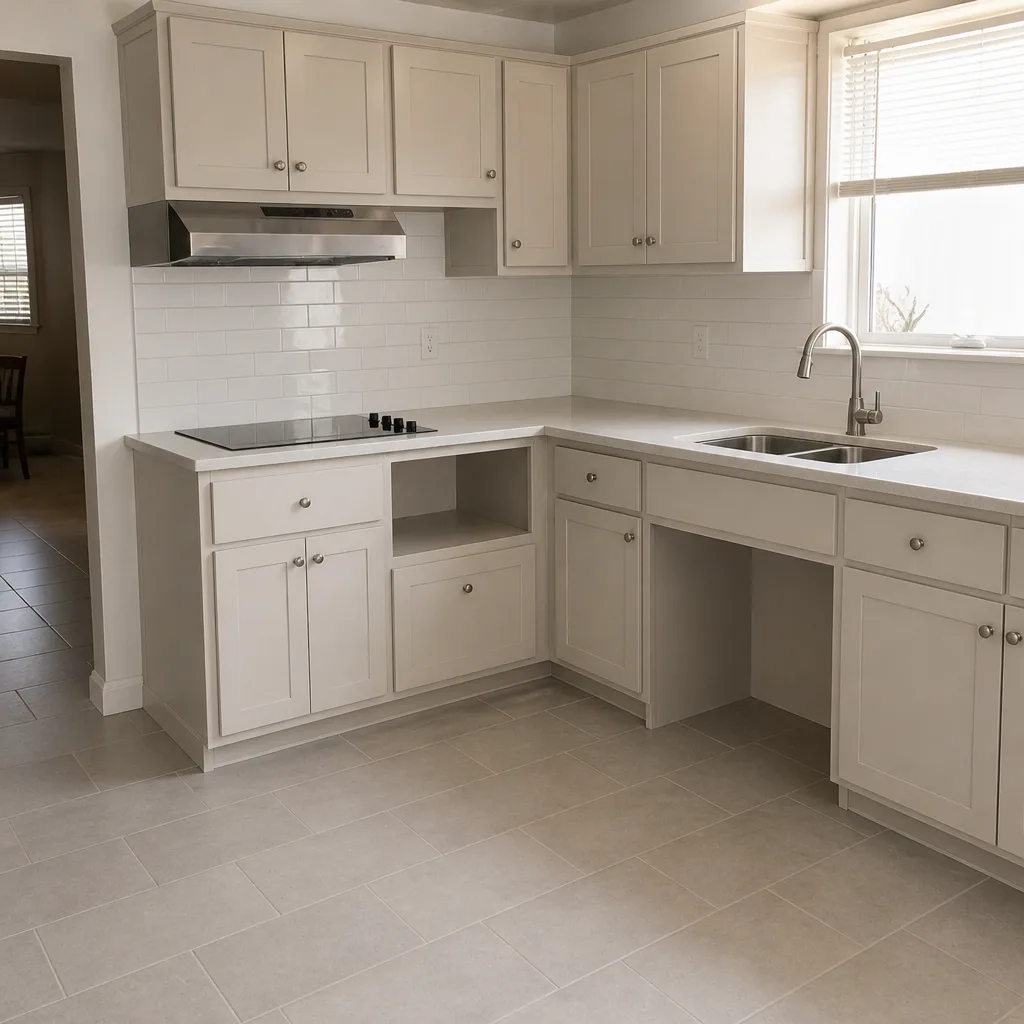 After
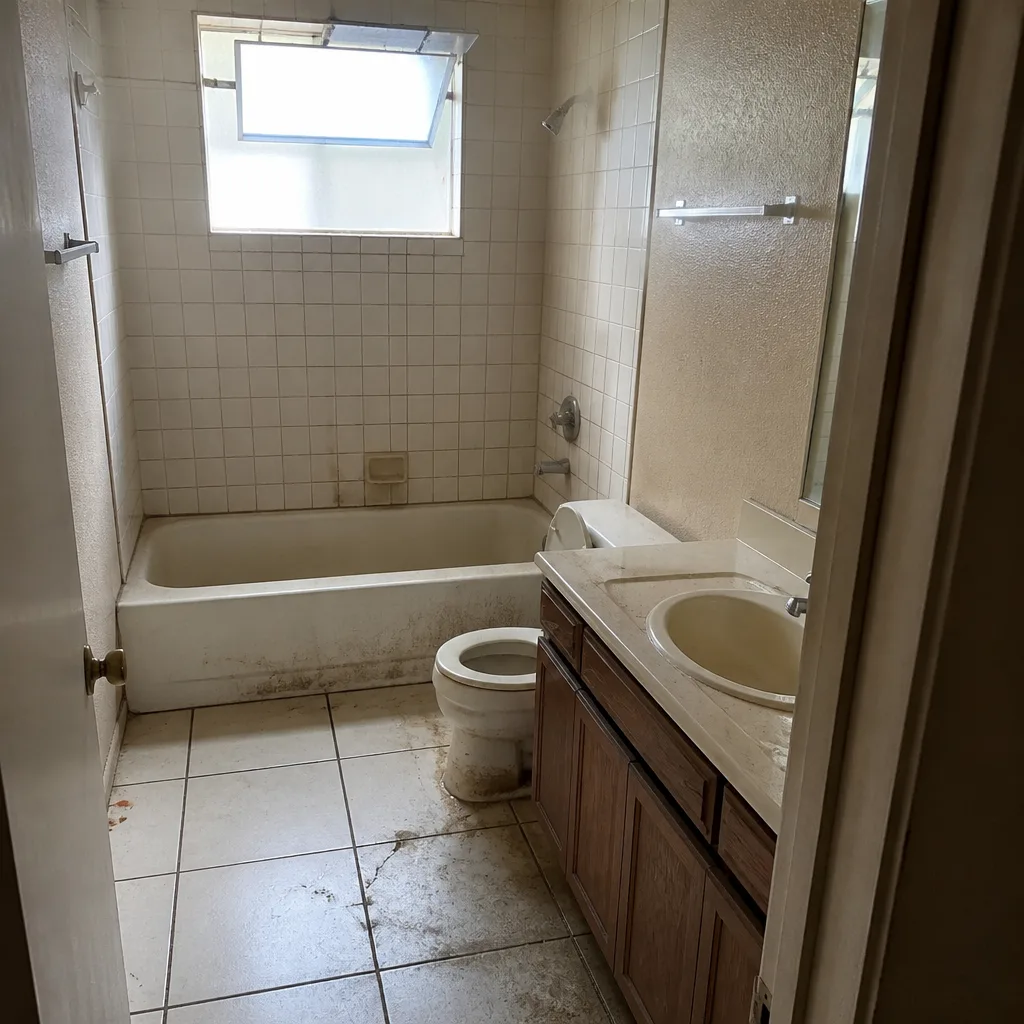 Before
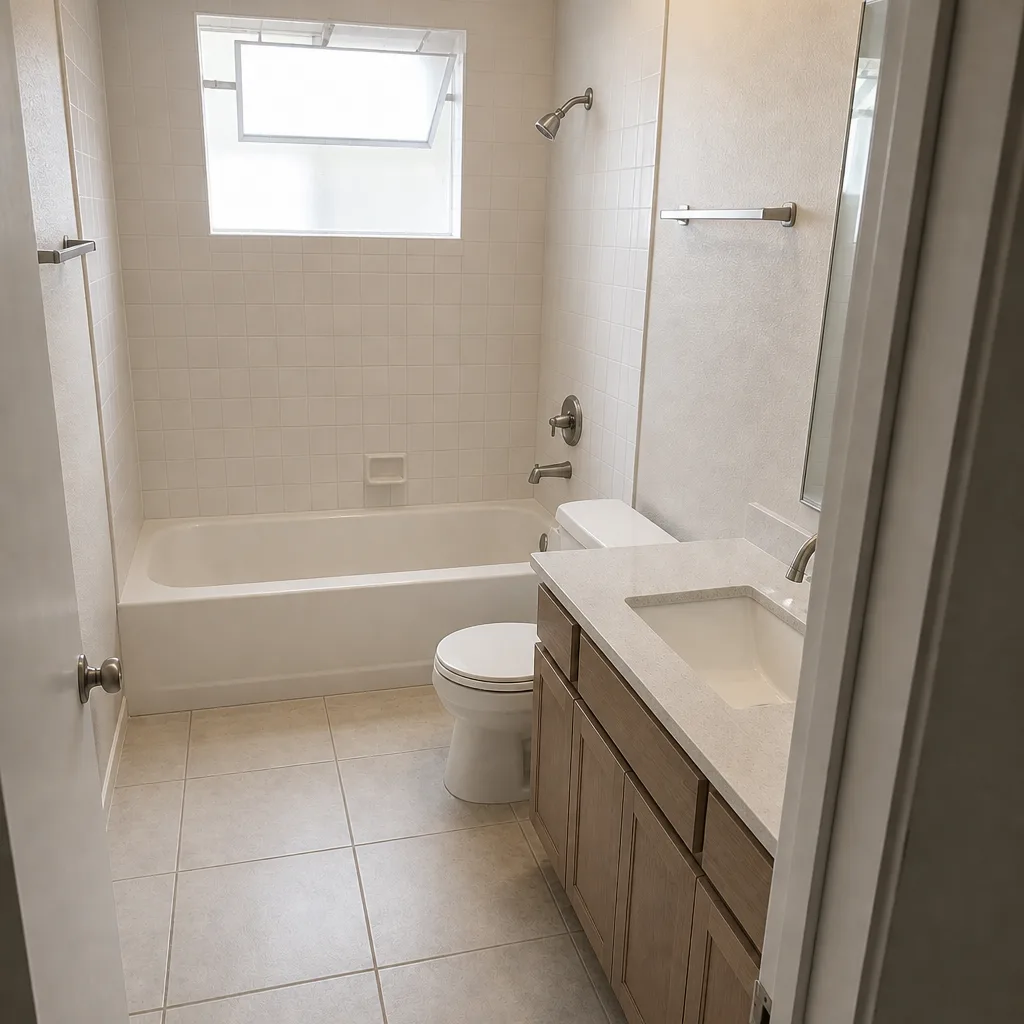 After
 Before
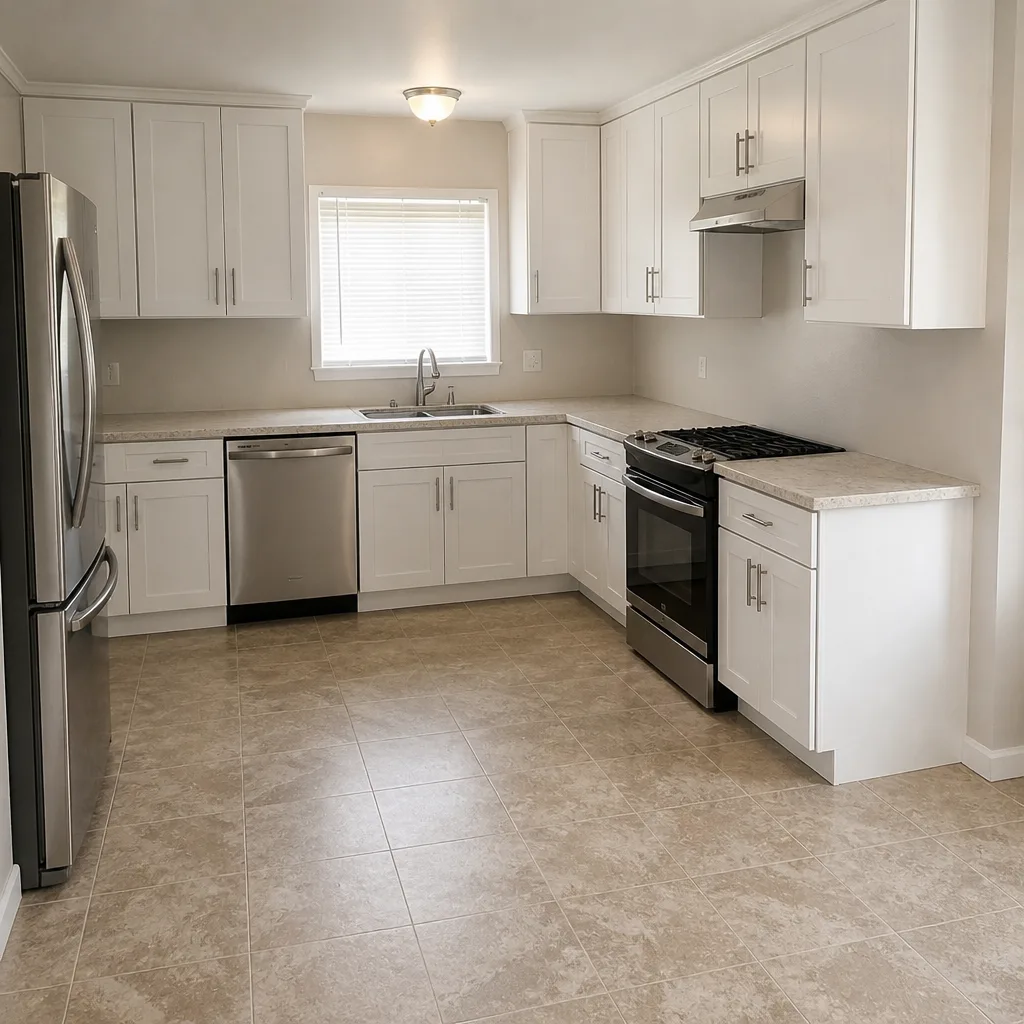 After
When to Call a Professional
Call a licensed contractor immediately when a storm has damaged an active site, when a crew has stopped showing up mid-project, or when a roof or exterior opening is exposed and a monsoon is in the forecast. Same-day triage matters more in these cases than a perfect plan, because water and wind don’t wait for a convenient appointment. If you’re in the middle of a dispute with your current contractor, a written recovery estimate from a second licensed contractor gives you a real number to work from, and that number matters for insurance claims and complaint filings.
Mason Remodeling Co Las Vegas offers free estimates in Las Vegas. Call (844) 797-1112. You’ll reach a live person any hour of the day or night, and every crew member is background-checked, identity-verified, and introduced to you by name and photo before the visit. We put the price in writing before any work starts, and every completed project carries a written guarantee with terms stated plainly.
Frequently Asked Questions

Send a written notice by email and text the same day, photograph the entire site with dated images, and secure the structure against weather and theft. Then verify the contractor’s license with the Nevada State Contractors Board and get a written recovery estimate from another licensed Las Vegas contractor. Documentation in the first 24 hours is what gives you leverage later. Call (844) 797-1112 for a free recovery estimate.
Emergency tarping and site securing in Las Vegas typically runs $400 to $1,800 depending on the roof area and how many openings need covering, and a full post-storm assessment with a written recovery estimate usually starts around $250 to $600 and is often credited toward the repair. Costs climb fast if the water reached framing or interior finishes. Get the estimate in writing before anyone starts. Call (844) 797-1112 for an exact quote, and estimates are free.
Not if you get a written price before work begins. Recovery work on a storm-damaged or abandoned site can uncover hidden damage, and any honest contractor will pause and issue a written change order before doing anything beyond the original scope. You should never see a surprise invoice. At Mason Remodeling, the written price comes before any tool is unpacked, and any added work gets its own written scope before it proceeds. Call (844) 797-1112 to schedule a free estimate.
Filing with the Nevada State Contractors Board is usually the smarter first move because it’s free, it creates a formal record, and it puts the contractor’s license at risk, which is real leverage. The Board can investigate and take action against the license, but it doesn’t award you money directly, so a civil claim may still be needed for actual damages. A well-documented complaint file strengthens any later civil action. Call (844) 797-1112 for a written recovery estimate to support your complaint.
Realistically, a Nevada State Contractors Board complaint takes a few weeks to a few months depending on caseload and how responsive the contractor is. A civil claim runs longer, often six months to a year, and mediation is usually faster than court. The important thing is to start the clock in the first week, because delay weakens both the complaint and the leverage. Call (844) 797-1112 to get your recovery estimate in motion while the complaint proceeds.
Not without written notice and legal advice. Hiring a replacement on a live site while the original contract is technically still in force can complicate your position. The safer sequence is: written notice, reasonable cure period, documented termination, then a new contractor with a written recovery scope. If the site is exposed to weather, emergency protective work is different from completing the job. Call (844) 797-1112 to talk through the sequencing and get a free estimate.
The Bottom Line
Las Vegas construction emergencies are not floods on the news. They’re the 40-minute monsoon that catches your site with the roof open, the crew that stops showing up when the housing market gets hot, and the contract that turns out to have no clause to enforce. The defense is the same in every case: a written scope and a written price before work starts, a payment schedule tied to completed work, permits pulled and inspections passed, and dated documentation the whole way through. If a storm hits or a contractor walks, act in the first 24 hours. Secure the site, photograph everything, notify in writing, and get a licensed contractor out to give you a written recovery estimate. Protection written down is worth more than any promise made verbally. If you’re in the middle of it right now, call Mason Remodeling Co Las Vegas at (844) 797-1112 for a free estimate.
Written by the team at Mason Remodeling Co Las Vegas.