
Last updated November 18, 2026








Free written scope consultation - allowances, timeline, and change-order rules on paper before a single trade is scheduled
General Contractor Troubleshooting: Common Problems and How to Fix Them
The number-one reason homeowners end up in contractor disputes isn’t fraud. It’s a change order that was discussed verbally, never written down, and remembered differently by both sides. One person heard “we’ll move the outlet, no problem.” The other heard “that’s extra.” Six weeks later, that gap is a hole in the budget and a standoff on the job site. In our experience across Las Vegas remodels, the projects that go wrong almost always showed warning signs early – a text left unanswered, a schedule that quietly slipped, a question dodged. This guide shows you how to read those signals, build a paper trail that protects you, and act before a manageable problem turns into a legal one.
Quick Answer
If a general contractor problem is brewing, do three things immediately: put every concern in writing (text or email, dated), photograph the work and any damage, and send a written notice of the issue to your contractor’s business address. In Nevada, you generally must give your licensed contractor a written opportunity to correct the problem before you can legally terminate the contract or withhold payment. Keep every conversation documented from day one, because timing and records are what settle disputes – not who was loudest.
Styles & brands we work with
- Kitchen remodeling
- Bathroom remodeling
- Home additions & ADU
- Roofing
- Windows & doors
- Driveway & pavers
- Fence
Table of Contents
- How to Tell a Normal Delay From an Overextended Contractor
- The Paper Trail to Start the Moment You Sense a Problem
- What Nevada Law Requires Before You Withhold Payment or Terminate
- When a Subcontractor Shows Up Demanding Payment
- Nevada State Contractors Board vs. a Construction Attorney
- Change Orders and Scope Creep: Stopping the Slide
- The Final Walkthrough: Catching Problems Before You Pay
How to Tell a Normal Delay From an Overextended Contractor
Every remodel hits delays. Cabinets ship late, a permit inspection gets rescheduled, monsoon-season humidity slows drying times in a Las Vegas summer. A normal delay comes with a reason, a new date, and a plan. What worries us is the delay with none of those attached – the “we’ll get to it” that never gets to it. In our experience, that’s the first real signal that a contractor has more jobs open than crews to run them.
Here’s how to tell the difference:
- A normal delay has a named cause you can verify: a late material delivery, a failed inspection that’s being corrected, a supply issue you can look up. The contractor tells you the cause without being asked, and gives you a new date.
- An overextended contractor goes quiet. Your crew vanishes to another site, your calls go to voicemail, and when you do reach someone, the answer is vague. “Next week” becomes a permanent answer.
- The tell is pattern. One missed date is normal. Three missed promises in a row, with no written explanation, is a pattern.
- Watch the crew churn. If the people on your job change every few days and nobody seems to know the plan, the contractor is spreading people thin.
When we run a project in Las Vegas, the schedule talks back to you – milestones get hit because someone is managing them. If the schedule never talks back, ask your contractor in writing for a current status, the cause of the delay, and a written date they’re committing to. What comes back – a real answer or more silence – tells you a lot.
The Paper Trail to Start the Moment You Sense a Problem
The moment something feels off, start building the record. This isn’t about being adversarial. It’s about making sure the facts don’t live only in two memories that won’t agree later. A paper trail you started early carries far more weight than one assembled after a fight breaks out.
Do this in order:
- Document the current state. Date-stamped photos of every affected area – the wall that’s framed wrong, the water spot, the incomplete tiling. Take wide shots and close-ups.
- Put it in writing, dated. Send an email or text to your contractor’s official business contact stating the issue, what you want corrected, and a reasonable deadline. Keep it factual. No accusations, just what you see.
- Save every conversation. Screenshot texts, save voicemails, and follow up any phone call with a short written recap: “Confirming what we discussed today – you’ll have the tile corrected by Friday.”
- Log your payment history. Every invoice, every check, every deposit with a date. Payment records are the backbone of any dispute.
- Keep the signed contract and all change orders in one folder, physical and digital. Read them again now – what they promise is your leverage.
Why timing matters: Nevada’s rules on correction and cure notices are tied to when you formally raise a problem. If you wait until you’re furious to send the first written notice, you’ve lost weeks and weakened your position. A calm, dated note sent early costs nothing and changes everything about how the dispute plays out.
What Nevada Law Requires Before You Withhold Payment or Terminate
This is where homeowners get hurt. You can’t simply stop paying or fire your contractor the day you’re unhappy. Nevada law generally requires you to give a licensed contractor written notice of the defect and a reasonable opportunity to correct it before you can terminate the contract or withhold payment on that basis. Skip that step and you can go from being the wronged party to the one in breach.
The practical sequence looks like this:
- Identify the specific defect in writing. “The master bath shower is leaking under the curb” – not “the bathroom is bad.” Specificity is what makes a notice count.
- Give a clear, reasonable deadline to correct it. Reasonable depends on the scope; a leaking shower may warrant days, not weeks.
- Send it to the address on your contract or the contractor’s license record, and keep proof you sent it.
- Wait for the response. A contractor acting in good faith responds with a correction plan. Silence or refusal is itself part of your record.
- Only then consider withholding or termination, and understand that any money you withhold should be tied to the documented defect, not the whole project.
This isn’t legal advice, and the exact requirements can shift with contract terms and project type. If real money or a real safety issue is on the line, a Nevada construction attorney is worth a short consultation. What we can tell you as builders: the contractor who gets a clear written notice usually fixes the problem, because a caught defect is far cheaper for everyone than a dispute.
When a Subcontractor Shows Up Demanding Payment Your GC Already Covered
It’s a stomach-dropping moment: a subcontractor knocks on your door and says the general contractor never paid them, and now they want their money from you. Don’t panic, and don’t pay on the spot. What’s happening is a mechanic’s lien risk – the right of a party who improved your property to claim against it if they weren’t paid. That’s serious, but it’s also manageable if you handle it right.
Do this:
- Get it in writing. Ask the subcontractor for their company name, what they were contracted to do, the amount owed, and who at your GC hired them. Write down the date they showed up.
- Don’t pay twice. If you already paid your general contractor for that work, paying the sub directly doesn’t automatically cancel the lien risk. You need the right procedure, not a second check.
- Contact your GC immediately, in writing, and ask for proof of payment to that subcontractor, including a signed lien waiver. Insist on lien waivers as part of your payment process going forward.
- Ask for preliminary lien notices. In Nevada, parties who may claim a lien typically send a preliminary notice. Keep every one you receive – they tell you who’s working on your home and who to watch for.
- Get advice if a lien is recorded. A recorded lien against your property is attorney territory. Act quickly; deadlines apply.
In our experience in Las Vegas, this problem almost always traces back to a GC who spread payments too thin across too many jobs. The fix is documentation and speed – get the paper trail corrected before any lien gets recorded.
Nevada State Contractors Board vs. a Construction Attorney
Homeowners often ask us where to take a complaint. The honest answer: it depends on what you’re trying to accomplish. The Nevada State Contractors Board (NSCCB) is the licensing and enforcement body for contractors in this state. A construction attorney is your advocate in a dispute. You may end up using both, but knowing which to reach for first saves time.
Call the Nevada State Contractors Board when:
- Your contractor is unlicensed, or their license is suspended, expired, or doesn’t cover the work being done.
- You want the state to investigate a licensing or workmanship complaint against a licensed contractor.
- You’re checking a contractor’s record before hiring – always do this before signing anything.
- You want to file a formal complaint as part of your paper trail, which can support later legal action.
Go straight to a construction attorney when:
- A mechanic’s lien has been recorded against your home, or one is threatened with a deadline.
- The dollar amount is large enough that a court case is realistic (think five figures and up).
- You’re facing a contract with arbitration clauses, indemnity language, or other terms you don’t understand.
- You’ve given written notice, the contractor failed to cure, and you need to terminate and recover money.
Filing with the NSCCB is often free and can pressure a licensed contractor to respond. An attorney is the right move when money, your title, or your property’s legal standing is at stake. If you’re unsure, start with the board – then lawyer up if the problem has teeth.
Change Orders and Scope Creep: Stopping the Slide
Remember the opening: most disputes start with a change discussed verbally and never written down. Change orders are the front door to trouble. A change order is simply a written agreement – signed by both of you – that states what changed, why, and what it costs before the work happens. No signature, no work. That’s the rule that protects everybody.
When a contractor tells you they need to “just add a little” or “move this over here, no big deal,” stop and say: “Great – put it in a change order and I’ll approve it.” A professional will respect that, because they want the same protection. In our experience, the pros write the change order before the tool comes out. A written price before any work starts is our standard on every project, and it’s the standard you should demand on every job.
Watch for scope creep in warning signs:
- Work happening that you never agreed to, then an invoice for it afterward.
- Verbal estimates that “grew” between the walkthrough and the bill.
- Pressure to approve extra work on the spot, with no paperwork.
- A pattern of small adds across a long kitchen or bathroom remodel that, tallied, run into real money.
Las Vegas kitchens and baths are where we see change orders crop up most, usually cabinet and countertop swaps. It’s fine to change your mind. It’s not fine to do it without a written price. One written change order per change keeps the whole project honest.
The Final Walkthrough: Catching Problems Before You Pay
The final walkthrough is your last clean chance to catch problems before the final payment leaves your hand. Treat it as an inspection, not a formality. In our experience, homeowners who walk their job carefully – and put findings in writing – head off nine out of ten of the disputes we get called about.
Walk the project room by room with the contract in hand. Check against every line item: is each task finished, installed, and working as specified? Open and close every door and drawer. Run the water. Test the outlets. Look closely at edges where tile meets flooring – the ceiling line, the cabinet seams. Take photos of anything unfinished or wrong. Then before you sign anything or release final payment, put your punch list in writing and get the contractor to acknowledge it. Agree on dates to complete the items, and hold back a portion of payment if your contract allows it until they’re done.
The best time to catch a problem is at this walkthrough, not six months later. And if you’re hiring a contractor for a whole-home remodel, the walkthrough discipline matters even more.
Common Mistakes to Avoid
- Relying on verbal agreements. “We’ll take care of it” means nothing the moment memories diverge. If it’s not written and dated, assume it won’t survive a dispute.
- Withholding payment without written notice. In Nevada, that can flip who’s in breach. Send a specific written cure notice first, then act.
- Paying the subcontractor directly without a lien waiver. Double-paying is the fastest way to turn a small problem into a claim against your home.
- Ignoring red flags on crew churn. A set of unfamiliar faces cycling through a Las Vegas job site with no one in charge is a sign the GC is overextended.
- Waiting until the deadline to complain. Every day you delay written notice weakens your position. Early documentation is nearly free; late cleanup is expensive.
- Hiring without checking the NSCCB license record. One lookup tells you whether your contractor is licensed and in good standing before you hand over a deposit.
- Accepting a verbal estimate where a written price belongs. Verbal numbers grow. A written price before any work starts is the baseline, not a bonus.
See the difference
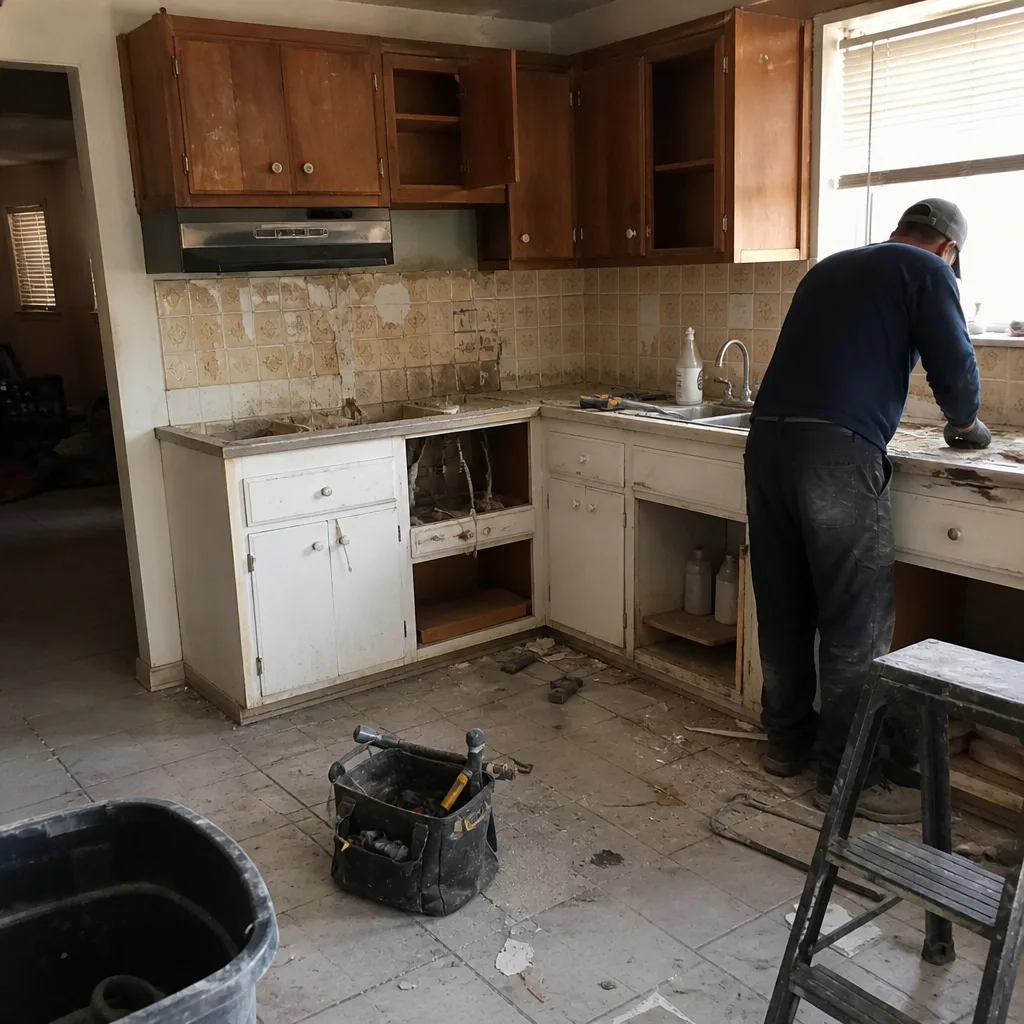 Before
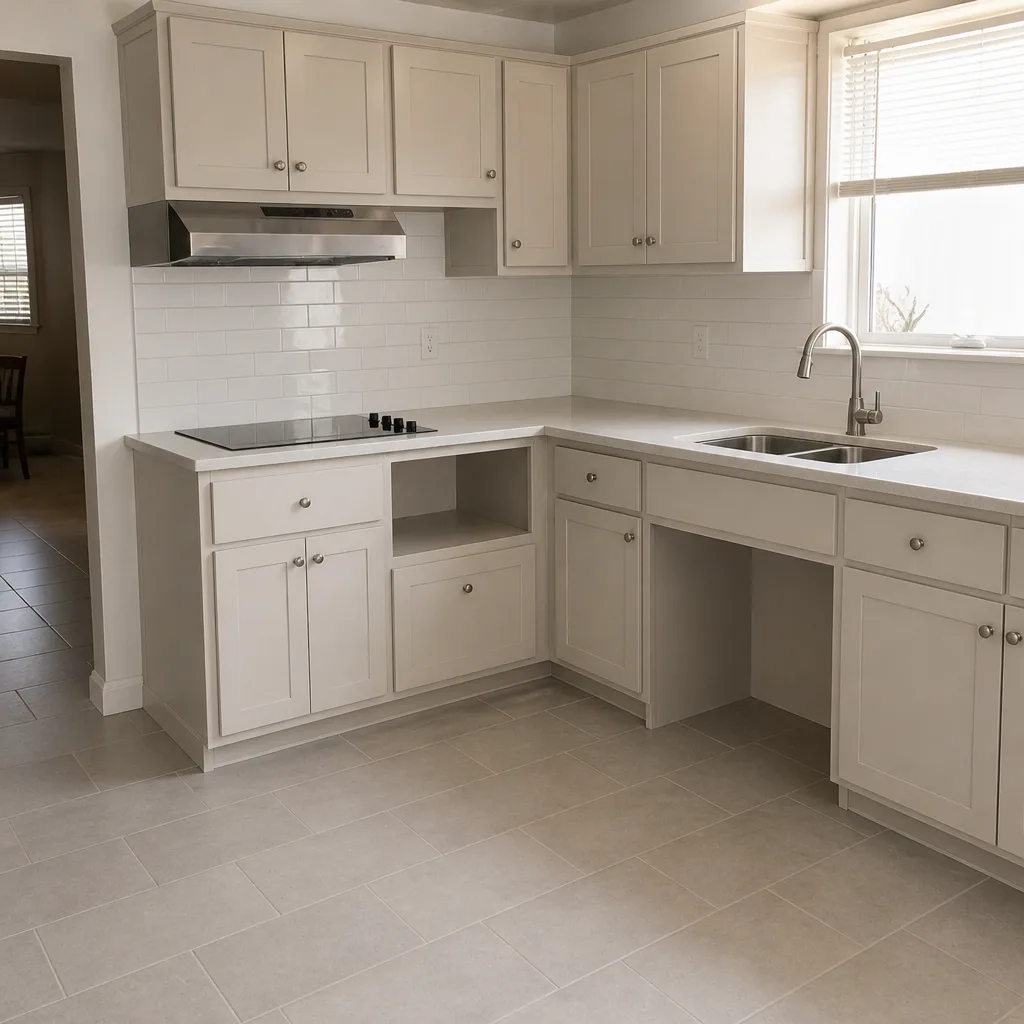 After
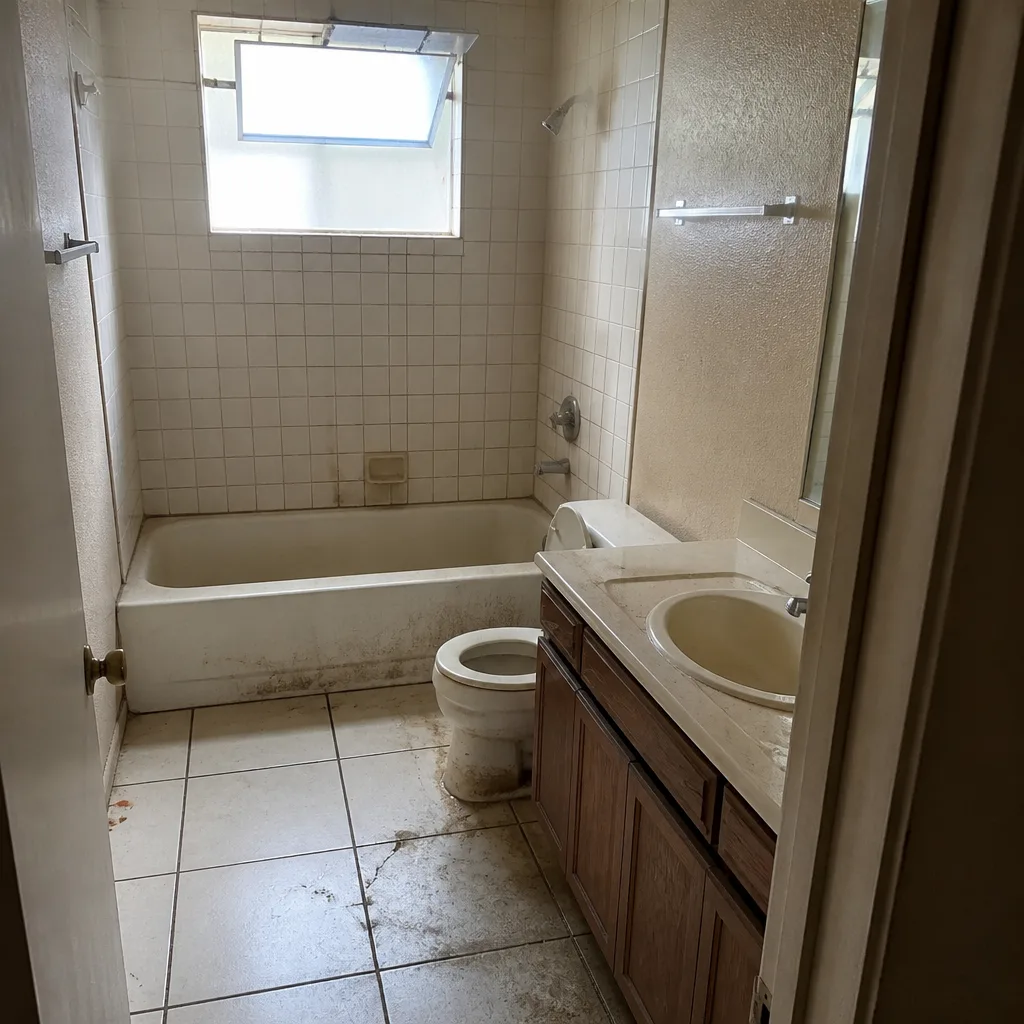 Before
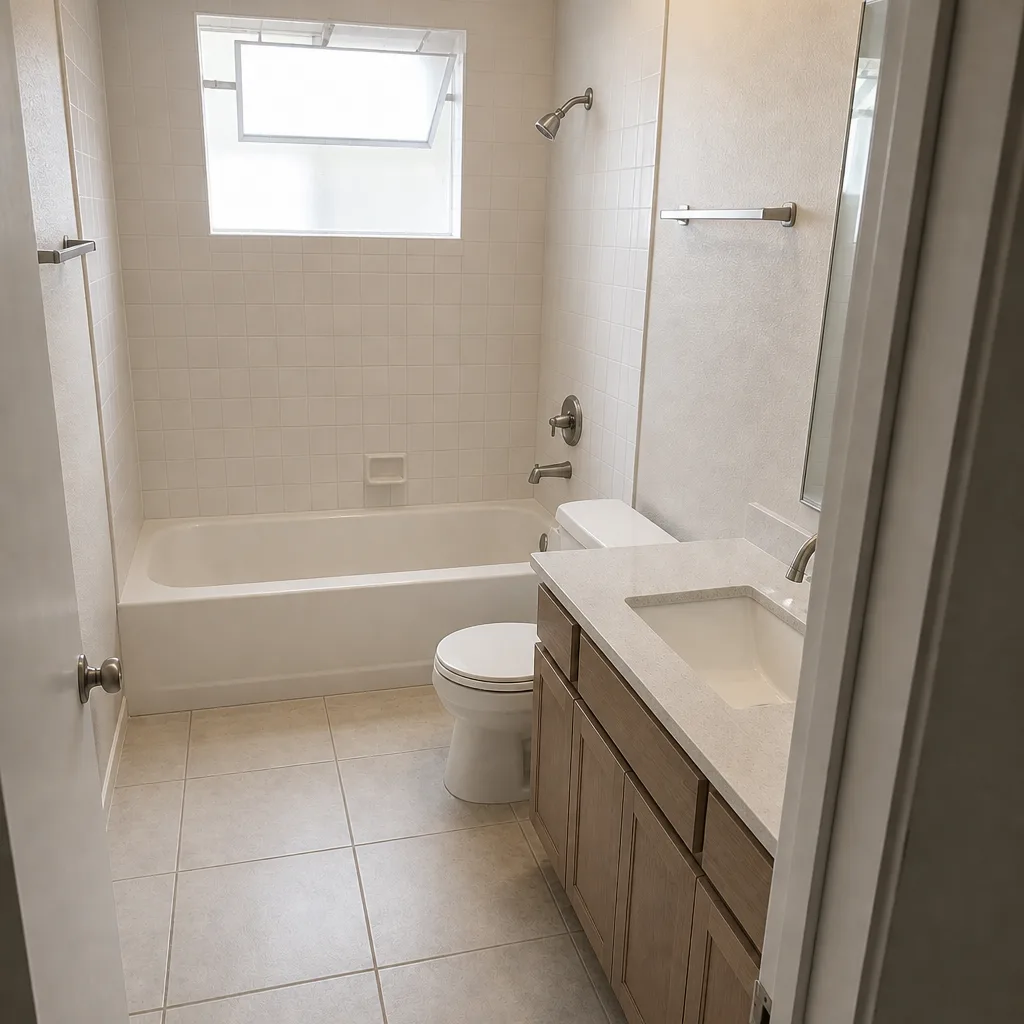 After
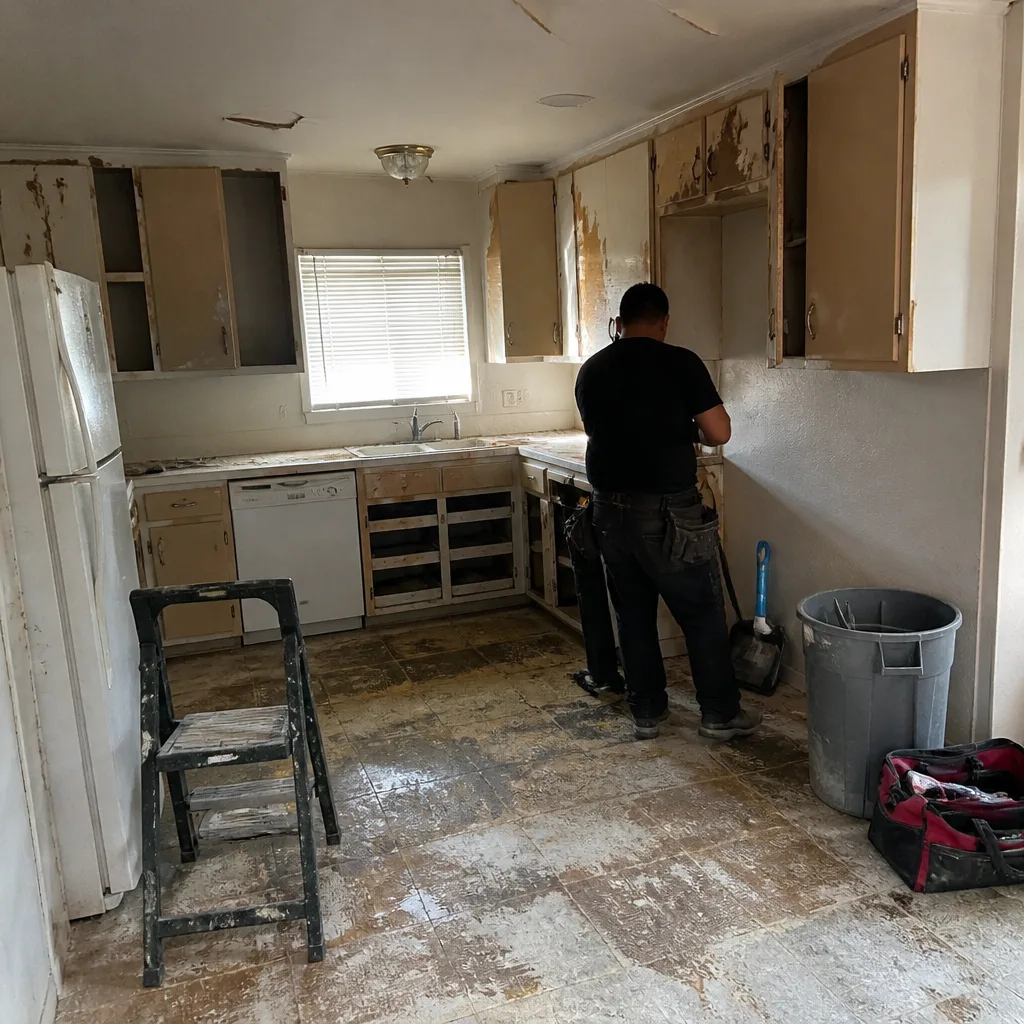 Before
 After
When to Call a Professional
Some problems you can solve with a written notice and a patient conversation. Others need a professional at your door. Call in a licensed general contractor when work is unsafe (exposed wiring, a structural concern, water where it shouldn’t be), when the scope has grown beyond your comfort, or when the current contractor’s work needs an honest assessment. If you’re planning a new project or picking up a stalled one, you want a crew you can name and a price in writing. Mason Remodeling Co Las Vegas offers free estimates in Las Vegas and a written price before any work begins – call (844) 797-1112. For the core service, see General Contractor in Las Vegas.
Frequently Asked Questions

Put the problem in writing the same day and send it to your contractor’s business contact. State the defect specifically, what you want corrected, and a reasonable deadline, then keep dated photos and all messages. In Nevada, documented written notice early gives you the leverage a phone complaint never does. Call (844) 797-1112 if you want a free estimate from a licensed Las Vegas contractor while you sort things out.
You can terminate, but not before you’ve generally given written notice of the defect and a reasonable chance to cure. Terminating without that step can make you the party in breach. Send the notice, document everything, and consult a construction attorney before you pull the plug on a large project. For a clean start on a stalled job, call (844) 797-1112 for a free Las Vegas estimate.
A mechanic’s lien is a claim against your property by someone who improved it and wasn’t paid. If a subcontractor shows up, don’t pay on the spot – get their details in writing and contact your GC for proof of payment and a lien waiver. Act quickly, since lien deadlines are short. Call (844) 797-1112 for a free estimate on a project done with proper lien waivers.
Normal delays come with a named cause, a new date, and a plan. Warning signs are silence, missing crews, and three missed dates in a row with no written explanation. A contractor overextended across too many Las Vegas jobs almost always goes quiet first. If you need a project run on a schedule you can track, call (844) 797-1112 for a free estimate.
Start with the NSCCB if the issue is licensing or a workmanship complaint against a licensed contractor – it’s free and can add real pressure. Hire a construction attorney if a lien is recorded, the money is large, or you’re terminating the contract. Call (844) 797-1112 for a free estimate with a crew that’s licensed, insured, and backed by a written guarantee.
Yes, on every change, no matter how small. Most disputes start with a verbal change remembered differently by both sides, and a written change order with a signed price prevents that entirely. One signature per change keeps the whole project honest. Call (844) 797-1112 for a free estimate with a written price before any work starts.
The Bottom Line
Most contractor problems don’t start with bad work – they start with communication that broke down before anyone noticed. The fix is a handful of habits: get every change in writing, start a dated paper trail the moment something feels off, give written notice before you withhold payment or terminate, and know the difference between the Nevada State Contractors Board and a construction attorney. Pick your remodeler the same way: verify who’s coming, demand a written price before work begins, and make sure the guarantee is in writing. That approach is why we do it the same way on every Las Vegas project.
Planning a remodel or picking up a stalled one? Call Mason Remodeling Co Las Vegas at (844) 797-1112 for a free estimate. A written price comes before any work starts, every crew member is verified through The Threshold Standard from Mason Remodeling Co Las Vegas, and every project is covered by the 365-Day Done Right Promise. Explore our Kitchen Remodeling in Las Vegas and Bathroom Remodeling in Las Vegas services, or call to talk through your project with a live person, any hour.
Written by the team at Mason Remodeling Co Las Vegas.