Last updated November 18, 2026

Free written scope consultation - allowances, timeline, and change-order rules on paper before a single trade is scheduled
Construction Cost Breakdown: The Las Vegas Homeowner’s Reference for 2026
The national average for a kitchen remodel is $27,000. In Las Vegas, the same scope of work runs $34,000 – $52,000 once you factor in local labor rates, cooling-rated ventilation, and Clark County fees. That gap is not contractor mark-up. It is the real cost of building in the desert Southwest in 2026, and most national cost guides simply do not account for it. This reference breaks down what remodeling actually costs in Las Vegas by project type, line by line, so you can read a bid and know what you are looking at before you sign anything.
Quick Answer
Remodeling in Las Vegas in 2026 typically runs $34,000 – $52,000 for a mid-range kitchen, $18,000 – $32,000 for a full bathroom, and $95,000 – $180,000 for a room addition, depending on scope and finishes. Those ranges are higher than national averages because of Clark County permit and inspection fees, heat-rated materials and equipment, and a labor market that commands a premium. A properly structured bid lists materials, labor, permits, and disposal as separate line items – not as one lump sum.
Styles & brands we work with
- Kitchen remodeling
- Bathroom remodeling
- Home additions & ADU
- Roofing
- Windows & doors
- Driveway & pavers
- Fence
Table of Contents
- Why Las Vegas Costs More Than the National Average
- Kitchen Remodel Costs in Las Vegas
- Bathroom Remodel Costs in Las Vegas
- Room Addition Costs in Las Vegas
- What Clark County Permits and Plan Check Really Cost
- Why Your Remodel Budget Needs a 15% Contingency
- How to Read a Contractor Bid
Why Las Vegas Costs More Than the National Average
Three forces push construction costs up in Las Vegas compared with what you read in national cost guides. Understanding them explains why a bid that seems high may actually be accurate.
The first is labor. Southern Nevada’s construction labor market runs on a mix of union and non-union crews, and both command a premium over rural and mid-size markets. Skilled trades – tile setters, electricians, finish carpenters – are in steady demand across the valley, and a qualified crew’s daily rate reflects that. The valley’s ongoing development in neighborhoods like Summerlin and the southwest pushes demand further.
The second is climate-driven material upgrades. Las Vegas regularly sees summer temperatures above 110°F, and products installed here have to survive that. That means heat-rated exterior sealants, UV-stable roofing underlayment, and cooling-rated ventilation systems that meet attic and kitchen requirements far more demanding than in a temperate market.
The third is delivery. Materials shipped into the desert Southwest often carry a freight surcharge compared with coastal or central markets. Cabinetry, countertops, and appliances all pass that cost along. In our experience, these three factors together are why a kitchen that prices at $27,000 nationally lands well above $34,000 in Las Vegas.
Kitchen Remodel Costs in Las Vegas – Line-by-Line
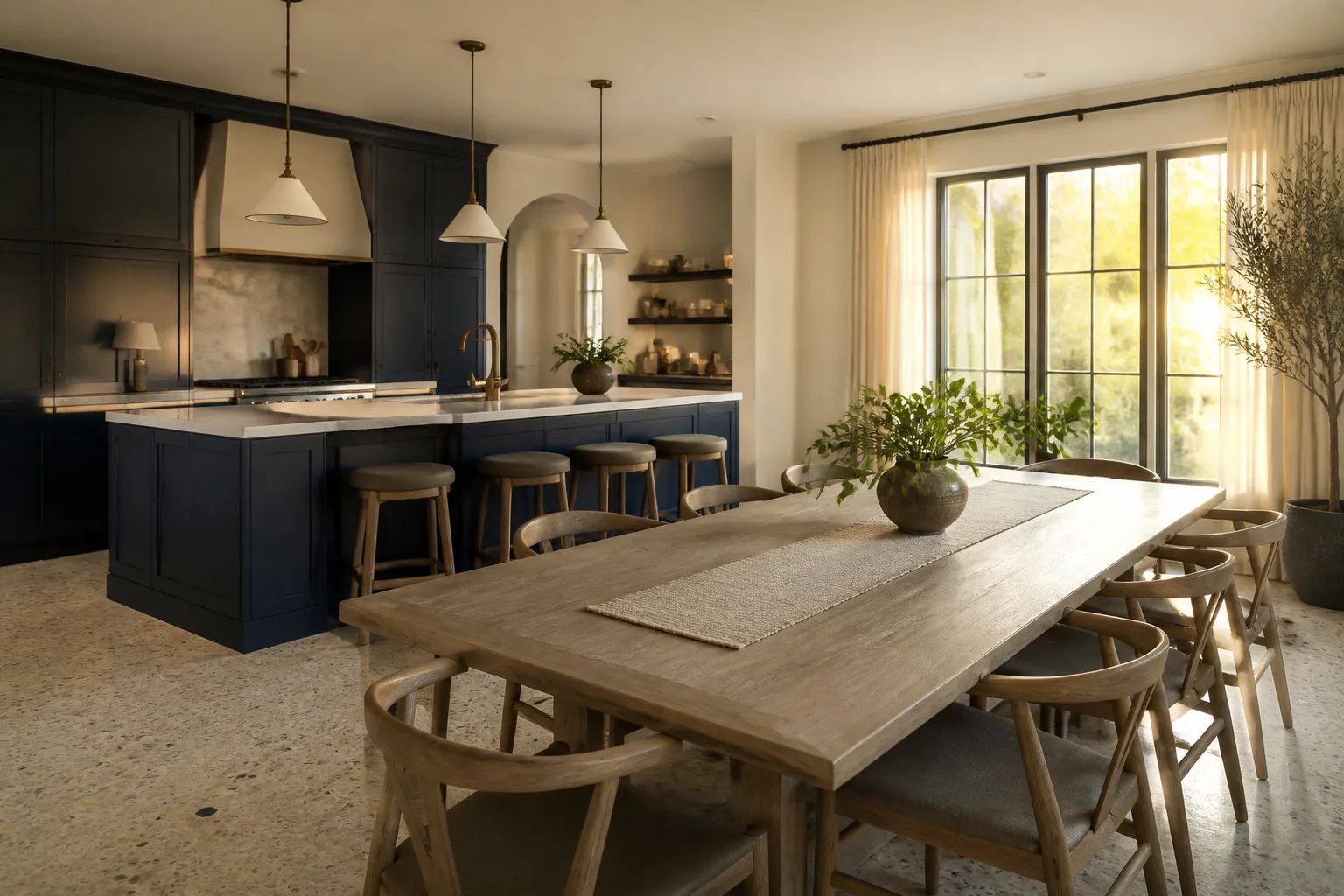
A kitchen remodel breaks into line items that move the total in very different ways. Here is how those items price in Las Vegas in 2026, from low to high range.
- Cabinetry: $6,500 – $18,000. Stock options sit low; semi-custom cabinetry from brands like KraftMaid or Wellborn sits mid to high.
- Countertops with fabrication and install: $3,200 – $9,500. Quartz surfaces from Cambria, Silestone, or Caesarstone run mid-range; natural stone pushes high.
- Appliances: $2,800 – $9,000, depending on whether you stay entry-level or move to professional-style ranges.
- Plumbing fixtures and kitchen plumbing: $1,400 – $4,200. Kohler, Moen, and Grohe fixtures sit across that range.
- Electrical and lighting: $1,500 – $4,000, including under-cabinet and recessed lighting.
- Cooling-rated ventilation hood and venting: $600 – $2,200. This is not optional in Las Vegas – a kitchen without proper exhaust in a closed, cooled home traps heat and moisture.
- Flooring: $2,000 – $6,500 for tile or luxury vinyl across a typical kitchen footprint.
- Labor (the largest variable): $8,000 – $16,000 for tear-out and install across the items above.
- Permits and plan check: $500 – $1,600. See the permit section below for why this is not incidental.
Add those figures and a mid-range Las Vegas kitchen lands in the $34,000 – $52,000 band. Any national average that ignores the ventilation line and the Clark County fees will always come in low.
Bathroom Remodel Costs in Las Vegas
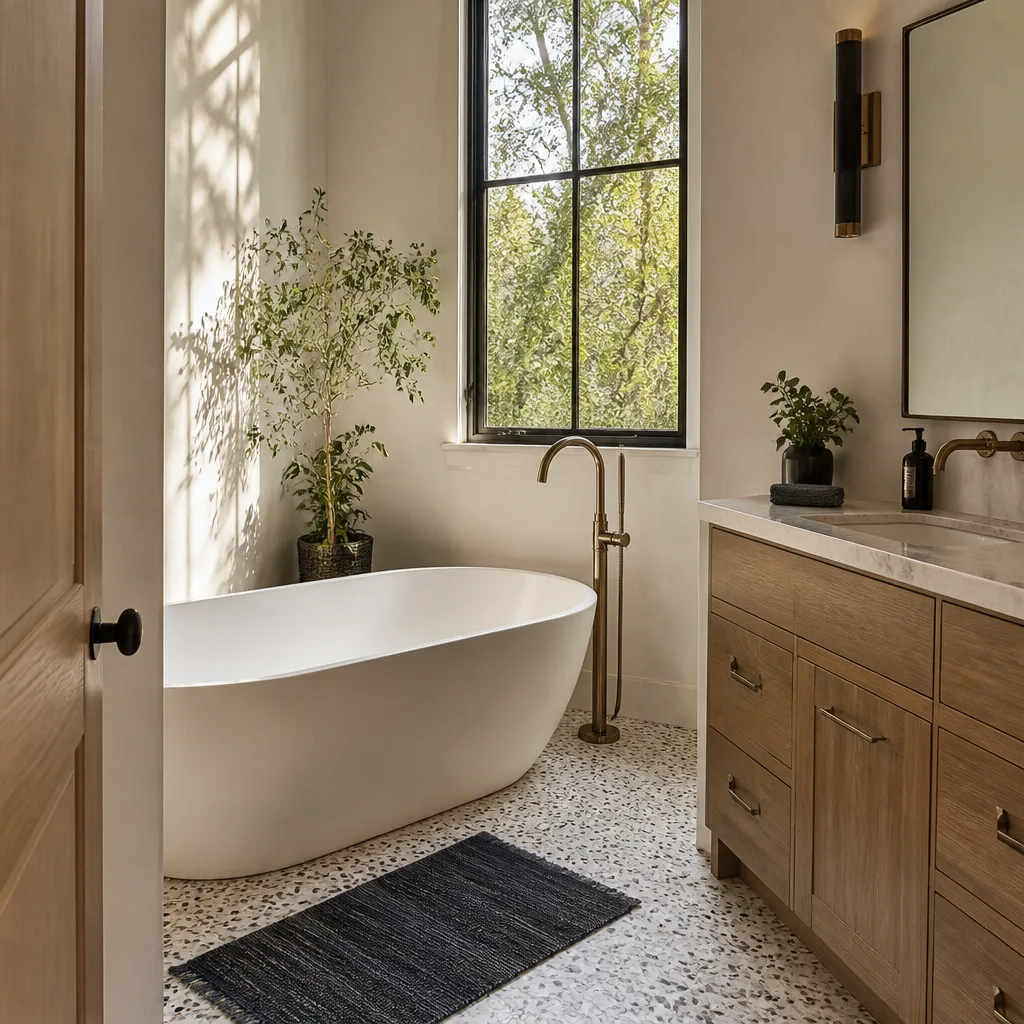
A full bathroom remodel in Las Vegas commonly runs $18,000 – $32,000. The line items that matter most here are waterproofing and fixtures.
- Waterproofing membrane and tile: $2,500 – $6,000. A properly waterproofed shower is not a place to cut corners – failing waterproofing is one of the most expensive problems to fix later.
- Schluter strip and trim: $150 – $500. That is the metal trim that seals the edge where tile meets flooring. Small line item, real function.
- Fixtures: $1,800 – $5,500 for a vanity, toilet, and shower or tub hardware from Kohler, Moen, or Toto.
- Plumbing rough-in and finish: $1,500 – $4,000. Moving a drain or supply line raises this significantly.
- Ventilation fan rated for moisture: $200 – $600. In a Las Vegas home that runs air conditioning most of the year, a properly vented bathroom fan is a moisture-control necessity.
- Flooring and lighting: $1,200 – $3,500.
- Labor: $5,000 – $10,000 for a full tear-out and rebuild.
Smaller powder room refreshes can land well below $18,000. A full gut of a primary bath with a curbless shower and custom tile can push past $32,000. For a deeper walkthrough of the tradeoffs, see our Bathroom Remodeling in Las Vegas page.
Room Addition Costs in Las Vegas
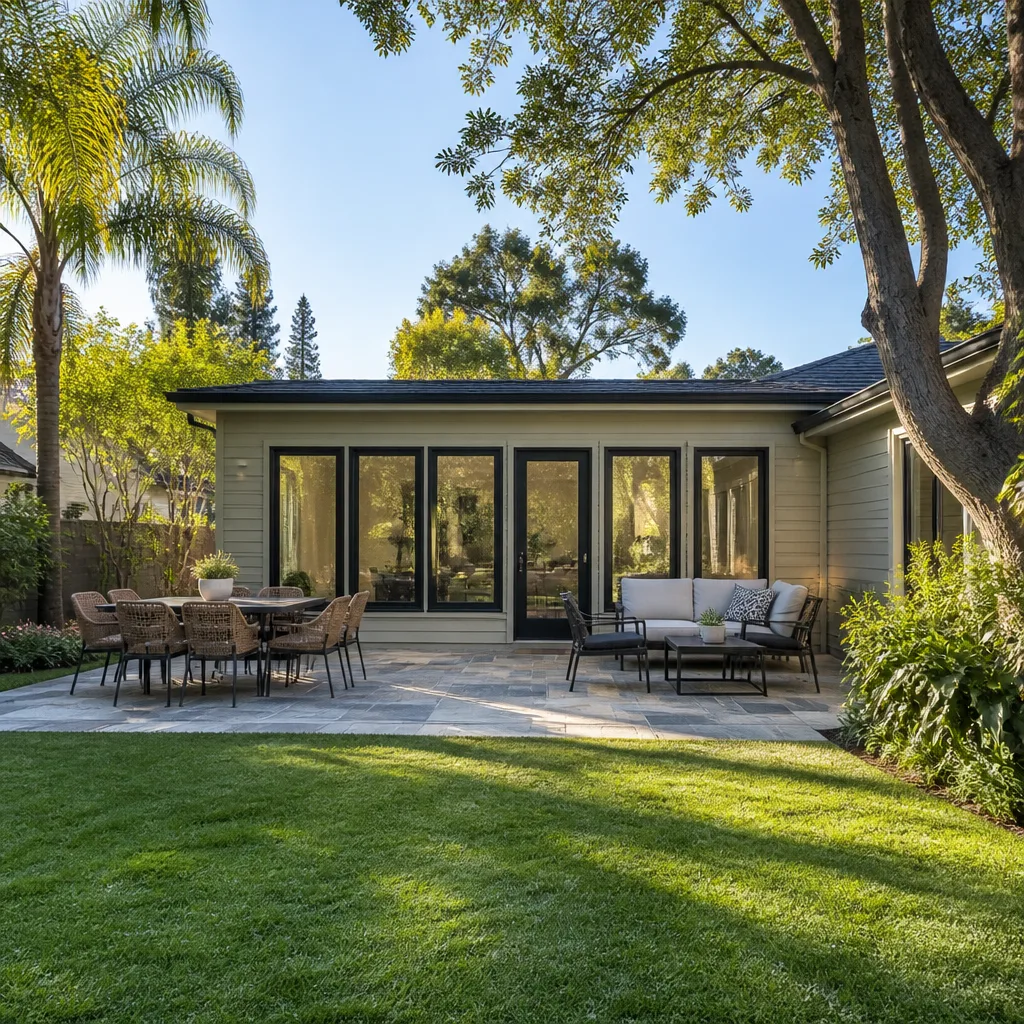
Room additions are the biggest-ticket item most homeowners ever price, and the range is wide: $95,000 – $180,000 for a typical addition. Cost is driven by square footage, foundation type, and how much of the addition needs new mechanical systems.
- Foundation and slab: $12,000 – $30,000. Las Vegas soil conditions and slab requirements vary by lot; that affects cost.
- Framing and structural: $25,000 – $55,000.
- Cooling and HVAC extension: $6,000 – $18,000. A new addition needs its own cooling load calculation – you cannot just tap into the existing system in most cases.
- Roofing: $8,000 – $16,000. Heat-rated underlayment and proper attic ventilation are standard here.
- Electrical, plumbing, and finishes: $30,000 – $55,000.
- Permits and plan check: $2,000 – $5,000.
A couple of builders in the prefab space, including Plant Prefab, offer modular approaches that can shorten the schedule on some additions, though the site work and utility connections still follow normal Clark County permitting. A general contractor can help you weigh stick-built against a panelized approach on a case-by-case basis. If you are weighing an addition against a remodel, our General Contractor in Las Vegas page walks through which choice tends to cost less for a given goal.
What Clark County Permits and Plan Check Really Cost
Permit fees are the most commonly buried line item in a contractor bid. In Clark County, permit, plan check, and inspection costs are real money and vary by project scope. For a typical residential remodel, budget $500 – $1,600; for an addition, $2,000 – $5,000. These are not optional, and a contractor who folds them into “miscellaneous” is hiding a number you have a right to see.
The permit process typically follows a predictable sequence:
- Plan submittal and plan check: your scope of work is reviewed against current building codes. Fees are assessed at submittal.
- Permit issuance: once plans are approved, the permit is issued and the work can legally begin.
- Inspections: the project is inspected at defined milestones – framing, rough electrical and plumbing, insulation, and final. Each inspection has a pass-or-correction outcome.
- Final inspection and certificate of completion: the project is closed out only after final sign-off.
A bid that leaves permits out and then adds them later is a bid that was never accurate. A written price should include the permit line from day one. On our projects, permit fees are listed separately and inspection milestones are scheduled into the project timeline. Our technicians have up to 22 years of experience navigating Clark County reviews, and that experience directly affects how cleanly a project moves through them.
Why Your Remodel Budget Needs a 15% Contingency
The old rule of thumb is to hold back 10% for surprises. In Las Vegas, plan for 15%. The extra five points reflect what actually goes wrong in this market.
Common urban legend holds that overruns are always contractor error. The truth is more ordinary. Here is what typically consumes a Las Vegas contingency:
- Hidden moisture or plumbing issues behind walls in older homes, especially in established valley neighborhoods.
- Code corrections discovered at rough inspection that require bringing existing work up to current standards.
- Heat-rated upgrade decisions made mid-project when a specified product is unavailable or climate requirements push for a stronger option.
- Schedule compression costs when a supplier delay on cabinetry or countertops forces expediters or alternative sequencing.
- Added scope that emerges naturally once walls are open – the “while we’re in here” decisions that are often worth making but still cost money.
On a $40,000 kitchen, a 15% contingency is $6,000. That is the difference between a project that finishes calmly and one that stalls on a surprise invoice. A written price before work begins is your protection on the base scope; the contingency protects you on what no one can see until demo day.
How to Read a Contractor Bid
A bid is only useful if it separates the four costs that drive everything: materials, labor, permits, and disposal. A lump-sum bid combines them into one number and hides the moving parts.
Read a bid in this order:
- Check that materials are itemized by brand and product line. A bid that says “quartz counters” is not the same as one that names the surface brand. Specification-grade products from partners like Cambria or Silestone are different from a generic slab, and the bid should say which.
- Confirm labor is its own line. Labor should be quoted separately from materials so you can see what the crew time actually costs.
- Look for the permit and plan check line. If it is missing, ask where it is. If it is inside “miscellaneous,” ask for it broken out.
- Look for disposal and dumpster costs. Tear-out debris has to leave your property, and that cost belongs on the bid.
- Ask what the contingency does not cover. A good contractor can tell you which categories are likely to change once walls are open.
- Verify the guarantee in writing. The bid should state coverage terms plainly – what is covered, what is excluded, and for how long. Ours is a 365-Day Done Right Promise: if the work is not right within a year of completion, we make it right at no cost to you.
The Threshold Standard applies at every step of this process. Every technician who reaches your door is background-checked, identity-verified, and introduced to you by name and photo before the visit, with a photo ID badge on arrival. For most homeowners, especially those home alone, that is not a detail – it is the reason they choose one contractor over another. Our team answers the phone live any time, day or night, and a written price is standard on every project, never an upgrade. For the kitchen, see our Kitchen Remodeling in Las Vegas page for how these line items get built into a project plan.
Common Mistakes to Avoid
- Comparing a Las Vegas bid to a national average. National per-square-foot figures ignore the labor premium, cooling-rated materials, and Clark County fees. A bid that matches the national average is likely under-scoped, not a bargain.
- Accepting a verbal estimate. Verbal numbers grow on the final bill. Insist on a written price before any work begins.
- Letting permits sit in “miscellaneous.” A buried permit fee is a fee you will pay twice – once up front and again at final inspection. Get it itemized.
- Skipping the 15% contingency. A 10% buffer does not cover hidden moisture or code corrections in older Valley homes. Build the extra five points in.
- Not checking who is coming to the door. For a project that runs weeks or months, the people in your home matter as much as the price. Ask how crews are verified and whether you will be told their names before arrival.
- Assuming the guarantee means the same thing everywhere. “Backed by our guarantee” means nothing without terms. Ask exactly what is covered and for how many days from completion.
- Choosing the lowest line without checking what it includes. A low cabinet line may not include installation, delivery surcharge, or the trim required to meet code.
See the difference
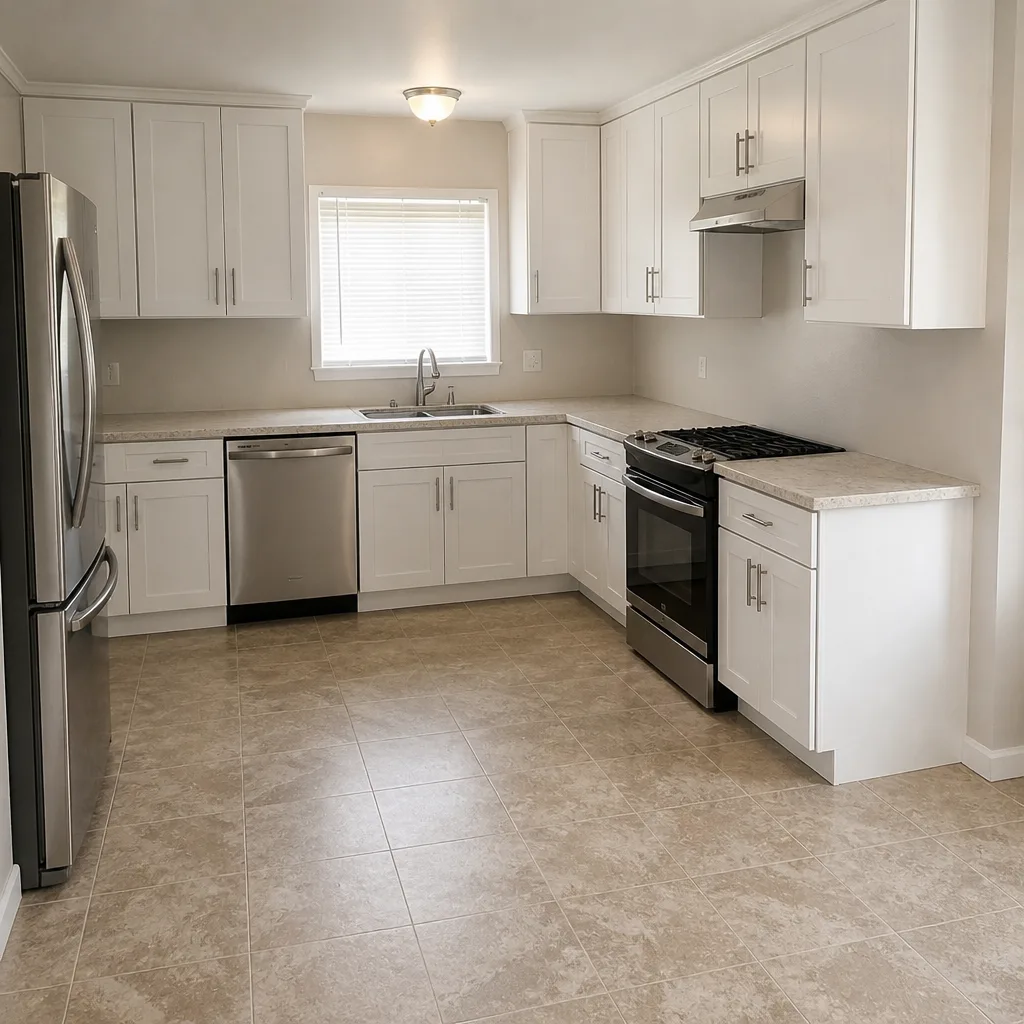
 Before
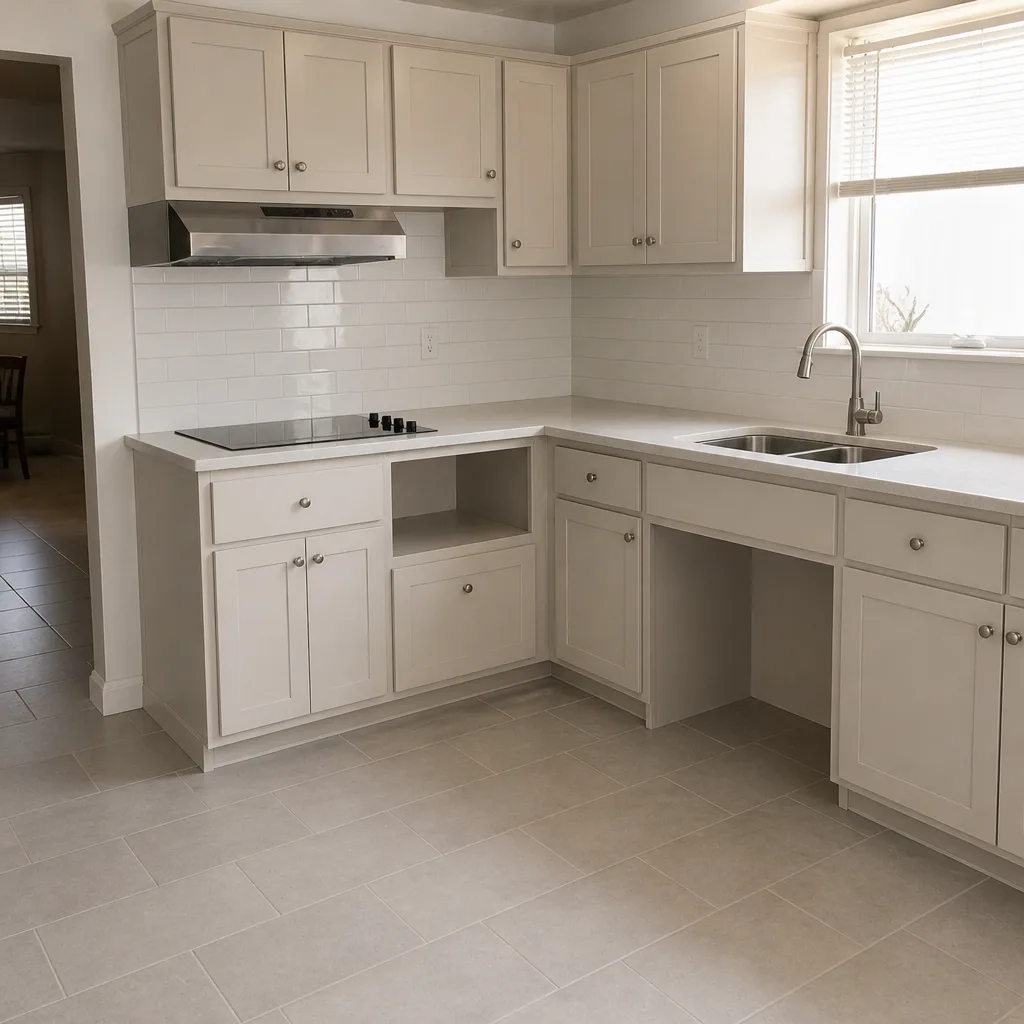 After
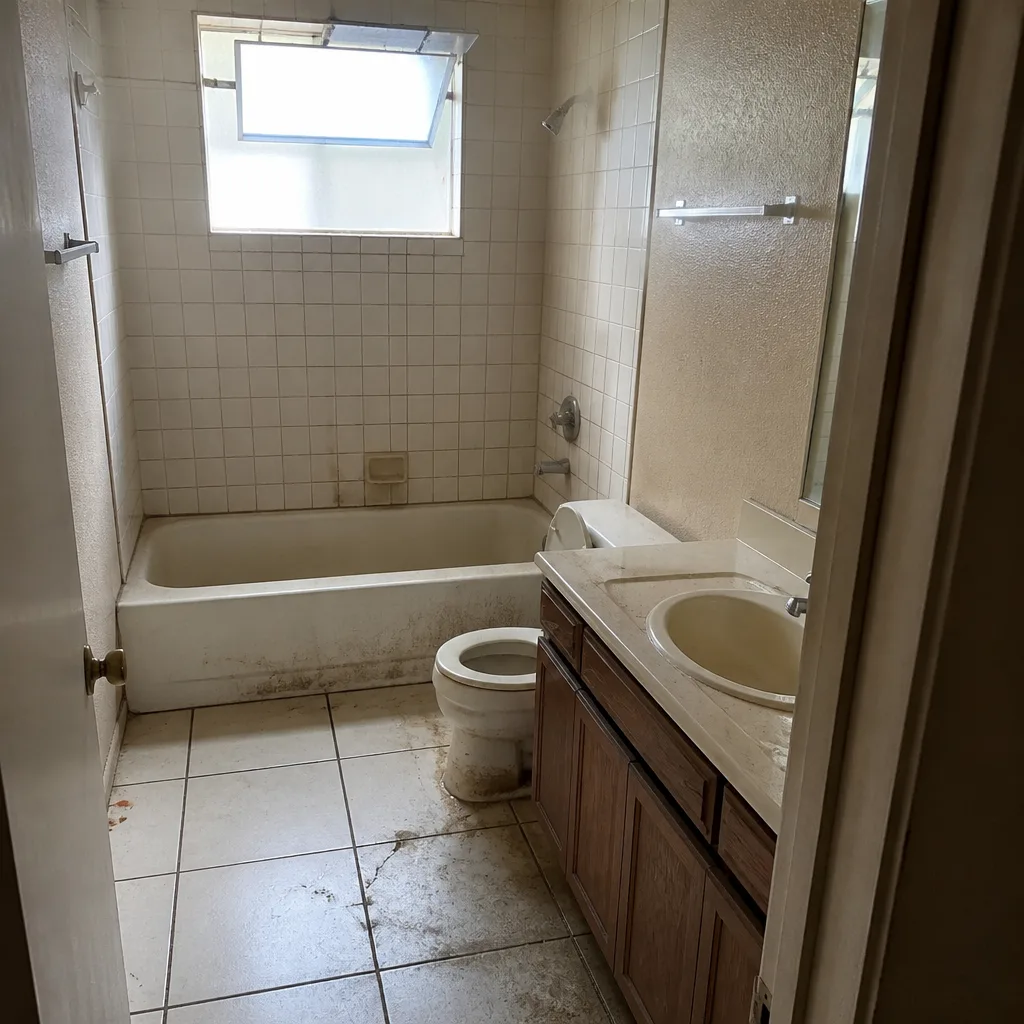 Before
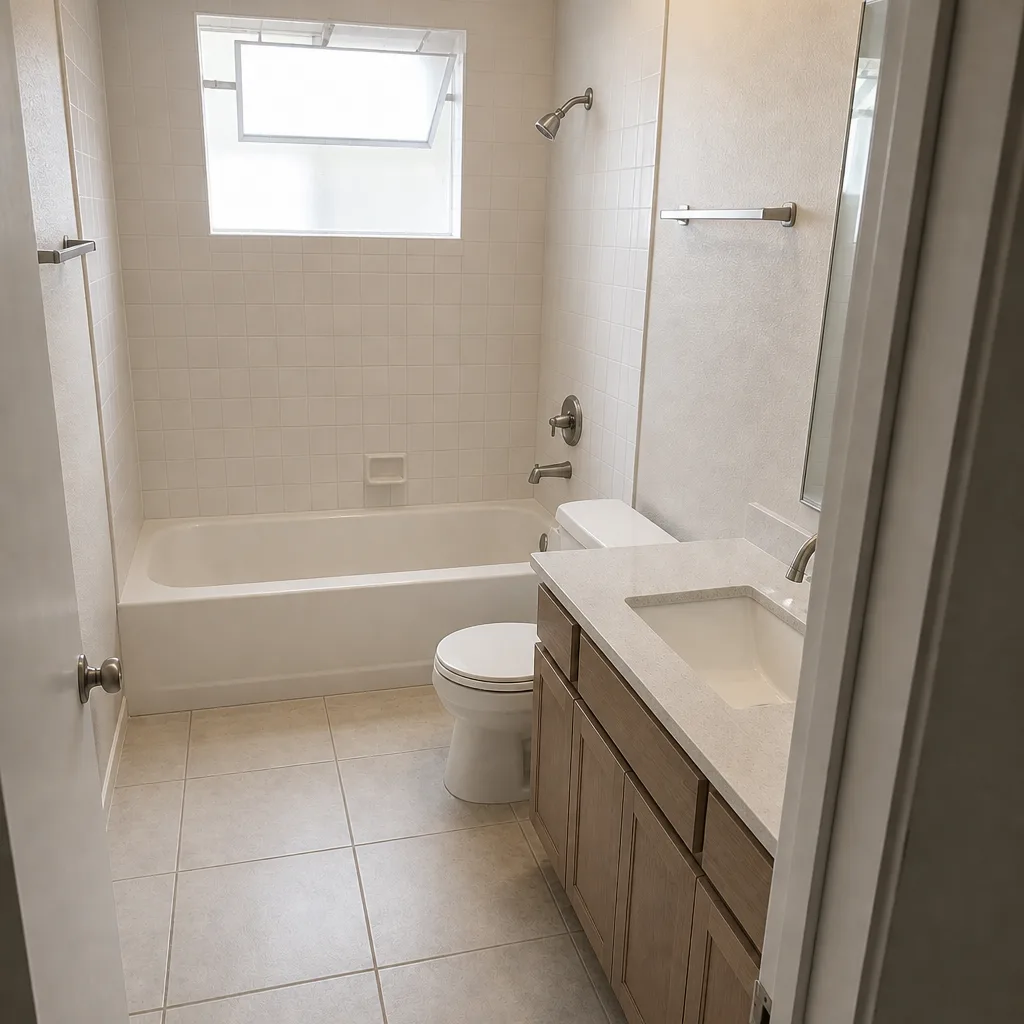 After
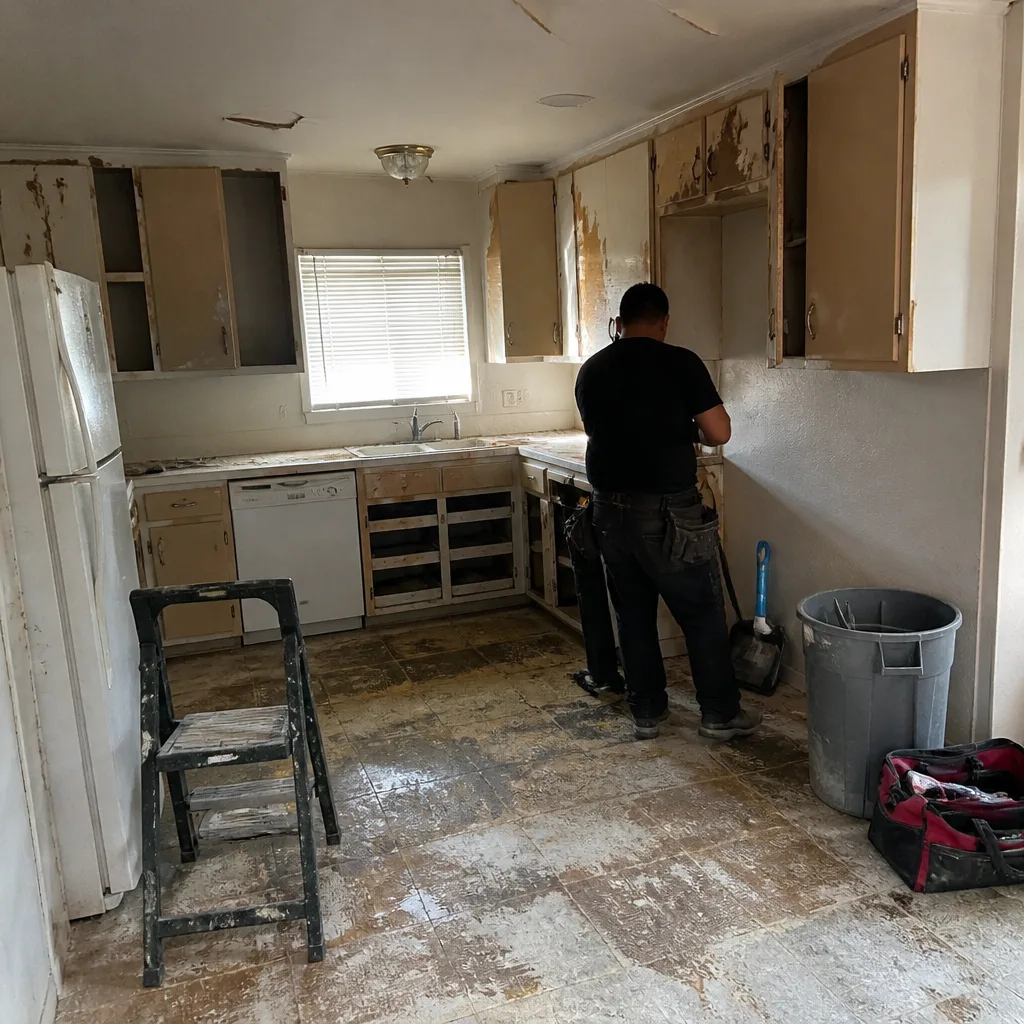 Before
 After
When to Call a Professional
Some decisions are not worth making alone. Call a professional when you are planning any structural work – moving a wall, changing a window opening, adding a room. Call when you are dealing with electrical panel changes or adding circuits for a new kitchen or cooling system; that is a licensed-trade job with real safety stakes. Call if a bid you have received is a single lump sum with no line items, if permit fees aren’t listed, or if a contractor cannot name the surface and cabinetry brands they will install. Call if the scope involves water in walls or under floors, since moisture problems only get more expensive with delay. Mason Remodeling Co Las Vegas offers free estimates in Las Vegas – call (844) 797-1112. Our team will walk the scope with you, separate every line item, and deliver a written price before any work begins.
Frequently Asked Questions
A mid-range kitchen remodel in Las Vegas typically runs $34,000 – $52,000 in 2026, with the total driven by cabinetry, countertops, appliances, and, critically, cooling-rated ventilation that national averages ignore. A large kitchen with custom finishes can exceed that band; a smaller galley update can land under it. Call (844) 797-1112 for an exact quote – estimates are free.
Three factors push Las Vegas bids above national figures: a labor market that commands a premium for skilled trades, material delivery surcharges into the desert Southwest, and heat-rated product upgrades required to survive summers above 110°F. Clark County permit and inspection fees add another $500 – $5,000 depending on scope. A bid that matches the national average is usually a bid that left something out.
Permit, plan check, and inspection fees typically add $500 – $1,600 to a typical residential remodel and $2,000 – $5,000 to a room addition. These costs are required and should be a separate line on any bid. If your contractor folds them into “miscellaneous,” ask for the number.
Plan for 15% rather than the standard 10%. Hidden moisture, code corrections uncovered at rough inspection, and mid-project upgrades consume more contingency in the Vegas market than the national rule of thumb accounts for. On a $40,000 project, that is a $6,000 buffer.
Materials, labor, permits, and disposal should each be a separate line item. If a bid is a single lump sum, you cannot verify that any of the four was priced fairly or that disposal and permits were included at all. Ask for the breakdown in writing before work begins.
Ask the contractor how crews are verified before arrival and whether you will receive the technician’s name and photo in advance. Under The Threshold Standard, every crew member is background-checked and identity-verified, and you receive the name and photo before the visit plus a photo ID badge at the door. That is the standard we hold on every job.
The Bottom Line
Las Vegas construction costs in 2026 are higher than national averages for real, explainable reasons: a labor premium, desert-specific materials, and Clark County fees that must not be hidden. Price a kitchen at $34,000 – $52,000, a bath at $18,000 – $32,000, and an addition at $95,000 – $180,000. Budget a 15% contingency and insist that materials, labor, permits, and disposal appear as separate lines on every bid. When you are ready for a written price, our team at Mason Remodeling Co Las Vegas home will put it in writing before a tool is unpacked.
Call (844) 797-1112 for your free estimate. Our team answers live, any hour, every day, and we’ll deliver a written price with every line item before any work begins.
Written by the team at Mason Remodeling Co Las Vegas.