
Last updated November 18, 2026








Free written scope consultation - allowances, timeline, and change-order rules on paper before a single trade is scheduled
General Contractor Maintenance Schedule: What to Do and When
The grout sealer your contractor applied during your renovation has a lifespan. So does the caulk around your windows, the expansion joints in your concrete, and the weather stripping on every door they touched. Almost no one tells you when those clocks started. Your final walkthrough covered how the new kitchen works and where the shutoffs are, then the crew packed up and the paperwork went in a drawer. That drawer is where your maintenance calendar is hiding. In this guide we translate what happened behind your walls during construction into a specific, date-driven maintenance plan for Las Vegas homes – one built from your own construction documents instead of a generic checklist off the internet.
Quick Answer
After a renovation, maintenance timing is set by three documents: your written workmanship guarantee, your manufacturer warranty paperwork, and your construction drawings. Inspect everything the contractor touched at month three, month six, and month eleven so any failure surfaces inside your one-year workmanship window, then move to a seasonal rhythm – spring and fall roof and caulk checks, summer shade and irrigation attention, winter freeze prep – adjusted for Las Vegas heat. Manufacturer-required maintenance is mandatory; finish-level upkeep is optional but keeps things looking new.
Styles & brands we work with
- Kitchen remodeling
- Bathroom remodeling
- Home additions & ADU
- Roofing
- Windows & doors
- Driveway & pavers
- Fence
Table of Contents
- How to Build a Maintenance Calendar From Your Construction Documents
- The One-Year Warranty Window: Inspect at Month Three, Six, and Eleven
- Las Vegas Heat: When Stucco Cracks, Caulk Fails, and Roofing Seams Open
- Which Trades to Keep On Speed Dial After the Project Closes
- Manufacturer-Required vs. Optional Maintenance
- A Month-by-Month Maintenance Calendar for Las Vegas Homes
- Common Mistakes to Avoid
- When to Call a Professional
How to Build a Maintenance Calendar From Your Construction Documents
Your post-renovation maintenance schedule starts with the paper you already own. Most homeowners file the drawings and the permit card and never look at either again. In our experience, those two documents plus the warranty packet contain every date you need – if you know how to read them.
Here is the order we recommend working through them:
- Pull the completion date off your written guarantee. That date, not the day you moved back into the kitchen, starts every clock. Write it at the top of a blank calendar.
- List every room and exterior surface the crew touched. The bathroom remodeling in Las Vegas scope and a whole-home remodel produce very different maintenance lists. Only track what changed.
- Read the manufacturer paperwork for each installed product. Cabinets, countertops, plumbing fixtures, and roofing all carry their own maintenance requirements. Highlight anything labeled “required” or “must.”
- Cross-reference the drawings for hidden assemblies. Tile backer systems, waterproofing membranes, and roof underlayment do not show on the surface, but they fail on a timeline too.
- Set recurring reminders, not one-off ones. A single note for “check caulk” gets ignored. A repeating spring-and-fall alert gets acted on.
A Kohler or Moen fixture from the spec sheet tells you which cartridge family you own, which matters the day a faucet starts to drip. A Caesarstone countertop has a care sheet that differs from natural stone. That paperwork is your maintenance manual for the next decade, and it is far more useful than any generic homeowner checklist. If your project involved structural or systemic work, your general contractor in Las Vegas should have handed over closeout documents at the final walkthrough – if you never received a package, ask for one now.
The One-Year Warranty Window: Inspect at Month Three, Six, and Eleven
A one-year workmanship guarantee is not just a promise – it is a deadline. Failures that appear inside the window are typically corrected at no cost to you. Failures that appear at month fourteen usually are not. That is why the single most valuable maintenance habit after a project is a three-point inspection schedule inside the first year.
Here is how we structure those checkpoints:
- Month three: seasonal movement and material settling are done. Look for hairline cracks at drywall corners, grout lines that have opened, caulk pulling from tub or shower edges, and doors that no longer latch cleanly. These are common and usually minor, but they are supposed to be caught for free.
- Month six: you have now lived through either peak summer heat or the cool season, depending on when the job closed. Check exterior caulk at window and door frames, look at roof penetrations for cracked sealant, and confirm that irrigation or drainage near new hardscape still sheds water correctly.
- Month eleven: this is the most important checkpoint. Any issue you have hesitated to report should surface now, because the guarantee window is closing. Run every faucet, cycle every valve, open and close every window and door, and photograph anything that looks wrong.
The 365-Day Done Right Promise from Mason Remodeling works on this same clock: if the work is not right within a year of completion, it is corrected at no cost to the homeowner. A written guarantee with clear terms – what is covered, what is excluded, and for how long – is what makes month eleven inspections worth the effort. If your current warranty paperwork is vague, that is a conversation worth having before your own window closes. Never assume you have missed your chance; contact the office and ask.
Las Vegas Heat: When Stucco Cracks, Caulk Fails, and Roofing Seams Open
Las Vegas is one of the harshest maintenance climates in the country for building materials. Surface temperatures on west-facing stucco routinely climb far above the air temperature in July, and the daily swing between a 110-degree afternoon and a 78-degree night works every sealant on the house like a flex test. Materials do not fail here on the same schedule they fail in milder cities, which is why a national maintenance checklist can quietly mislead a Las Vegas homeowner.
What we see in the field, by season:
- Stucco: hairline cracks appear most often after the first full summer-fall cycle following new stucco. Small cracks are cosmetic; cracks wider than a credit card or stepped with water staining should be investigated before winter.
- Caulk: exterior caulk at windows, doors, and penetrations typically needs inspection within the first year and refresh within three to five years here. UV exposure ages sealant faster than indoor caulk ever does.
- Roofing penetrations: vent boots and flashing sealant are the first roof items to crack in Las Vegas. Inspect them twice a year and after any monsoon microburst.
- Expansion joints: concrete flatwork and hardscape joints should be checked after the first summer cycle, then annually. Horizontal hardscape from Belgard, Unilock, or Techo-Bloc will outlast the joint sealant – plan on resealing joints eventually.
- Paint and coatings: sun-facing vertical surfaces fade faster than shaded ones. Plan for repainting those faces before the surface starts to chalk.
If your renovation included roofing, note which manufacturer system was used – GAF, CertainTeed, and Owens Corning shingles each have their own warranty terms around maintenance and inspection. Some require periodic inspection to keep coverage intact. That is the difference between a roof warranty you can use and one that lapses quietly.
Which Trades to Keep On Speed Dial After the Project Closes
Your general contractor is not always the right phone call a year after the project closes. A good contractor runs the build and resolves workmanship issues inside the warranty window. After that, most maintenance belongs to the specific trade that touches it – and knowing which trade keeps your home in better shape and your costs lower.
Keep these numbers where you can find them:
- Plumber: dripping cartridges, water heater replacement, and any slow leak under a new sink. Your spec sheet names the brand – Kohler, Moen – which makes the call easier.
- Roofing contractor: annual inspection, storm damage, and penetration resealing. Roof work involves height and fall danger, which is why we recommend a trained, insured roofing professional even for what looks like a small repair.
- Tile and grout specialist: regrouting shower floors, resealing stone, and repairing shower pans. Bathroom waterproofing is easy to damage with the wrong repair.
- HVAC technician: seasonal service and filter change reminders if your project touched ductwork or added a vented hood.
- Painter and drywaller: hairline crack touch-ups and exterior repaint cycles.
- Garage door specialist: springs, cables, and overhead track work all belong to a trained technician. High-tension garage door springs can cause serious injury – do not adjust them yourself.
Your general contractor is the right call for warranty items, systemic issues that span trades, and any new project. But a rattling faucet at month twenty is usually a plumber job, not a contractor callback. Knowing that saves you days of waiting and phone tag.
Manufacturer-Required vs. Optional Maintenance
Not every maintenance task is equal, and mixing them up is the fastest way to void a warranty without realizing it. Manufacturer-required maintenance is the work the paperwork demands – skip it, and coverage can be denied. Optional maintenance is upkeep for appearance, comfort, or lifespan.
How to tell them apart:
- Read the words on the warranty document. “Required,” “must,” “condition of warranty,” and “recommended every six months” are the phrases to look for.
- Roofing and plumbing warranties lean hard on required maintenance. A Kohler or Moen faucet warranty typically covers defects but not damage from neglect, scale buildup, or improper cleaning.
- Countertops split the difference. Caesarstone and quartz surfaces usually have care guidelines – hot pans, harsh cleaners, and abrasive pads are the usual red flags. Skipping those guidelines usually will not void a structural warranty, but it can.
- Cabinetry needs almost nothing required of it. KraftMaid and Wellborn cabinet warranties are primarily about defects and installation quality, not regular maintenance – though oil or wax finish care is worth following.
- Exterior caulk and sealant are usually optional per paper but mandatory per physics. No warranty document enforces caulk maintenance, but skipped caulk maintenance lets water into framing and turns a five-dollar tube of sealant into a repair bill.
Keep a simple log of required-maintenance dates – who serviced what, when, and what they found. If a warranty claim ever comes up, that log is proof you held up your end.
A Month-by-Month Maintenance Calendar for Las Vegas Homes
Once the first-year warranty checkpoints are behind you, maintenance settles into a rhythm. Here is the schedule we recommend for Las Vegas homes, built around the local seasonal curve rather than a midwestern template.
- January – February: inspect interior caulk at tubs, showers, and sinks after the holiday season. Check weather stripping at every exterior door. Test smoke and carbon monoxide detectors. Brief freeze risk – protect exterior irrigation and any exposed piping.
- March – April: walk the roof line from the ground and look for lifted shingles and open sealant at penetrations. Check window and door caulk. Inspect stucco for new cracks. Service the HVAC before the first heat wave.
- May – June: check irrigation emitters, drip lines, and exterior spigots before peak heat. Inspect shade devices, umbrellas, and patio coverings. Clean dryer vents. Reseal stone and tile surfaces that need annual sealing.
- July – August: look for heat-related warping, adhesive failures, and door swelling. Check garage door balance and lubrication – the garage door specialist handles springs and cables. Clear space around AC equipment.
- September – October: second roof inspection after monsoon season. Check driveway and patio expansion joints. Re-seal exterior wood and stucco cracks before the cool season.
- November – December: heater service, window and door seals, dryer vent cleaning before winter. Pull out the maintenance log and confirm all required manufacturer tasks have a recorded date.
That is a two-hour walkthrough twice a year and an hour across the rest of the calendar. It is the difference between a home that ages gracefully and one that surprises you every spring.
See the difference
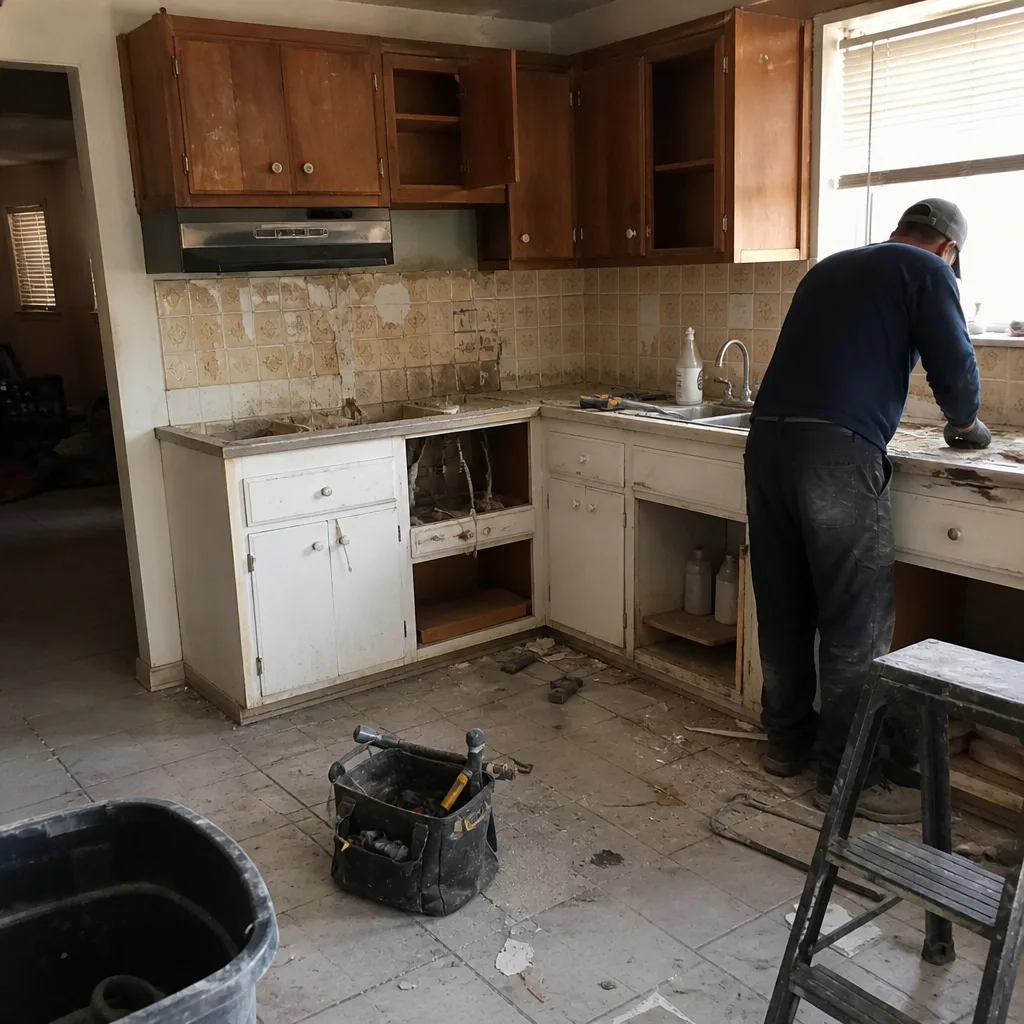 Before
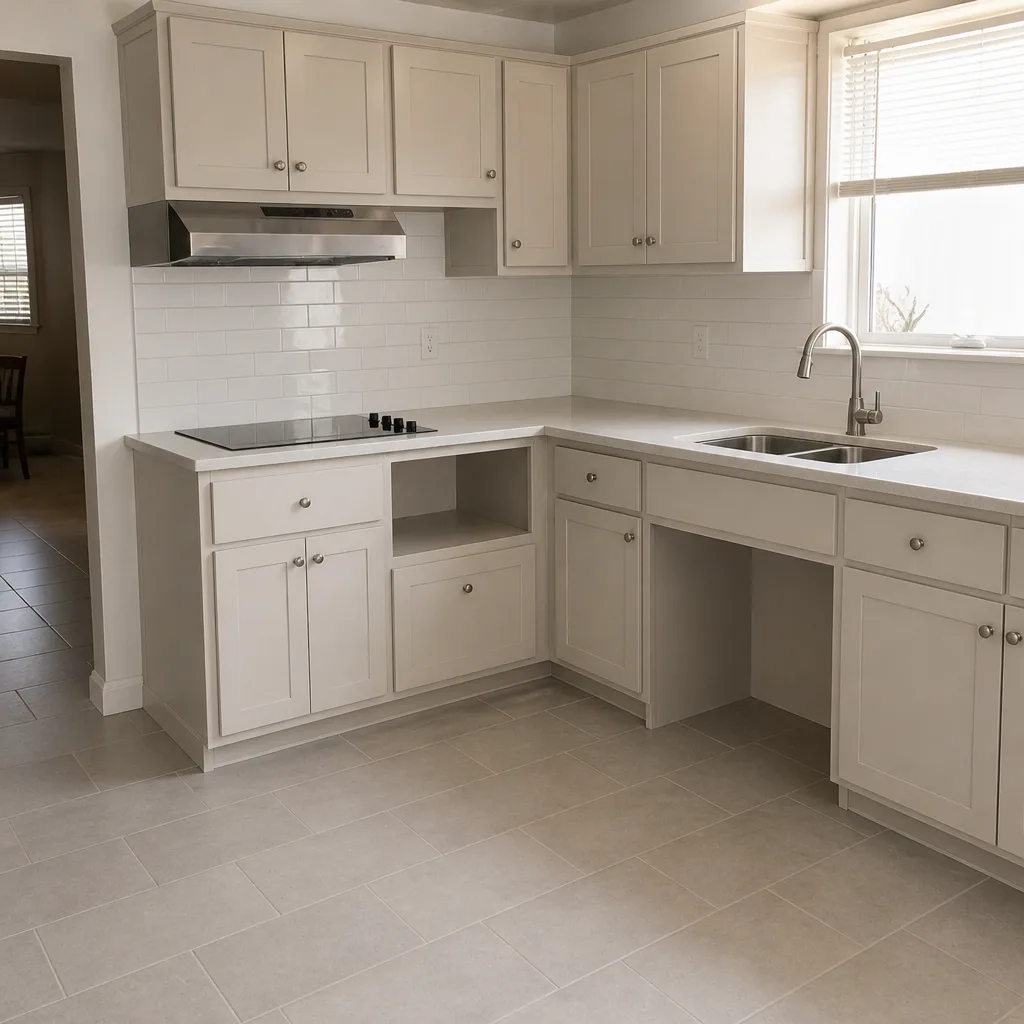 After
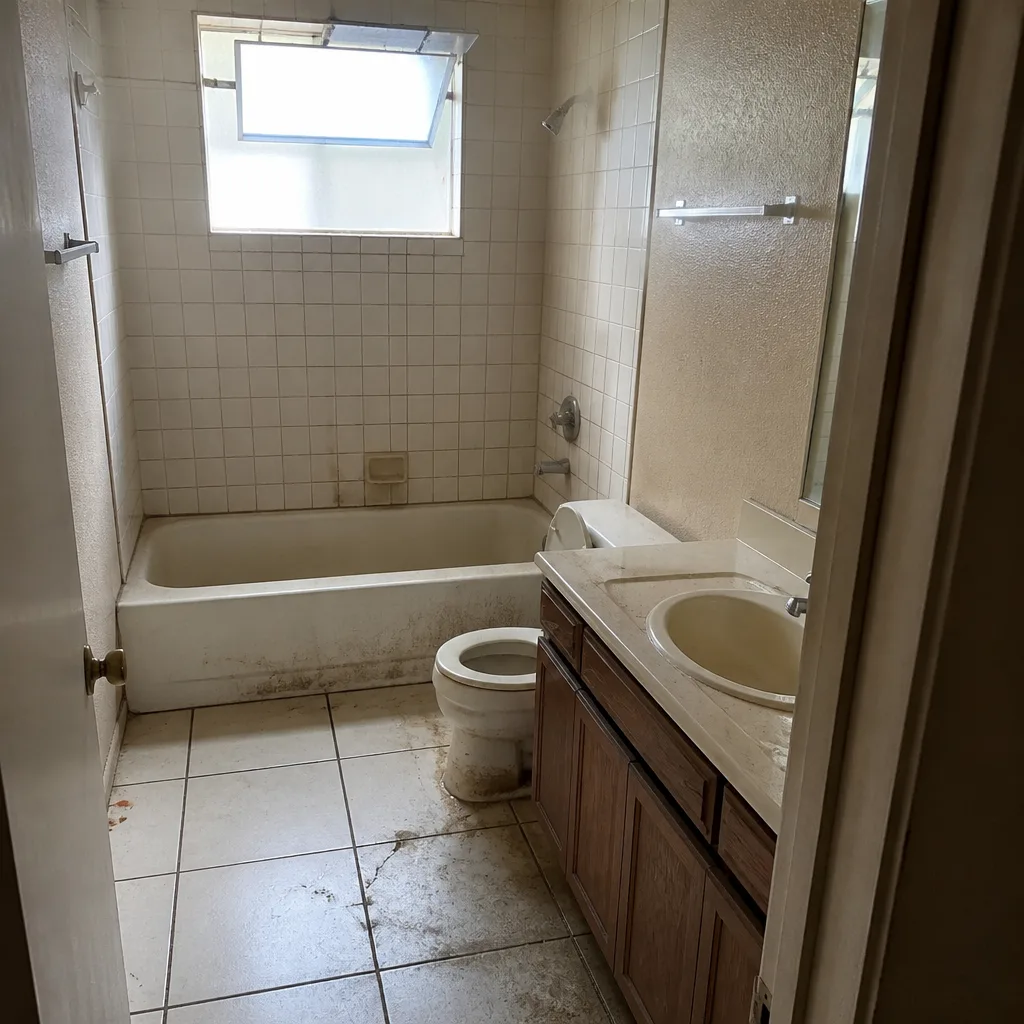 Before
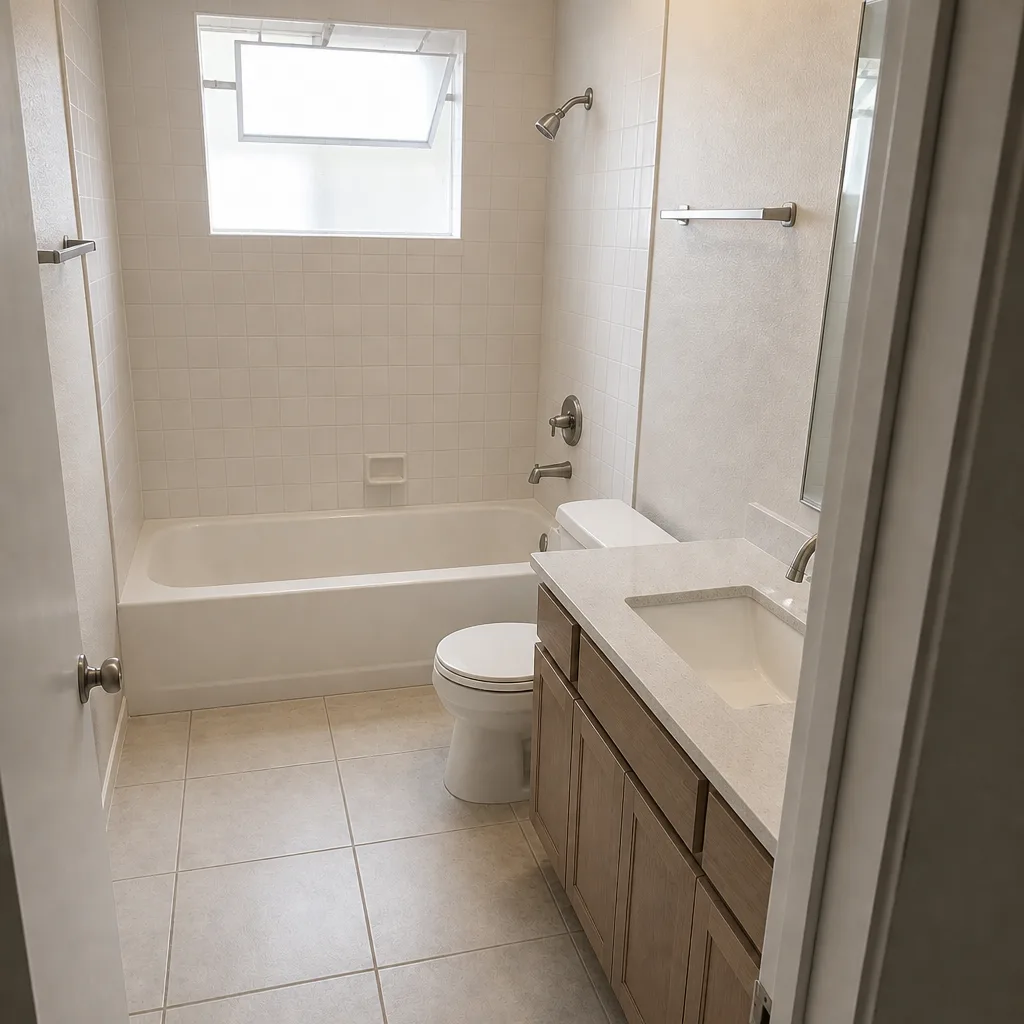 After
 Before
 After
Common Mistakes to Avoid
- Treating the warranty window as infinite. A one-year workmanship guarantee starts on the completion date, not the day you noticed a problem. Mark month three, six, and eleven on your calendar – do not wait for something to break.
- Filing the closeout documents in a drawer and forgetting them. The drawings, the spec sheet, and the warranty packet for cabinet and countertop brands you installed are your real maintenance manual. Losing them means guessing at required maintenance – and guessing wrong can void coverage.
- Skipping caulk maintenance because it is “just cosmetic.” In Las Vegas, UV and heat age exterior caulk fast. Skipped caulk lets water into framing, and it turns a five-dollar repair into a wall repair.
- Using the wrong cleaner on a new surface. Quartz and natural stone – including Caesarstone and similar surfaces – can be damaged by acidic or abrasive cleaners. Read the care sheet before the first cleaning, not after the first stain.
- DIY roof and garage door work. Roofing work involves genuine fall danger, and high-tension garage door springs and cables can cause serious injury. Both are jobs for trained, insured professionals.
- Calling the general contractor for every small maintenance item. Post-warranty maintenance usually belongs to the specific trade. Save the contractor relationship for warranty items, projects, and problems that span trades.
- Ignoring the paint clock. Exterior paint on sun-facing walls in Las Vegas fades faster than on shaded walls. Waiting for visible chalking makes the next repaint more expensive.
When to Call a Professional
Some maintenance items are yours to handle. Others are safety calls. Book a professional when you see stucco cracks that are widening or show water staining, roof penetrations with failed sealant, water intrusion anywhere, or repeated cabinet and door movement that suggests a moisture problem. Roof work, garage door spring and cable work, and electrical panel work all belong to trained, insured professionals. If your renovation is inside the workmanship guarantee, contact the contractor first so the issue is documented. Mason Remodeling Co Las Vegas offers free estimates in Las Vegas, with a written price before any work starts – call (844) 797-1112 to schedule.
Frequently Asked Questions
Inspect the work at month three, month six, and month eleven inside the first year, then twice a year after that – once in spring and once in fall. The three first-year checkpoints catch most workmanship issues while they are still covered by the one-year guarantee.
It can, if the skipped maintenance is required by the manufacturer. Workmanship warranties usually cover defects in installation. Manufacturer warranty documents often attach conditions around required maintenance. Read the paperwork before assuming coverage.
Caulk at exterior openings, roof penetration sealant, stucco cracks, and concrete expansion joints are the top four. The daily heat swing and strong UV age these materials faster than in milder climates, so plan on inspecting them each spring and fall.
Inside the warranty window, the contractor is usually the right call for anything they built. After it, plumbers, roofers, and tile specialists are typically the right first call for trade-specific issues – and the contractor is the right call when a problem spans multiple trades or a new project starts.
Yes – keep them alongside your warranty packet. Drawings show what is inside the walls: waterproofing, backer systems, plumbing routing, and roof underlayment. Fifteen years from now, they will tell the next contractor exactly what they are looking at.
Look for the words “required,” “must,” or “condition of warranty” in the manufacturer paperwork. Roofing systems and plumbing fixtures are the most common places those conditions appear. Keep a simple log so you can prove required maintenance happened.
The Bottom Line

The best maintenance schedule for your home was written during the renovation – you just have to pull it out of the drawer. Start with the completion date and the written guarantee. Mark month three, six, and eleven inside your warranty window, then move to a spring-and-fall rhythm built for Las Vegas heat. Separate required maintenance from optional upkeep, keep the right trades close, and never treat roof work or garage door springs as a weekend project. A two-hour walkthrough twice a year does more for your home’s lifespan than any repair you will ever pay for. When something crosses the line, call a professional – the whole point of a formal process like Mason Remodeling Co Las Vegas home is that it needs to be handled the right way.
For kitchen or bath projects that might be next, our team handles kitchen remodeling in Las Vegas with the same written-price, verified-crew approach. Call (844) 797-1112 for a free estimate, any day of the year.
Written by the team at Mason Remodeling Co Las Vegas.