Last updated November 18, 2026








Free written scope consultation - allowances, timeline, and change-order rules on paper before a single trade is scheduled
Home Remodeling Maintenance Schedule: What to Do and When
Las Vegas grout and caulk dry out and crack in as little as 18 months, roughly half the timeline manufacturers assume when they write their warranty language. That single fact changes how you should think about maintaining a remodel. National maintenance guides are built for moderate humidity and four real seasons. Las Vegas gets single-digit humidity, triple-digit summer heat, and intense UV that breaks down sealants, finishes, and exterior coatings faster than the label predicts. This guide gives you a Las Vegas-specific calendar for kitchen, bath, and structural upkeep, shows which tasks protect your workmanship warranty, and explains how to log everything so a future claim stands up.
Quick Answer
A home remodeling maintenance schedule in Las Vegas should run on a tighter clock than national checklists: inspect caulk and grout every 6 months, seal grout annually, clean bath exhaust fans every 6 months, and check exterior sealants every spring before the heat arrives. The tasks tied directly to tiered warranty terms like our Threshold Standard are the ones most homeowners skip, and that’s where claims get denied. Document each task with a date and photo so you have proof the work was maintained.
Styles & brands we work with
- Kitchen remodeling
- Bathroom remodeling
- Home additions & ADU
- Roofing
- Windows & doors
- Driveway & pavers
- Fence
Table of Contents
- Why the Desert Accelerates the Maintenance Clock
- Maintenance Tasks Tied Directly to Your Warranty
- The Month-by-Month Las Vegas Calendar
- Kitchen Maintenance: What to Check and When
- Bathroom Maintenance: The Highest-Risk Room in the House
- Structural and Exterior Maintenance
- What You Can Do Yourself vs. What Requires a Licensed Contractor
- How to Keep a Maintenance Log That Protects You
Why the Desert Accelerates the Maintenance Clock
Manufacturers write warranty and maintenance language for average national conditions. Las Vegas is not average. Our relative humidity often sits below 20 percent, and summer air temperatures above 110°F are normal. Two things follow from that.
First, moisture-cured sealants and grouts lose their flexibility faster. Caulk that stays pliable for years in a humid climate dries brittle and pulls away from the joint within roughly 18 months here. Grout that should be resealed every 12 to 24 months in a mild climate needs attention closer to every 12 months in Las Vegas kitchens and baths.
Second, the daily temperature swing stresses materials. A west-facing wall can go from a nighttime low near 60°F to a daytime surface temperature well past 150°F. That expansion and contraction works on caulk joints, tile edges, cabinet seams, and exterior trim. In our experience, most of the failures we see on remodels across the valley, from Summerlin to Henderson to North Las Vegas, trace back to a joint that opened and was never caught.
This is the core point of the whole schedule: maintenance is not about keeping your remodel looking new. It is about protecting the structural work underneath, the warranty that covers it, and the resale value you paid for when you remodeled. A cracked caulk line lets water into a wall cavity, and water in a wall cavity is a five-figure problem that started as a ten-dollar tube of sealant.
Maintenance Tasks Tied Directly to Your Warranty
Most homeowners don’t realize their workmanship warranty has conditions. Those conditions usually center on whether the homeowner performed the routine maintenance the manufacturer and the installer both specify. Skip it, and a legitimate claim can be denied because the failure looks like neglected upkeep rather than faulty work.
Here are the post-remodel tasks most directly tied to warranty terms in a Las Vegas home:
- Caulk inspection in wet areas. Every joint in a shower, around a tub, behind a kitchen sink, and where a backsplash meets a counter. If a manufacturer’s warranty on a shower pan or membrane requires the installation to remain watertight, a failed caulk line that lets water past it can void coverage.
- Grout sealing. Sealed grout keeps water in the tile assembly, not behind it. Most stone and porcelain warranties assume the grout has been maintained.
- Bath exhaust fan cleaning. A clogged fan moves less air, moisture builds up, and the failure gets blamed on the install. Cleaning the grille and wiping the blades every six months keeps the fan doing its job and keeps the warranty intact.
- Exterior sealant and flashing checks. Where new roofing, windows, or doors were installed, seasonal checks of the seals around those openings protect both the manufacturer’s warranty and our workmanship guarantee.
- Drain and fixture checks. A slow leak under a new sink or a loose supply line is a maintenance issue if ignored and a warranty issue if caught early. Document it either way.
Our 365-Day Done Right Promise covers workmanship for a full year from the completion date. That guarantee states plainly what’s covered, what’s excluded, and for how long. Routine maintenance is part of what keeps that guarantee meaningful, because we can only stand behind work that hasn’t been undermined by a failed seal nobody addressed.
The Month-by-Month Las Vegas Calendar
This is the schedule we recommend for a recently remodeled Las Vegas home. It splits into kitchen, bath, and structural so you can group tasks and knock them out in a single afternoon. Exact timing can shift, but the rhythm follows the desert: act before the heat, not after.
- January – Post-holiday inspection. Walk the kitchen and bath. Check caulk at sinks, tubs, and showers. Note any soft spots, loose tile, or discoloration. Schedule anything that needs a pro before spring.
- February – Grout deep clean and reseal. Clean grout in kitchen backsplashes and bath floors, then reseal. This is the annual sealing window that keeps tile assemblies watertight heading into summer.
- March – Pre-summer exterior check. Inspect seals around windows, doors, and roofline penetrations before the heat peaks. If windows were part of your remodel, check the perimeter seals and the weep holes in the frames.
- April – Bath exhaust fan service. Pull the grille, vacuum the blades, and confirm the fan pulls air. In a Las Vegas bath, a weak fan plus summer humidity from showers is a mold setup.
- May – HVAC and ventilation check. Confirm the home’s ventilation is moving air as designed. Clean or replace filters and check that any new ductwork or vents from the remodel are unobstructed.
- June – Exterior sealant touch-up. Re-caulk any exterior joints that opened during the spring temperature swings. Do this before the July peak heat, not during it.
- July – Interior moisture watch. Peak summer, air conditioning runs hard and indoor air is dry. Watch for new gaps at cabinet seams and counter edges. Note anything that moved.
- August – Plumbing and fixture check. Look under sinks and behind toilets for weeping supply lines or slow drips. A dry desert summer can mask evaporation, so check for mineral stains and soft cabinet floors, not just puddles.
- September – Post-summer damage assessment. Walk the whole home after the hottest stretch. Photograph anything that changed. This is the most important documentation month for a warranty log.
- October – Exterior and hardscape inspection. Check patios, walkways, and any hardscaping for movement or settlement. Verify drainage still moves water away from the house.
- November – Caulk and sealant refresh. The second major sealant window of the year. Re-caulk wet areas and any exterior joints ahead of the cooler months.
- December – Review your log. Read back through the year’s notes. Total up what you spent, confirm every task was done, and flag anything outstanding for the new year.
That’s 12 months of tasks, but most of them take under an hour. The value is in consistency and in writing down what you did. If you have a kitchen remodel in Las Vegas that’s a year or two old, the January and February steps are the ones that matter most.
Kitchen Maintenance: What to Check and When
Las Vegas kitchens take a beating from dry air and constant use. Two areas fail first: the caulk and grout around wet zones, and the cabinet hardware and seams that expand and contract with the temperature swing.
Every six months: inspect caulk behind the sink, where the backsplash meets the counter, and along any seams between counter sections. If it’s cracked, dried, or pulling away, it needs replacement before water gets behind it. Check cabinet door hinges and drawer slides. In dry desert air, wood cabinetry shrinks slightly and hardware loosens faster than it does in humid climates.
Annually: reseal grout on the backsplash and floor tile. Have the range hood and any vent filters cleaned. If your kitchen remodel included new cabinetry, check the seams where the cabinet boxes meet the wall and floor, and re-caulk if they’ve opened.
Every spring: check any exterior door from the kitchen to a patio or yard. Those thresholds take direct sun and their seals break down fastest. If exterior windows were replaced during the project, this is where brands like PGT or ES Windows show up in the maintenance routine: their perimeter seals and weep channels need to stay clear to shed wind-driven rain the occasional monsoon delivers.
If you’re planning a kitchen project and want to build maintenance in from the start, our Kitchen Remodeling in Las Vegas page covers how the work goes together and what to expect.
Bathroom Maintenance: The Highest-Risk Room in the House
The bathroom is where maintenance failures become expensive fastest. A shower membrane behind tile does its job only if water stays in front of it. Caulk and grout are the front line, and in a Las Vegas bath they dry out faster than anywhere else in the home.
Every three months: wipe down caulk joints and look closely at the corners of the shower and around the tub. Silicone sealant that looks intact can be lifting at the edge. Run a finger along it; if it moves, it’s failing.
Every six months: clean the exhaust fan. Pull the grille, vacuum the blades, and confirm the fan is drawing air out. A clogged fan is the single most common cause of bathroom moisture problems we’re called back for.
Annually: reseal grout in the shower and on the floor. Check the toilet base for water stains or soft flooring. Look under the sink for supply line drips.
Every spring: check the shower pan and any curb. Hairline cracks in the pan let water past the membrane. If you see one, call a professional before using the shower again. When it comes to a bathroom remodel in Las Vegas, the maintenance routine that protects the warranty is the one written into the project from day one.
One detail worth knowing: the metal trim that seals the edge where tile meets flooring, called a Schluter strip, protects the joint from water and movement. If it’s not seated, or if the sealant behind it has cracked, water gets to the subfloor. With our Bathroom Remodeling in Las Vegas projects, we set the maintenance expectations alongside the install so there’s no guesswork later.
Structural and Exterior Maintenance
Structural maintenance protects the frame, the envelope, and the investment. In Las Vegas, the pressure points are sun exposure on exterior sealants, seasonal monsoon wind and rain, and the temperature swing on hardscaping and patios.
- Windows and doors (annually, spring and fall): check perimeter seals and weep channels. Clear debris from weep holes so water drains. If your windows were part of a remodel, check the manufacturer’s maintenance terms for sealant requirements and keep a record.
- Roof and flashing (annually, spring): check flashing around any penetrations from the remodel, including vent stacks and skylights. GAF, CertainTeed, and Owens Corning roofing warranties typically require that flashing and sealants be maintained. Look for lifted or brittle sealant, and call a roofer if you see it.
- Exterior trim and siding (annually, fall): re-caulk joints and seams. Desert UV degrades exterior caulk faster than interior. The fall refresh keeps the envelope tight through winter rains.
- Hardscaping (annually, fall): check patios and walkways for movement. A paver that’s shifted can trap water against the foundation. Brands like Belgard and Techo-Bloc build to withstand sun; the joints and edge restraints still need maintenance.
- Foundation and drainage (annually, fall): confirm the grade slopes water away from the house and that any new drainage from the remodel still works.
If your project included new windows or exterior work, our General Contractor in Las Vegas page explains how structural and envelope work fits into a full remodel and what ongoing upkeep it implies.
What You Can Do Yourself vs. What Requires a Licensed Contractor
The line between self-maintenance and pro work is important in Las Vegas, because some tasks affect permit validity and warranty coverage if done by an unlicensed hand.
Tasks a homeowner can safely self-perform:
- Cleaning grout and resealing it (with the manufacturer’s product)
- Re-caulking interior joints with quality sealant
- Cleaning bath exhaust fan grilles and blades
- Replacing filters and cleaning vent covers
- Inspecting and photographing, then logging everything
Tasks that require a licensed professional:
- Any repair to a shower pan or membrane
- Work that touches plumbing or electrical beyond a fixture swap
- Roof flashing and envelope repairs
- Anything the remodel included as permitted work, if it needs repair, since unpermitted corrections can leave the original permit out of compliance
- Structural adjustments or replacement of load-bearing components
If you’re not sure which side of the line a task falls on, call and ask. We’ve seen plenty of homeowners in Las Vegas create a warranty problem by “fixing” something that should have gone to a licensed contractor. That’s the sort of thing our Mason Remodeling Co Las Vegas home team is here to talk through before you start.
How to Keep a Maintenance Log That Protects You
If a warranty claim ever arises, the first question is almost always: has the work been maintained? A simple log answers that in one page. Here’s what to record.
- Date and task. What you did and when. Even “checked caulk behind kitchen sink, no issues” counts.
- Who did it. Yourself, a family member, or a licensed contractor. Include the company name for any pro work.
- Photo of before and after. A dated photo of the joint or area you worked on. Store it in a cloud folder so a phone upgrade doesn’t lose it.
- Product used. The brand and type of sealant or cleaner. This matters when a manufacturer’s warranty asks what was applied.
- Any issue you noticed. A note like “small crack at shower curb, watched for two months, worsened” documents that you were monitoring, not negligent.
- Professional visits. Keep the invoice and the report for any contractor visit. Our Threshold Standard crew arrives with a photo ID badge, and we hand over documentation for the work, which goes straight into your log.
A spreadsheet works. So does a paper notebook. The format doesn’t matter; the habit does. When a claim comes up, a dated log makes the difference between a straightforward resolution and a dispute. On top of that, our free return visit covers any repair or installation that fails, so if something does go wrong, you’re not in a dispute process over the first call.
Common Mistakes to Avoid
- Treating caulk as permanent. Caulk is a consumable, not a finish. Replacing it at the six-month inspection is preventative; replacing it after water damage is expensive.
- Resealing grout without cleaning it first. Sealant over dirt and old residue won’t bond. Clean, dry, then seal, or the seal fails in months.
- Skipping the bath exhaust fan. It’s the cheapest maintenance on the list and the one most often ignored. A clogged fan in a Las Vegas bath is a mold problem waiting for a humid month.
- Re-caulking exterior joints in the middle of summer. Sealant cures poorly at peak temperatures. Do exterior work in spring or fall when temperatures are moderate.
- Letting a professional handle a warranty-required task without documentation. A verbal “I fixed it” won’t hold up. Ask for a written record and keep the invoice.
- Assuming the manufacturer’s warranty covers maintenance. It doesn’t. Manufacturer and workmanship warranties both typically assume the homeowner maintained the installation. Read the terms and write the schedule into your calendar.
- Ignoring small changes. A one-inch crack in a shower curb today is a water-damaged subfloor next year. Catch it small.
See the difference
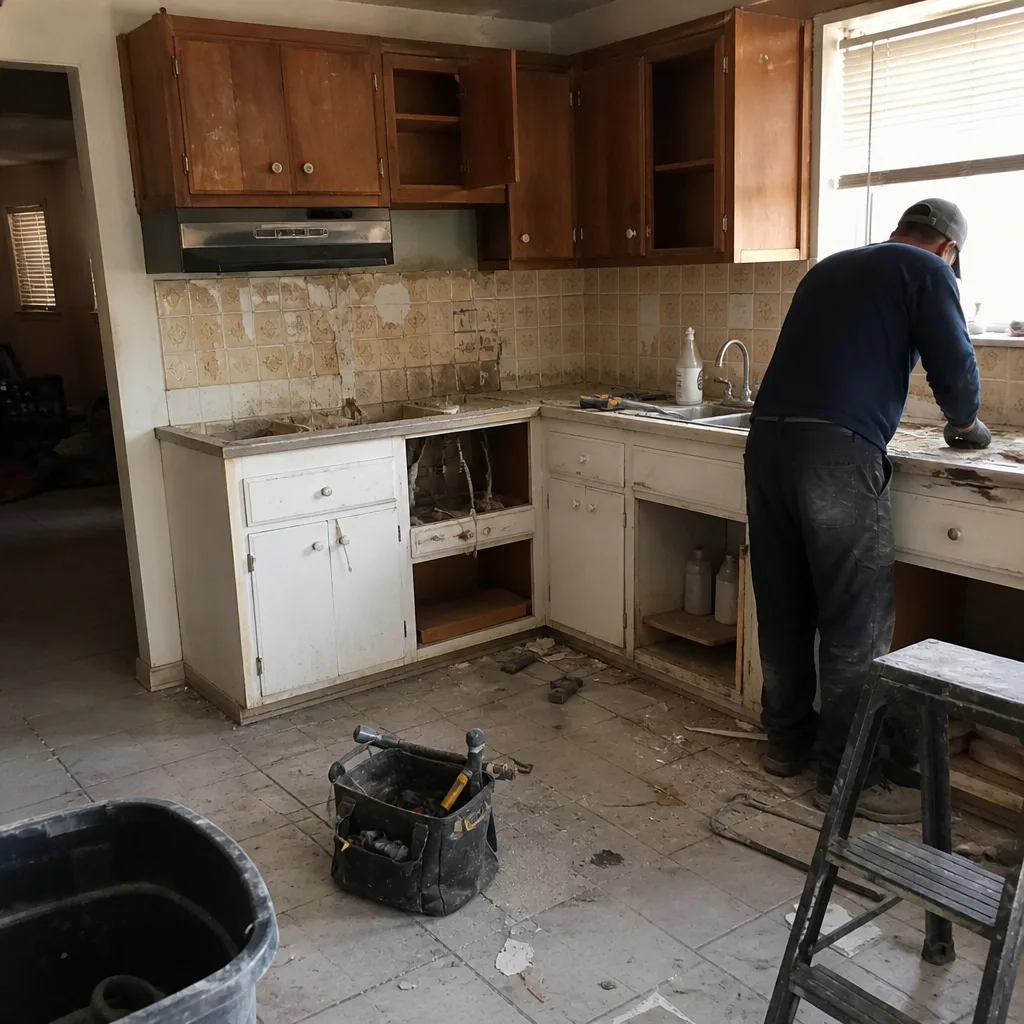 Before
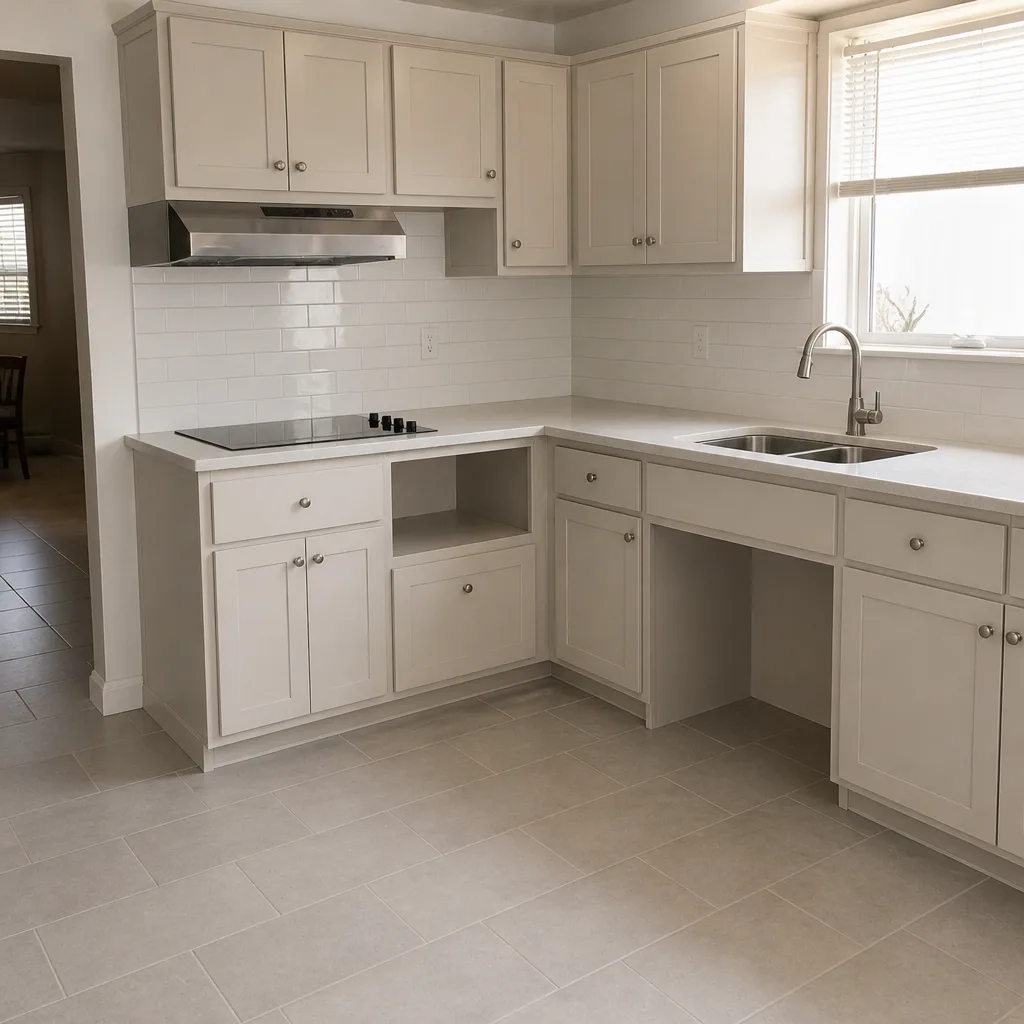 After
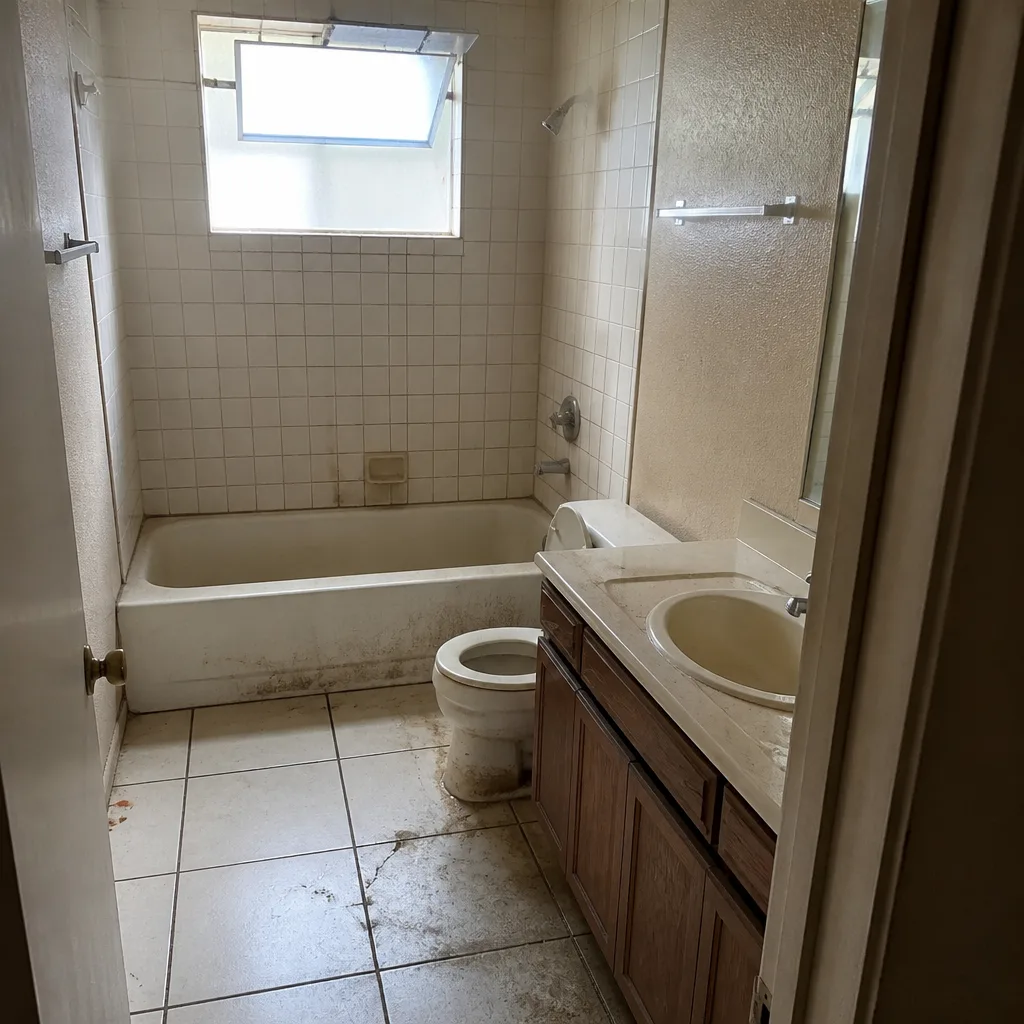 Before
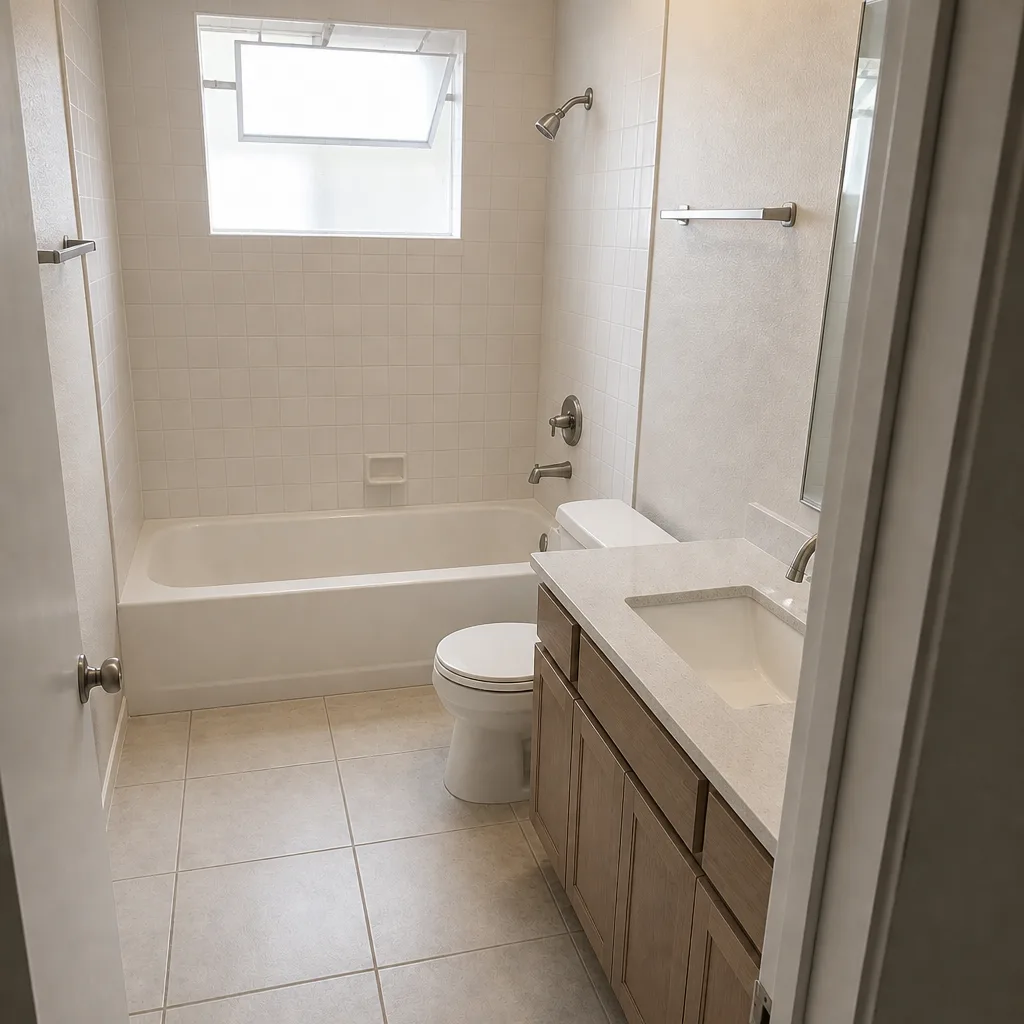 After
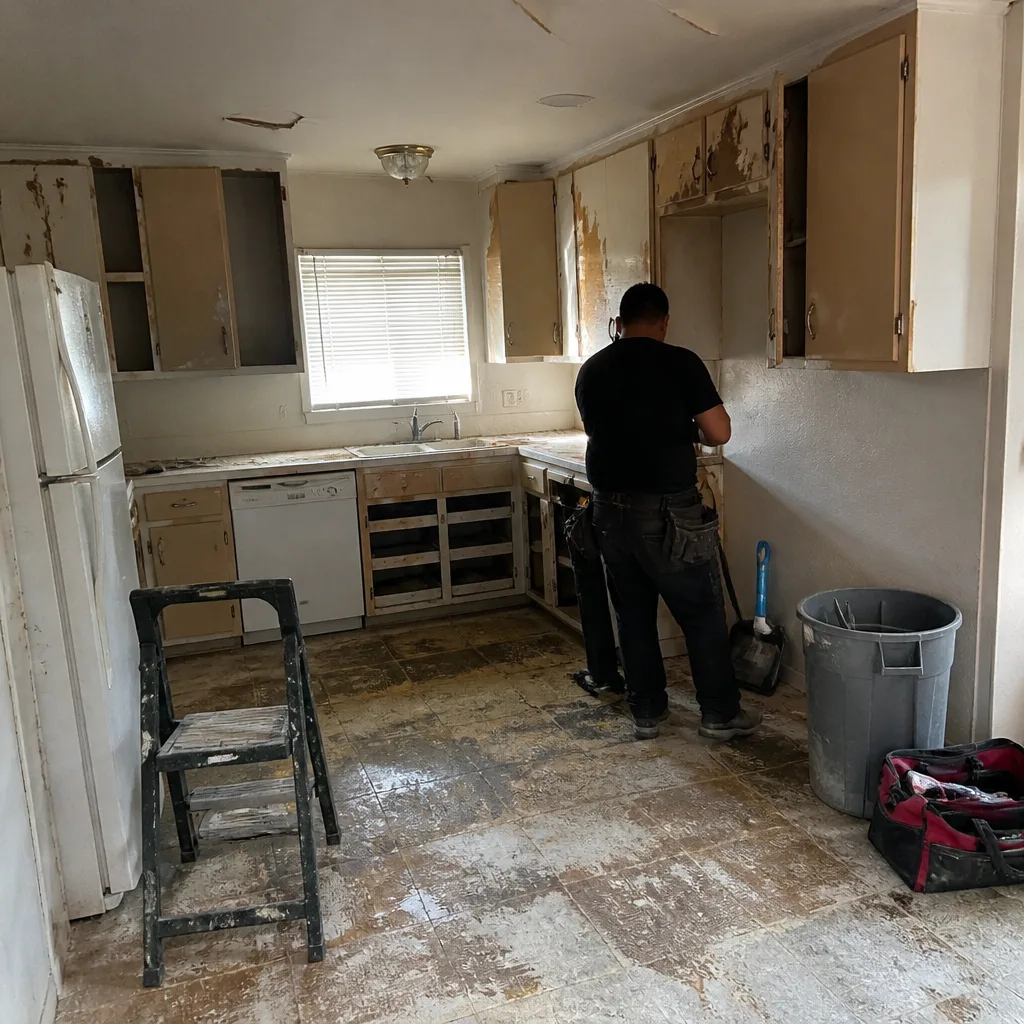 Before
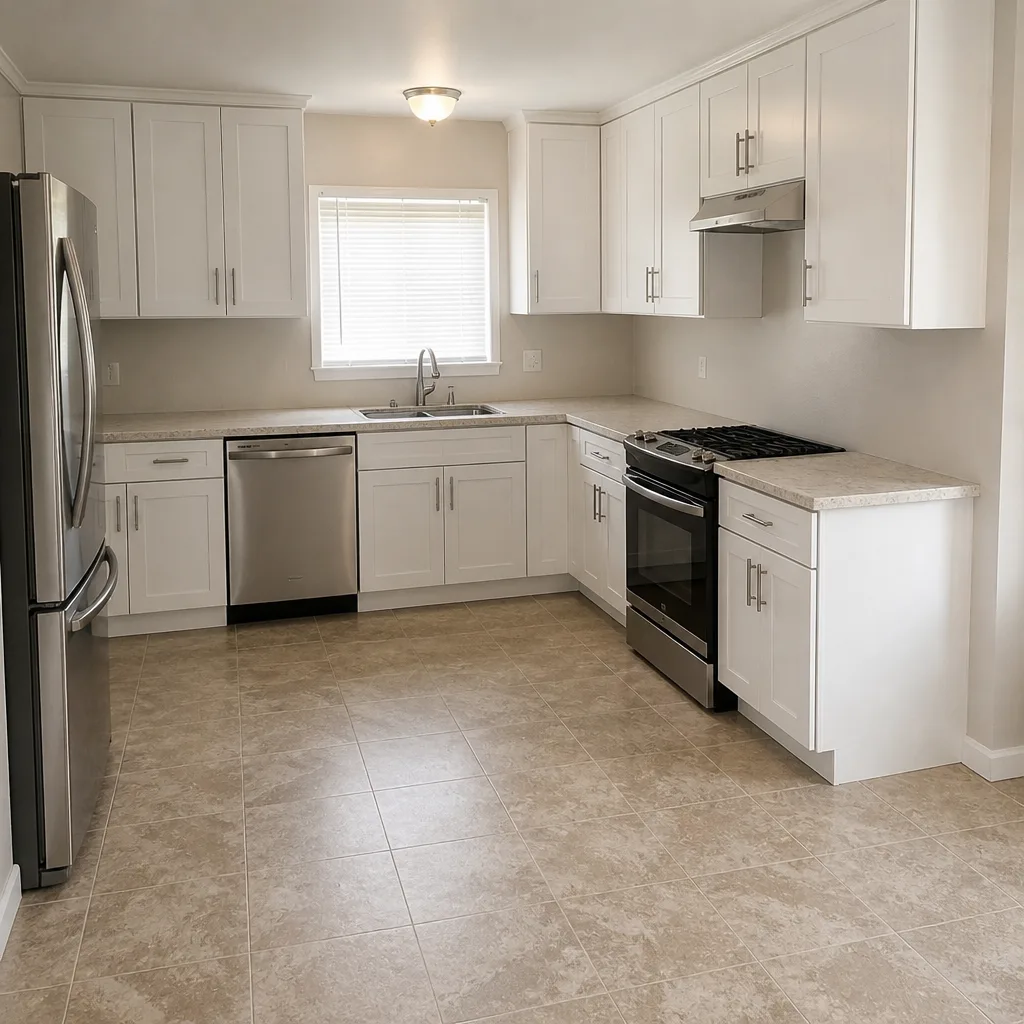 After
When to Call a Professional
Call a licensed professional when you see or feel any of the following: a soft spot in the floor near a shower or toilet, a crack in a shower pan or curb, water stains on a ceiling or wall near a remodeled area, a caulk line that can’t be solved with a simple re-caulk because the gap keeps reopening, exterior flashing that’s lifted, or any plumbing leak you can’t trace. Also call if a permitted part of your remodel needs repair; DIY corrections can complicate the permit and the warranty. Mason Remodeling Co Las Vegas offers free estimates in Las Vegas – call (844) 797-1112. A live person answers every call, day or night.
Frequently Asked Questions

Seal grout every 12 months in kitchens and baths, and inspect it every six. The desert’s low humidity and high heat dry grout out faster than the 18-to-24-month cycle national guides recommend, so a once-a-year reseal is the safer baseline.
It can. Most workmanship warranties, including ours, expect the homeowner to perform specified routine maintenance like caulk inspection, grout sealing, and exhaust fan cleaning. If a failure traces to neglected maintenance, that part of the claim may not be covered. Keep a log and call (844) 797-1112 if you’re unsure about a task.
Cleaning grout, re-caulking interior joints, cleaning exhaust fans, replacing filters, and inspecting and photographing the work are all safe to do yourself. Shower pan repairs, plumbing and electrical work beyond a fixture swap, roof flashing, and any permitted correction require a licensed professional.
Yes, it’s common. Las Vegas’s dry air and UV exposure break caulk down in roughly 18 months, about half the timeline manufacturers assume. Re-caulking at the first sign of cracking, rather than waiting for a leak, prevents water from getting behind the joint.
Routine maintenance like re-caulking, grout sealing, and fan cleaning doesn’t require permits. Any repair touching plumbing, electrical, structural, or envelope work does. If your remodel included permitted work, call (844) 797-1112 before you repair it, so the permit stays in compliance.
A routine maintenance visit typically takes one to two hours depending on scope. That’s not an emergency call; it’s planned upkeep, and we’ll give you a written price before any work starts. If you’re in Las Vegas and want it scheduled around your calendar, call (844) 797-1112 for a free estimate.
The Bottom Line
Maintenance in Las Vegas runs on a tighter clock than national guides assume. Caulk and grout fail in about 18 months here, and the tasks tied to your warranty, like caulk inspection, grout sealing, and exhaust fan cleaning, are the ones most homeowners skip. The calendar is straightforward: check every six months, reseal annually, and act before the heat each spring. Log every task with a date and photo so a claim is easy to resolve. Protecting the structural work underneath is what protects your resale value, and that’s the whole point. Call Mason Remodeling Co Las Vegas at (844) 797-1112 for a free estimate and a documented maintenance plan for your home.
Written by the team at Mason Remodeling Co Las Vegas.