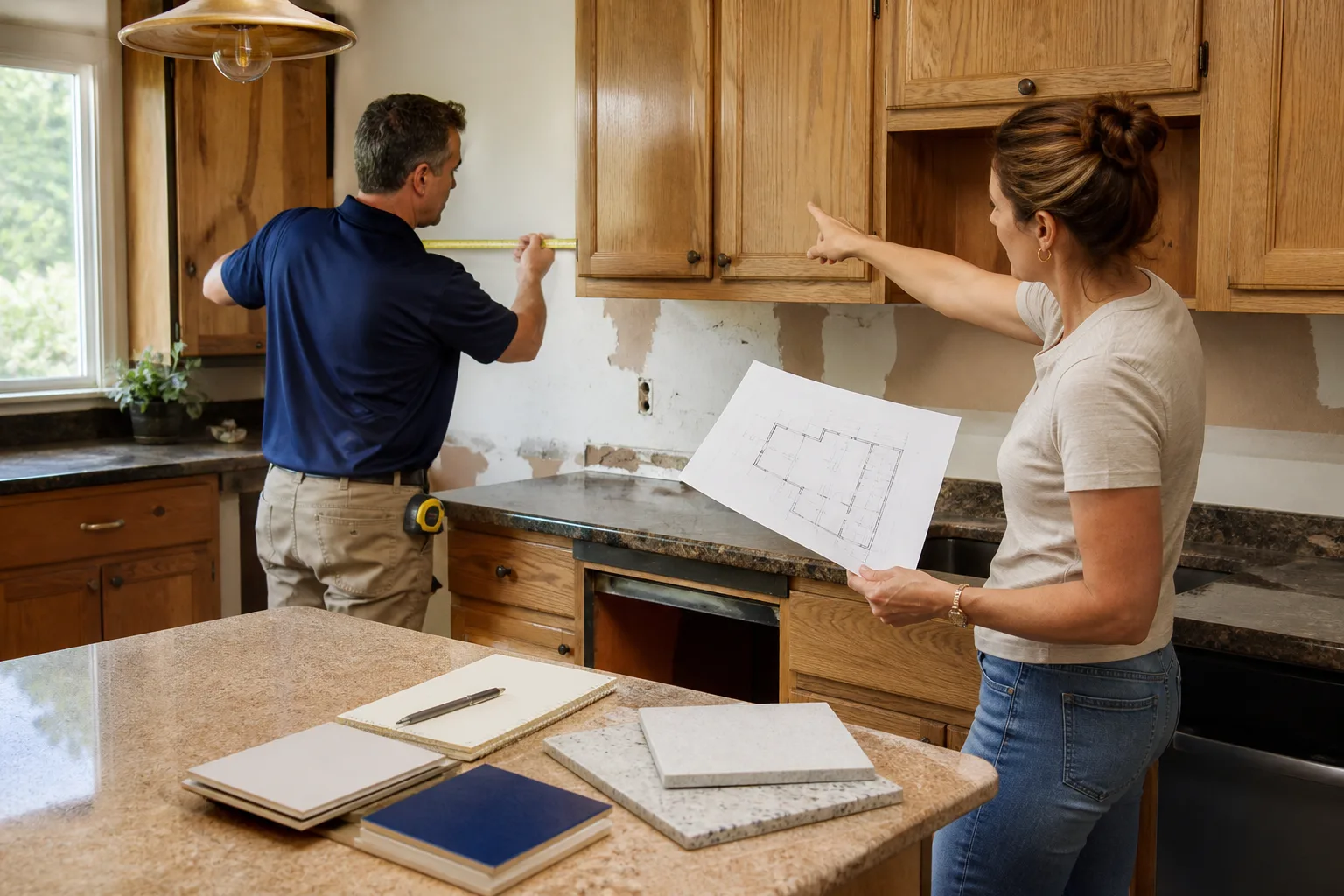
Free written scope consultation - allowances, timeline, and change-order rules on paper before a single trade is scheduled
Styles & brands we work with
- Kitchen remodeling
- Bathroom remodeling
- Home additions & ADU
- Roofing
- Windows & doors
- Driveway & pavers
- Fence
See the difference
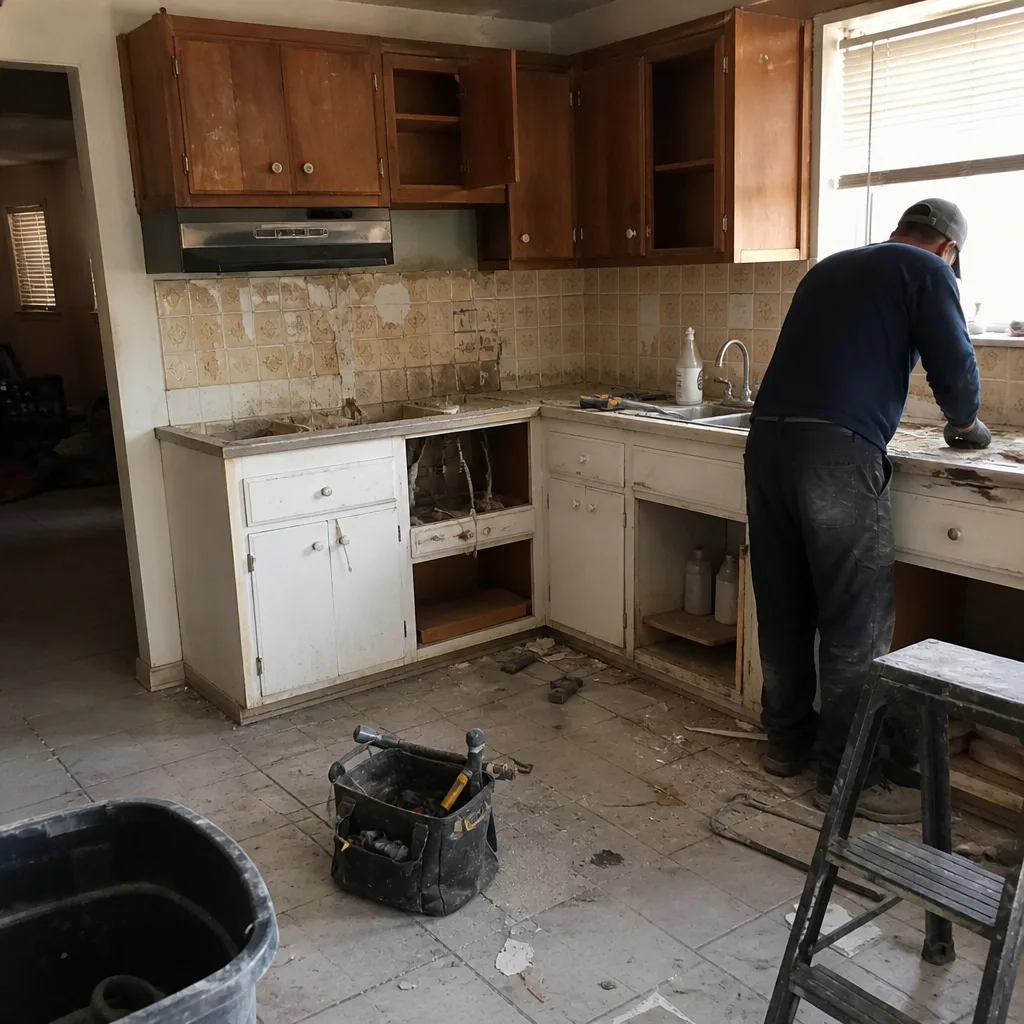 Before
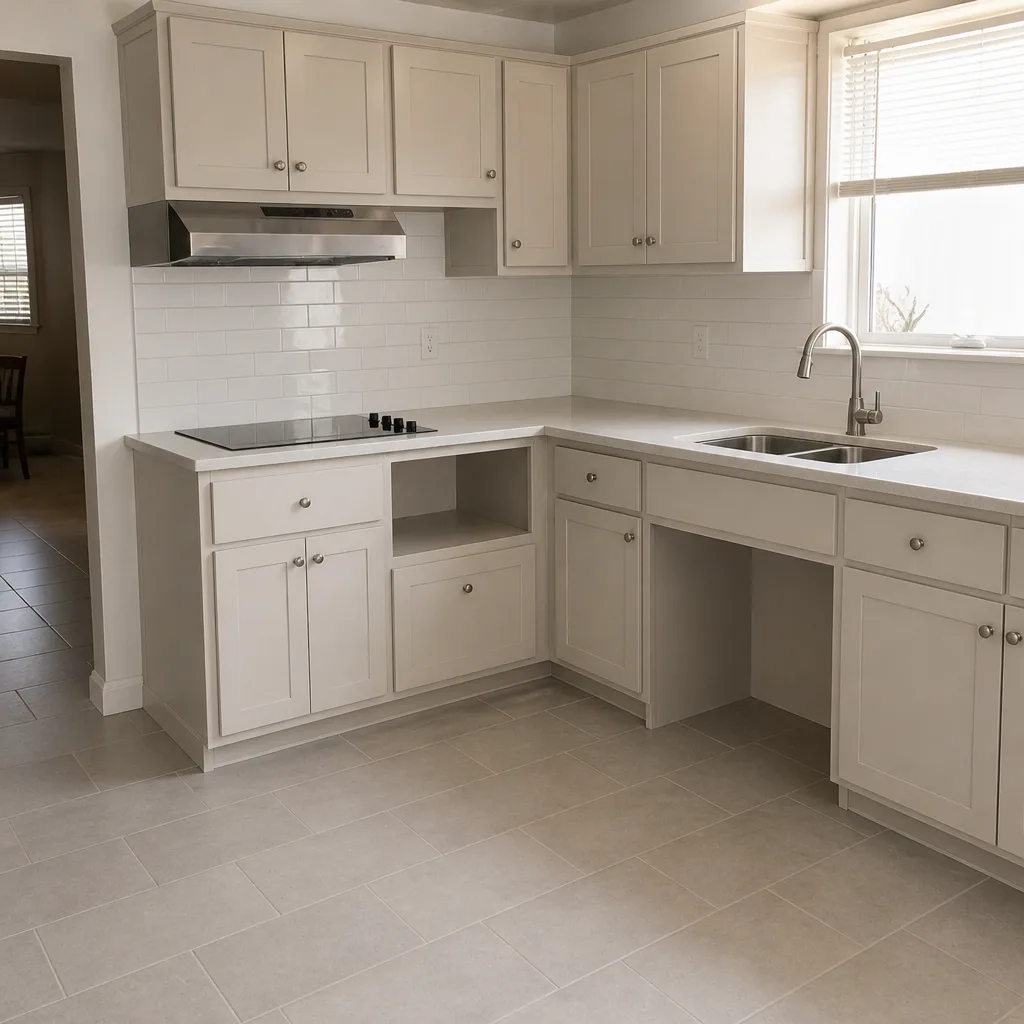 After
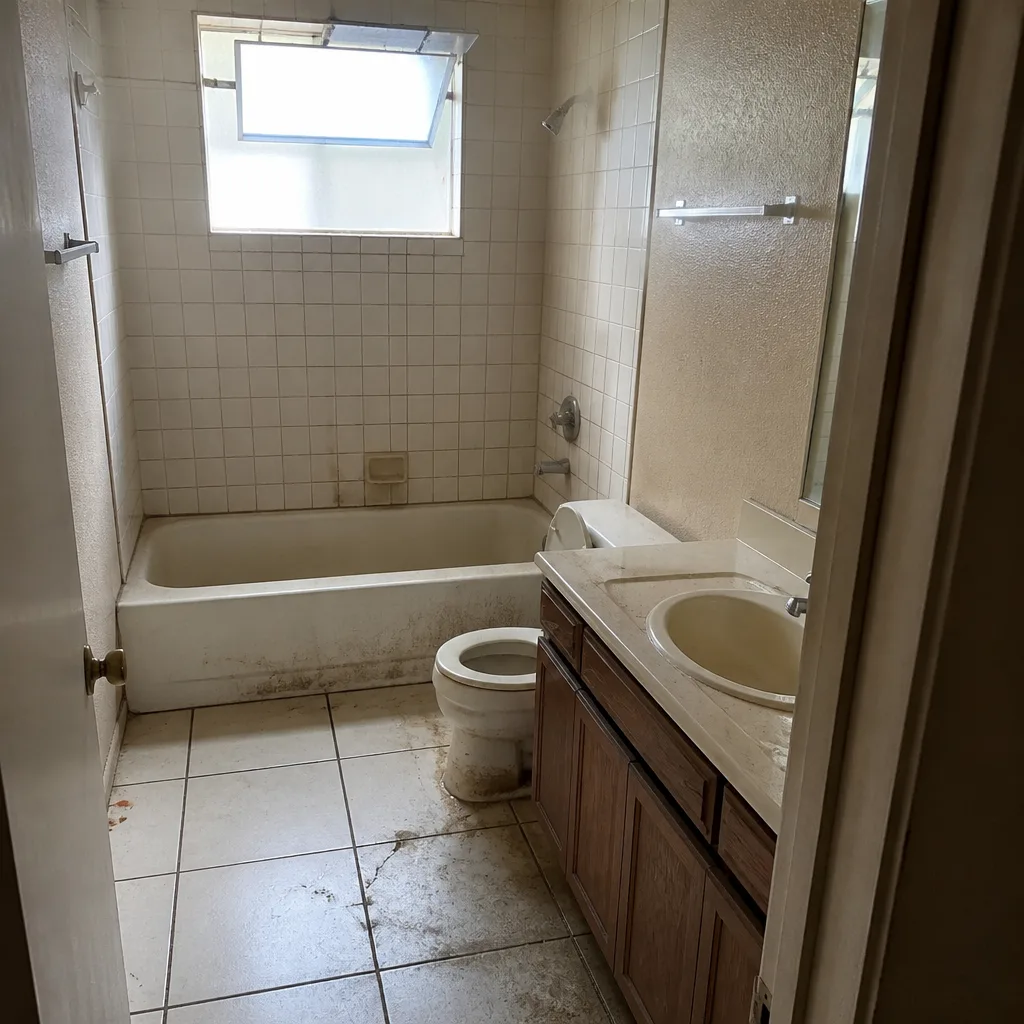 Before
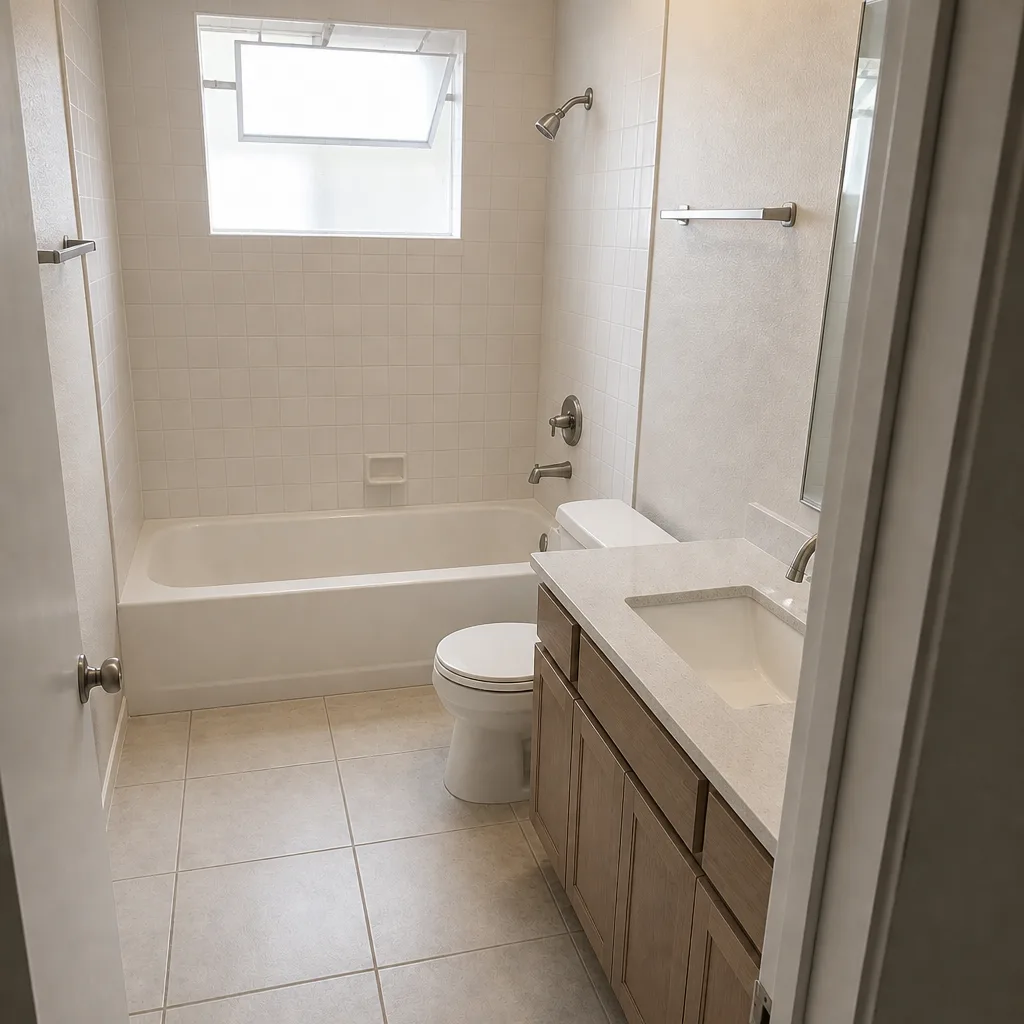 After
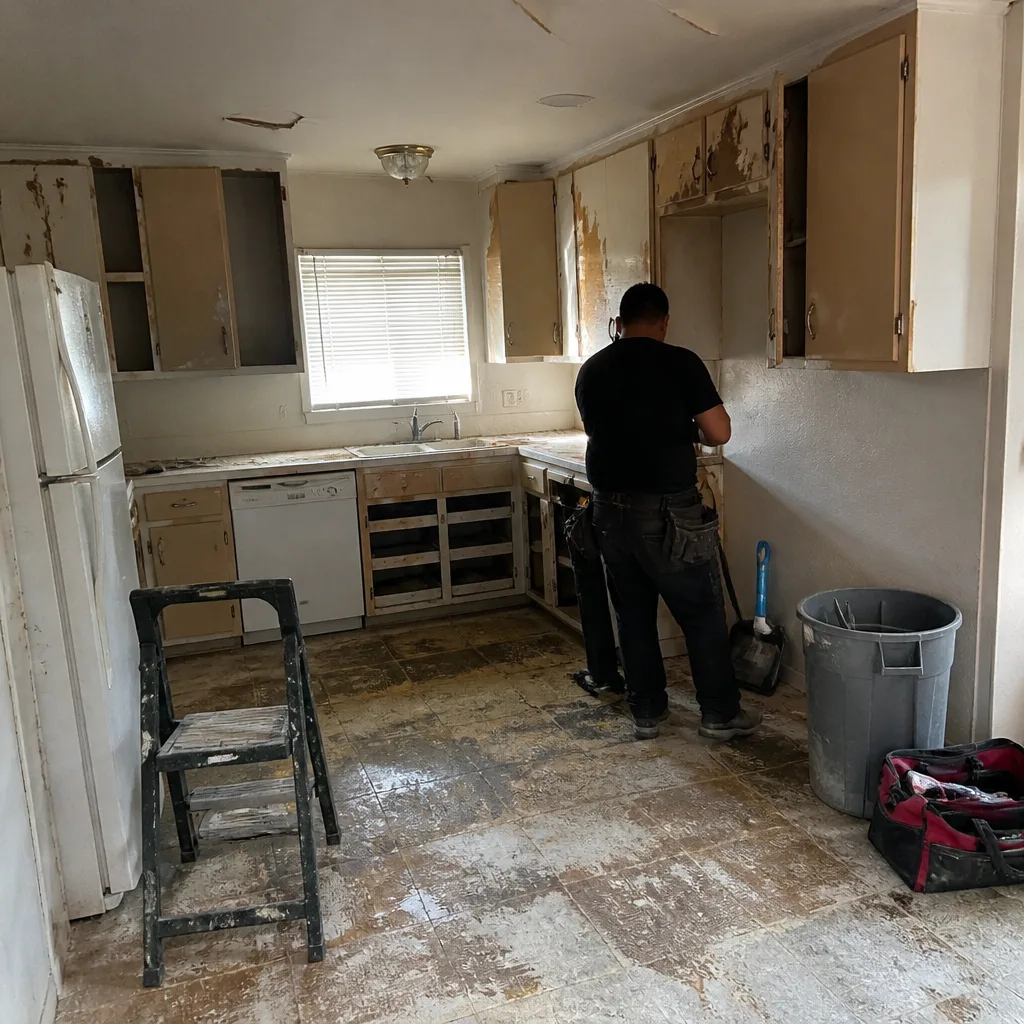 Before
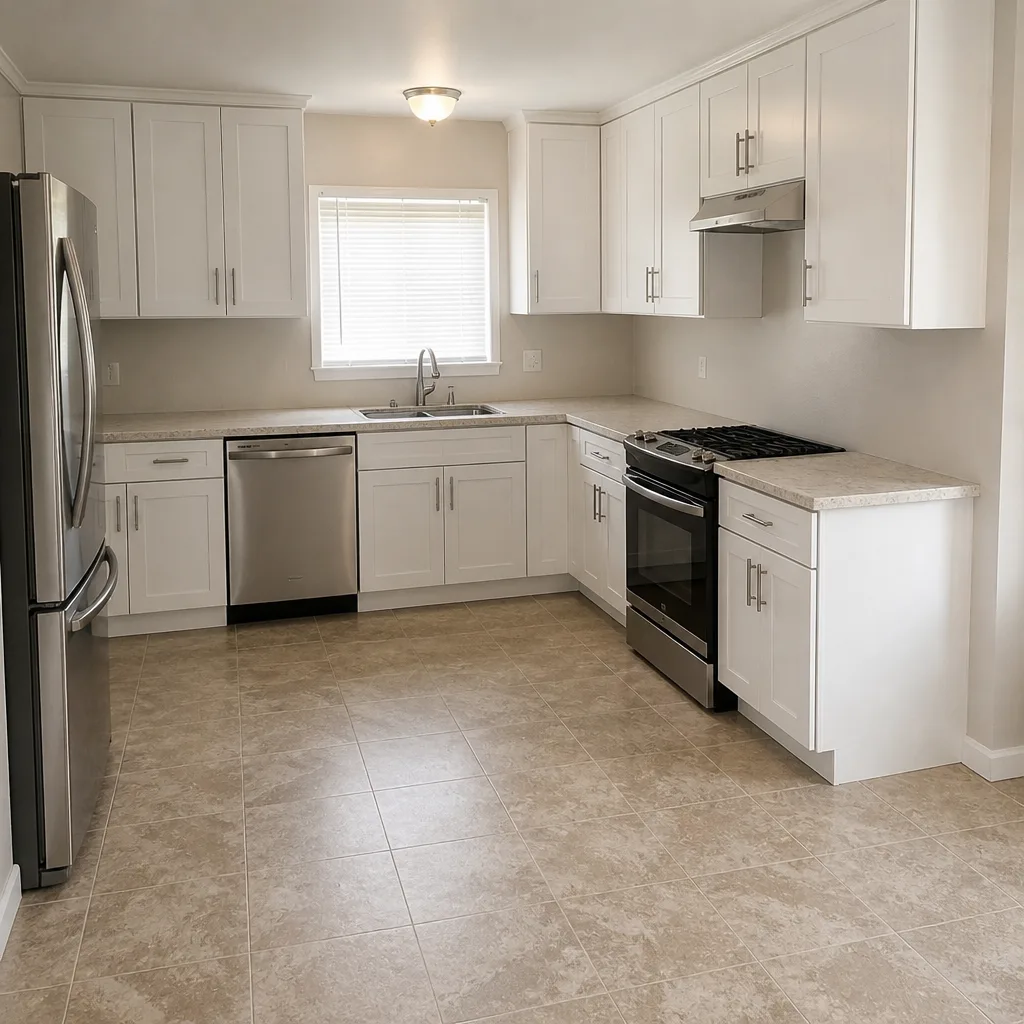 After
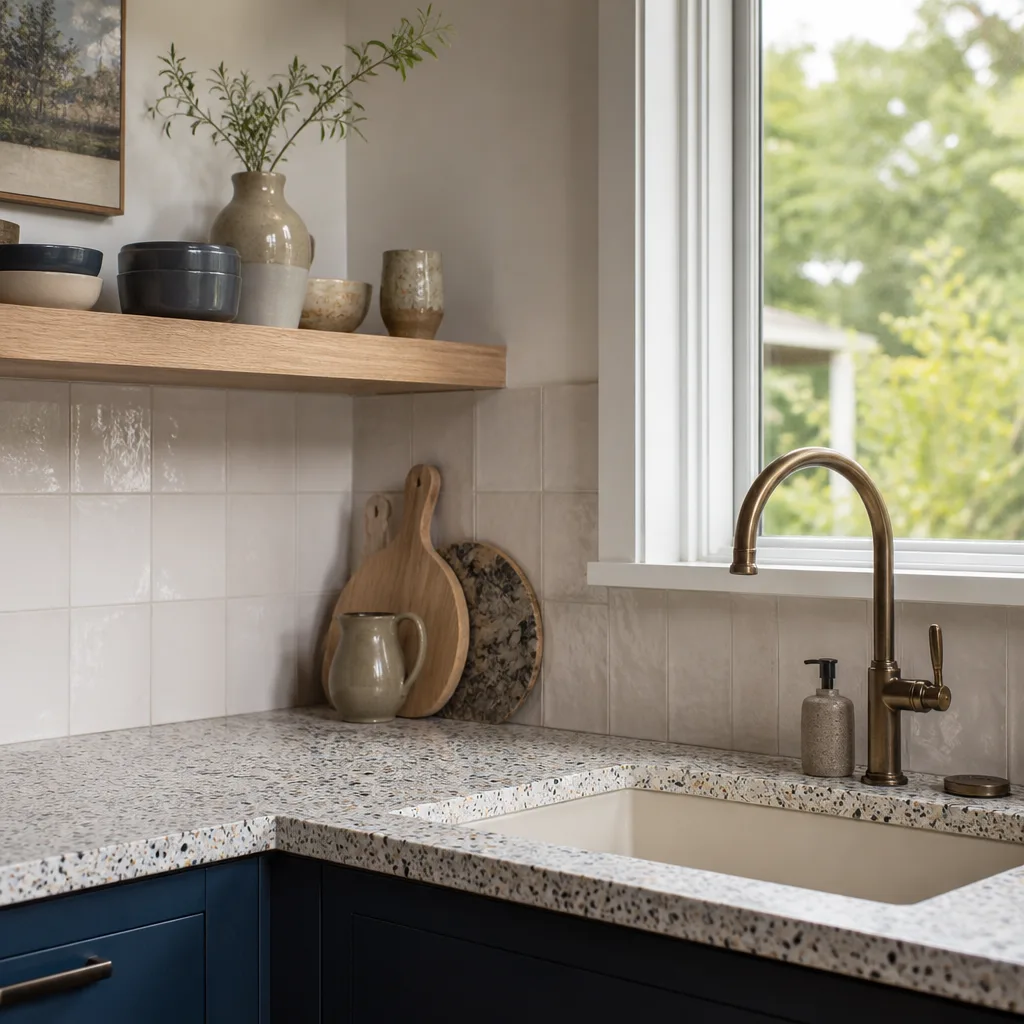
Quartz vs Granite Countertops in Las Vegas, NV: Which Should You Choose?
Choose quartz unless you’re building a counter in a covered outdoor patio, where granite’s UV stability wins. For every indoor kitchen in Las Vegas, quartz is the more durable choice, and the reason is local: granite sealant is rated for annual reapplication in a normal climate, but UV intensity and sub-5% humidity days here burn through that sealant in six to eight months. That means your “low maintenance” granite is actually on a Las Vegas maintenance schedule nobody warned you about. Countertop installation in Las Vegas typically runs $2,000-$6,500, and a full kitchen remodel runs $14,000-$45,000. Call (844) 797-1112 and we’ll put a written price together before any work starts.
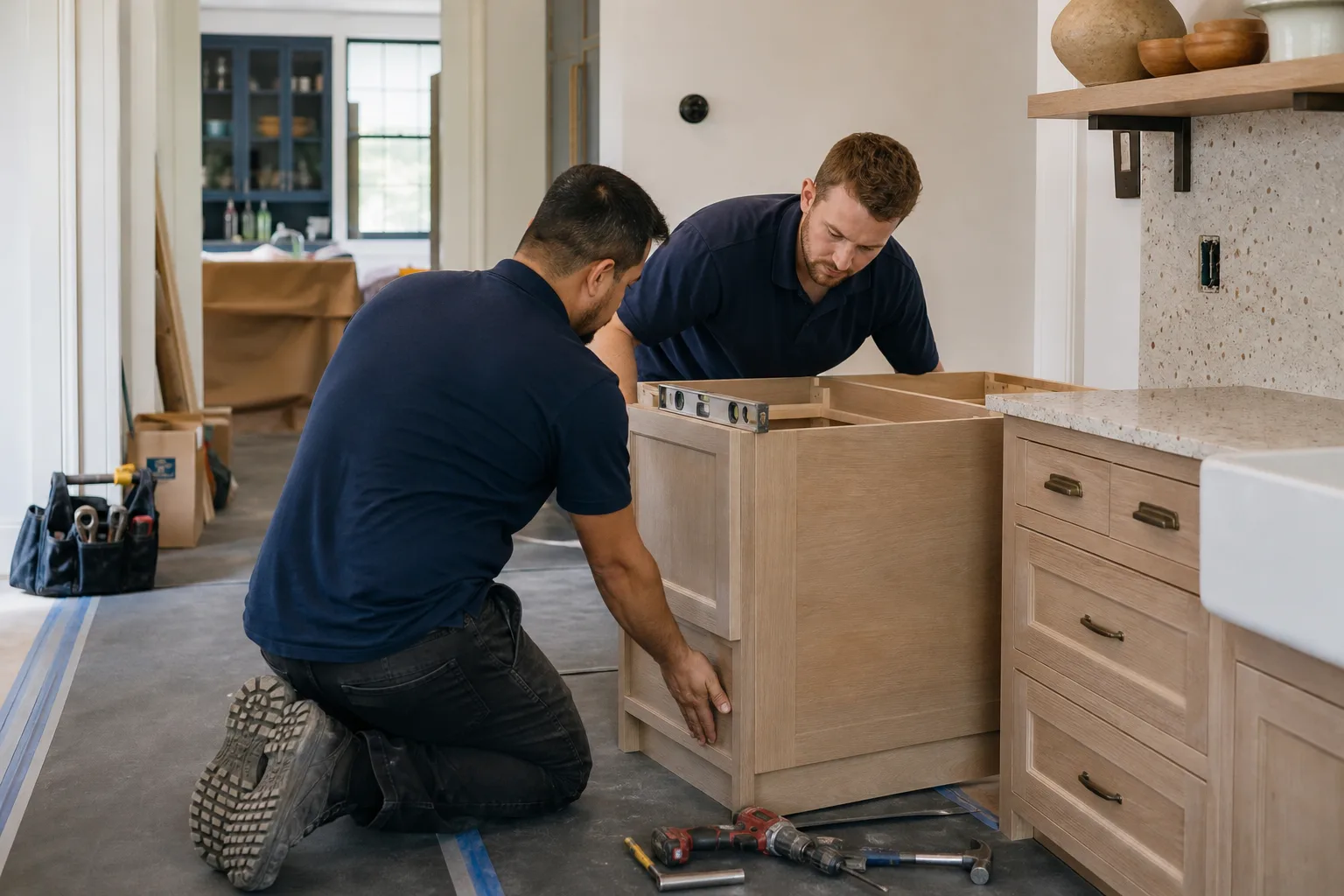
The Sealant Problem Nobody Mentions in the National Comparisons
Every generic comparison tells you granite needs sealing once a year. That schedule assumes a temperate climate, and Las Vegas isn’t one. The valley averages 294 sunny days a year, and summer afternoon relative humidity routinely drops below 10%. Sealant doesn’t just wear off from use; it degrades from UV exposure and desiccation. Both happen here faster than the product label assumes.
What that looks like in practice: by month seven or eight, a sealed granite surface in a Henderson or Summerlin kitchen starts behaving like unsealed stone. Water beads less. Oil from a spilled vinaigrette sits long enough to leave a shadow. Wine, tomato sauce, and citrus are the usual first offenders. Once a stain sets in porous granite, it can be pulled out, but the fix is a poultice and time, not a wipe.
Quartz doesn’t have this problem. Cambria, Silestone, and Caesarstone are engineered surfaces sealed at fabrication. There’s no reapplication cycle, so the “low maintenance” claim actually holds in a climate that punishes surface coatings. That’s not an aesthetic preference. It’s a measurable durability difference, and in Las Vegas it’s the difference between a counter you reseal every spring and one you just wipe down.
The Heat Argument, Reversed
The most common pro-granite point is heat resistance: granite is stone, quartz is resin-bound, and a hot pan will scorch quartz. It’s a real concern, but the comparison gets stretched in ways that don’t hold up.
In a Las Vegas kitchen, heat exposure from cooking is the same as anywhere else. Your stovetop puts out the same BTUs in Summerlin as it does in Seattle. The question isn’t whether quartz handles ambient kitchen temperature (it does) but whether you set hot pans directly on the counter. All three of those manufacturers rate their surfaces for normal cooking heat. The scorch risk is a trivet problem, not a climate problem.
Granite is genuinely more forgiving of direct high heat. If you regularly pull a 450°F cast-iron skillet off the burner and set it down wherever, granite tolerates that better. But that’s a five-second habit change, not a reason to accept a six-month sealing cycle in a desert climate.
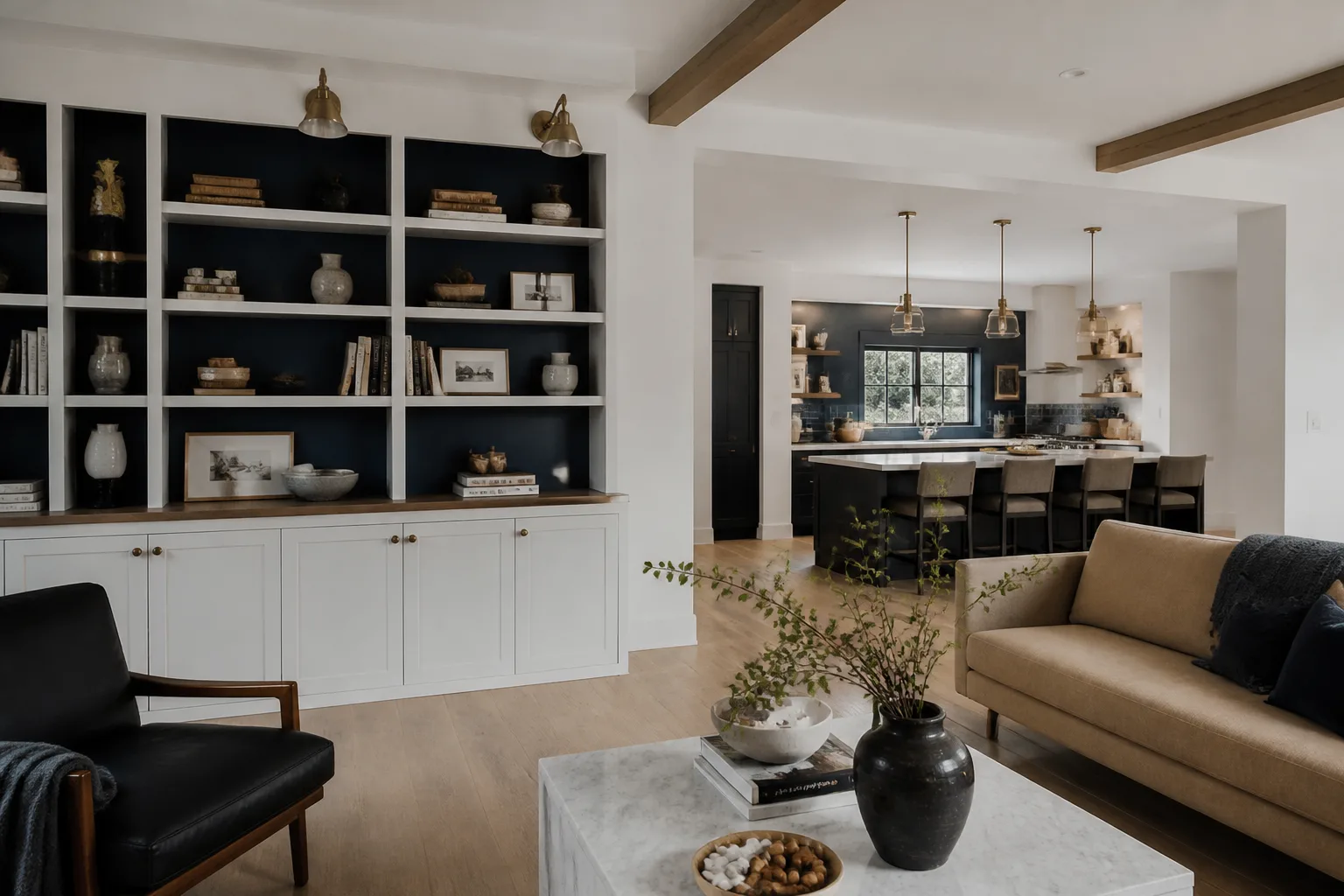
The One Place Granite Wins in Las Vegas
Outdoor kitchens on covered patios are the exception. Granite is UV-stable; it will not change color no matter how much indirect desert sun it catches. Some quartz formulations can experience color shift after prolonged indirect UV exposure, especially lighter whites and creams. If you’re building a bar counter on a covered patio in Anthem or Southern Highlands, granite is the defensible choice, and we’ll tell you so.
For an indoor kitchen with a window that gets two hours of afternoon sun, this doesn’t apply. Glass blocks most UV-B, and you’re not putting an outdoor bar in your kitchen.
Resale in Las Vegas: What Buyers Actually Calculate
The valley’s buyer pool skews toward investors and short-term rental operators, and they’re running a different math than a primary-home buyer. They’re calculating operational cost: how much per year to maintain, how much downtime between tenants, what a cleaner charges to keep the surface looking right. Quartz’s sealed-at-fabrication surface is a verifiable selling point in that calculation. A listing agent can show a prospective buyer a quartz counter with no sealing schedule attached. That’s a real number, not an aesthetic one.
For primary homes in 1990s and 2000s stucco-on-frame tract housing across the valley, the same logic applies. Buyers comparing two similar homes in Green Valley Ranch will weight the one with zero maintenance obligations more heavily than the one with a “reseal annually” note in the disclosure.
Side-by-Side Comparison for Las Vegas Kitchens
| Factor | Quartz (Cambria, Silestone, Caesarstone) | Granite |
|---|---|---|
| Sealing | None, sealed at fabrication | Every 6-8 months in Las Vegas, not 12 |
| Stain resistance | High, non-porous | Good when sealed; porous when sealant breaks down |
| Heat tolerance | Normal cooking heat fine; trivets required for hot pans | More forgiving of direct high heat |
| UV stability | Some light shades can shift in prolonged indirect UV | Excellent; no color shift |
| Best use indoors | Recommended | Workable, with a real sealing habit |
| Best use outdoors (covered patio) | Check with manufacturer on light shades | Recommended |
If you’re remodeling a full kitchen and want to see how the counter decision fits the rest of the project, our Kitchen Remodeling in Las Vegas page walks through layout, cabinetry, and how the surface choice ripples through the budget.
What Countertop Installation Costs in Las Vegas
Homeowners ask you to compare quartz and granite on price as if the two numbers float free of everything else. They don’t. The real variables are slab size, edge profile, cutouts for sink and cooktop, and whether the material needs a seam in the layout you want. Cambria, Silestone, and Caesarstone sit in a similar range to mid-grade granite, and the delta is usually smaller than people expect once fabrication and installation are in the written price.
- Countertop installation (quartz or granite): $2,000-$6,500
- Backsplash installation: $800-$2,500
- Kitchen island installation: $3,000-$10,000
- Cabinet installation (if you’re doing the full run): $4,000-$13,000
- Full kitchen remodel: $14,000-$45,000
We put fabrication and installation in the written price so the two materials compare apples-to-apples. If a granite quote excludes the templating visit or seam work and a quartz quote doesn’t, that difference gets hidden in the final bill. We don’t do that.
Why We Recommend Looking at the Actual Slab
A sample chip lies. Quartz veining looks bolder at slab scale; granite can have dramatic movement that reads as blotchy in a 4-inch square. The Threshold Standard applies to every surface we specify: we work with Cambria, Silestone, and Caesarstone through specification-grade partnerships, which means you see the actual material going into your kitchen, not a catalog sample.
Mason Remodeling Co Las Vegas is part of the Threshold Group, and every crew member is identity-verified and introduced by name and photo before they arrive. We also carry brands like KraftMaid and Wellborn for cabinetry, and Kohler and Moen for fixtures, so the full kitchen comes from spec-grade partners rather than whatever the distributor had on hand. That, plus the 365-Day Done Right Promise, is what the “no-pressure assessment” actually means in practice: a written price, in writing, before the first tool comes out of the truck. If you want the full picture of how a remodel runs, start with our home page.
FAQs
Quartz and granite cost roughly the same in Las Vegas once installation is included, typically $2,000-$6,500 for a standard kitchen counter installation. The price gap that does exist comes from slab selection, edge profile, and seam layout, not from the material category itself. Call (844) 797-1112 for a written price on your specific layout.
No, it needs sealing more often, every six to eight months. The annual schedule on the product label assumes a temperate climate; Las Vegas’s 294 sunny days and summer humidity below 10% degrade sealant faster than that. If you go with granite indoors, plan on resealing twice a year. Call (844) 797-1112 and we’ll walk through what that maintenance looks like on the counter you’re considering.
Yes for a covered patio, but check the specific formulation first. Some lighter quartz shades can experience color shift from prolonged indirect UV exposure; darker shades and most modern formulations are fine under cover. Granite is the safer pick for an open patio. Call (844) 797-1112 and we’ll confirm manufacturer guidance for the slab you want.
Repair is almost always cheaper, usually a few hundred dollars for a professional poultice, versus $2,000-$6,500 to replace. But if the sealant has been neglected for years and stains have set deep, replacement starts to make sense. Call (844) 797-1112 and we’ll tell you honestly which side of that line you’re on.
If you’d rather have it looked at, Mason Remodeling Co Las Vegas offers a no-pressure assessment in Las Vegas. We’ll bring the material samples, put a written price in front of you before any work starts, and stand behind the installation with the 365-Day Done Right Promise. Call (844) 797-1112.
Written by the team at Mason Remodeling Co Las Vegas, serving Las Vegas, NV.