Last updated November 18, 2026








Free written scope consultation - allowances, timeline, and change-order rules on paper before a single trade is scheduled
Bathroom Remodeling Maintenance Schedule: What to Do and When
Silicone caulk in a Las Vegas shower has a functional life of two to three years, not the ten years the tube promises. UV exposure through skylights and hard water mineral buildup break the seal long before manufacturers test for it. That gap between what the label says and what your bathroom actually needs is where remodels quietly fall apart. This guide gives you the maintenance schedule most contractors never hand over at project completion, organized by task frequency, so the money you put into a remodel keeps paying you back instead of degrading in silence.
Quick Answer
A remodeled bathroom needs four maintenance rhythms: weekly rinsing and wiping of wet surfaces, monthly descaling of fixtures and glass in hard water areas, annual re-caulking and grout sealant checks, and five-year plumbing inspections like valve cartridges and supply lines. In Las Vegas, the hard water and extreme heat accelerate every one of these timelines, which is why a schedule built for a humid climate will fail here. Skip this work and you’ll see failed grout, cloudy glass, and trapped moisture within two to three years.
Styles & brands we work with
- Kitchen remodeling
- Bathroom remodeling
- Home additions & ADU
- Roofing
- Windows & doors
- Driveway & pavers
- Fence
Table of Contents
- Why a Maintenance Schedule Matters More in Las Vegas
- Weekly Tasks: The Squeegee Protocol
- Monthly Tasks for Hard Water
- Annual Tasks: Caulk, Grout, and Shower Pan
- Ventilation Fan Maintenance
- Five-Year Tasks: Cartridges and Supply Lines
- What Voids a Warranty and How to Document
- Common Mistakes to Avoid
Why a Maintenance Schedule Matters More in Las Vegas
Las Vegas water runs hard. The mineral content leaves white deposits on glass, chrome, and porcelain faster than in most of the country. Combine that with summer temperatures that regularly top 110 degrees and low humidity that pulls moisture out of grout and caulk, and you have a bathroom under constant stress. The same materials that last a decade in a mild climate may need attention in three years here.
We’ve seen the pattern repeatedly in Bathroom Remodeling in Las Vegas projects across the valley. A homeowner spends real money on tile, a Kohler or Moen fixture package, and a new shower pan, then never touches any of it again. Two years later the caulk joint at the shower floor is black, the grout near the drain is crumbling, and water is finding its way into the subfloor.
A bathroom remodel is an asset. It adds resale value if it stays in good shape. It loses value fast if it doesn’t. The difference between those two outcomes is rarely the quality of the install. It’s whether anyone bothered to maintain it afterward.
Key Takeaways:
- Las Vegas hard water and heat shorten maintenance intervals by roughly 30 to 50 percent compared to national averages.
- Squeegee after every shower, descale monthly, re-caulk every two to three years.
- Grout sealant needs reapplication once a year in wet areas, not every five.
- Document every maintenance task to protect manufacturer warranties on fixtures and tile.
Weekly Tasks: The Squeegee Protocol
The single highest-return habit in a Las Vegas bathroom costs about eight dollars and thirty seconds per shower: squeegee the glass and rinse the walls. That’s it.
Hard water leaves mineral deposits that etch into glass and dull the finish on fixtures. Once deposits cure onto the surface, they’re hard to remove without abrasive products that strip protective coatings. A squeegee takes the moisture off before the minerals can settle. Weekly, give the whole bathroom a wipe-down: shower walls, faucet handles, the toilet base, and any chrome or brushed nickel fixtures.
- Squeegee the shower glass and door edges after every use, working top to bottom.
- Once a week, rinse the shower walls with warm water and wipe dry with a microfiber cloth.
- Wipe faucet bodies and handles dry, especially the Kohler or Delta fixtures where water pools on the base.
- Check the caulk lines at the tub and shower corners for any dark spots forming.
- Run the ventilation fan for at least 20 minutes after the last shower of the day.
In our experience across Las Vegas remodels, the homeowners who keep up with the squeegee have shower glass that still looks clear after five years. The ones who don’t are the ones calling us about cloudy glass and degraded finishes. It’s that simple.
Monthly Tasks for Hard Water
Once a month, you need to descale. This is a hard water market, so descaling fixtures, shower heads, and glass is not optional housekeeping. It’s a protective measure that keeps minerals from bonding to surfaces.
Here’s what to do monthly and what to use carefully:
- Descale shower heads. Remove the head, soak it in 50/50 white vinegar and water for 30 minutes, rinse, and reinstall.
- Descale faucets and aerators. Unscrew the aerator, soak in white vinegar, and scrub lightly with an old toothbrush.
- Clean glass with a hard water-safe product. Avoid abrasive powders that scratch glass and strip protective coatings.
- Wipe chrome and brushed nickel with a mild soap solution. Rinse and dry completely.
What damages grout sealant: acidic cleaners like vinegar at full strength on grout lines, bleach-heavy products, and scrub brushes with stiff bristles. These break down sealant faster than hard water does. Use a pH-neutral tile cleaner on grout and save the vinegar for fixtures only.
For bathroom remodels with natural stone or specific surface materials, ask which cleaners are safe before you bring anything home. General Contractor in Las Vegas projects that include stone surfaces often come with a manufacturer’s care sheet, and it’s worth keeping.
Annual Tasks: Caulk, Grout, and Shower Pan
Once a year, set aside a weekend morning. This is the inspection and sealing pass. It’s the most important line of defense against water finding its way into places it shouldn’t.
Re-caulking timeline: In Las Vegas, silicone caulk at the shower floor, corners, and tub apron typically needs replacement every two to three years. Don’t wait for it to look bad. Examine the joint by pressing on it. If it’s pulling away from the tile or feels soft underneath, it’s failed and needs to be replaced. Remove old caulk completely before applying new. Caulk over old caulk is a shortcut that traps moisture.
Grout sealant reapplication: Once a year in wet areas, test the grout by dripping a few drops of water on the surface. If the water beads up, the sealant is holding. If it soaks in within a minute or two, it’s time to reseal. Clean thoroughly, let it dry completely (24 hours minimum), then apply a penetrating grout sealant according to the product directions.
Shower pan inspection: Here’s how to check for early leak signals:
- Look at the caulk joint where the shower floor meets the wall tile. Any separation, cracking, or discoloration is a signal.
- Check the drain flange and the grout lines radiating from it for cracks or dark spots.
- On a first-floor shower, look at the ceiling below after a long shower for water staining.
- Press on the shower floor tile across the pan. A hollow sound or a tile that flexes means the setting bed may be compromised.
- Check for a musty smell that doesn’t clear after the room dries out.
If any of those signs show up, stop using the shower and get eyes on it. A shower pan leak that’s caught early is a repair. One that runs for months turns into subfloor and framing work, and that’s a much bigger number. We’ve handled both, and the early catch is always the better outcome.
Ventilation Fan Maintenance
A dirty bathroom fan motor is one of the most overlooked causes of tile and grout deterioration, even in a dry climate. The fan’s job is to pull moisture out of the room. When dust and lint clog the blades and motor, airflow drops, moisture lingers, and the grout and caulk take the hit.
Clean the fan grille every three months by removing the cover and washing it in warm soapy water. Every six months, vacuum the fan housing and blades with a brush attachment. Listen to the fan. If it rattles, hums loudly, or sounds labored, it’s likely running inefficiently and ready for service or replacement.
Test the fan’s actual pull by holding a piece of toilet paper near the grille. If it doesn’t stick, the fan is moving almost no air. That’s a sign the motor is clogged or failing. A replacement fan is a modest cost and one of the better investments in a Las Vegas bathroom.
Five-Year Tasks: Cartridges and Supply Lines
Every five years, go deeper. Two tasks here prevent the kind of silent failure that shows up as a puddle on the floor at the worst possible moment.
Valve cartridge inspection: Faucets and shower valves have cartridges that control water flow and temperature. Over time, hard water minerals wear on the cartridge seals and the valve can start to drip or seize. Have a plumber or contractor inspect cartridges at the five-year mark. On Kohler and Moen fixtures, replacement cartridges are widely available. If the handle feels stiff or the temperature won’t hold steady, that’s a sign.
Toilet supply line replacement: The braided stainless line feeding your toilet from the wall valve is a small part that fails quietly and causes a lot of damage. Replace it at five to seven years. This is inexpensive and takes minutes. While you’re at it, check the shutoff valve under the sink and behind the toilet. If it won’t close smoothly, replace it while you’re already at work.
Natural stone resealing: If your bathroom has natural stone like marble, travertine, or granite, reseal it every two to three years in showers and every three to five years on vanities. Stone is porous and absorbs water and stains without a seal. A local stone care product and a couple of hours is all it takes.
When remodeling decisions are on the table, working with a contractor who plans for the long-term maintenance picture is worth it. Kitchen Remodeling in Las Vegas projects face the same hard water and heat issues, and we build schedules for both rooms.
What Voids a Warranty and How to Document
Most bathroom fixture and tile warranties require the homeowner to maintain the product according to the manufacturer’s instructions. Skip the maintenance and file a claim, and the manufacturer can deny it. Here’s what typically voids coverage:
- Using abrasive or acidic cleaners the manufacturer warns against.
- Failing to reseal grout or stone within the recommended interval.
- Allowing a known shower pan leak to continue and cause additional damage.
- Improper installation by an unlicensed or unqualified installer, which is why Mason Remodeling Co Las Vegas home documents every install with a written record.
- Modifying the fixture or tile in ways not covered by the spec sheet.
How to document your maintenance: Keep a simple log. Note the date, the task, and any products used. Photograph the caulk lines and grout edges once a year. Save the manufacturer care sheets and the original purchase receipts for fixtures. If a warranty claim ever comes up, this record is often the difference between approval and denial.
Mason Remodeling Co Las Vegas backs its work with the 365-Day Done Right Promise: if something isn’t right within a year of completion, we make it right at no cost to you. A written guarantee on every project states exactly what’s covered, what’s excluded, and for how long. We also offer a free return visit if a repair or installation fails. That’s on top of whatever manufacturer coverage your fixtures carry.
Common Mistakes to Avoid
- Using vinegar on grout. Vinegar is great for descaling fixtures, but the acidity breaks down grout sealant over time. Save it for the metal and keep a pH-neutral cleaner on hand for tile and grout.
- Caulking over old caulk. New silicone won’t bond to a failed bead, and moisture stays trapped underneath. Strip it fully before reapplying.
- Ignoring the ventilation fan. A clogged fan motor means trapped moisture, which is the leading cause of grout deterioration in Las Vegas bathrooms. Clean the grille every three months.
- Waiting for the shower pan to smell. By the time a musty odor shows up, water has usually been traveling for weeks. Inspect the pan during your annual pass.
- Skipping the toilet supply line. This small braided line fails more often than people expect and causes real damage. Replace it at five to seven years.
- Using a stiff-bristle brush on grout. Stiff brushes wear away sealant and can chip the grout itself. Use a soft brush and a light touch.
- Not keeping records. Without a written maintenance log, a manufacturer can deny a warranty claim you’d otherwise win.
See the difference
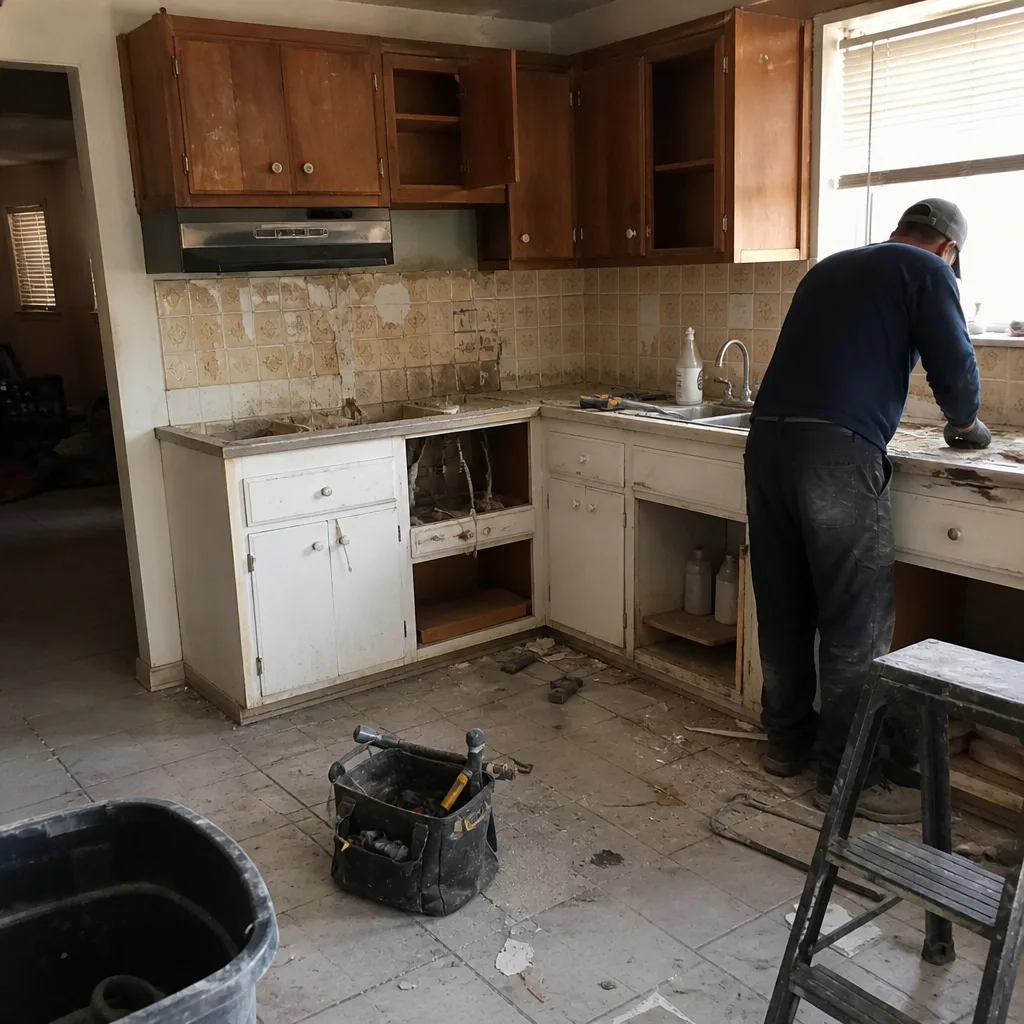 Before
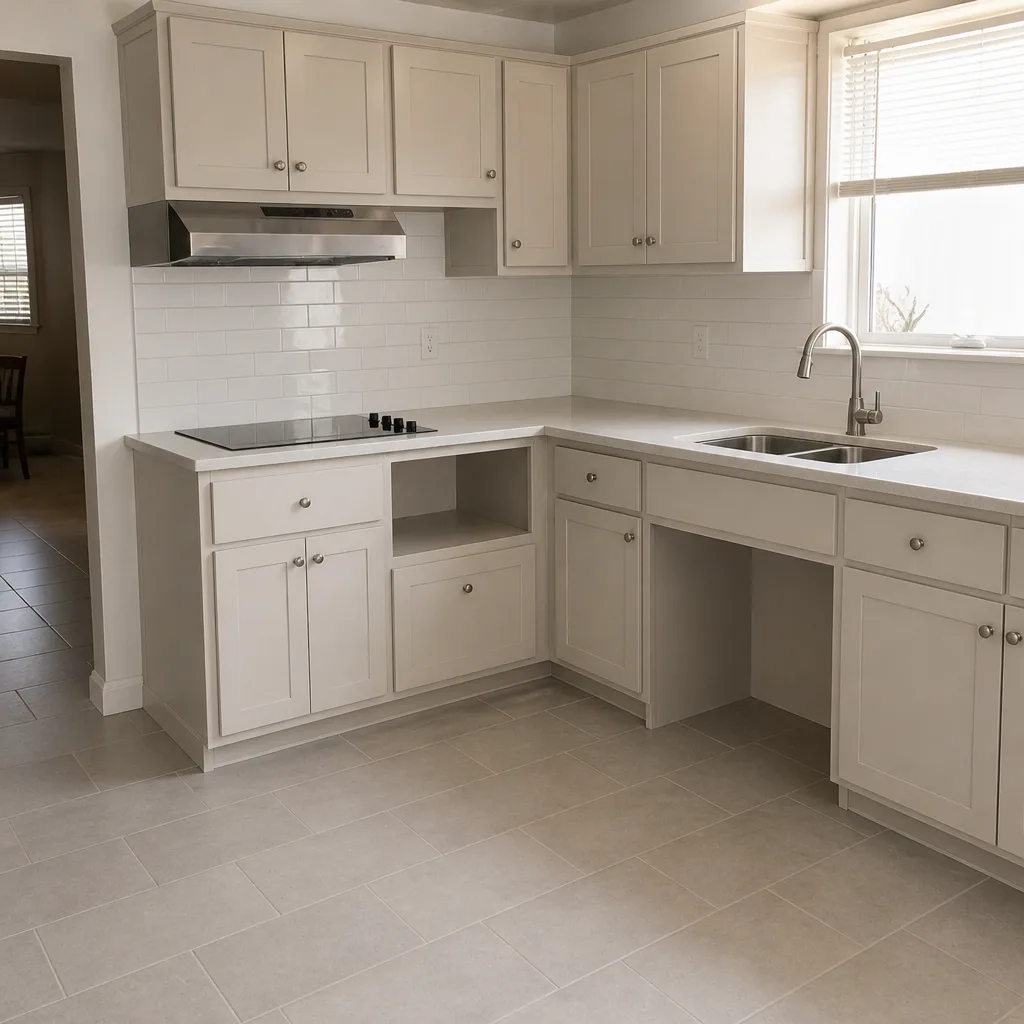 After
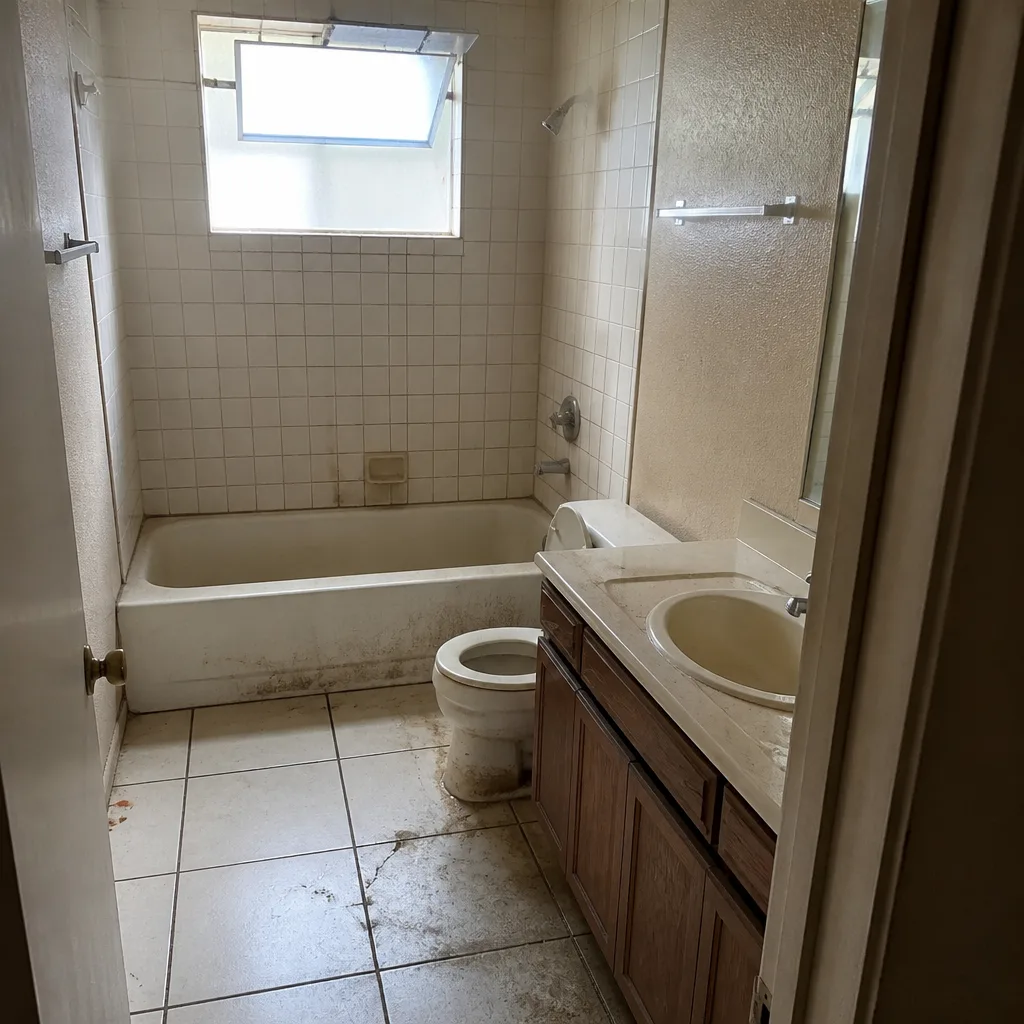 Before
 After
 Before
 After
When to Call a Professional
Some of this schedule is homeowner work. Some of it isn’t. Call a professional when you find a shower pan leak, see water staining on the ceiling below the bathroom, notice a valve that won’t hold temperature, or face a caulk joint that keeps failing in the same spot. Those are signs of a deeper issue that a fresh bead of silicone won’t fix. Tile that feels hollow, grout that crumbles no matter how often you reseal, and a fan that sounds like it’s dying all deserve a trained eye.
Mason Remodeling Co Las Vegas offers free estimates in Las Vegas. Call (844) 797-1112, and you’ll get a written price before any work starts, a background-checked technician introduced by name and photo, and the Threshold Standard on every visit. If the fix turns into a bigger project, we’ll show you what’s going on and what it costs, before a single tool comes out.
Frequently Asked Questions
Every two to three years, not the ten years the tube suggests. UV exposure through skylights and hard water mineral buildup break down silicone faster in Las Vegas than in most climates. Check the joints annually and replace as soon as they pull away or feel soft. Call (844) 797-1112 if you’re not sure whether yours has failed – estimates are free.
Look for separation or discoloration at the caulk joint where the shower floor meets the walls, cracks around the drain flange, a musty smell that won’t clear, or water staining on the ceiling below. Any of those signals means you should stop using the shower and get it inspected. Call us for a free estimate at (844) 797-1112.
No, not on grout. Vinegar is fine for soaking shower heads and faucet aerators to remove hard water deposits, but its acidity breaks down grout sealant. Use a pH-neutral tile cleaner on grout and reserve vinegar for metal fixtures. If you’re unsure what’s safe for your tile, call (844) 797-1112 and we’ll tell you.
Once a year in wet areas like showers and tub surrounds, and every two to three years on floors in dry zones. Test by dripping water on the grout: if it beads, the sealant is holding; if it soaks in, it’s time to reseal. Call (844) 797-1112 for an exact quote on resealing and inspection – estimates are free.
Yes. A clogged fan motor pulls less air, moisture lingers, and grout and caulk deteriorate faster even in a dry climate like Las Vegas. Clean the grille every three months and vacuum the motor housing every six. If the fan sounds labored or won’t hold a piece of toilet paper, it’s time for service.
Using cleaners the manufacturer warns against, skipping required resealing, ignoring a known leak, or improper installation. Keep a written maintenance log with dates and products, and save your purchase receipts and manufacturer care sheets. If you need a warranty-compliant inspection or repair, call (844) 797-1112 for a free estimate.
The Bottom Line

A remodeled bathroom is an asset that either appreciates or quietly degrades. You control which one. The schedule is simple: squeegee weekly, descale monthly, re-caulk and reseal annually, and inspect cartridges and supply lines at the five-year mark. In Las Vegas, hard water and extreme heat compress every timeline, so skip nothing and document everything. Done right, a bathroom remodel holds its value for well over a decade. Leave it alone and you’ll be calling someone about a shower pan leak within three years. Call (844) 797-1112 for your free estimate, and we’ll make sure the work is done correctly the first time.
Written by the team at Mason Remodeling Co Las Vegas.