Last updated November 18, 2026
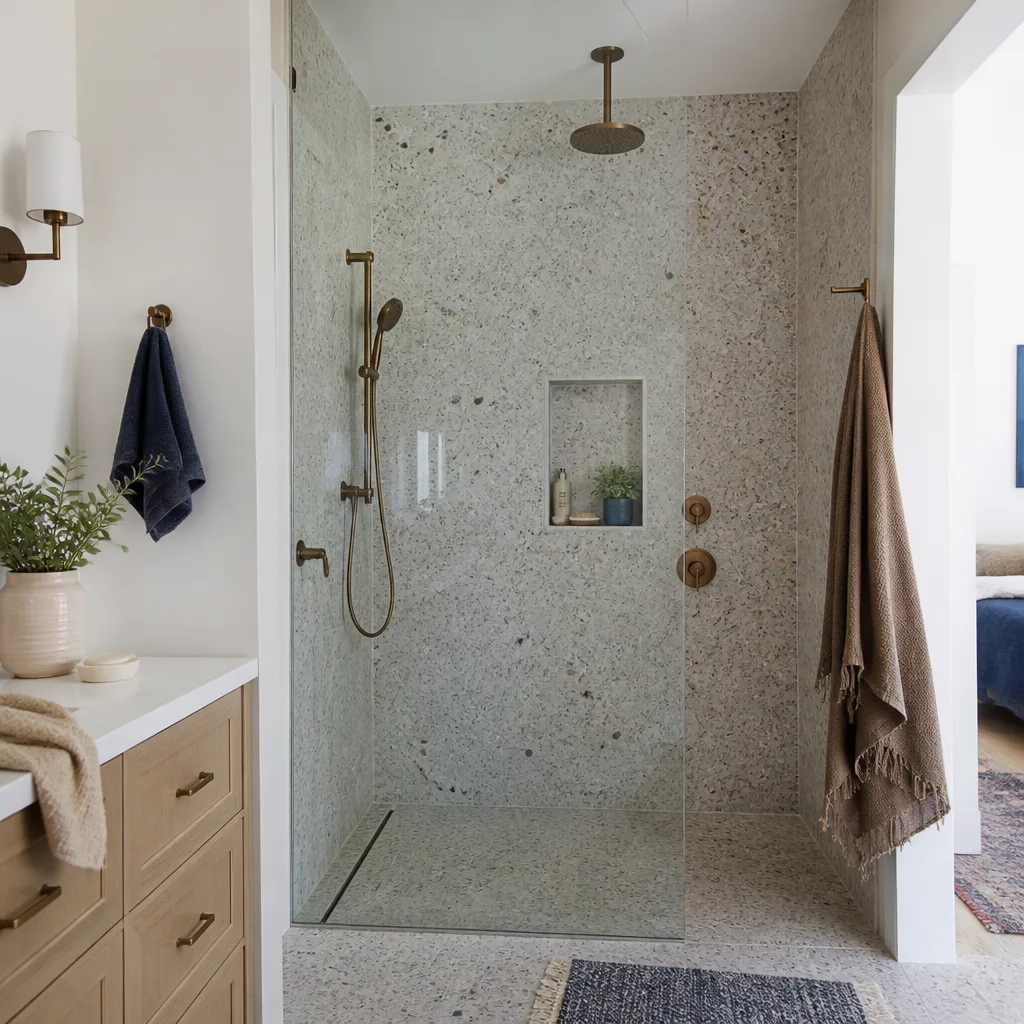
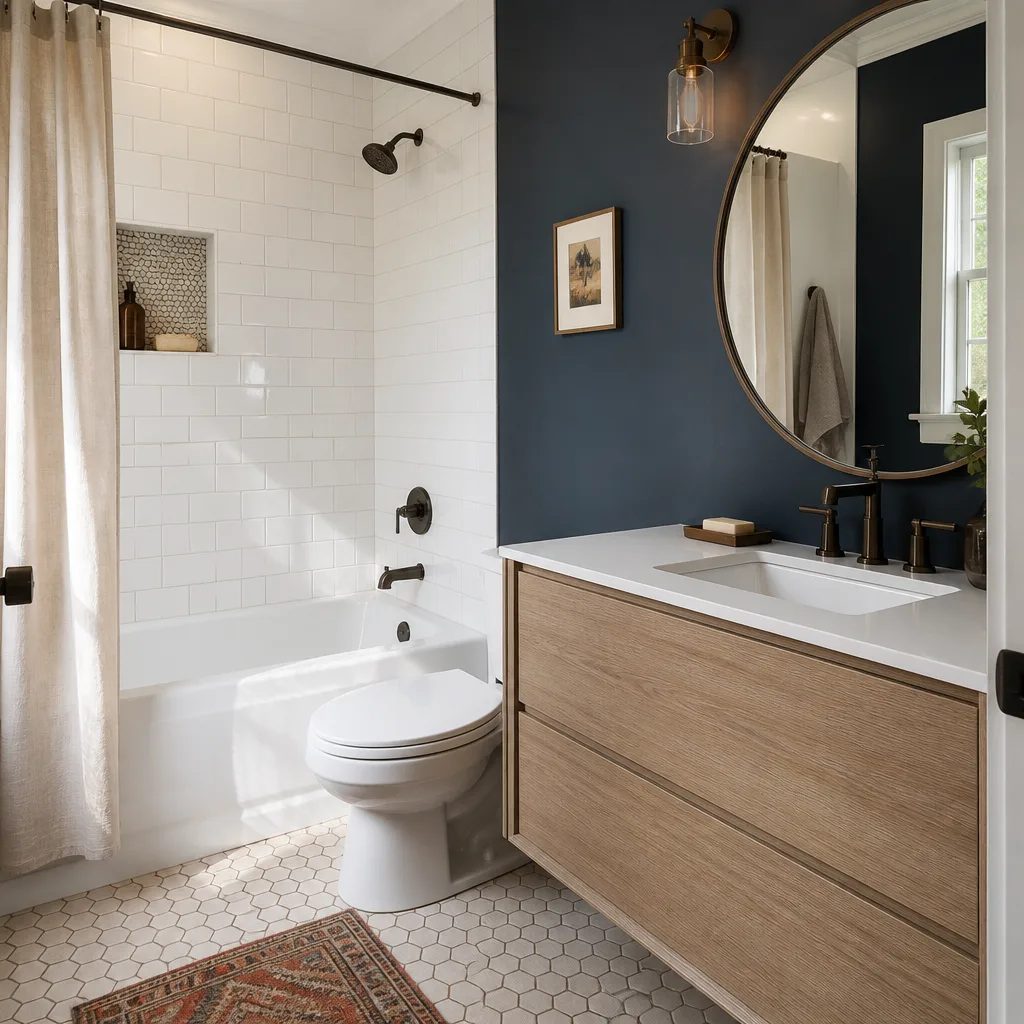
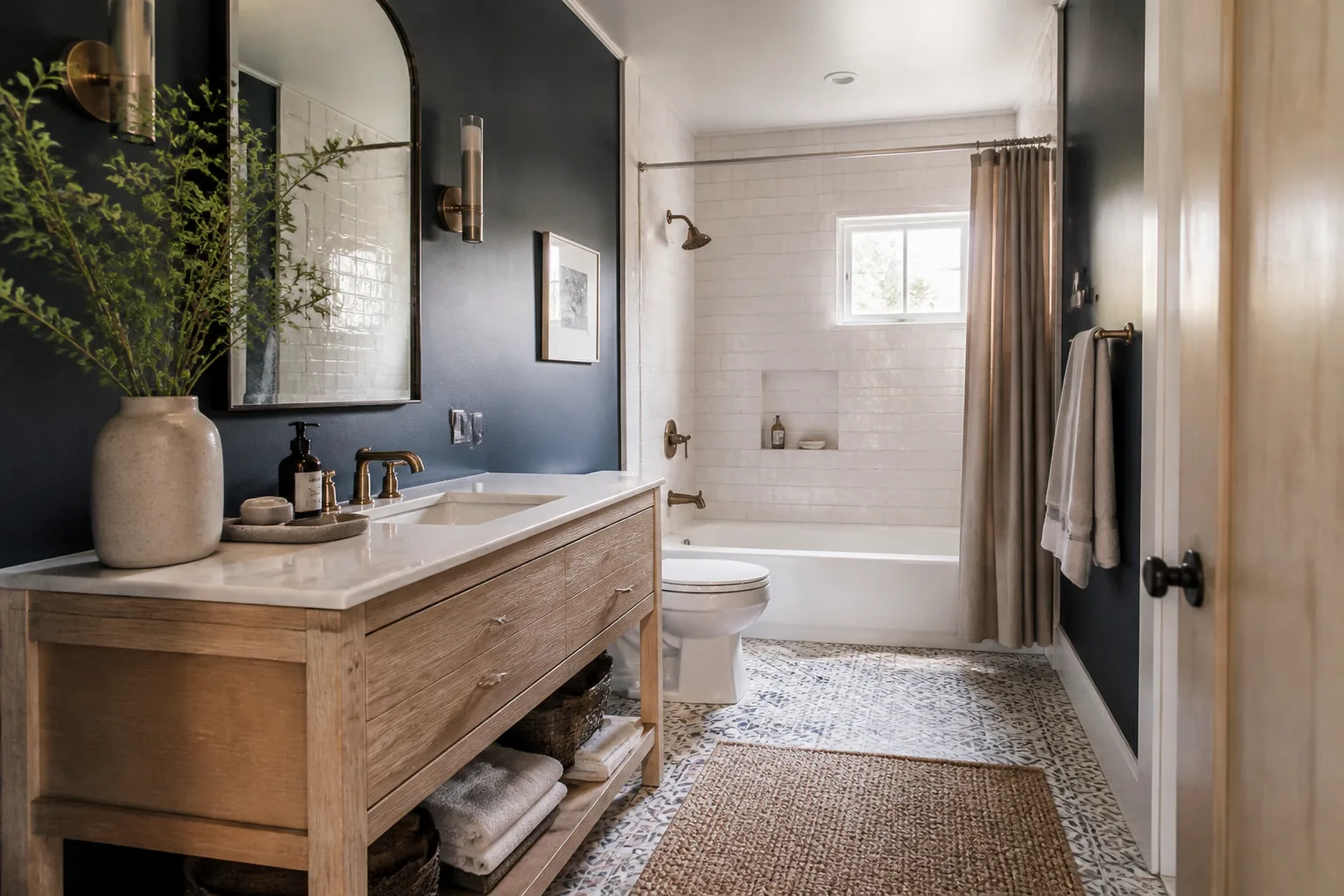
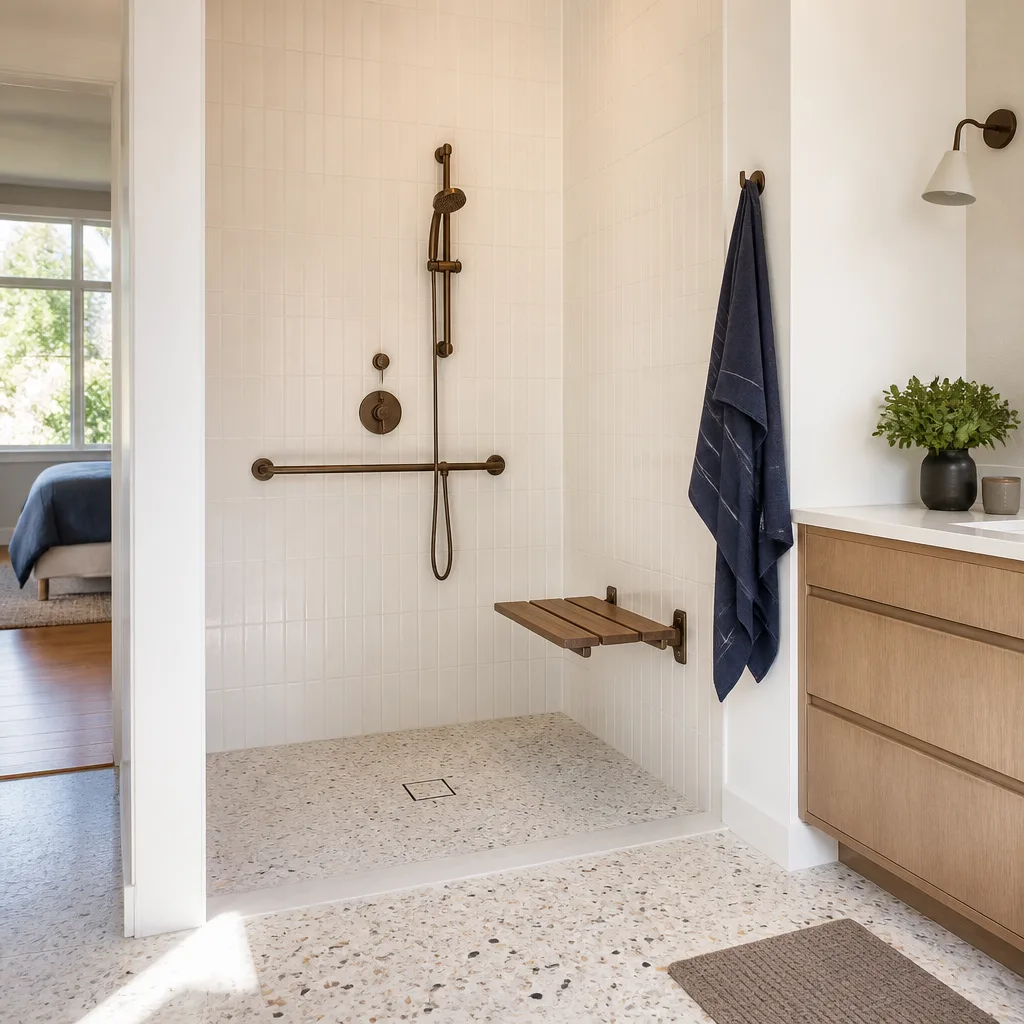
Free written scope consultation - allowances, timeline, and change-order rules on paper before a single trade is scheduled
The Complete Bathroom Remodeling Guide for Las Vegas Homeowners
Las Vegas tap water runs above 278 ppm on the hardness scale, one of the highest readings of any major U.S. metro. That single number reshapes almost every decision in a bathroom remodel here: which fixtures survive, which grout fails, how often sealant needs refreshing, and why a shower valve that lasts twenty years in Seattle can seize up in five in Summerlin. Most remodeling guides are written for a generic American house in a generic climate. This one isn’t. What follows is written from Las Vegas, for Las Vegas homes, and it covers the Clark County permit path, desert ventilation requirements, Nevada water-efficiency rules, and real local cost ranges line by line, so you can price a project before you ever pick up the phone.
Quick Answer
A full bathroom remodel in Las Vegas typically runs $14,000 to $32,000 for a standard hall or guest bath, and $28,000 to $65,000 or more for a primary suite with a curbless shower, double vanity, and layout changes. The two factors that most inflate a Las Vegas budget are hard-water-driven material upgrades and Clark County permit timelines, which generally run three to six weeks for a bathroom with plumbing relocation. Cosmetic refreshes without moving plumbing often land under $12,000.
Styles & brands we work with
- Kitchen remodeling
- Bathroom remodeling
- Home additions & ADU
- Roofing
- Windows & doors
- Driveway & pavers
- Fence
Table of Contents
- How Las Vegas Hard Water Changes Your Material Choices
- Clark County vs. City of Las Vegas: Which Permits You Need
- Ventilation in a Desert Climate: Why Your Fan Still Matters
- Nevada Water-Efficiency Rules and Local Rebates
- What a Las Vegas Bathroom Remodel Actually Costs, Line by Line
- The Remodel Process, Step by Step
- How to Choose a Bathroom Remodeler in Las Vegas
- Frequently Asked Questions
How Las Vegas Hard Water Changes Your Material Choices
Hard water is the defining constraint of a Las Vegas bathroom. The Colorado River water that reaches most valley homes carries heavy dissolved calcium and magnesium, and it leaves scale on every surface it touches. In our experience working valley homes, the materials that fail first are almost always the ones chosen without that fact in mind.
Here’s how the major categories sort out:
- Grout. Cementitious grout in a shower floor is a two-year material here unless it’s sealed on a strict schedule. Epoxy grout costs 30 to 60 percent more but resists scale and staining far better and is the safer call for shower floors and wet walls. Budget roughly $400 to $900 extra for epoxy across a standard shower.
- Fixtures. Brushed nickel, chrome, and PVD-coated finishes hold up. Polished brass and some matte black coatings show water spotting within months and etch where scale accumulates. Kohler, Moen, Toto, and Grohe all make finishes rated for hard water; ask for the finish warranty in writing.
- Glass. Untreated shower glass develops mineral film that no household cleaner removes once it bonds. Factory-applied hydrophobic coatings are worth the $150 to $400 upcharge.
- Natural stone. Travertine and marble look wrong in a Las Vegas bathroom within a year or two unless sealed quarterly. Porcelain tile that mimics stone gives you the look without the maintenance.
None of this means Las Vegas bathrooms have to look industrial. It means the surface schedule gets chosen for the water, not against it. A whole-home Bathroom Remodeling in Las Vegas plan should start with a water test and a finish conversation, not a tile showroom visit.
Clark County vs. City of Las Vegas: Which Permits You Need
Permit jurisdiction in the Las Vegas Valley depends on where the house sits, and homeowners routinely assume they’re in the city when they’re actually in unincorporated Clark County, or vice versa. The address, not the mailing city, decides the authority having jurisdiction.
Here’s the practical breakdown:
- City of Las Vegas. Applies inside city limits. Bathroom permits are handled through the city’s building department, and inspections are scheduled separately from county inspections.
- Clark County. Covers unincorporated areas including much of Spring Valley, Enterprise, and the eastern valley. The county processes permits through its own portal.
- Henderson and North Las Vegas. Separate municipal jurisdictions with their own departments and timelines. A Henderson bathroom is not permitted through Clark County.
What requires a permit is more consistent than who issues it. Cosmetic work (paint, tile over existing substrate, fixture swaps in the same location) generally does not. Anything that touches the building’s systems does. That includes moving or adding plumbing supply or drain lines, relocating a toilet or shower, changing a wall’s footprint, adding or enlarging a window, and any electrical work beyond a straight fixture replacement. A curbless shower with a new drain location is a permit job. So is converting a tub to a shower when the drain has to move.
Timelines vary by jurisdiction and by the completeness of the submittal. A straightforward bathroom permit with no structural change commonly takes a few weeks for review; a project that relocates plumbing or alters framing runs longer and may need plan revisions. Build that window into your schedule rather than discovering it mid-project. A permitted job also protects you at resale, since unpermitted plumbing work is a common findings item during a Las Vegas home inspection.
Ventilation in a Desert Climate: Why Your Fan Still Matters
The counterintuitive one: Las Vegas is dry, so homeowners assume bathroom fans are unnecessary. They are not. A hot shower dumps moisture into a small room faster than desert air can absorb it, and that moisture sits against drywall, framing, and paint long enough to cause problems. Our summers make it worse, because the air conditioning runs continuously and keeps the house closed tight with no fresh air exchange.
The mechanical code answer is a fan rated for at least 1 CFM per square foot of bathroom floor area, with a minimum of 50 CFM for a standard bath. A 60-square-foot bathroom needs a 60 CFM fan at minimum. For a larger primary bath with a separate water closet or a steam shower, 110 to 150 CFM is more realistic.
What matters as much as the rating is the duct path. A fan that exhausts into the attic instead of through the roof or a gable wall is worse than no fan at all, because it deposits moisture where Las Vegas summer attic temperatures can exceed 150 degrees. Check three things:
- The duct terminates outdoors, not in the attic or a soffit that recirculates.
- The run is short and insulated, especially where it crosses unconditioned attic space.
- The fan is on a timer or humidity sensor, not just a wall switch people forget.
A quality bath fan installed with a proper duct run runs $250 to $600 depending on access and duct length. It’s one of the cheapest protections in the whole remodel.
Nevada Water-Efficiency Rules and Local Rebates
Nevada has some of the strictest water-efficiency standards in the country, and bathroom fixtures are where most of the savings happen. Toilets are capped at 1.28 gallons per flush under federal and state rules, and showerheads at 2.5 gallons per minute. Faucets are capped at 1.5 GPM for residential bathroom use under the standards Nevada follows.
When you remodel, this isn’t optional. A building inspector verifying a bathroom permit will check that installed fixtures meet the current standards, so a favorite high-flow showerhead from an old build won’t pass. The good news is that modern low-flow fixtures have closed most of the performance gap. Toto’s 1.28 GPF toilets, Moen and Grohe showerheads at 2.0 GPM, and Kohler’s aerated faucets deliver a decent shower and a bathroom that reads as current.
Local rebate programs shift from year to year, and the Southern Nevada Water Authority administers most of them. Rather than quote a number that may change, ask your contractor to check current SNWA and municipal rebate offerings during design. The categories that most often qualify are high-efficiency toilets and certain smart irrigation or leak-detection devices, not the fixtures themselves. A written line-item quote should show the model and flow rate of every fixture so you can confirm eligibility before install.
What a Las Vegas Bathroom Remodel Actually Costs, Line by Line
National averages are close to useless here. Labor rates, permit fees, and material availability in the Las Vegas market produce a different number, and the ranges below reflect what valley projects actually run for a mid-grade remodel in 2026 dollars.
- Hall or guest bath, cosmetic refresh: $8,000 to $14,000. New vanity, faucet, mirror, light, paint, and re-grout. No plumbing moves.
- Standard full bath, mid-grade: $14,000 to $32,000. Tub-to-shower conversion, new tile, new vanity, epoxy grout, fan upgrade, permitted plumbing.
- Primary suite, custom: $28,000 to $65,000+. Curbless shower, double vanity, freestanding tub, layout changes, premium finishes.
Line items inside those ranges tend to break down like this:
- Demolition and haul-away: $800 to $2,200
- Rough plumbing (permitted): $1,500 to $4,500, more if drains relocate
- Electrical and lighting: $900 to $2,800
- Tile and setting materials: $2,500 to $8,000
- Cabinetry and vanity: $1,800 to $7,500
- Countertop (Cambria, Silestone, or Caesarstone quartz): $900 to $3,200
- Fixtures and trim: $1,200 to $5,500
- Permit fees: $250 to $900 depending on jurisdiction and scope
- Labor: 35 to 45 percent of the total
The variables that move your number most are shower size, whether plumbing relocates, and finish level. A written price before work starts is the only way to compare two bids honestly. For the larger picture of how a bath fits a whole house, see our General Contractor in Las Vegas overview.
The Remodel Process, Step by Step
A Las Vegas bathroom remodel, run properly, follows a predictable sequence. Here’s what to expect from a contractor who plans the work before swinging a hammer:
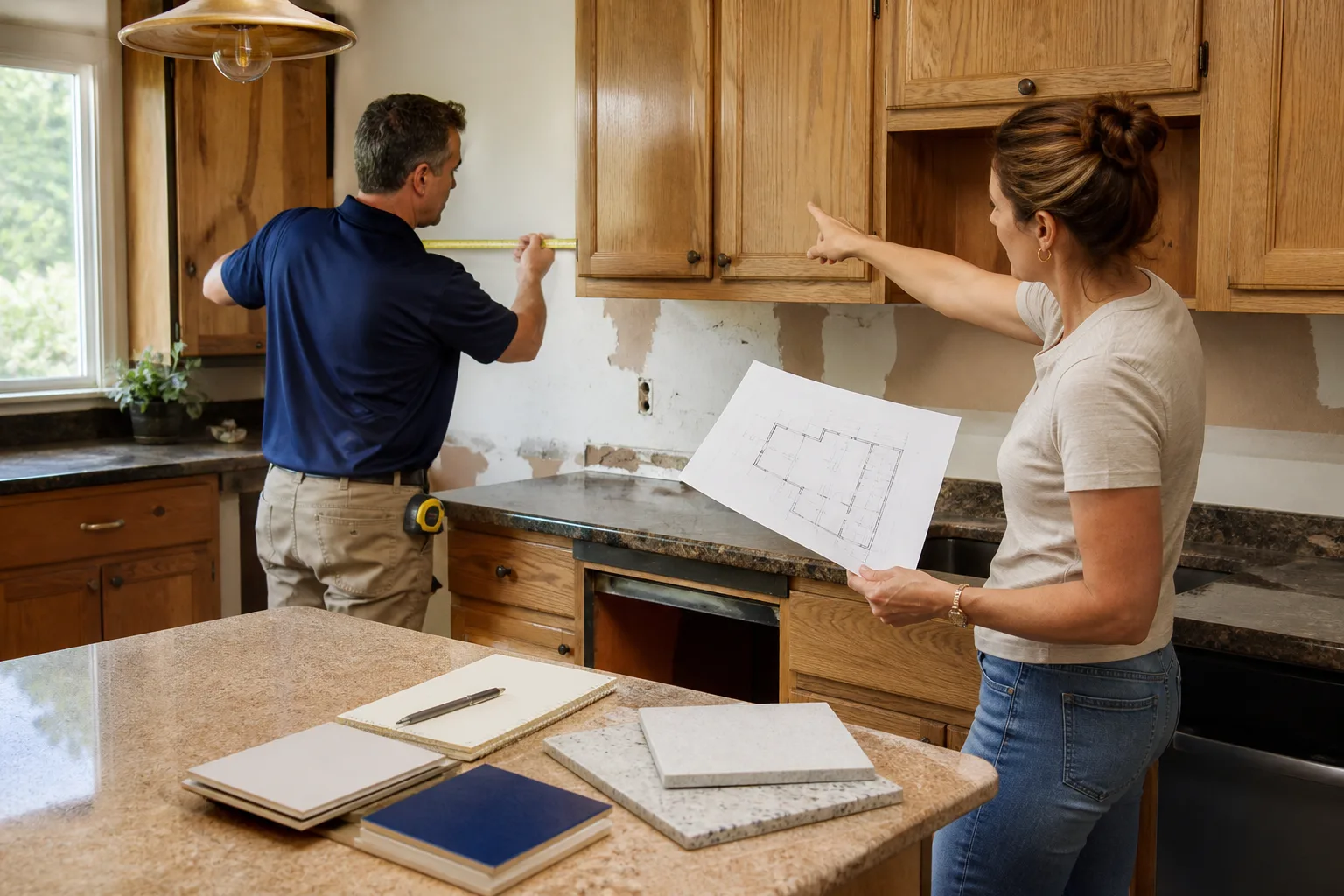
- Design and scope. Measure the room, test the water, and settle the fixture schedule and finish plan. Confirm whether plumbing relocates.
- Permit submittal. File with the correct jurisdiction – City of Las Vegas, Clark County, Henderson, or North Las Vegas. Allow review time.
- Written price. Get an itemized, fixed-price proposal before any work begins. No verbal estimates.
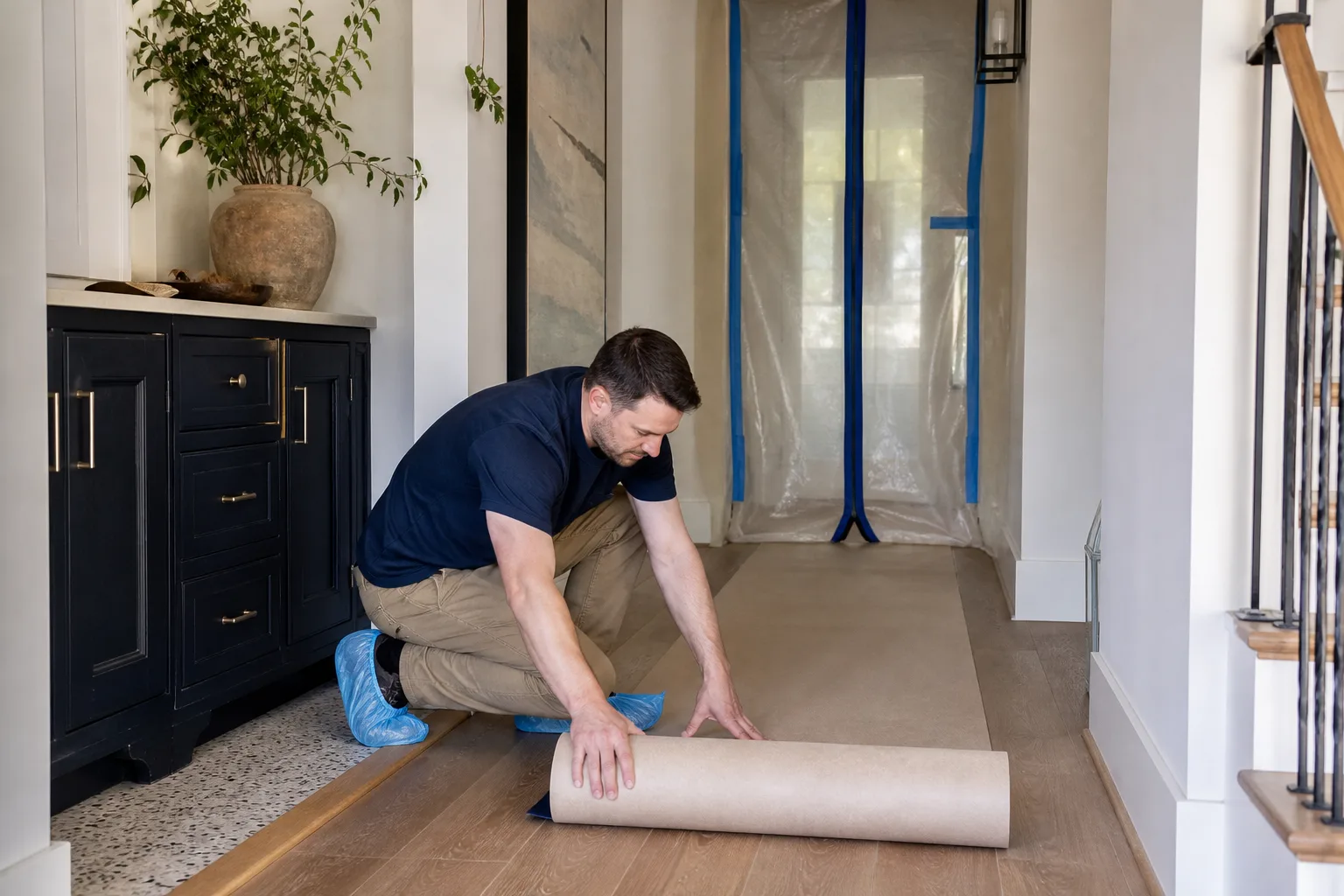
- Protection and demo. Cover floors and adjacent rooms, shut off water at the main, and haul out debris.
- Rough-in and inspection. Frame, plumbing, and electrical go in and get inspected before the walls close.
- Waterproofing. The shower gets a waterproof membrane and a flood test. Skipping this step is the single most common cause of a failed shower.
- Tile and finishes. Set tile, grout, install cabinetry, counters, fixtures, and glass.
- Final inspection and punch list. Pass the final inspection, walk the room with the homeowner, and close out any items.
A standard bath with no plumbing relocation commonly takes two to four weeks of active work once permits clear; a primary suite with layout changes runs four to eight weeks. Add the permit window on top.
How to Choose a Bathroom Remodeler in Las Vegas
The right remodeler shows you exactly who is coming to your door before they arrive, puts the price in writing before a tool is unpacked, and stands behind the work for a stated period. Those three things, more than any showroom, are what separate a smooth project from a miserable one.
When you interview contractors in Las Vegas, ask these questions and expect clear answers:
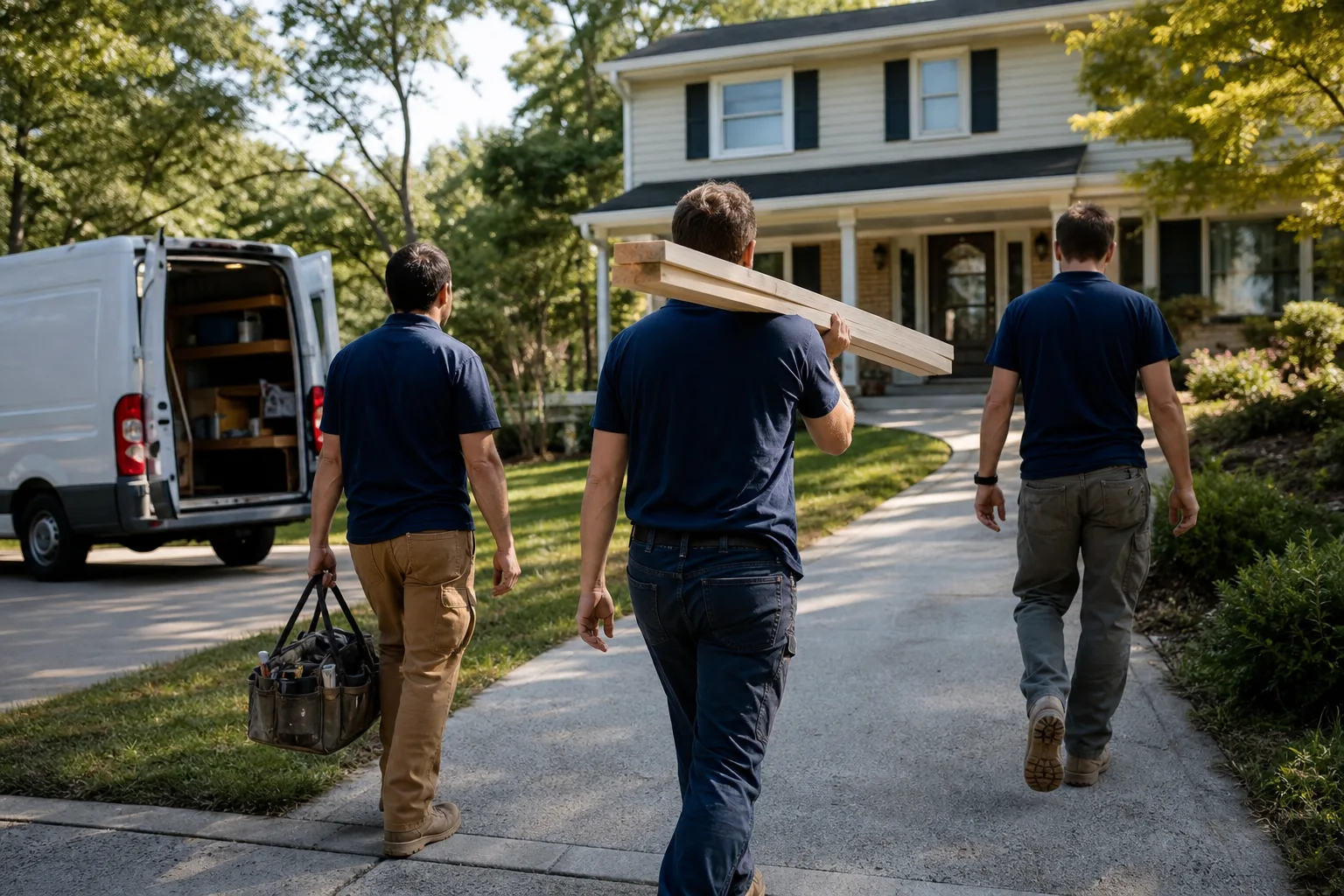
- Will the crew member’s name and photo be provided before the visit?
- Does every crew member arrive with a photo ID badge and a uniform?
- Is the price written and fixed, or can it change once the walls are open?
- Do you pull the permit, and who schedules the inspections?
- How long does the guarantee last, and what exactly does it cover and exclude?
Mason Remodeling works to The Threshold Standard on every job: technicians are background-checked and identity-verified, homeowners receive the name and photo before the visit, and a written price is delivered before work begins on every project, never as an upgrade. Every completed project carries a written guarantee with plain terms, and if a repair or installation fails within 365 days of completion, the 365-Day Done Right Promise means we come back and make it right at no cost to you. That’s the standard we’d want in a home where our own family lives.
You’ll also want to think about how the bathroom fits the rest of the house, particularly if the kitchen adjoins. Our Kitchen Remodeling in Las Vegas guide covers the ways in which bath and kitchen timelines can be sequenced. And for a door or window upgrade to the bathroom, brands like Therma-Tru and ViewLux are trusted choices for durability in the desert sun.
See the difference
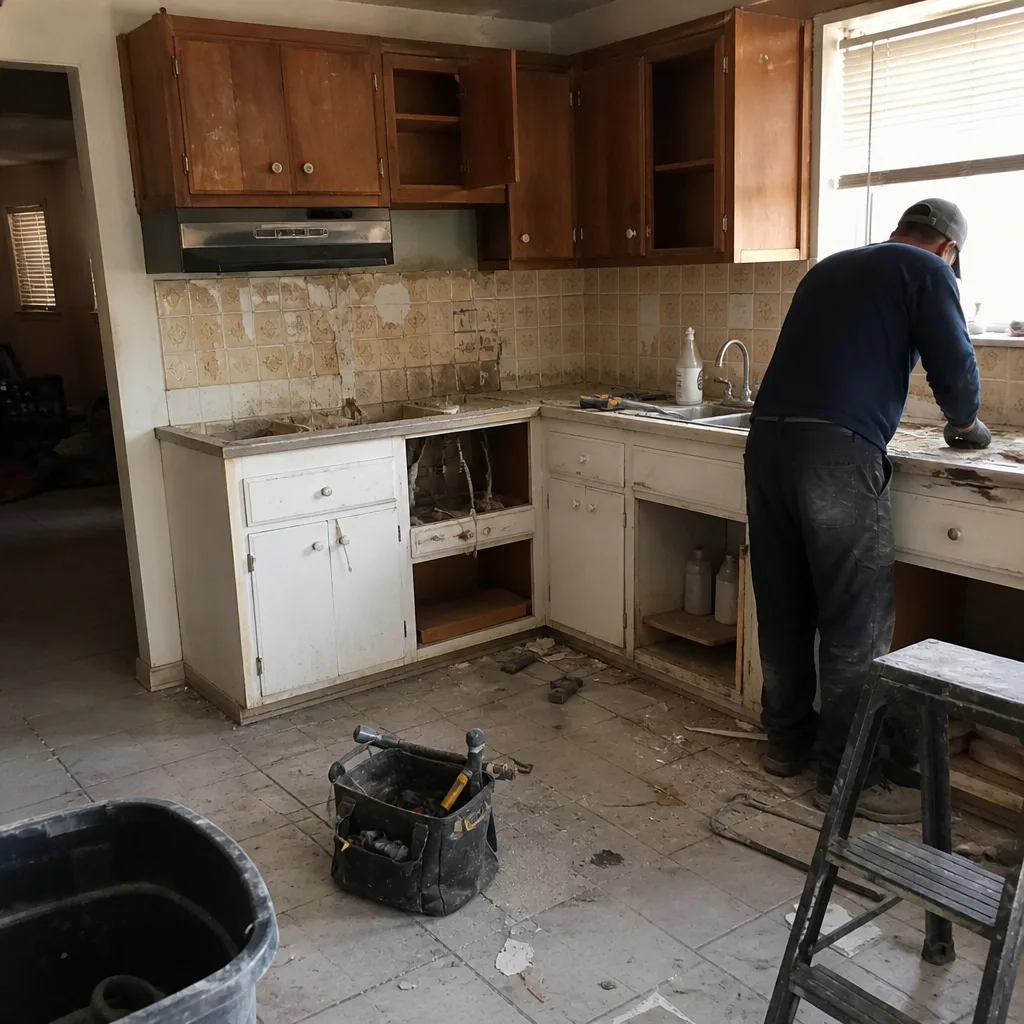 Before
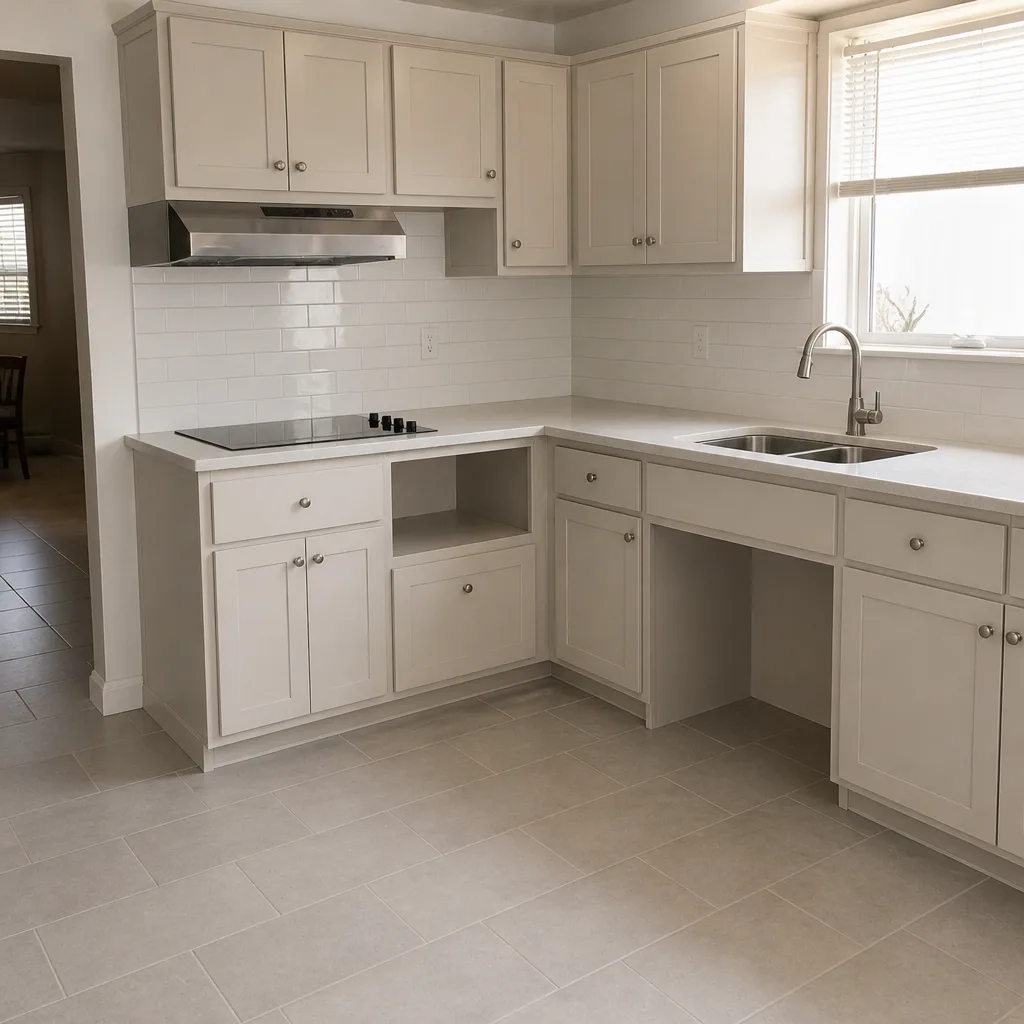 After
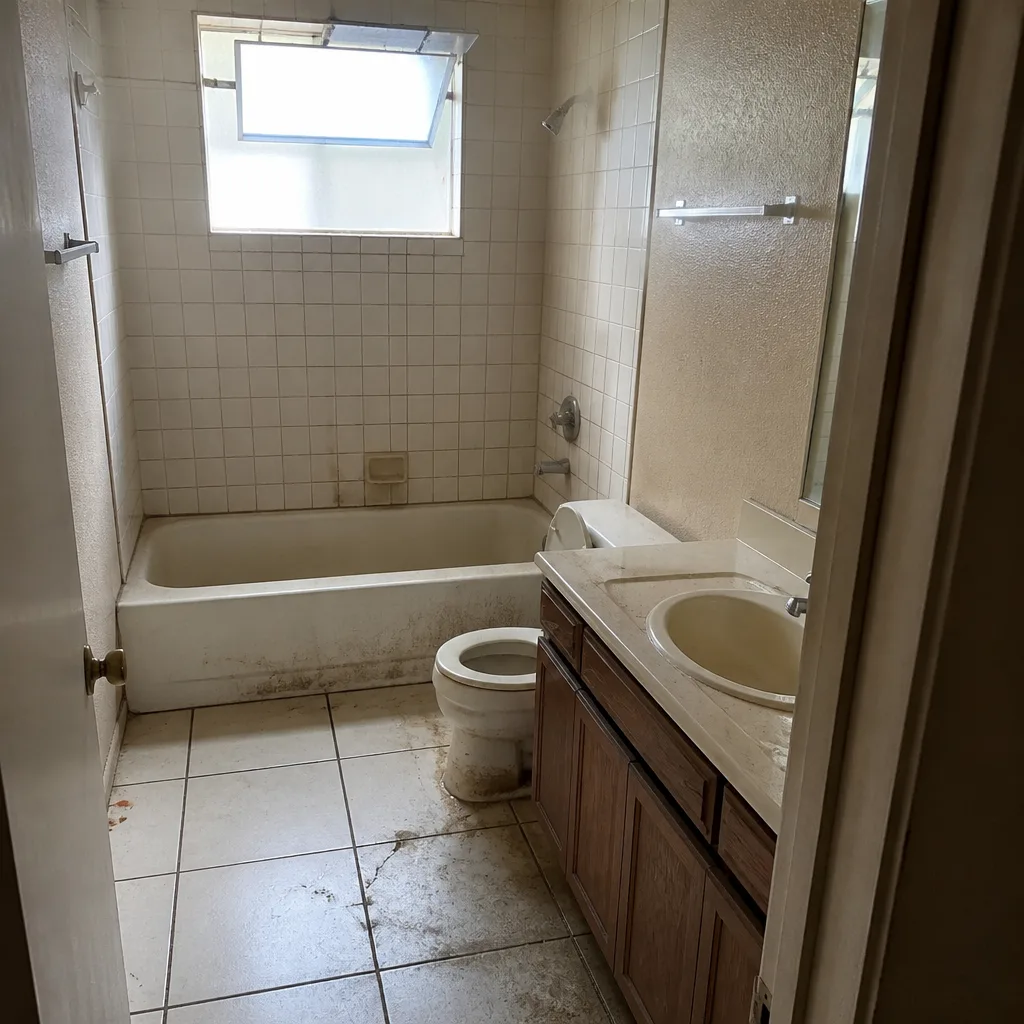 Before
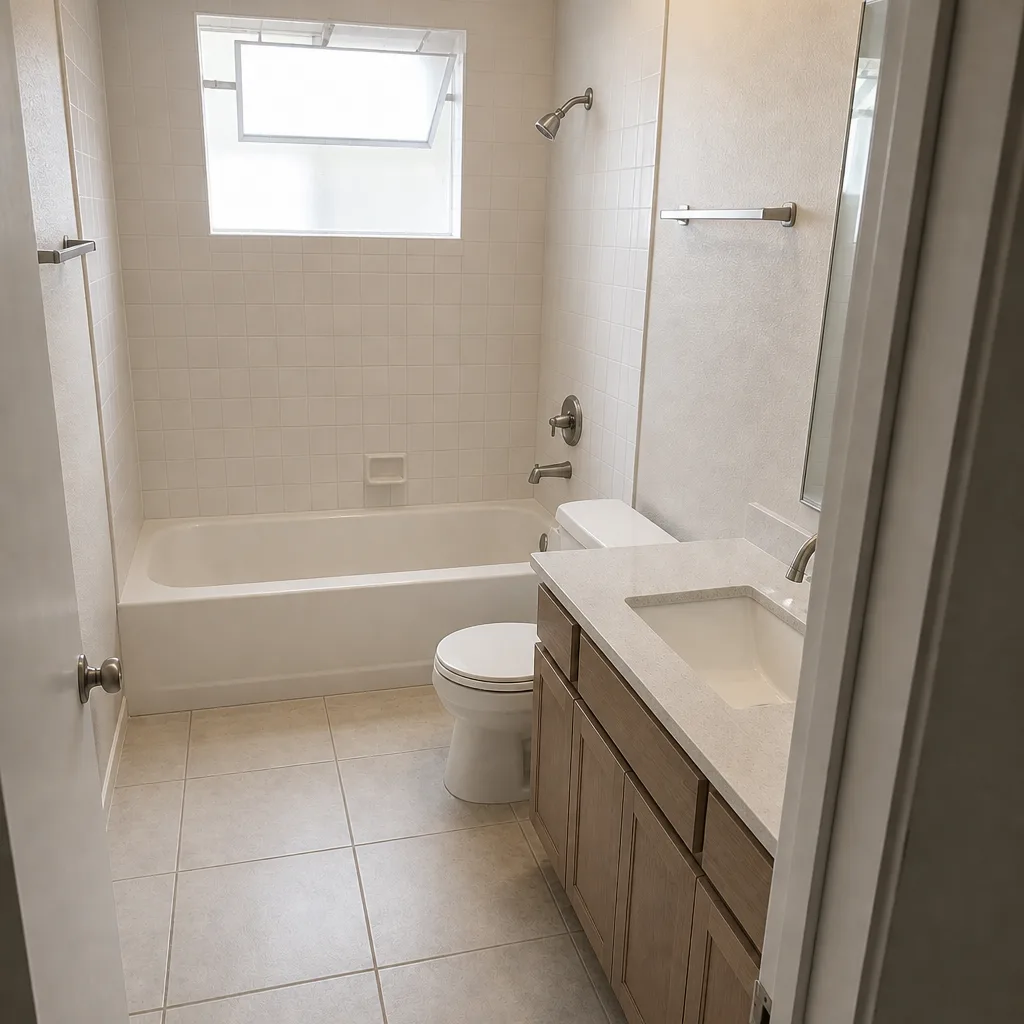 After
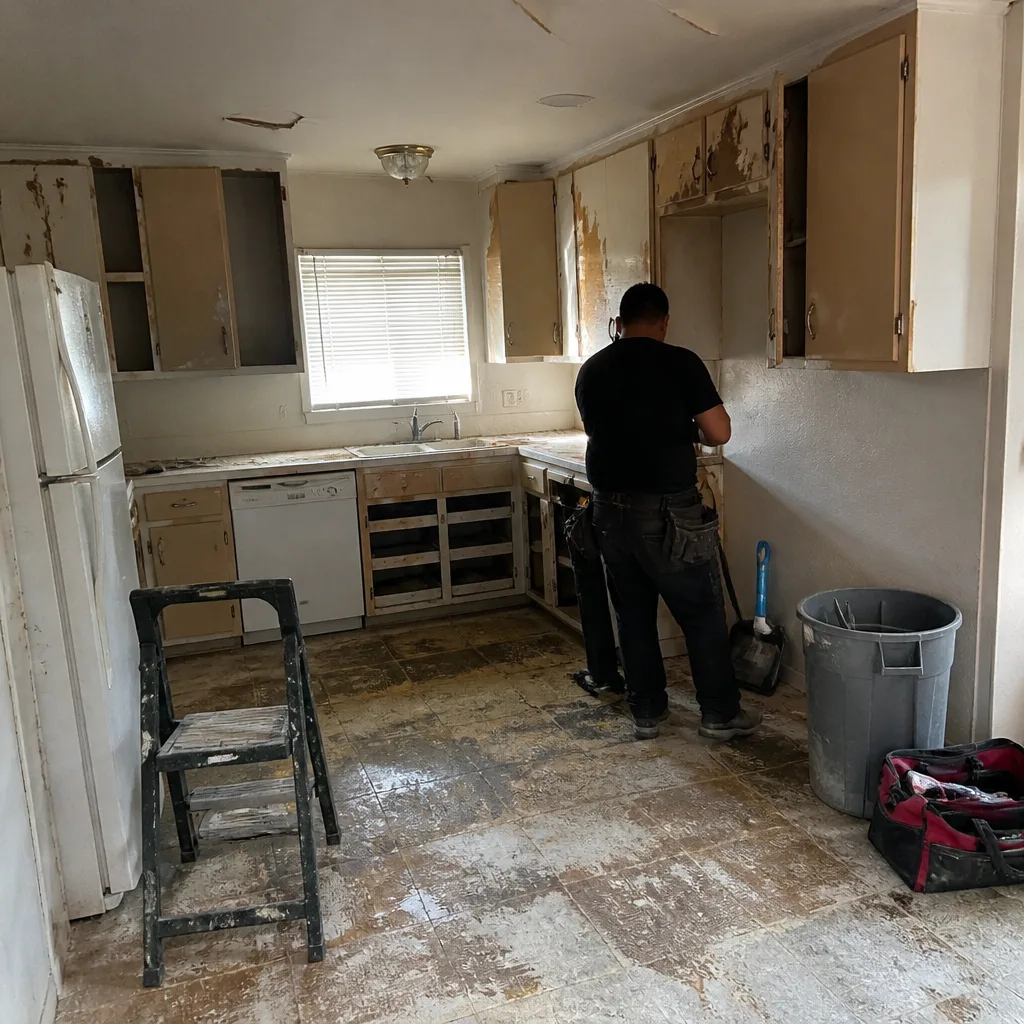 Before
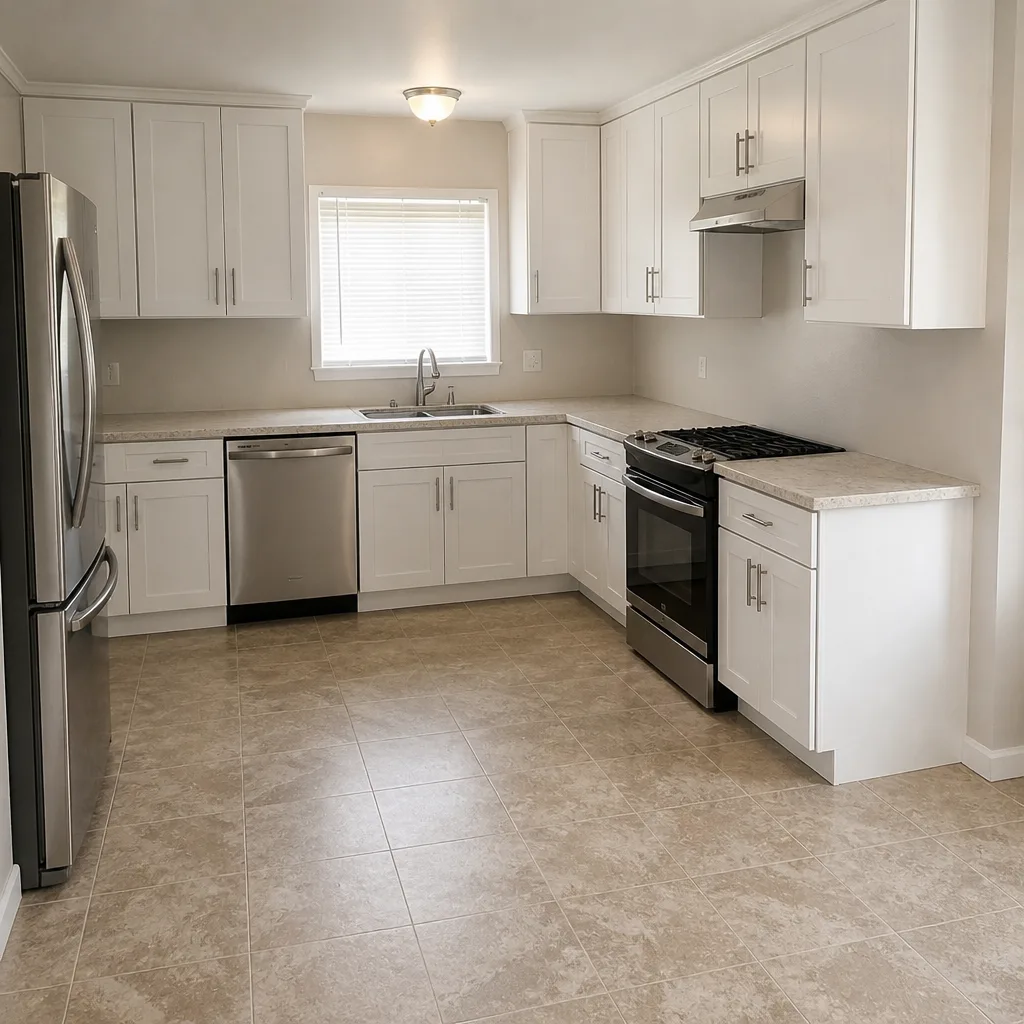 After
Common Mistakes to Avoid
- Choosing natural stone or cementitious grout for the shower floor. Both degrade within a couple of years in Las Vegas water. Epoxy grout and porcelain are the durable calls.
- Skipping the flood test on a new shower pan. The most expensive failure in any bathroom remodel is a shower that leaks into the ceiling below, and the flood test is the cheap insurance.
- Not confirming which jurisdiction holds the permit. A Spring Valley address and a Las Vegas city address go through different departments. Filing with the wrong one wastes weeks.
- Ducting the bath fan into the attic. In a Las Vegas summer, an attic that hits 150 degrees turns that duct into a condensation trap. Vent it outdoors.
- Trusting a verbal estimate. Prices quoted on the fly and then adjusted at the final invoice are the number one complaint in this trade. Insist on a written, itemized price.
- Installing fixtures that fall below Nevada flow standards. They’ll fail inspection and void your permit. Confirm the GPM or GPF rating on every model before install.
- Hiring a crew nobody can identify. In a home where children or older adults live, who shows up matters. Ask for background checks and photo ID badges, and treat a vague answer as a red flag.
When to Call a Professional
Some bathroom work is genuinely a professional job, and it’s worth saying so plainly. Any project that moves plumbing, adds or relocates a drain, changes a wall, or touches electrical beyond a straight fixture swap should be permitted and handled by a licensed contractor – a botched waterproofing or a mis-soldered supply line can cause damage that costs more than the original remodel. Anything involving gas (a tankless water heater add-on, for example) or opening an electrical panel is a stop-and-call situation for safety reasons. And if the phrase “I’ll just watch a video” crosses your mind with a shower pan or a drain relocation, call a pro. Mason Remodeling Co Las Vegas offers free estimates in Las Vegas – call (844) 797-1112.
Frequently Asked Questions
A standard full bathroom remodel in Las Vegas runs $14,000 to $32,000, while a primary suite with layout changes runs $28,000 to $65,000 or more. The biggest cost drivers are whether plumbing relocates and the finish level you choose. Call (844) 797-1112 for an exact quote – estimates are free.
Yes, if the work moves plumbing, adds or relocates a drain, changes a wall, or touches electrical beyond a simple fixture swap. Cosmetic work like paint, tile over existing substrate, and same-location fixture swaps generally does not require a permit. The jurisdiction depends on whether your address is inside the City of Las Vegas, unincorporated Clark County, Henderson, or North Las Vegas.
Las Vegas water runs above 278 ppm hardness, which accelerates scale on fixtures, etches untreated glass, and breaks down cementitious grout fast. Choosing epoxy grout, PVD-coated fixtures, and factory-treated shower glass is the difference between a bathroom that holds up and one that looks worn within two years. Ask for a finish warranty in writing on every fixture.
It shouldn’t, and with a written fixed price it won’t. The failure mode to avoid is a verbal estimate followed by “surprise” line items at the final invoice. Insist on an itemized written price before work begins – that’s the standard at Mason Remodeling on every project.
A standard bath with no plumbing relocation typically takes two to four weeks of active work after permits clear, and a primary suite with layout changes takes four to eight weeks. Add the permit review window, which commonly runs a few weeks for a bathroom with no structural change. A clear schedule should be part of the written proposal.
Yes. A steamy shower puts more moisture into a small bathroom than dry desert air can absorb, and a tightly sealed air-conditioned house traps it. Size the fan for at least 1 CFM per square foot of floor area (minimum 50 CFM), and make sure the duct vents outdoors rather than into the attic.
The Bottom Line
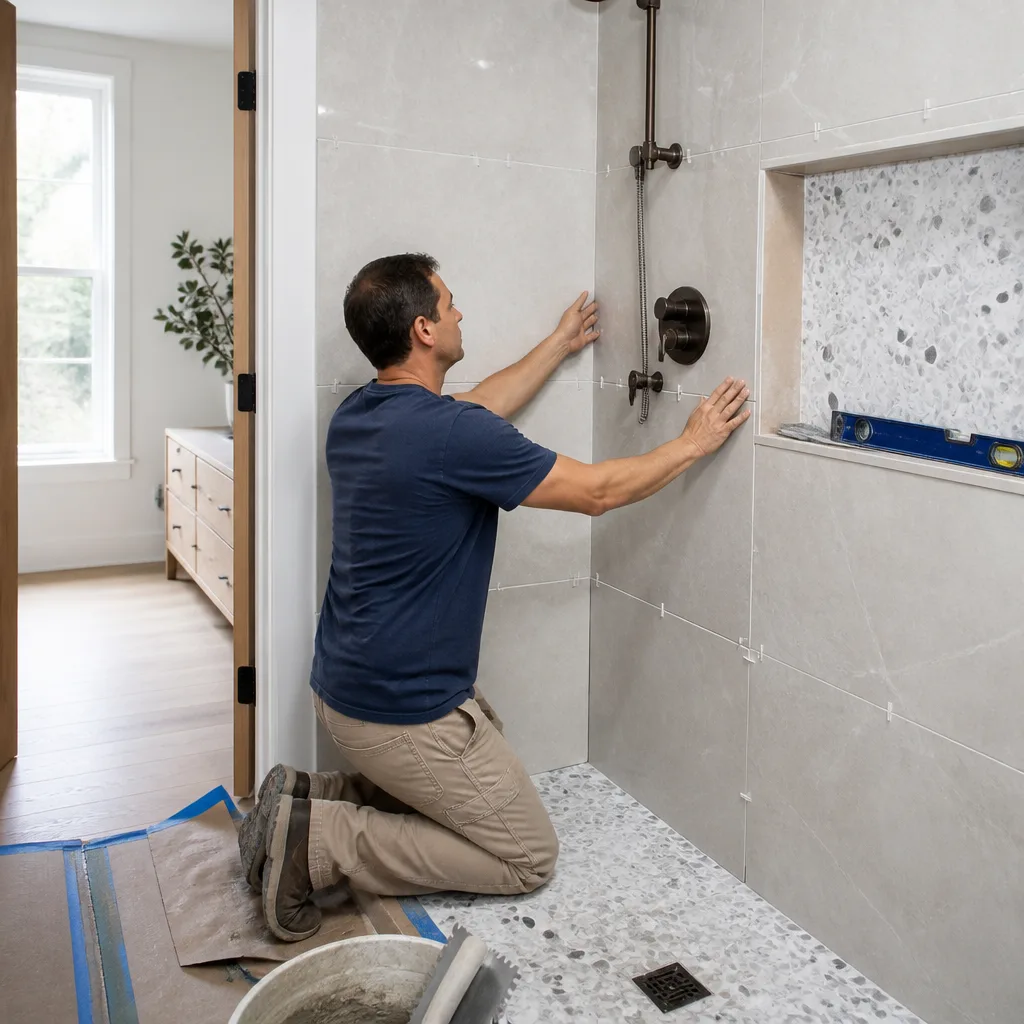
Las Vegas bathrooms succeed or fail on desert-specific decisions: epoxy grout and hard-water-rated fixtures, a bath fan ducted outdoors even in dry air, Nevada water-efficiency compliance, and the correct permitting jurisdiction. Price the project line by line rather than on a national average, and require a written fixed price before any work begins. Then choose a remodeler who shows you exactly who’s coming to your door and backs the work in writing for a stated period. Do those things and the bathroom you get will hold up to Las Vegas water and Las Vegas summers for years, not months.
Mason Remodeling Co Las Vegas makes the process simple: a live person answers every call around the clock, every technician is background-checked and arrives with a photo ID badge, and a written price is delivered before work starts. Call (844) 797-1112 for a free estimate, and we’ll walk your bathroom with you and put the numbers in writing.
For a broader view of how a bathroom fits your whole home, start at the Mason Remodeling Co Las Vegas home page and go from there.
Written by the team at Mason Remodeling Co Las Vegas.