Last updated November 18, 2026

Free written scope consultation - allowances, timeline, and change-order rules on paper before a single trade is scheduled
The Complete Kitchen Remodeling Guide for Las Vegas Homeowners
Las Vegas tap water averages a hardness rating of 16 grains per gallon, one of the hardest in the country, and if your kitchen remodel doesn’t account for that in fixture selection and finish choices, you’ll be redoing work within three years. That single fact reshapes decisions most remodeling guides never mention: which faucet finish survives, whether a built-in filtration system belongs in the plan, and how your sink holds up to mineral-heavy water day after day. This guide builds your remodel around the three realities Las Vegas homeowners live with that other cities don’t face at the same scale: extreme heat, hard water, and a resale market with very particular kitchen expectations. You’ll learn current pricing, ventilation requirements, permit scope, scheduling strategy, and what buyers here actually pay a premium for. Call (844) 797-1112 for a free estimate.
Quick Answer
A Las Vegas kitchen remodel typically runs $28,000 to $85,000 depending on size and scope, with most mid-range projects landing between $45,000 and $65,000. The biggest local variables are water treatment and fixture selection (hard water destroys the wrong choices fast), ventilation capacity sized for desert heat, and permit scope if you move walls or add electrical circuits. Plan around summer HVAC load when scheduling trades, and budget separately for a built-in filtration system if you want your finishes to last.
Styles & brands we work with
- Kitchen remodeling
- Bathroom remodeling
- Home additions & ADU
- Roofing
- Windows & doors
- Driveway & pavers
- Fence
Table of Contents
- How Much Does a Kitchen Remodel Cost in Las Vegas?
- Hard Water: The Design Variable Nobody Plans For
- Ventilation in a Desert Climate: Why CFM Matters More Here
- What Las Vegas Buyers Actually Pay For
- Permits: When You Can Skip Them and When You Can’t
- Sequencing Your Remodel Around Desert Heat
- Common Mistakes to Avoid
- When to Call a Professional
How Much Does a Kitchen Remodel Cost in Las Vegas?
Kitchen remodeling in Las Vegas typically costs $28,000 for a cosmetic refresh to $85,000 or more for a full gut with layout changes. Most homeowners in the valley land between $45,000 and $65,000 for a mid-range remodel that includes new cabinetry, counters, flooring, and fixtures without moving walls. These are real installed figures for the Las Vegas market, not national averages that leave out local labor rates and material lead times.
Here’s how the budget breaks down line by item:
- Cabinetry: $9,000 – $28,000. Semi-custom KraftMaid or Wellborn sits in the middle; stock cabinets run lower, full custom climbs above $28,000.
- Countertops: $3,500 – $9,500. Cambria, Silestone, or Caesarstone quartz in a 40-square-foot kitchen lands around $5,000 – $7,500 installed, including templating and edge profile.
- Labor and installation: $8,000 – $22,000. This is where cheap bids hide problems; a low labor line usually means unverified subs or missing permit costs.
- Appliances: $3,000 – $12,000. Range hood cost sits here, and in Las Vegas you shouldn’t undersize it.
- Flooring: $2,000 – $6,000. Tile and luxury vinyl dominate in Las Vegas because both handle dry heat and humidity swings better than solid hardwood.
- Sink, faucet, and filtration: $800 – $3,500. A built-in whole-kitchen filtration system adds $600 – $1,800 but protects everything downstream.
- Electrical and plumbing rough-in: $2,500 – $7,000 if you’re adding circuits or relocating the sink.
- Permits and inspection fees: $300 – $1,200 depending on scope. Never let a contractor bury this in a lump sum.
Those are honest Las Vegas numbers. Any bid that comes in 30% under the low end usually means skipped permits, unverified labor, or a finish package that won’t survive the water. Get a written price before work starts; Mason Remodeling Co Las Vegas delivers one on every project, and you can schedule a free estimate at (844) 797-1112.
Hard Water: The Design Variable Nobody Plans For
Hard water at 16 grains per gallon changes which finishes and materials actually last in a Las Vegas kitchen. The calcium and magnesium in valley water leave scale on everything it touches, and some finishes etch or spot permanently within a year. This isn’t a minor aesthetic issue; it’s the difference between a kitchen that still looks new at year five and one you’re already patching.
Here’s how to plan around it:
- Sink material: Fireclay and cast iron enamel hold up best; enamel over cast iron (Kohler) resists etching better than thin stainless or composite. Skip copper and unlacquered brass, which both react badly to hard water minerals.
- Faucet finish: Polished chrome and PVD (physical vapor deposition) finishes survive hard water best. Brushed nickel is a reasonable middle ground. Matte black and unlacquered brass show water spots and mineral deposits constantly and can fail the finish warranty if you don’t wipe them down.
- Built-in filtration: A whole-kitchen or point-of-use filtration system removes hardness before it reaches your fixtures. It’s the single highest-ROI design decision in a Las Vegas kitchen, and it protects the sink, faucet, dishwasher, and coffee maker at once. Moen and Grohe both make fixtures that pair cleanly with undersink filtration.
In our experience across Las Vegas kitchens, homeowners who skip filtration end up replacing faucets and refinishing sinks at year two to three. The $600 – $1,800 filtration line item pays for itself. If you’re tackling the bathroom too, the same rule applies there, and it’s worth reading our bathroom remodeling in Las Vegas guide for the fixture choices that survive.
Ventilation in a Desert Climate: Why CFM Matters More Here
Kitchen ventilation in Las Vegas needs more capacity than national guidelines assume, because your range hood isn’t just clearing cooking smoke; it’s fighting outdoor temperatures that push 110°F in July and August. When your AC is already working to hold 78°F inside, a weak hood lets cooking heat stack on top of already-high indoor temperatures, and the kitchen becomes unusable for an hour after dinner.
CFM (cubic feet per minute) measures how much air the hood moves. Most national guidance suggests 100 CFM per 10,000 BTUs of range output. In Las Vegas, add 20 – 30% on top of that baseline:
- Gas range (40,000 BTUs): 400 – 500 CFM standard, 500 – 650 CFM recommended for Las Vegas.
- High-output gas range (60,000+ BTUs): 700 – 900 CFM, and plan for makeup air if you exceed 400 CFM total exhaust in a tight house.
- Electric or induction cooktop: 350 – 450 CFM is usually enough, but a 30-inch hood with an external blower runs quieter and handles the July heat load better.
Makeup air matters more here than in most cities. Las Vegas homes built in the last 20 years are tightly sealed for AC efficiency, so a high-CFM hood can pull against that seal and backdraft your water heater or furnace flue. A licensed contractor will check your HVAC and exhaust system together before specifying a hood. Going with a mid-range or better hood brand (Kohler ventilation, Broan, or Zephyr) buys you quieter operation and longer motor life in a city where the hood runs hard for six months a year.
What Las Vegas Buyers Actually Pay For
Las Vegas home buyers pay a premium for a specific set of kitchen features in the current resale market, and they ignore others completely when the appraisal comes in. The gap between what feels expensive during the remodel and what returns value at sale is wider here than in most markets because the buyer pool is heavy on relocation and second-home purchases; they’re comparing your kitchen to kitchens they saw in California or Arizona, and they respond to things that read as turnkey.
What buyers pay for in Las Vegas kitchens:
- Quartz countertops over granite. Buyers here read granite as dated; Cambria and Silestone quartz reads as current and holds value.
- Soft-close, full-extension cabinetry with a recognizable brand inside the door. KraftMaid and Wellborn both signal quality at inspection time.
- Water filtration and a durable faucet finish. Informed local buyers ask about water treatment directly; a good filtration setup is a sale talking point, not a hidden feature.
- Adequate ventilation with a real hood vented to the exterior. Recirculating hoods read as cheap during a walkthrough.
- Neutral, light finishes. Las Vegas buyers steer hard toward white, warm gray, and natural wood tones; bold backsplash colors and dark cabinets narrow your buyer pool and get negotiated against.
- Energy-efficient appliances (Energy Star). Buyers in a high-cooling-cost climate notice appliance efficiency on the utility bill conversation.
What gets ignored at appraisal: high-end built-in coffee systems, wine fridges in a secondary location, and designer-only tile patterns in small quantities. They look great in photos and don’t move the appraisal number.
Permits: When You Can Skip Them and When You Can’t
A Las Vegas kitchen remodel requires a permit when you move or remove a wall, add or relocate an electrical circuit, relocate plumbing, or change the gas line to your range. Cosmetic work (cabinet refacing, countertop replacement, new flooring, paint, appliance swaps in existing hookups) typically doesn’t trigger a permit. The dividing line is whether the work touches the structure or the systems inside it.
Here’s the practical breakdown for a Las Vegas kitchen:
- No permit needed: swapping a cabinet door, replacing a faucet on existing supply lines, new appliances in existing openings, paint, backsplash tile over sound substrate, new flooring.
- Permit required: any wall removal (even non-load-bearing), new electrical circuits or relocated outlets, moving the sink or dishwasher rough-in, adding a range hood that needs a new exterior vent, or changing a gas range connection.
- Permit plus inspection: moving a load-bearing wall requires structural review; adding a whole-kitchen filtration system that ties into the main line usually needs a plumbing inspection; any gas work requires a pressure test inspection.
Las Vegas code enforcement has tightened on unpermitted kitchen work in recent years; an unpermitted remodel can surface during a home sale and kill a deal or force a buyer credit that wipes out your return. A licensed crew pulls the permits and schedules the inspections for you, and you get the inspection record for your closing file. If you’re also adding outdoor living space, coordinating that work through a general contractor in Las Vegas keeps the permits pointing in the same direction.
Sequencing Your Remodel Around Desert Heat
Sequencing a Las Vegas kitchen remodel around the desert calendar is not optional; it’s the difference between a smooth 8-week project and a 14-week one where your cabinet installer is three weeks late because he took a Utah job to escape the heat. HVAC subcontractors, electricians, and finish crews are all at maximum load from June through September, and if your remodel lands in that window without a locked schedule, you wait.
Here’s how to sequence the work:
- Schedule demolition and rough-in for October through April. Cooler weather means your crew can work without fighting heat, and HVAC and electrical subs are actually available. If your kitchen will be open to the rest of the house, you also get easier temporary-kitchen setup.
- Order materials before demolition, not during. Cabinetry lead times run 6 – 10 weeks for semi-custom. Don’t start demo until cabinets are confirmed in production.
- Book cabinet installation for the shoulder months. March, April, October, and November are the sweet spot in Las Vegas; crews are available and materials arrive on schedule.
- Avoid scheduling exterior-facing work (hood venting, window changes) for July and August. Roof penetrations for hood venting are slower and riskier in peak heat.
- Save finish work for the cool months if you can. Painting and caulking cure better in moderate temperatures, and you avoid the “fresh paint smell + closed-up house” experience in 110°F heat.
If you must remodel in summer, lock your schedule and your trade commitments in writing before demo begins. A contractor who guarantees schedule in writing, not verbally, is the one to hire.
Common Mistakes to Avoid
- Choosing an unlacquered brass or matte black faucet. Both look beautiful in a showroom and both spot constantly against 16-grain Las Vegas water. You’ll wipe them daily and still see mineral haze within a year.
- Skipping the filtration line item. A $600 system protects a $3,500 sink and faucet set. Leave it out and you’ll replace all three within three years, and the replacement won’t be covered by your finish warranty.
- Undersizing the range hood. A 400 CFM hood on a 60,000-BTU gas range is a national guideline, not a Las Vegas one. You want 20 – 30% more capacity here, and recirculating hoods are a bad idea in a tightly sealed desert home.
- Starting demolition without a permit plan. Moving a wall or adding a circuit without a permit is the fastest way to lose a sale down the road. It also voids most homeowners insurance coverage if something goes wrong mid-project.
- Scheduling the remodel for July without locked trade dates. HVAC and electrical subs in Las Vegas pull every available hour during peak summer. Your project waits weeks behind them.
- Choosing bold, buyer-pool-narrowing finishes. Dark cabinets and patterned backsplash tile cost the same as neutral choices and return less at resale in the Las Vegas market.
- Accepting a verbal estimate. Any number that isn’t in writing before work starts is a number that grows on the final bill. Ask for line-item pricing, including permit cost, in writing.
When to Call a Professional
Call a licensed remodeler when your kitchen remodel involves anything structural, electrical, or plumbing-related. That’s any wall removal, any relocated outlet or circuit, moving the sink or dishwasher, gas line work, or installing an exterior-vented range hood. Those jobs cross into permit territory, and the wrong shortcut creates code problems that surface at sale and insurance issues if something fails. Call a professional for whole-kitchen gut remodels, since coordinating cabinets, counters, plumbing, electrical, and HVAC on one schedule is the job. Call one if your kitchen was built before 1980 and you suspect lead paint or aging wiring. And call one if your current setup is making you sick of the kitchen every time you use it; that’s a design and systems problem, not a decor problem.
Mason Remodeling Co Las Vegas offers free estimates in Las Vegas. Every technician is background-checked and identity-verified through The Threshold Standard, you get a name and photo before the visit, and a written price is delivered before any work starts. Call (844) 797-1112 to schedule yours.
See the difference
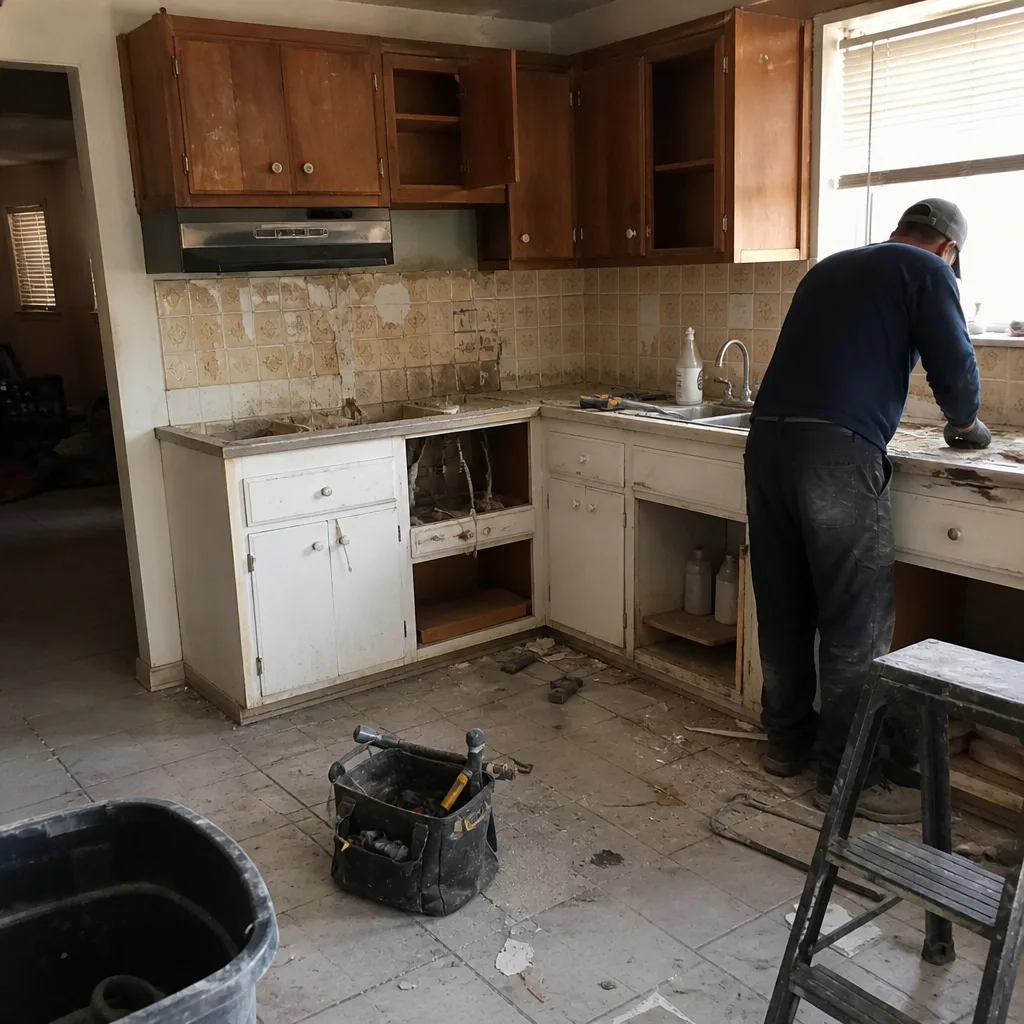 Before
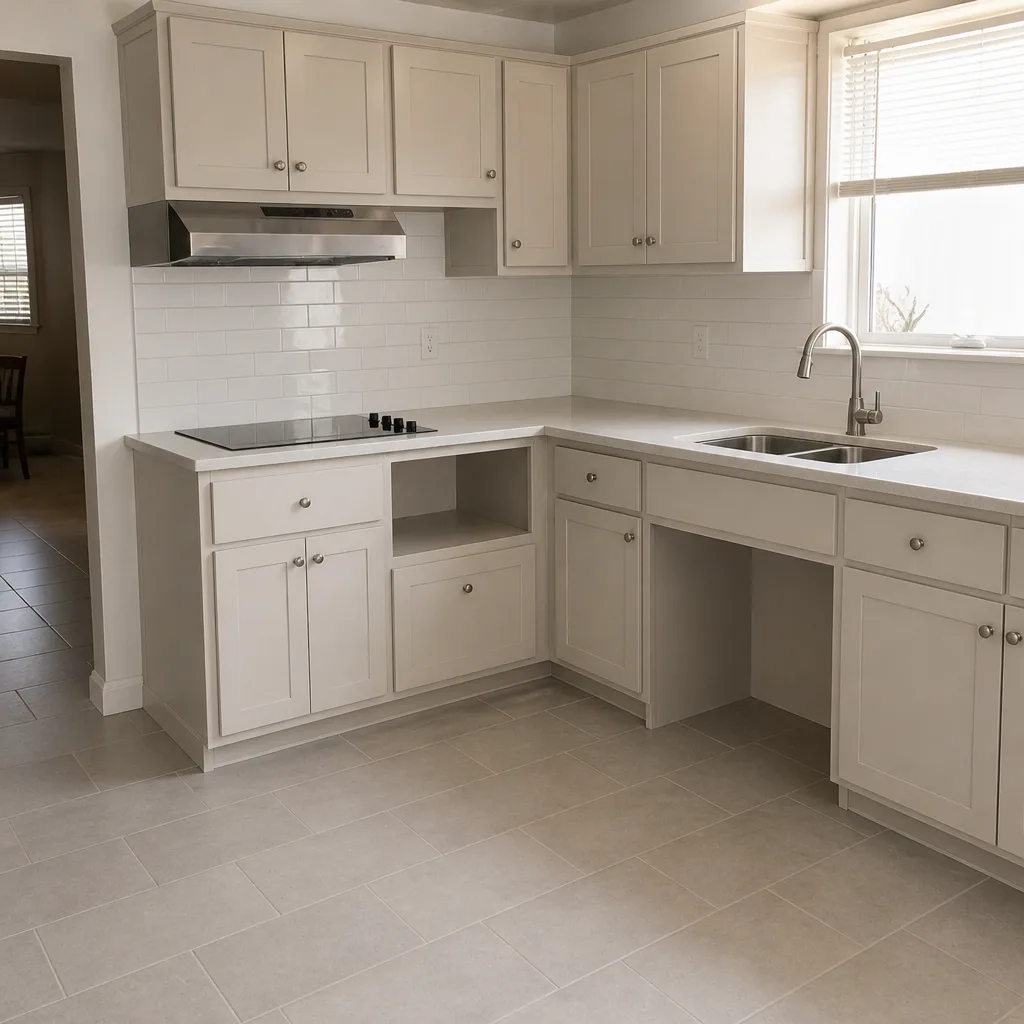 After
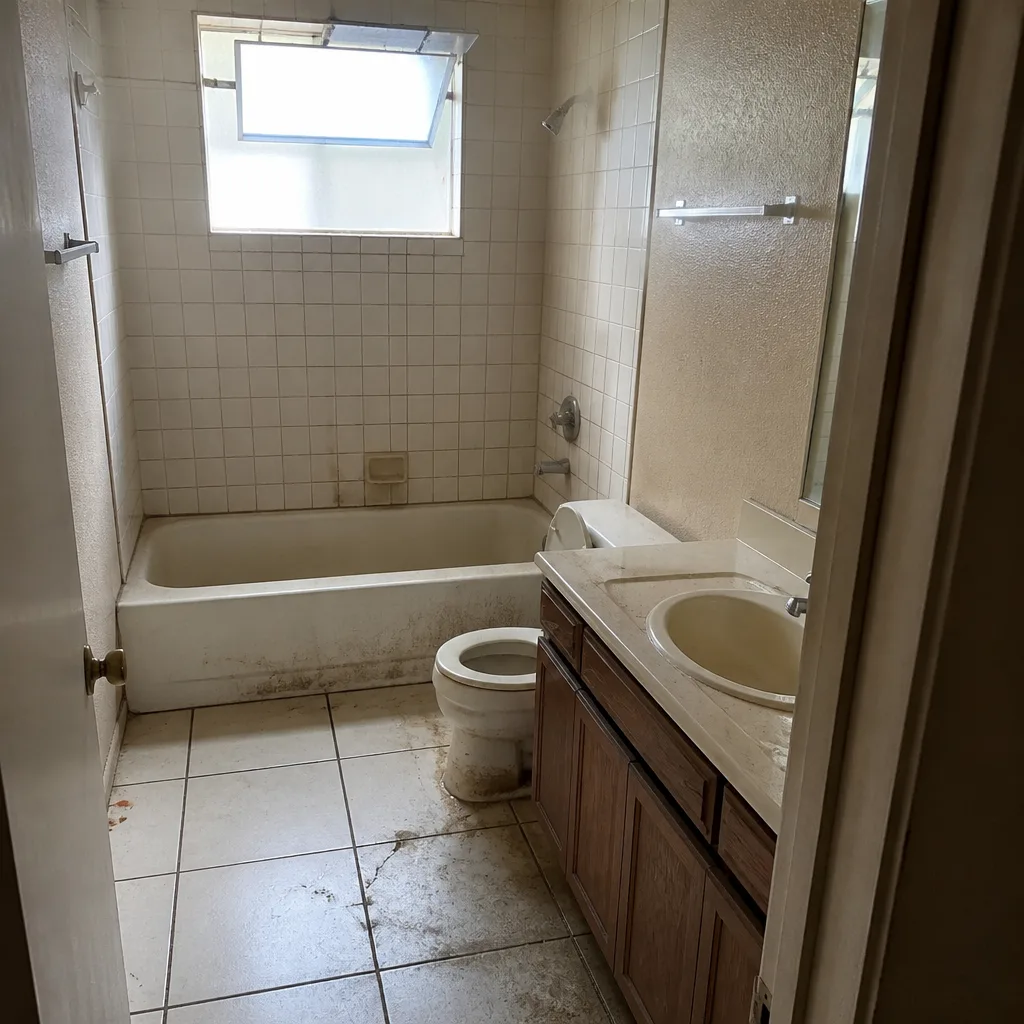 Before
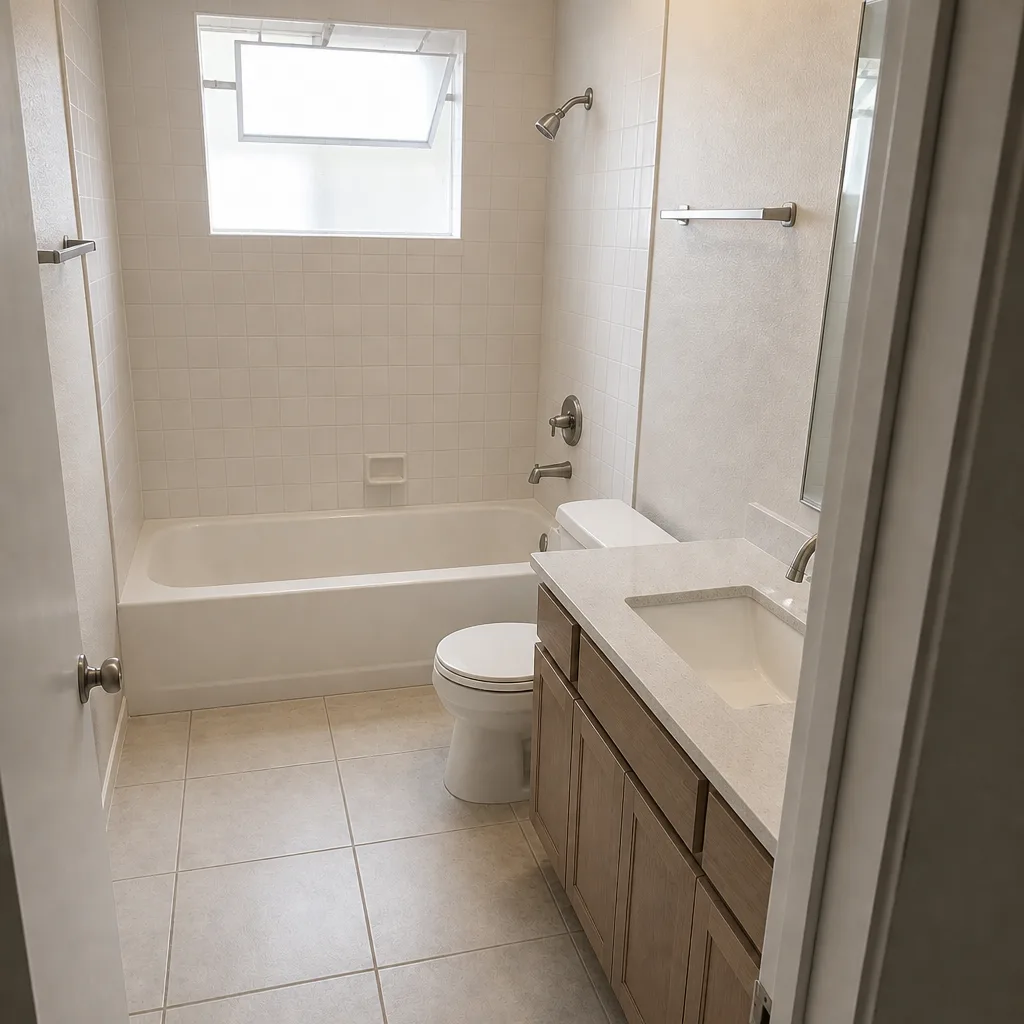 After
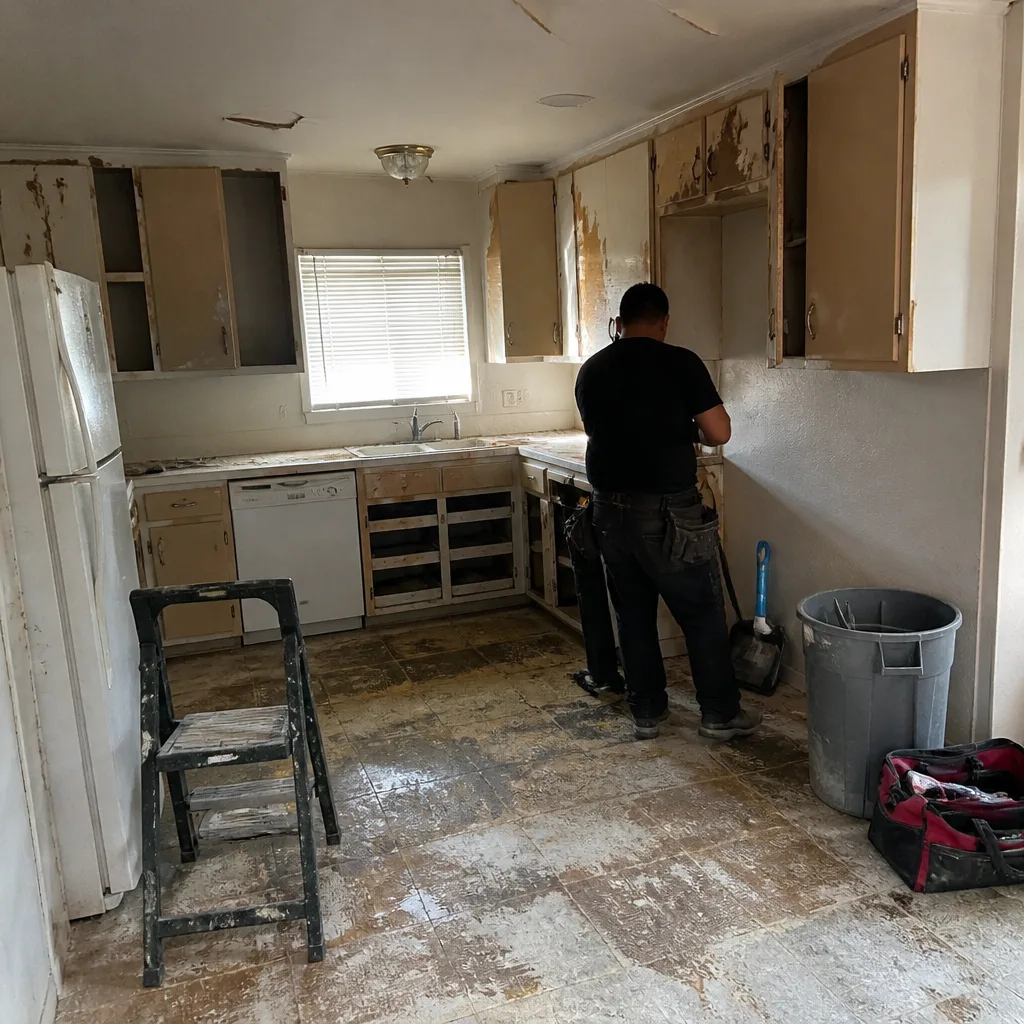 Before
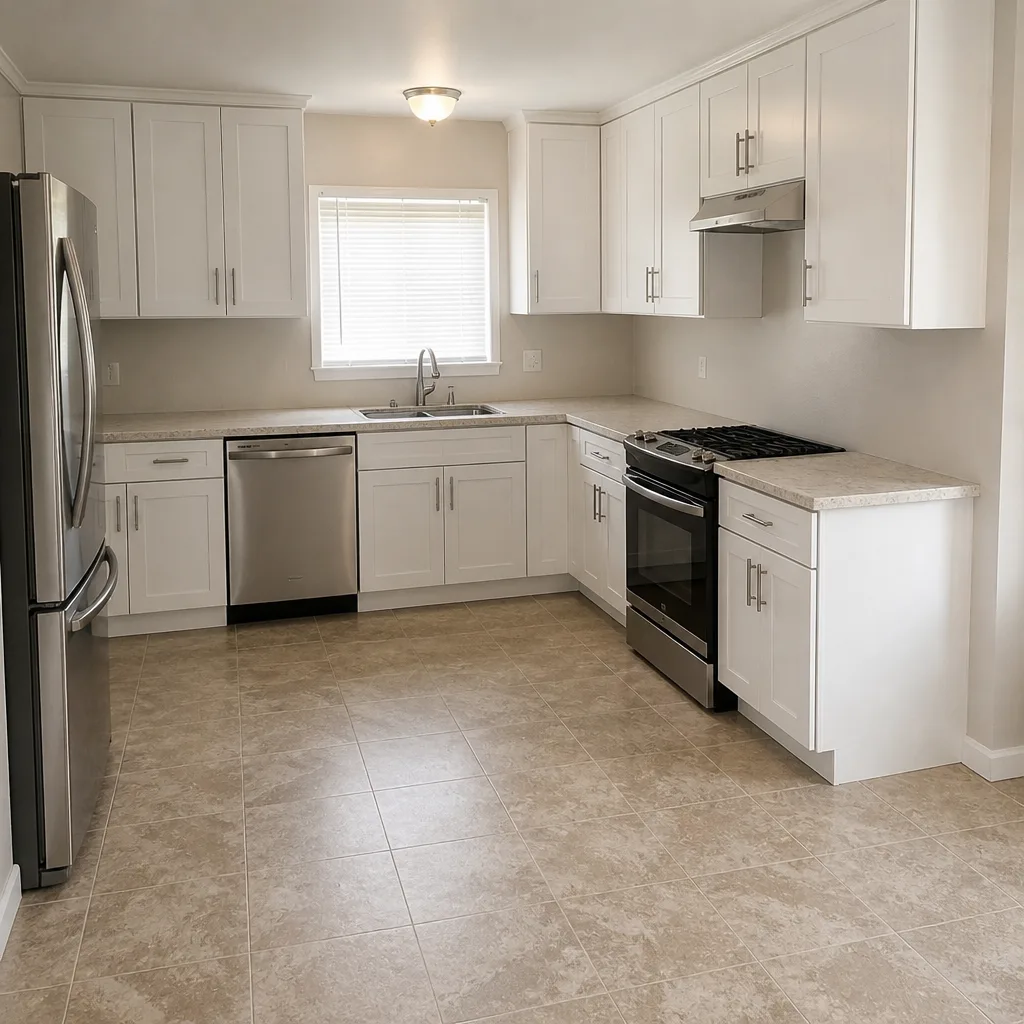 After
Frequently Asked Questions
A Las Vegas kitchen remodel typically costs $28,000 to $85,000, with most mid-range projects landing between $45,000 and $65,000. The biggest cost drivers are cabinetry, countertops, and labor, plus filtration and ventilation add-ons specific to desert conditions. Call (844) 797-1112 for an exact quote; estimates are free.
You need a permit if the work moves or removes a wall, adds or relocates an electrical circuit, moves plumbing, or changes a gas line. Cosmetic work like cabinet refacing, countertop replacement, and new flooring typically doesn’t require one. A licensed contractor pulls the permits and schedules inspections, and you keep the inspection record for your closing file.
Las Vegas water averages 16 grains per gallon, one of the hardest in the country, and it shortens the life of faucet finishes, sinks, and appliance internals fast. PVD chrome finishes survive best, fireclay and enamel sinks hold up best, and a built-in filtration system is the single highest-ROI design decision you can make. Call (844) 797-1112 to plan filtration into your free estimate.
Go 20 – 30% above the national baseline in Las Vegas: 500 – 650 CFM for a standard gas range, 700 – 900 CFM for a high-output range, and plan for makeup air above 400 CFM total exhaust. Desert heat compounds with cooking heat, and a tight, AC-sealed home needs makeup air to avoid backdrafting water heaters and furnaces.
A mid-range Las Vegas kitchen remodel runs 6 to 10 weeks, with 8 weeks as the common mark. Timeline depends on cabinetry lead times (6 – 10 weeks for semi-custom), permit turnaround, and whether your project lands in peak summer when HVAC and electrical subs are booked. Locking the schedule in writing before demo starts is what keeps it on time.
Not with a written, line-item price delivered before work begins. Changes only occur if you request a scope change (different countertop, moved appliance) and the change is priced in writing before it happens. No surprise invoices, no verbal estimates that grow on the final bill. Call (844) 797-1112 for a written estimate on your Las Vegas kitchen.
The Bottom Line
A Las Vegas kitchen remodel succeeds or fails on three local decisions most national guides skip: protecting against 16-grain hard water, sizing ventilation for desert heat, and sequencing trades around peak summer. Get those right and you’re choosing finishes and materials that will actually look and perform the same way five years from now. Get them wrong and you’ll re-do faucets, sinks, and hoods well before you planned to. Get a written price before work starts, choose from professional-grade brands in one place, and plan around the permit scope for structural and electrical work. Then schedule the crew. If you’re comparing general contracting options for a broader remodel or addition, our Mason Remodeling Co Las Vegas home is the place to start, and the kitchen remodeling in Las Vegas page covers every option we offer.
Call (844) 797-1112 to schedule a free estimate. Your kitchen plan deserves the 365-Day Done Right Promise behind it, a live person answering the phone at any hour, and a written price before any tool is unpacked.
Written by the team at Mason Remodeling Co Las Vegas.