Last updated November 18, 2026








Free written scope consultation - allowances, timeline, and change-order rules on paper before a single trade is scheduled
General Contractor Maintenance Checklist for Las Vegas Homeowners
A Las Vegas home loses more caulk integrity in one summer than a Seattle home loses in three, yet most homeowners don’t inspect it until water has already found the gap. That’s the strange part about living here: the desert is gentle on wood rot and merciless on everything else. UV radiation, 40-degree daily temperature swings, monsoon-driven rain that arrives sideways, and water hard enough to leave scale on a showerhead in weeks all attack a house in ways a temperate-climate checklist never mentions. This guide walks through what actually fails in Las Vegas homes, month by month, so you can fix the small stuff before it becomes a five-figure repair.
Quick Answer
The most important maintenance tasks for a Las Vegas home are sealing HVAC penetrations and caulk joints before summer, inspecting stucco for cracks after monsoon season, checking for thermal cracking in winter, and managing hard water damage to grout, pipe joints, and the water heater year-round. A focused walkthrough twice a year, in April and October, catches most of what desert conditions break.
Styles & brands we work with
- Kitchen remodeling
- Bathroom remodeling
- Home additions & ADU
- Roofing
- Windows & doors
- Driveway & pavers
- Fence
Table of Contents
- Why Desert Conditions Break Homes Differently
- The Five Areas UV and Thermal Cycling Degrade Fastest
- The Month-by-Month Las Vegas Maintenance Calendar
- Hard Water: The Hidden Maintenance Cost
- What a Contractor’s Annual Walkthrough Catches That You Won’t
- How to Document Maintenance to Protect Resale Value
- Common Mistakes to Avoid
- When to Call a Professional
Why Desert Conditions Break Homes Differently
Most home maintenance advice online was written somewhere with four seasons and steady humidity. It tells you to check for ice dams, clear gutters of wet leaves, and watch for moss on the roof. None of that applies here. What does apply is a set of stresses that are almost invisible until they cause damage.
The first is UV load. Las Vegas averages around 294 sunny days a year, and the sun’s ultraviolet radiation degrades sealants, caulk, paint, roofing granules, and plastic components far faster than in cloudier climates. A bead of exterior caulk that would last five years in the Midwest can fail in 18 months on a south-facing wall in Henderson or Summerlin.
The second is thermal cycling. Desert nights drop fast, and the expansion and contraction that comes with a 35-to-45-degree daily swing works on stucco, window frames, and roof flashing. Cracks open at the seams where two materials meet, because they expand and contract at different rates. That’s where water gets in.
The third is the monsoon. From roughly July through September, Las Vegas gets intense, short bursts of rain, often driven at an angle by wind. A roof that sheds gentle rain fine can push water sideways under a lifted shingle or a dried-out seal. Add hard water and blowing dust, and the maintenance picture looks nothing like the generic checklists. If you want the big-picture view of how these systems connect, our Mason Remodeling Co Las Vegas home page covers the full range of what we handle.
The Five Areas UV and Thermal Cycling Degrade Fastest
In our experience across Las Vegas neighborhoods, these five areas account for the large majority of weather-driven repair calls. Check them first, every time.
- Exterior caulk and sealant joints. Around windows, doors, hose bibs, and where siding or stucco meets trim. When caulk pulls away, water wicks behind the wall. In Las Vegas this happens on south and west walls first because they take the most direct sun.
- Stucco and its control joints. Hairline cracks are normal; cracks wider than a credit card, or any crack that runs through a control joint and keeps going, are not. Stucco is rigid and the desert moves it.
- Roof flashing and penetrations. Every vent pipe, skylight, and HVAC curb is a hole in the roof. The sealant around them dries and shrinks under UV. When a shingle roof starts to fail here, it usually fails at a penetration before the field shingles give out.
- HVAC penetrations and equipment pads. The hole where refrigerant lines and the condensate drain pass through the wall is a classic air-leak and water-entry point. The outdoor condenser sits in full sun and its pad can settle as soil shifts.
- Windows and door weatherstripping. The rubber and foam seals shrink and crack, which lets in hot air, dust, and eventually water. This one hits the power bill before it hits the wall.
Roofing materials matter here too. Brands like Owens Corning and IKO rate their shingles for UV exposure, and higher-rated products hold up noticeably better on a Las Vegas roof than builder-grade options. Choosing the right material is one reason a professional roof assessment is worth the call.
The Month-by-Month Las Vegas Maintenance Calendar
This is the part most checklists get wrong. Desert maintenance isn’t evenly spread across the year. It clusters around two events: the run-up to summer heat and the aftermath of monsoon season. Here’s how to sequence it.
- March – April: pre-summer sealing. Walk the exterior and re-caulk every joint that’s cracked, especially on sun-facing walls. Seal HVAC line penetrations. Have the AC serviced before the first 100-degree week. Check the water heater for scale and flush it if it hasn’t been done in a year.
- May: roof and attic inspection. Get up on the roof (or have someone do it safely) and look at flashing, boots around vent pipes, and any loose or lifted shingles before storm season. Check attic insulation and ventilation.
- June: pre-monsoon drainage check. Clear the roof drains and scuppers, confirm the grade slopes water away from the foundation, and check window and door seals before the first big rain.
- July – September: post-monsoon stucco inspection. After the first heavy storm, walk the exterior walls and mark any new cracks. This is the single most important inspection in a Las Vegas year. Address cracks before the next rain drives water in.
- October – November: winter thermal-crack check. As nights cool and the daily swing grows, watch for new cracks at seams and window corners, and check weatherstripping around doors before the heating season.
- December – February: interior systems. Test smoke and carbon monoxide alarms, check under sinks for slow leaks, look at grout lines in bathrooms for cracking, and inspect the water heater and supply lines for corrosion.
Two focused weekends a year, one in spring and one in fall, cover most of this. Everything else is a quick look after a big storm.
Hard Water: The Hidden Maintenance Cost
Las Vegas water is hard, and that hardness quietly raises the cost of owning a home here. Hard water leaves mineral scale that builds up in places you don’t see until something fails. A few specifics worth knowing:
- Tile grout. Mineral deposits work into grout lines in showers and on floors, and over time the grout cracks and discolors. Once it cracks, water gets behind the tile. When you’re planning a Bathroom Remodeling in Las Vegas, choosing epoxy grout or sealing the grout is a real long-term cost saver here.
- Pipe joints and fixtures. Scale builds at joints and on aerators, cutting water pressure and stressing fittings. Faucets from brands like Moen and Kohler last longer here when they’re flushed and descaled regularly.
- Water heater longevity. Sediment settles in the tank and forces the unit to work harder. In our experience, a Las Vegas water heater that never gets flushed has a shorter service life than one that’s flushed annually. That’s a direct, predictable maintenance cost.
A whole-house water softener or a point-of-use filter under the kitchen sink pays for itself over time, but even without one, flushing the water heater once a year and descaling fixtures regularly makes a measurable difference. If your fixtures and finishes are getting tired, the kitchen is where hard water wear shows up most, and Kitchen Remodeling in Las Vegas can fold water-resistant surfaces into the plan.
What a Contractor’s Annual Walkthrough Catches That You Won’t
A homeowner sees the obvious. A trained eye sees the seams, the failures in progress, and the small signs that point to a bigger problem. An annual walkthrough from a licensed general contractor is worth it for that reason alone. Here’s what a professional is looking at that most homeowners miss:
- Settlement and structural movement. A crack in drywall at the corner of a doorway or a door that suddenly sticks can signal movement in the foundation or framing. That’s not something you spot by eye unless you know what pattern to look for.
- Water intrusion that hasn’t surfaced yet. Stain patterns under roof penetrations, efflorescence (the white mineral staining) on exterior walls, and soft spots in stucco all point to moisture that hasn’t reached the drywall indoors yet. Catching it at this stage is a seal and a patch; catching it later is a wall rebuild.
- Systems near end of life. A contractor can look at your HVAC, water heater, and roof and give you an honest read on remaining life, so you can budget for replacement instead of being surprised by it.
- Code and safety issues. In Las Vegas, HVAC penetrations, electrical panel connections, and gas line work carry real safety weight and specific code requirements. A professional spots clear signs of a problem and knows when those areas need a licensed specialist. High-tension work like garage door springs and electrical panel work should always go to a trained pro, never a weekend project.
You can find more detail on the full scope of what a professional manages on our General Contractor in Las Vegas page.
How to Document Maintenance to Protect Resale Value
Few homeowners think about resale until they’re ready to sell, which is exactly the wrong time to start. A documented maintenance record does two useful things. It protects you when a warranty claim comes up and it gives a buyer confidence when you eventually sell. In a Las Vegas market that moves quickly, a well-kept maintenance file can genuinely help a home stand out.
Here’s a simple system:
- Photograph every repair. Before and after. A crack in the stucco, a re-caulked window, a new water heater install. Date-stamp the photos and keep them in one folder on your phone or cloud drive.
- Keep every invoice and warranty document. Roof material warranties from manufacturers like Owens Corning or IKO, appliance warranties, and contractor receipts. If a repair fails inside a warranty period, you’ll need the paper trail.
- Log the date and what was done. A plain spreadsheet or notebook is enough. Note what was serviced, when, and by whom.
- Keep a copy of the annual walkthrough report. If a contractor gives you one, hold onto it. It shows a pattern of care.
This takes maybe 15 minutes after each repair, but it’s the difference between “I think we had it serviced” and a clear, provable record when it matters.
Common Mistakes to Avoid
- Caulking over a wet or dirty joint. New caulk won’t adhere to a damp surface, and it fails within weeks. Clean and dry the joint first, then seal.
- Ignoring hairline cracks in stucco. Small cracks let in small amounts of water, and water inside a wall in the desert is a slow, invisible problem. Seal small cracks before they widen.
- Skipping the post-monsoon inspection. The biggest stucco and roof damage happens in the storms and goes unnoticed until the next rain. Check the house after the first heavy storm of the season.
- Never flushing the water heater. Sediment buildup shortens the unit’s life and costs you money. An annual flush is cheap insurance.
- Doing electrical or gas work yourself. A homeowner can check for obvious signs of trouble, but electrical panels and gas lines are not DIY territory. Get a trained professional.
- Letting the HVAC penetration go unsealed. A crack around the refrigerant line is a path for hot attic air and, eventually, water. Seal it before summer.
- Not keeping records. Without documentation, you can’t prove warranty coverage and you can’t show a buyer your maintenance history. Keep the file.
When to Call a Professional
Some jobs are maintenance you can handle yourself: re-caulking a window, flushing a water heater, checking alarms. Other jobs are where calling a professional saves you money and risk. Call a licensed professional when you see a stucco crack wider than a credit card, when a roof leak won’t stop after the storm, when a door or window suddenly sticks or won’t close right, when the water heater is old and not flushing clean, or when anything electrical or gas-related looks off. High-tension garage door work and electrical panel work are always a pro’s job, never a weekend project.
Mason Remodeling Co Las Vegas offers free estimates in Las Vegas. Call (844) 797-1112 and a live person answers, day or night, to schedule a walkthrough. Every completed project comes with a written price before work starts and the 365-Day Done Right Promise: if the work isn’t right within a year, we make it right at no cost to you.
See the difference
 Before
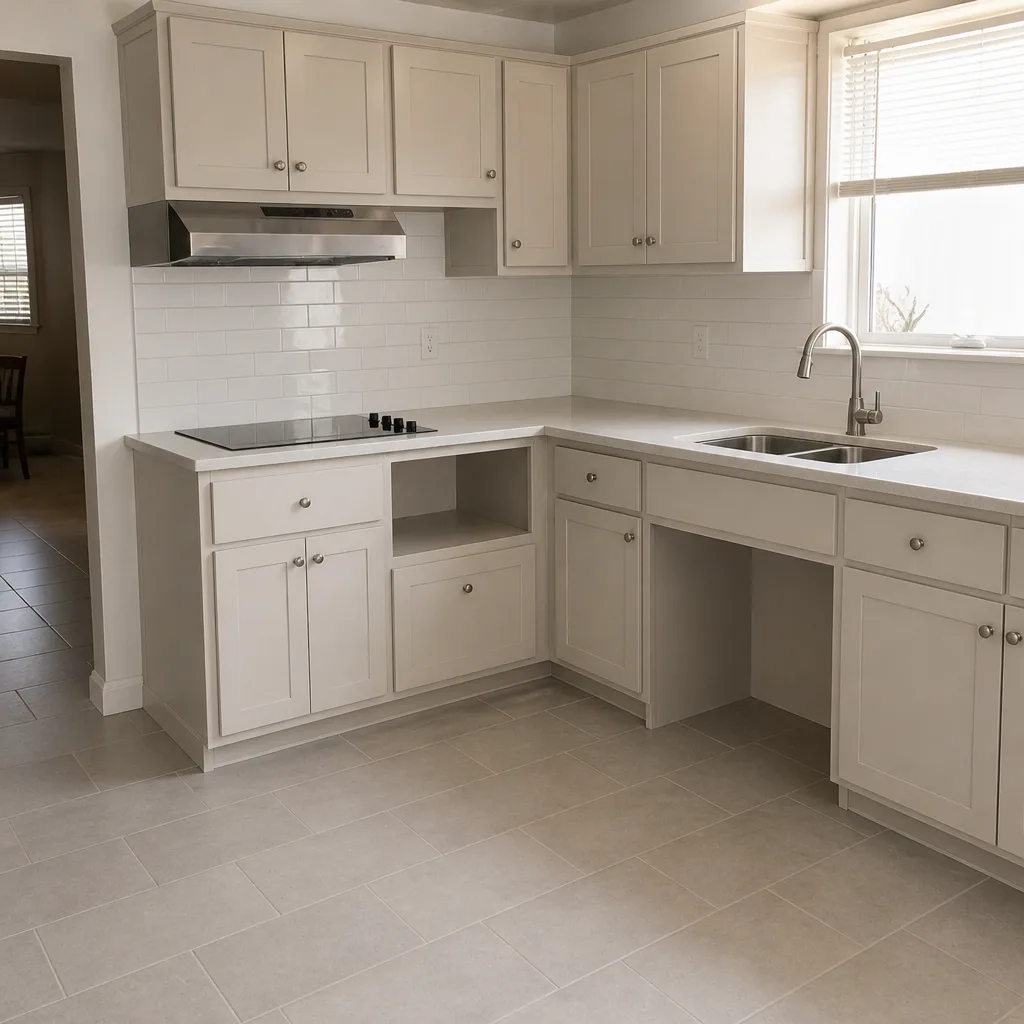 After
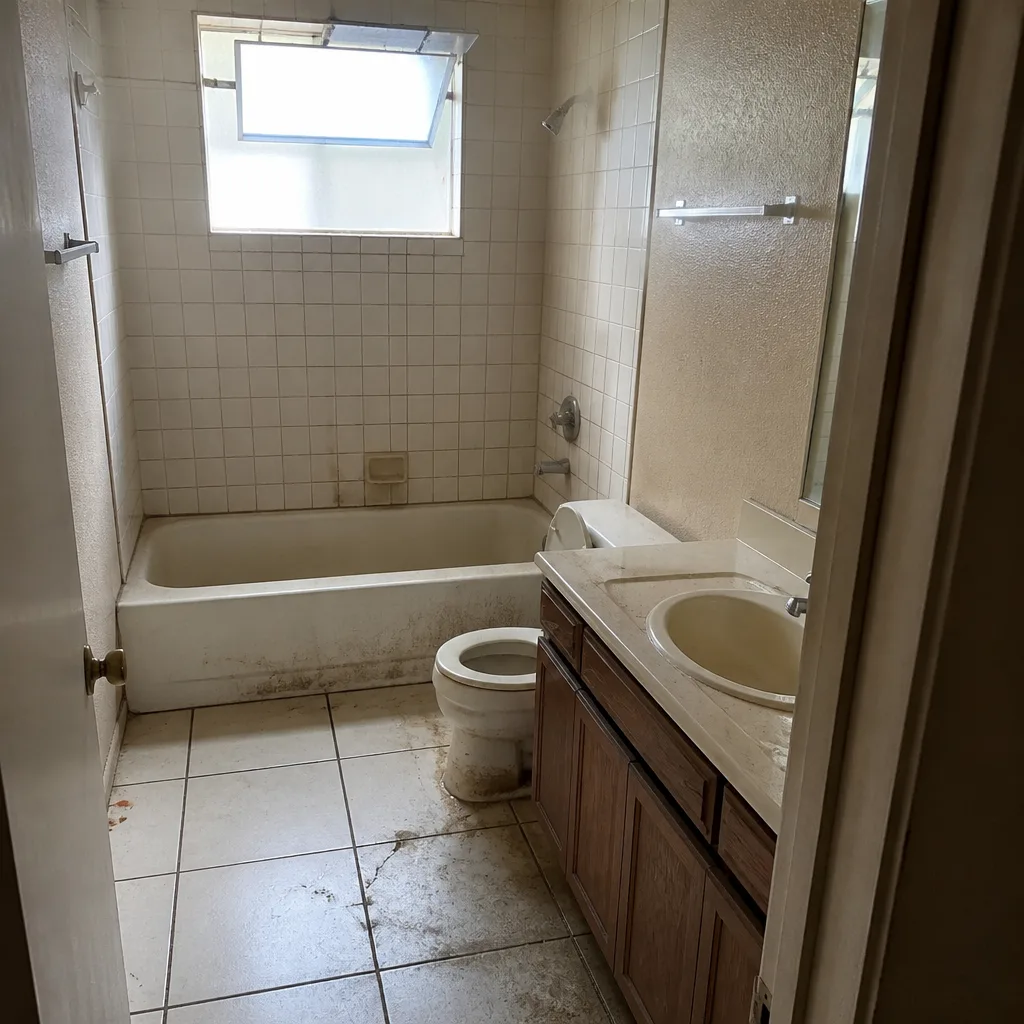 Before
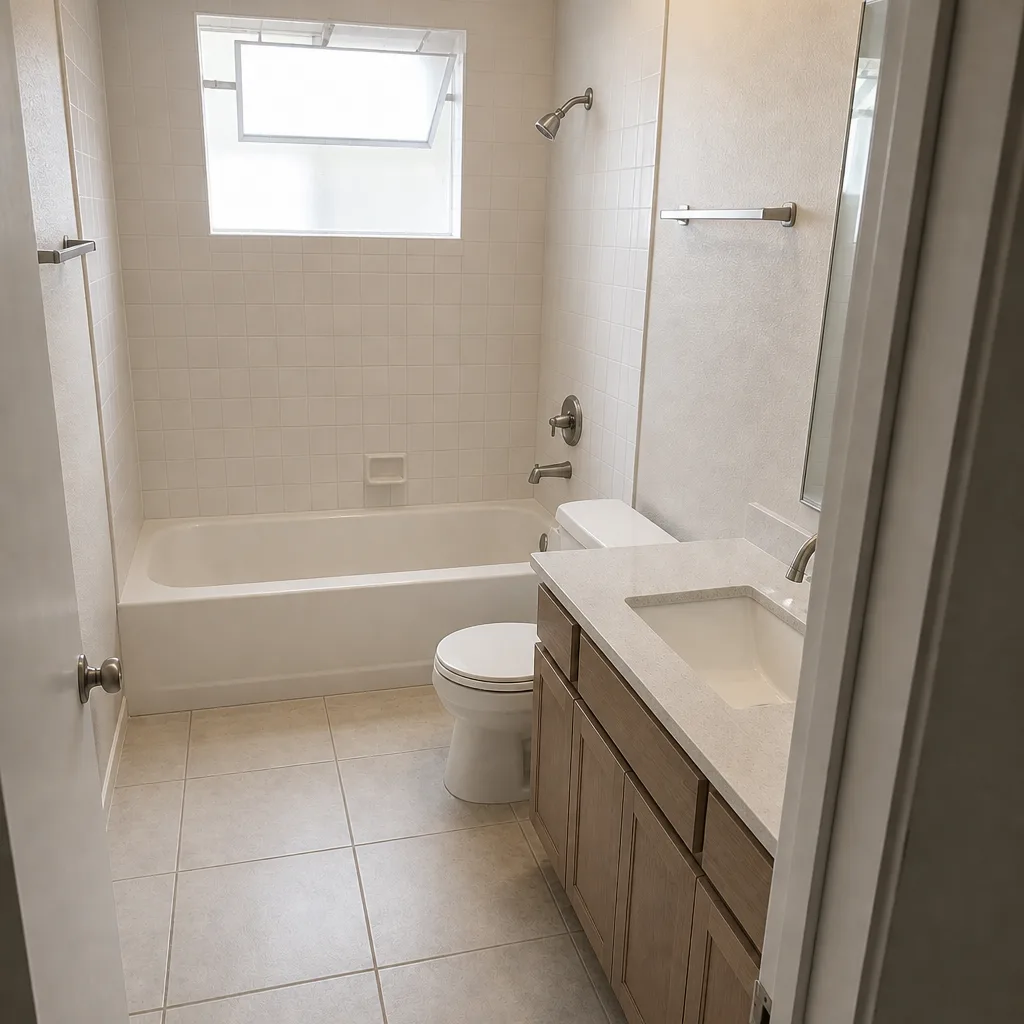 After
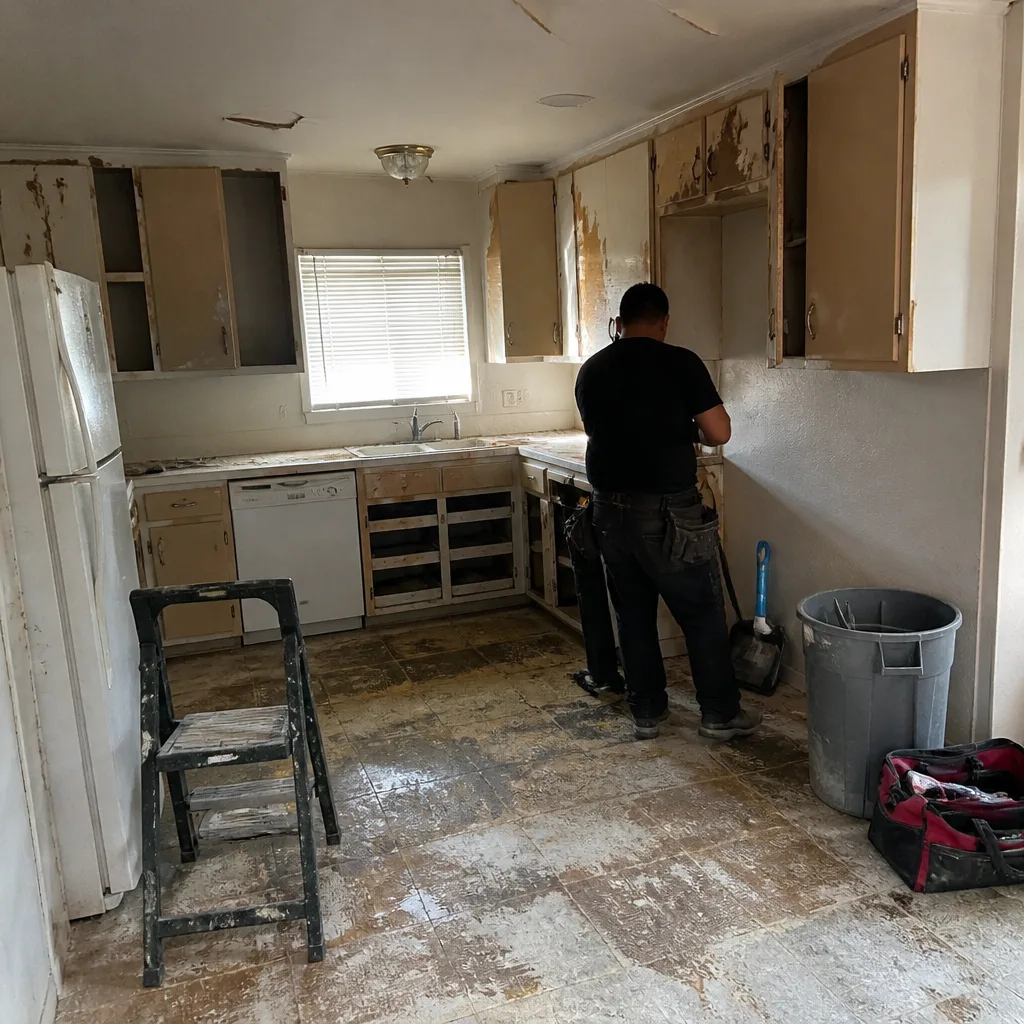 Before
 After
Frequently Asked Questions

Twice a year is the minimum for most Las Vegas homes, once in spring before the summer heat and once in fall after monsoon season. You should also do a quick visual check of the stucco and roof after any major storm. Homes near the foothills in neighborhoods like Summerlin or Henderson may need closer attention because of wind exposure.
Failed caulk and sealant joints around windows and doors are the most common issue we find in Las Vegas homes. UV exposure dries and cracks the sealant far faster here than in cooler climates. Once the caulk fails, water finds its way behind the wall.
Stucco crack repair in Las Vegas typically runs $250 to $900 depending on the length and depth of the crack and whether it needs re-sealing after patching. Catching cracks early keeps the cost at the low end. Call (844) 797-1112 for an exact quote – estimates are free.
Yes. Las Vegas water leaves mineral scale that builds up in grout lines, pipe joints, and water heaters over time. That scale cracks grout, cuts water pressure, and shortens the life of a water heater. Flushing the heater annually and descaling fixtures regularly makes a real difference.
Both. Inspect before the first storm to catch loose shingles and failing flashing, and again after to catch damage the rain and wind caused. Roofing materials like Owens Corning and IKO hold up better against UV, but even good shingles need their flashing checked annually.
A general contractor spots structural movement patterns, early water intrusion signs like efflorescence and soft stucco, and systems that are near end of life. Those are the things a homeowner’s eye skips past. A trained walkthrough catches them while they’re still small.
The Bottom Line
Las Vegas homes don’t maintain like homes elsewhere. The desert is gentle on the things a temperate checklist warns about and hard on the things it ignores: UV-degraded caulk, thermal cracks in stucco, stressed HVAC penetrations, and hard water scale. A focused spring and fall walkthrough, plus a post-monsoon inspection every year, covers most of it. Document what you fix, keep your invoices, and call a professional when a crack is wide, a leak won’t stop, or anything electrical or gas-related looks off. Mason Remodeling Co Las Vegas is here for the walkthrough, the repair, and the bigger project when the time comes. Call (844) 797-1112 for a free estimate.
Written by the team at Mason Remodeling Co Las Vegas.