
Last updated November 18, 2026








Free written scope consultation - allowances, timeline, and change-order rules on paper before a single trade is scheduled
How Long Does General Contractor Take? Timelines and What to Expect
The average Clark County residential building permit takes longer to issue than most contractors quote in their initial timeline, and that gap isn’t the contractor’s fault. It is their responsibility to tell you upfront. Most homeowners hear a finish date before the first nail is driven and treat it as a promise. Then the permit sits at the county, the custom cabinets get rescheduled, the HVAC unit goes on backorder, and the date quietly moves. Nobody lied. The schedule was simply built on best-case assumptions about three things no contractor controls: permit speed, material delivery, and subcontractor availability.
This guide shows you what a realistic timeline looks like for a home renovation in Las Vegas, why schedules slip, and, most importantly, what levers you actually control as the homeowner.
Quick Answer
A typical general contractor project in Las Vegas runs 4 to 6 weeks for a bathroom remodel, 8 to 12 weeks for a kitchen, 4 to 8 months for an addition, and 6 to 12 months for a whole-home remodel. In each case, add 2 to 6 weeks for Clark County permit issuance before physical work begins. The most accurate number you’ll get comes from a written, milestone-based schedule, not a verbal guess.
Styles & brands we work with
- Kitchen remodeling
- Bathroom remodeling
- Home additions & ADU
- Roofing
- Windows & doors
- Driveway & pavers
- Fence
Table of Contents
- Why Most Remodeling Schedules Slip
- Phase-by-Phase Timeline for Common Projects
- The Clark County Permit Wait Nobody Quotes
- The Three Biggest Schedule Killers in Las Vegas
- How to Read a Contractor’s Schedule
- What a Written Project Schedule Should Include
- Protecting Yourself Financially If the Timeline Runs Long
- Common Mistakes to Avoid
- When to Call a Professional
- Frequently Asked Questions
Why Most Remodeling Schedules Slip
Contractors aren’t usually missing deadlines because they’re dishonest. They miss them because the timeline they gave you at the kitchen table assumed everything would go right. Permits approved fast. Tile in stock. The electrician free the week he’s needed. That’s a best-case scenario dressed up as a normal one.
A realistic schedule has three things built into it: buffer time, dependency logic (what has to finish before what starts), and named responsibility (who is accountable for each milestone). When one of those is missing, the plan is fragile. When all three are missing, the plan is a wish.
Here’s a concrete example of what we mean. A kitchen remodel has a hard dependency chain: rough plumbing and electrical, then inspection, then drywall, then cabinetry installation, then countertop templating, then countertop fabrication, then installation of the countertops, then backsplash, then final fixtures. If the cabinet delivery slips by two weeks, the countertop template slips by two weeks, and the countertop fabricator’s own queue pushes it another ten days. One delayed delivery cascades into a month of schedule movement. An honest contractor shows you that chain and builds slack into it. A salesperson quotes you the finish date and hopes.
A kitchen or bath project in Las Vegas can be a great experience if you know what to expect. The team at Kitchen Remodeling in Las Vegas shows you this chain in writing before any work begins, which is why the schedule you sign is the schedule you live with.
Phase-by-Phase Timeline for Common Projects
Below are realistic durations for common residential projects in the Las Vegas area. All figures assume a typical single-story or two-story Clark County home, materials ordered at contract signing, and no unusual structural surprises.
Bathroom Remodel
Plan 4 to 6 weeks of active work, plus 2 to 4 weeks for permit issuance on a structural or plumbing-move job. A cosmetic refresh that keeps the layout intact (new tile, fixtures, paint, vanity) can run 2 to 3 weeks. Every week of demo followed by waterproofing and tile curing adds up; Schluter waterproofing systems are common here because they handle the dry Las Vegas climate and speed up cure time versus traditional mud-set walls.
Kitchen Remodel
8 to 12 weeks of active work. Custom cabinetry alone can take 6 to 10 weeks from order to delivery. Countertop fabrication (Cambria, Caesarstone, and similar quartz surfaces) adds another 1 to 3 weeks after the cabinet template. If you’re keeping the layout and using semi-custom cabinets, you can compress this to 5 to 7 weeks.
Room Addition
4 to 8 months, depending on structural complexity. An addition is a genuinely different animal: foundation work, framing, roofing, mechanical, electrical, and plumbing all have to be permitted and inspected in sequence. Clay soil and summer heat in Las Vegas can push foundation curing two extra weeks on certain sites.
Whole-Home Remodel
6 to 12 months. Whole-home remodels are the least predictable because every trade is on-site at some point, and every trade has its own queue. Multi-phase occupancy (where you live in the home during the work) pushes the total further.
- Design and selections: 2 to 8 weeks (owner-controlled).
- Permit submission and issuance: 2 to 6 weeks (county-controlled).
- Demolition and rough-in: 1 to 3 weeks.
- Rough inspections: 3 to 7 days after rough completion.
- Insulation and drywall: 1 to 2 weeks.
- Finishes (tile, cabinets, surfaces, paint, fixtures): 2 to 6 weeks.
- Final inspection and punch list: 3 to 10 days.
For bathroom-specific sequencing details, see the Bathroom Remodeling in Las Vegas page.
The Clark County Permit Wait Nobody Quotes
Here is the piece of the puzzle most contractors leave out of the initial pitch: the permit wait. In our experience, Clark County residential permits for kitchen and bath work typically take 3 to 6 weeks. Structural additions and anything touching the building envelope can take 6 weeks or longer. That time is not the contractor sitting idle. It’s the county reviewing drawings, checking for code compliance, and calling for revisions if anything is out of order.
If your contractor’s schedule shows demolition starting the week after contract signing, they either have a pre-approved plan (rare for a custom job) or they’re not counting the permit wait. Ask which one it is. The answer tells you a lot about how honestly the rest of the schedule was built.
We pull permits on every project that requires one, and we build the permit review window into the schedule you sign. That isn’t a marketing point, it’s just what an honest plan looks like. The team behind the General Contractor in Las Vegas service writes the permit submission date into the written schedule before the truck ever arrives.
The Three Biggest Schedule Killers in Las Vegas
1. Custom Cabinetry Lead Times
KraftMaid, Wellborn, and other semi-custom and custom cabinet brands routinely run 6 to 10 weeks from order to delivery in this market. Peak season (spring through early summer) can add another 2 to 3 weeks. There is no way around this timing except ordering earlier or choosing in-stock or semi-stock options. A contractor who promises cabinet installation in week 3 without a cabinet order already placed is either using stock product or quietly planning to push the date.
2. HVAC Equipment Backorders
When a remodel touches the HVAC system (adding a mini-split, relocating a duct, replacing an air handler), the schedule depends on equipment availability. HVAC equipment is a real bottleneck right now: standard residential units and heat pump equipment often sit on 2 to 6 week backorders, and specialty sizes can run longer. If your project involves HVAC, ask directly whether the unit is in stock or ordered.
3. Subcontractor Scheduling During Peak Season
Electricians, plumbers, drywall crews, and tile setters are shared resources. In Las Vegas, peak remodel season (March through July) tightens every trade’s calendar. A good general contractor books electricians and plumbers weeks in advance and holds those dates. A less careful one calls the electrician the week before, gets the answer “two weeks out,” and passes the delay to you.
The best way to protect your schedule is to verify the contractor’s track record before signing. The team at Mason Remodeling Co Las Vegas home has technicians with up to 22 years of experience, and every job starts with a written price before any work begins.
How to Read a Contractor’s Schedule
You can tell a lot about a contractor by opening the schedule and looking for gaps. Here are the specific signs of a schedule built with real buffer versus one that assumes everything goes perfectly.
- Buffer between inspection and next phase: Look for 3 to 7 days after every rough inspection before drywall or finishes begin. A zero-gap schedule is fragile.
- A permit submission milestone with a date: If the schedule has no permit milestone, or shows the permit complete on day one, it’s either unrealistic or incomplete.
- Material delivery dates tied to phases: Cabinets, countertops, tile, windows, and HVAC equipment should each show an ordered-on date and expected-arrival date, not just an install date.
- Subcontractor arrival windows: “Electrical rough-in, May 12 to May 14” is a plan. “Electrical rough-in, week 4” is a wish.
- Weather-resilient sequencing: Exterior work (roofing, hardscaping, windows) should be scheduled in ranges, not fixed single days. Las Vegas isn’t rainy, but summer heat above 110°F shuts down some exterior work mid-day.
- Named owner for each milestone: The schedule should say who is responsible for delivery (contractor, homeowner, supplier).
- Punch list days at the end: A planned final walkthrough and punch list window, not a “call us if something comes up.”
If three or more of those are missing, ask before you sign. A contractor who can answer those questions quickly is a contractor who has thought about it.
What a Written Project Schedule Should Include
A written project schedule is a contract annex. It should be handed to you before any work starts, alongside the written price. It should list, at minimum:
- Milestone dates: A start date, permit submission date, permit approval date, rough-in completion date, finish phase start and end, and final inspection date.
- Permit submission and expected approval window: Both dates, with a stated understanding that county review time can vary.
- Material order dates and expected delivery windows: Especially for cabinets, countertops, windows, and HVAC equipment.
- Subcontractor arrival windows: Not just “electricians week 2” but “electricians on-site May 12 to May 14.”
- Homeowner responsibilities: Selection dates, access, storage space, and payment milestones tied to phases.
- Buffer blocks and how they will be used: Where the slack lives, so if something slips you know which phase absorbs the hit.
What’s missing if this document doesn’t exist? All of it. A verbal date is not a schedule. A Gantt chart “coming soon” is not a schedule. A written schedule signed by both parties before the first phase starts is a schedule. That is the standard Mason Remodeling Co Las Vegas holds to; a written guarantee covers the work for 365 days from the completion date.
Protecting Yourself Financially If the Timeline Runs Long
Here is where most homeowners lose leverage: payment schedule. If you’ve paid 80% of the contract by the time framing is done, you have no real reason to expect the last 20% to be installed on time. That’s the wrong structure. Tie your payment to phases, not to calendar dates.
There’s also a specific contract tool that exists for exactly this situation: the liquidated damages clause. In residential construction, a liquidated damages clause sets a pre-agreed dollar amount (often $100 to $300 per day of unexcused delay, or a capped percentage of the contract) that the contractor owes the homeowner if the job runs past an agreed substantial-completion date. It’s not a punishment; it’s a shared incentive.
What’s reasonable to ask for in a residential contract? Here are practical guardrails:
- A defined substantial-completion date: The date when the job is materially usable, not just “mostly done.”
- Excusable delay carve-outs: Permits beyond agreed windows, acts of God, homeowner-caused delays. These are normal and reasonable to exclude.
- A reasonable per-day amount: Enough to be meaningful, not so high the contractor walks away. $100 to $250/day is common in this market.
- A cap: Usually the total for liquidated damages equals 5 to 10% of the contract value.
- Phase-based payment schedule: Pay only for work already completed and inspected. Never the majority up front.
Ask for these clauses in writing. If a contractor resists a reasonable liquidated damages clause, that is a signal about their confidence in their own schedule.
Common Mistakes to Avoid
- Accepting a single finish date with no milestones. If the only date on the contract is “project complete” with no interim checkpoints, you have no way to know if the project is on track until it isn’t.
- Paying 50% or more up front. Progress payments tied to completed phases protect you. Lump up-front payments transfer all risk to you.
- Selecting materials after demolition starts. Tile, cabinets, and fixtures should be picked, ordered, and en route before demo. Delays in selection are the single most common homeowner-caused delay.
- Ignoring the permit timeline in the quote. If your contractor says “we start Monday” for a job that needs a permit, verify when the permit was submitted. In Clark County, that timing can add weeks.
- Booking in peak season without a trade calendar in writing. If your project falls in March through July, hold the contractor to written subcontractor arrival windows, not verbal estimates.
- Skipping the liquidated damages conversation because it feels awkward. It’s a normal negotiation in residential construction. If your contractor’s first reaction is defensiveness, that’s information you need before signing.
- Not asking who the on-site project manager is by name. And not asking the office to send that person’s photo. Every visit from a Mason Remodeling crew member is preceded by the technician’s name and photo. That’s the Threshold Standard, and it’s the baseline you should demand from anyone working in your home.
When to Call a Professional
Call a licensed general contractor when your project touches structure, plumbing, electrical, gas, or permits. That covers kitchen and bath remodels with layout changes, additions, HVAC re-routing, window replacement, and any project that will need a Clark County permit. Call a professional even if you think the project is small, if it involves more than one trade. A kitchen remodel that touches plumbing, electric, and tile is a multi-trade job, and coordinating trades without a schedule is how months become years.
Mason Remodeling Co Las Vegas offers free estimates in Las Vegas, and the written price you get is the price you’ll pay, with no surprise invoices. Call (844) 797-1112 to schedule yours.
Frequently Asked Questions
A home renovation in Las Vegas typically runs 4 to 6 weeks for a bathroom, 8 to 12 weeks for a kitchen, 4 to 8 months for an addition, and 6 to 12 months for a whole-home remodel, plus 2 to 6 weeks for Clark County permit issuance. Call (844) 797-1112 for an exact timeline based on your project.
It should, but many don’t. Ask specifically whether the quoted dates begin at contract signing or at permit approval. If the answer is vague, ask for the permit submission date in writing. A written schedule lists it. Call (844) 797-1112 to see a sample schedule before you commit.
It shouldn’t, if the price is written and the scope is clear. Change orders are sometimes unavoidable when hidden conditions surface (unexpected rot, code upgrades), but they should be priced and approved in writing before the work happens, never tacked onto the final bill. Written line-item pricing is standard at Mason Remodeling Co Las Vegas, and every project carries a written guarantee with stated coverage terms.
Yes, on every project that requires one. Clark County residential permit approval typically takes 3 to 6 weeks for kitchen and bath projects, and 6 weeks or longer for additions. The review time is county-controlled, and a good schedule builds it in. Call (844) 797-1112 for a project-specific answer.
Yes, and it’s a reasonable ask. A per-day dollar amount (commonly $100 to $250 in this market), a defined substantial-completion date, and clear excusable-delay carve-outs (permits, acts of God, homeowner delay) are all standard. If a contractor won’t discuss it, that’s a signal about the confidence in their schedule.
The right response is: the schedule absorbs the delay because it had buffer, and the countertop templating slides to match the actual cabinet delivery. The wrong response is: the installer countertops a kitchen with no cabinets. Ask your contractor how the schedule is structured to absorb cabinet delivery delays, and get the answer in writing. Call (844) 797-1112 for a written timeline that shows how buffer is used.
The Bottom Line

The realistic time for a general contractor project in Las Vegas is measured in weeks of active work plus weeks of permit review plus weeks of material lead time, not a single finish date promised at contract signing. The two things that separate a schedule you can trust from one you can’t are: written milestones with dates, and buffer that absorbs the material delays that come with custom cabinetry, HVAC equipment, and peak-season trade calendars. You control more than you think here: selection timing, payment structure, and the contractual clauses you ask for. If you’re ready to see what a real schedule looks like for your project, Mason Remodeling Co Las Vegas provides free estimates and written prices before any work begins, backed by a 365-Day Done Right Promise. Call (844) 797-1112 to schedule yours.
Written by the team at Mason Remodeling Co Las Vegas.
See the difference
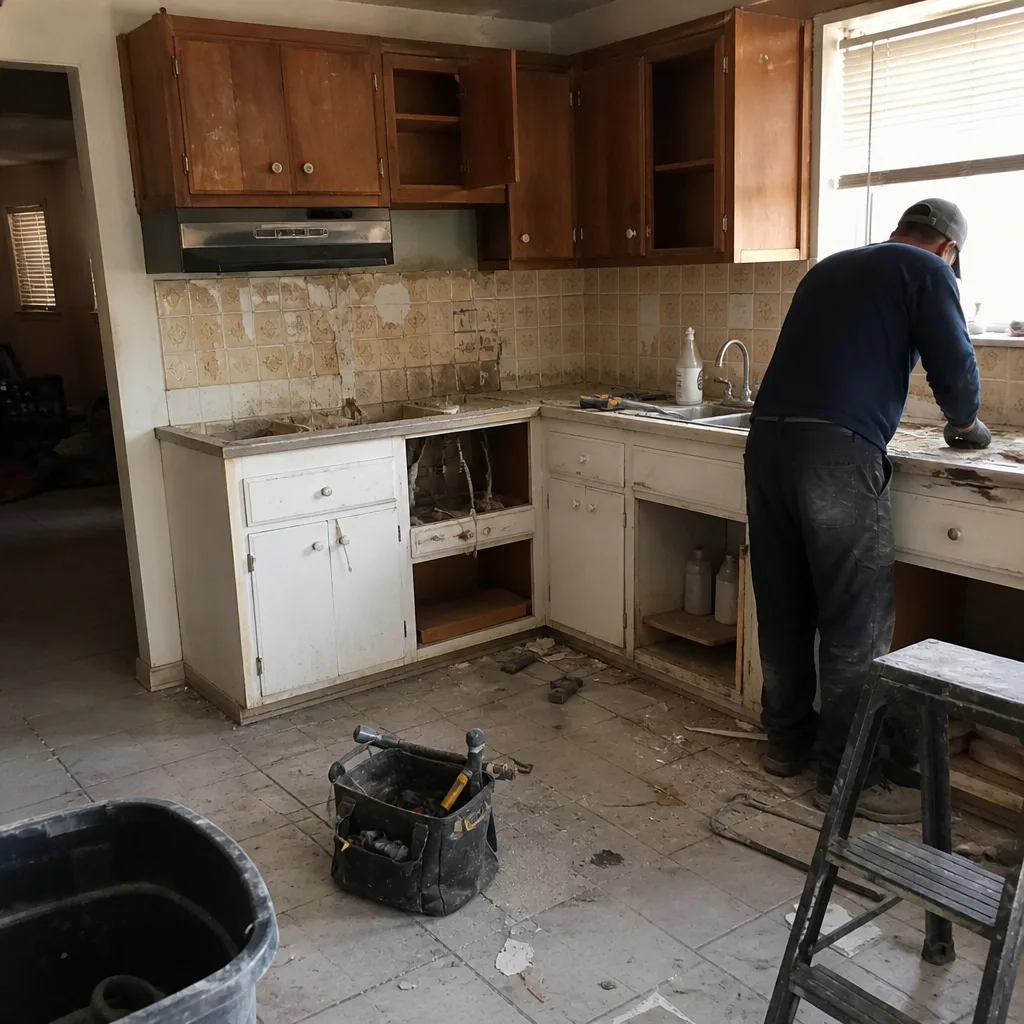 Before
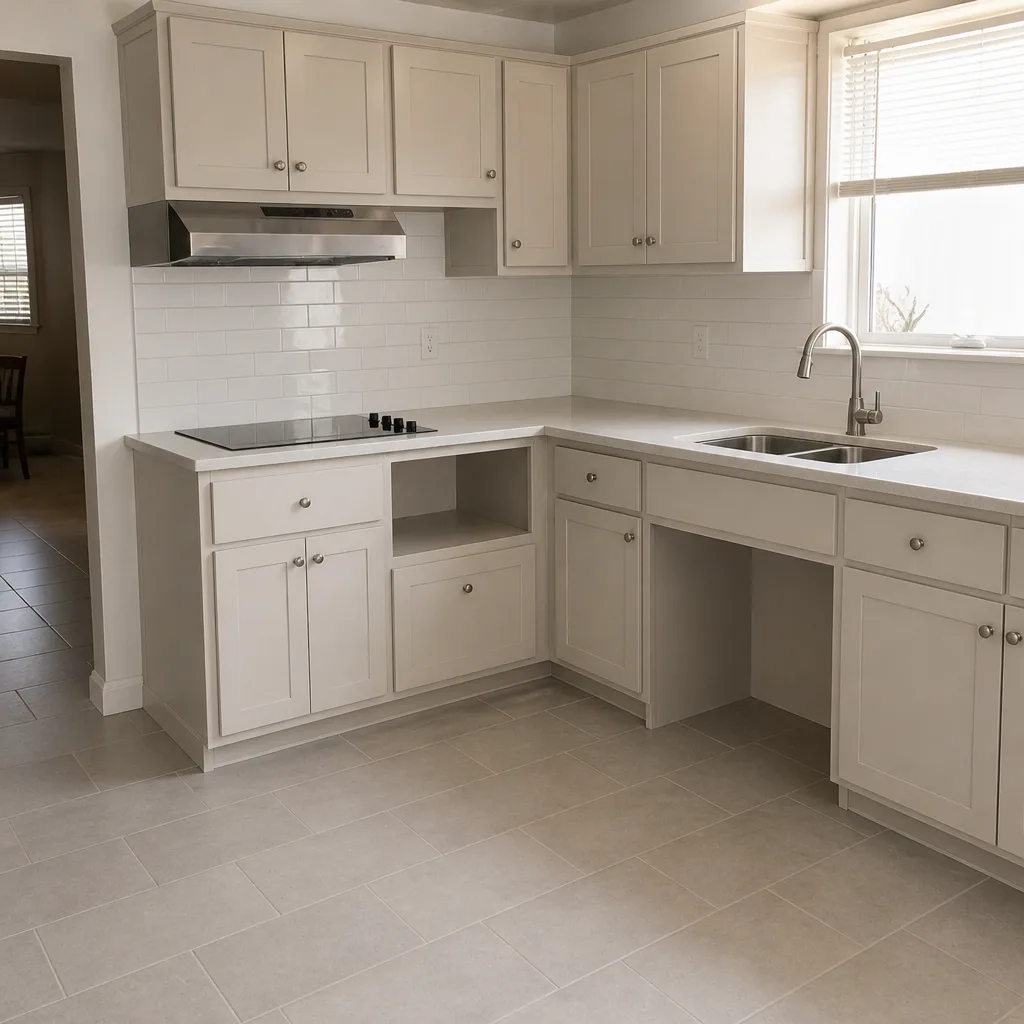 After
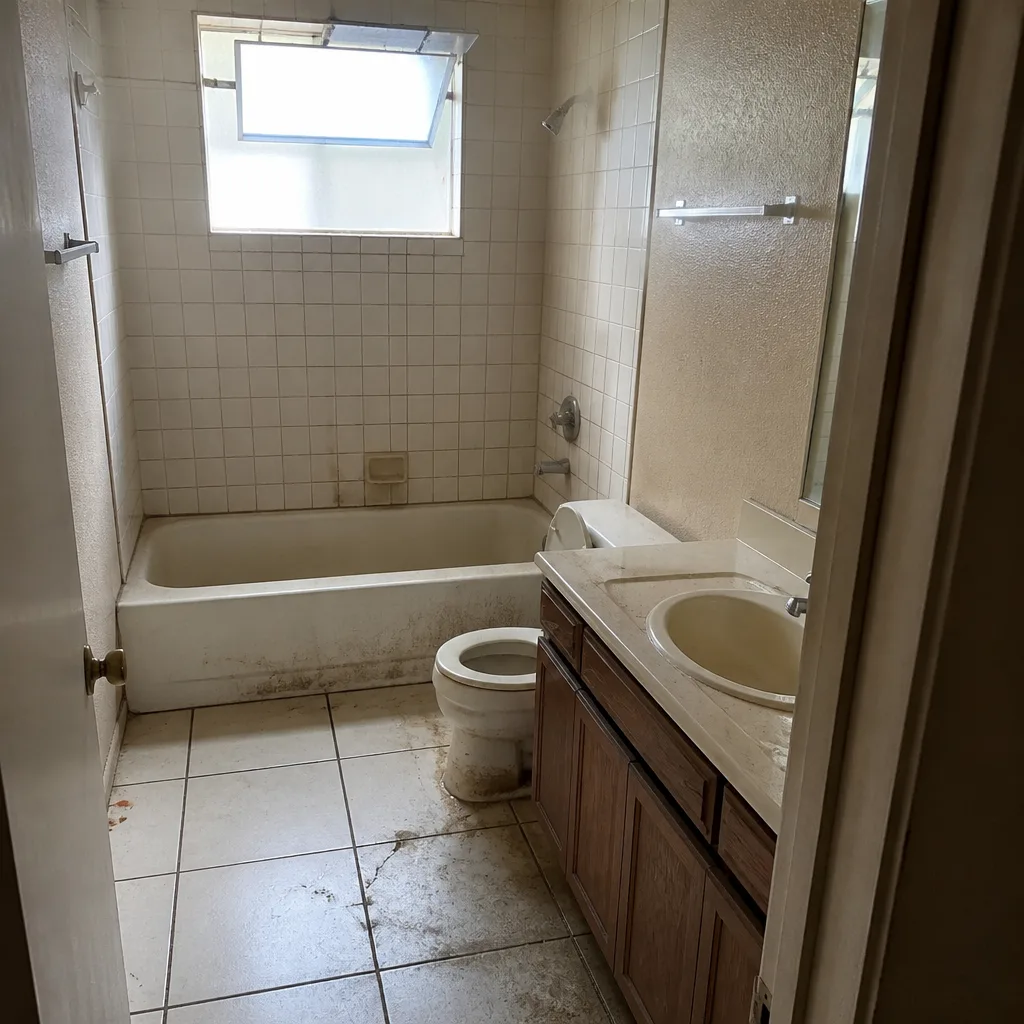 Before
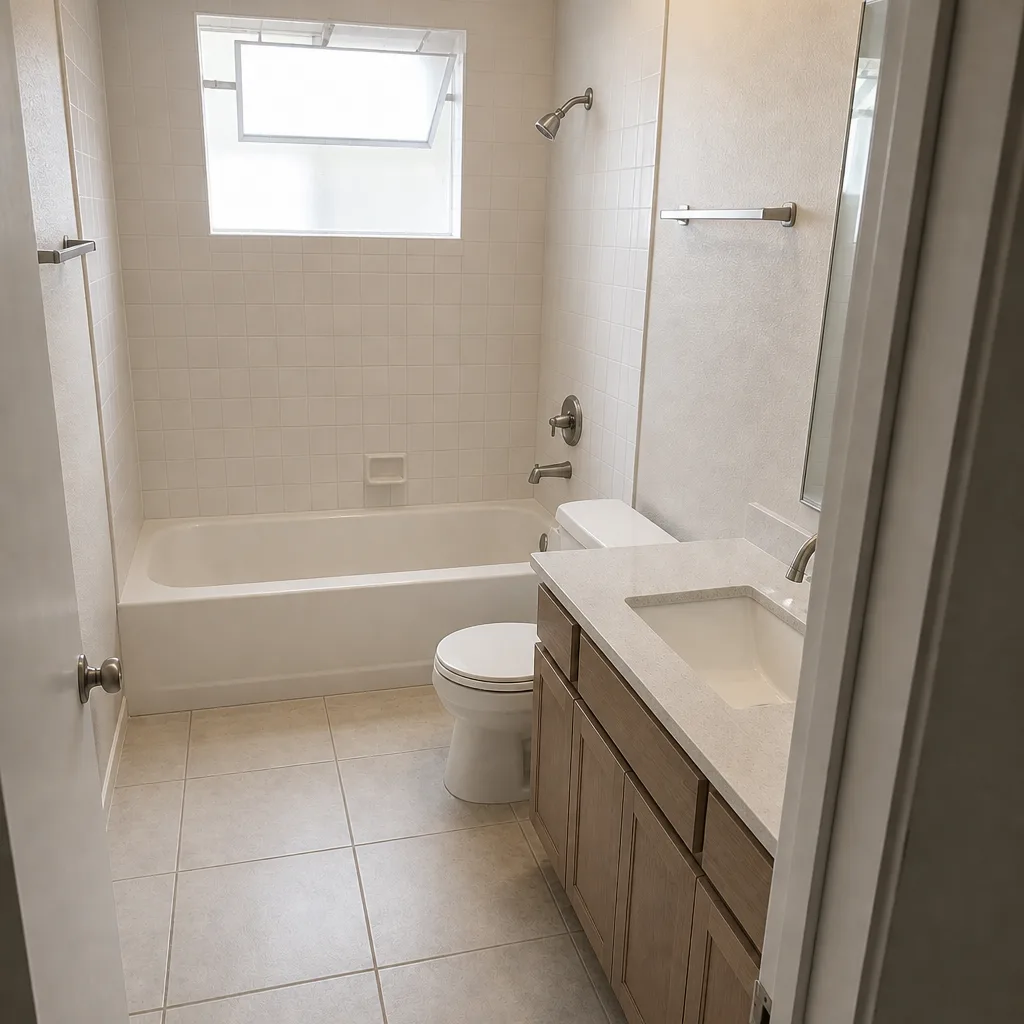 After
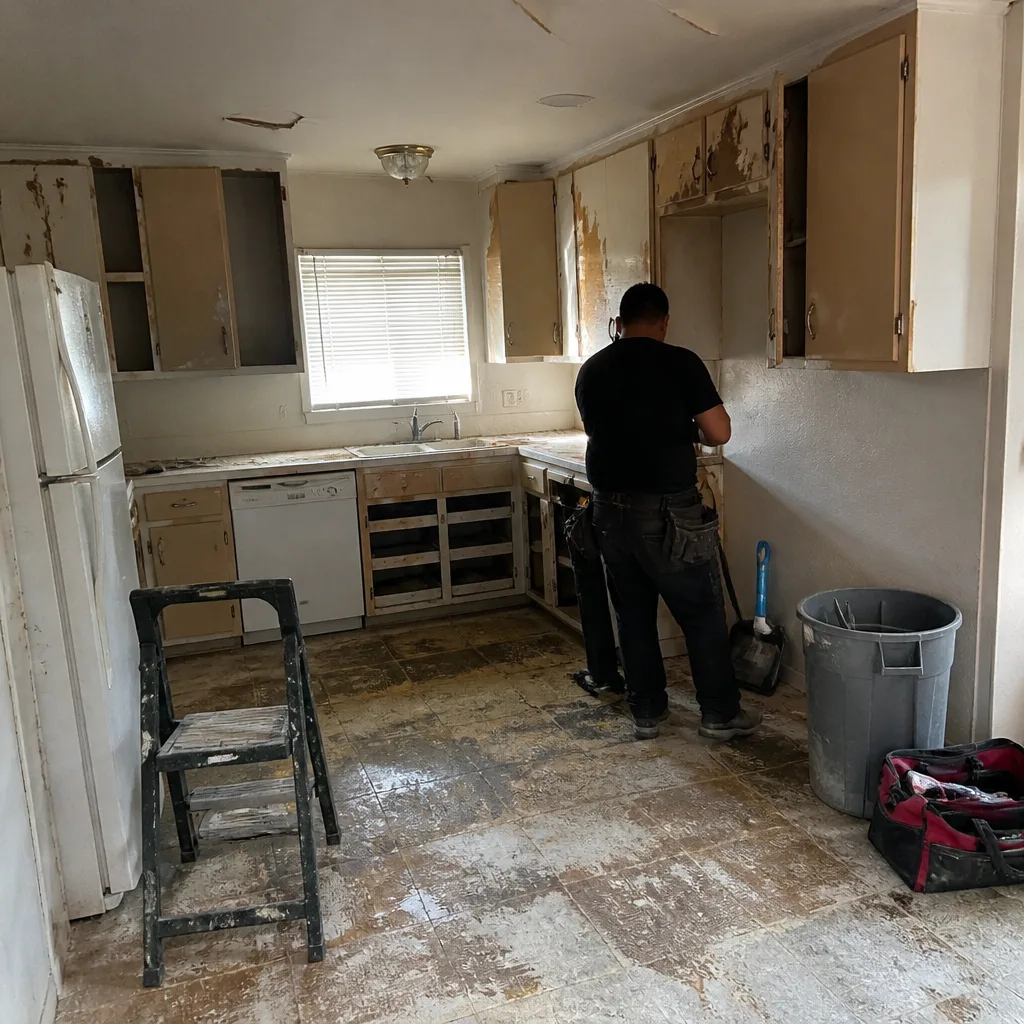 Before
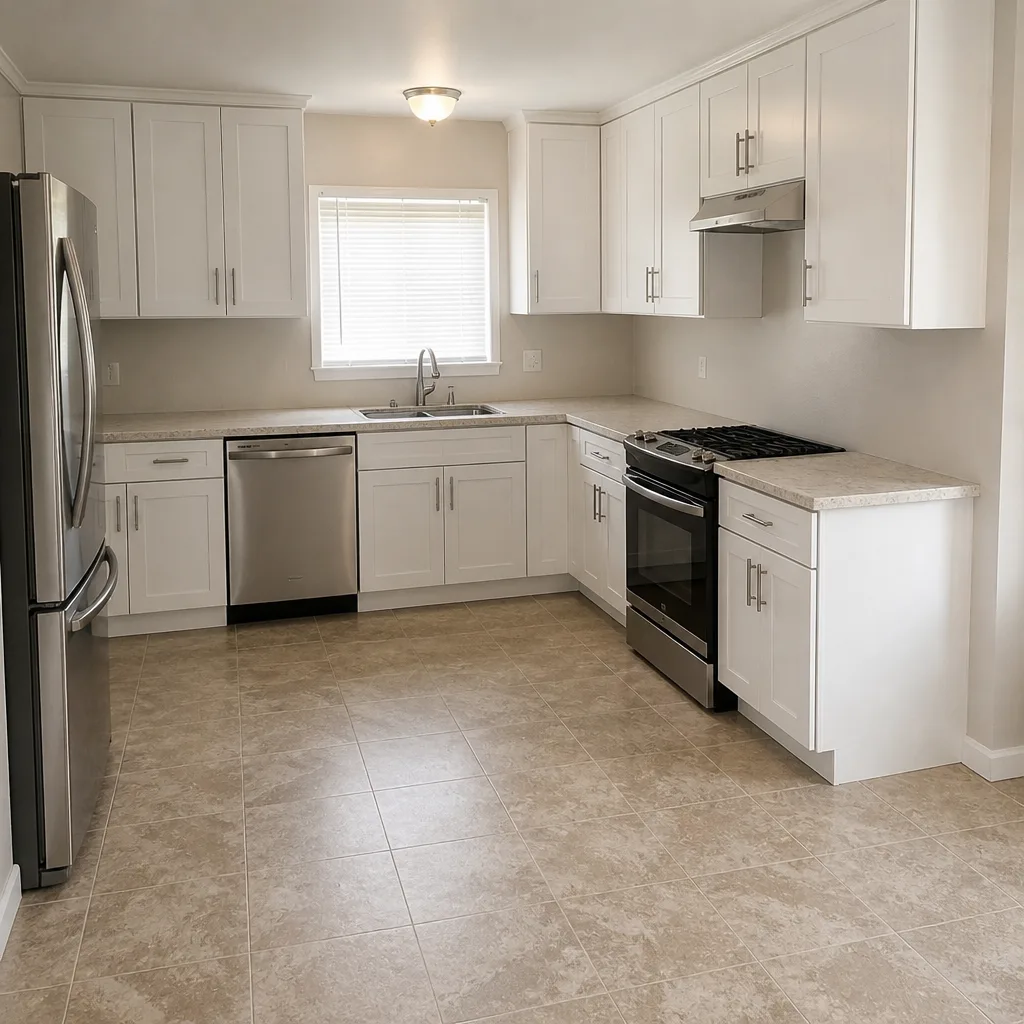 After