Last updated November 18, 2026




Free written scope consultation - allowances, timeline, and change-order rules on paper before a single trade is scheduled
The Complete General Contractor Guide for Las Vegas Homeowners
Nevada issues more new contractor licenses per capita than almost any other state. Which means the person bidding your kitchen remodel may have gotten their license six months ago and their truck last week. That’s not a knock on newcomers; it’s the reality of a boom-and-bust construction market where the labor pool churns with every cycle. In Las Vegas, hiring a general contractor correctly takes more than a generic checklist. It takes local knowledge: how Clark County permits actually move, which trades bottleneck in summer heat, and how to verify a license before you hand over a deposit. This guide gives you that framework.
Quick Answer
To hire a general contractor in Las Vegas, verify their Nevada State Contractors Board license at nvcontractorsboard.com, confirm the license class matches your project scope, and require a written line-item price before any work begins. Insist that the GC pulls their own permits rather than passing that to subcontractors, and verify who is arriving at your door by name and photo before the crew shows up. In a transient labor market, those three steps separate a professional from a risk.
Styles & brands we work with
- Kitchen remodeling
- Bathroom remodeling
- Home additions & ADU
- Roofing
- Windows & doors
- Driveway & pavers
- Fence
Table of Contents
- How Clark County Building Permit Timelines Differ From National Averages
- How to Verify a Nevada State Contractors Board License in Under Two Minutes
- What Your Contractor’s License Class Actually Covers
- Who Pulls the Permit: The GC or the Subs?
- Why Las Vegas Heat Creates Unique Subcontractor Dependencies
- Why Crew Verification by Name and Photo Matters Here
- What General Contractor Work Costs in Las Vegas
- Common Mistakes to Avoid
How Clark County Building Permit Timelines Differ From National Averages
If you’ve talked to friends remodeling in other states, you’ve heard about permits that take six to ten weeks. In Las Vegas, Clark County’s building department has streamlined residential permitting considerably, especially for interior work that doesn’t change the footprint or structural envelope. A standard bathroom remodel or kitchen reconfiguration can often move through over-the-counter review or an expedited online submittal in a fraction of that time. That speed is good news for your schedule, but it creates a specific trap.
Fast permits mean fast starts. And fast starts mean the pressure is on you to have selected and vetted your contractor before the permit is pulled, not after. In our experience, homeowners who shop contractors during the permit window often end up choosing from whoever is available right now rather than whoever is right for the job.
Here’s how a well-run Las Vegas project sequences permits:
- Contractor selection and scope agreement – before any permit is filed.
- Written line-item price delivered – before a deposit changes hands.
- Permit application with plans attached – the GC files, not the sub.
- Plan review and approval – interior work typically categorizes differently than structural or addition work.
- Construction with scheduled inspections – rough-in, framing, final.
- Final inspection and certificate of occupancy or completion – the permit closes.
Structural additions and new square footage still take longer, and a contractor who tells you otherwise is telling you what you want to hear. Ask for the permit timeline in writing as part of the scope. A GC in Las Vegas who has pulled permits recently in your specific area can give you a realistic number, not a guess based on national forums. For a broader look at how general contracting works citywide, see our page on General Contractor in Las Vegas.
How to Verify a Nevada State Contractors Board License in Under Two Minutes
Nevada requires all contractors to be licensed through the Nevada State Contractors Board. The license lookup is public, free, and fast. Here’s the exact process:
- Go to the Nevada State Contractors Board website (nvcontractorsboard.com) and open the “License Lookup” tool.
- Search by the company’s legal business name or license number. Never search by the name of the person bidding; licenses are issued to entities, not necessarily to individuals on the spot.
- Confirm the license status reads “Active.” A “Suspended” or “Expired” status means walk away.
- Check the license classification. This is the one most homeowners skip. A Class B license covers general building and residential work at certain scopes; other classes cover specific trades. If the class doesn’t match what you’re hiring for, you’re exposed.
- Check for disciplinary actions or complaints listed on the record. A pattern of complaints in the last few years is a warning worth taking seriously.
That’s it. Two minutes, and you’ve eliminated the most common source of contractor fraud. In a market flooded with crews drawn here by the construction boom, a license number on a business card proves nothing until you look it up yourself. The person bidding your kitchen remodel may have a license number with no consumer protection behind it if the class doesn’t match the work.
Ask your contractor for the license number in the first conversation, before any pricing discussion. A contractor who hesitates or deflects is telling you something.
What Your Contractor’s License Class Actually Covers
Here’s the piece most hiring guides skip. A Nevada contractor license isn’t one-size. The classification on the license tells you exactly what work the contractor is legally permitted to perform. If the scope of your project falls outside their class, they’re operating outside their license, and you have no recourse through the state board if something goes wrong.
Common classifications you’ll encounter on residential jobs:
- Class B (General Building): Permits the construction, alteration, or repair of buildings when the contractor takes responsibility for the entire structure, including subcontractors across multiple trades.
- Class A (General Engineering): Larger-scale structures and site work, not typical for residential remodels.
- Class C subcategories: Individual trade classifications like carpentry, plumbing, concrete, roofing, and similar. A sole tradesman working alone is often a Class C holder.
If you’re hiring a firm to run a whole-home remodel or a project that involves multiple trades and a single responsible party, you want a contractor licensed and classified to pull the permits and coordinate the work. Ask specifically: “What license class are you?” and then look it up. If the answer doesn’t match your scope, find another bidder.
In Las Vegas, a lot of the bids you’ll receive come from Class C sole operators who work under a B-licensed firm. That arrangement is legal, but it means you’re contracting with the B-licensed firm for accountability. Confirm which entity is signing the contract. For bathroom and kitchen work specifically, see our pages on Bathroom Remodeling in Las Vegas and Kitchen Remodeling in Las Vegas.
Who Pulls the Permit: The GC or the Subs?
This is the most important legal distinction in the whole hiring process, and most homeowners don’t ask. If your general contractor pulls the permit under their license, they are the responsible party for the entire project in the eyes of the jurisdiction. They own the inspections, the code compliance, and the consequences if a sub does something wrong. If they pass the permit responsibility to a subcontractor, the accountability diffuses. You lose leverage.
Why a contractor might route the permit to a sub:
- They don’t hold the license class required for the scope.
- They want the sub to carry the liability if something fails inspection.
- They’re operating as a lead generator rather than a contractor.
- They’re trying to avoid the permit fee visibility that comes with a written price.
None of these are good reasons for you. In Las Vegas, permit history is public. You can check who pulled the permit on any address. The name on that permit should be the name on your contract. If it isn’t, ask why before you sign. Most reputable GCs in Las Vegas will pull the permit themselves and can hand you the permit number before the first inspection. That’s the standard: transparent, traceable, and a clear line from the signed contract to the authorized work.
Why Las Vegas Heat Creates Unique Subcontractor Dependencies
Las Vegas summers break records in a way that disrupts construction scheduling. When temperatures climb past 110 degrees for consecutive days, exterior trades slow or stop. Stucco can’t be applied correctly under extreme heat without adjustments that cost time. Roofing crews work early morning shifts only. Concrete pours are scheduled for pre-dawn hours and cure slower in dry air. HVAC crews, meanwhile, get pulled into emergency cooling service calls, which means a subcontractor who was supposed to install your new ductwork might get bumped for a week.
These aren’t hypothetical. In our experience, the biggest schedule slips on Las Vegas jobs happen when the GC didn’t plan around summer trade availability. Here’s what a GC who understands the climate does:
- Sequences exterior work for spring or fall to avoid extreme-heat delays.
- Confirms HVAC and stucco crew availability in writing before the schedule is set.
- Schedules roofing for morning shifts during summer months.
- Builds a weather contingency into the schedule (not just a change-order excuse).
- Source-materials locally so delivery delays don’t compound: manufacturers like Tamko and Boral have distribution here that reduces lead time, but only if your GC orders ahead.
Ask any bidder you’re considering: “How do you schedule around Las Vegas summer heat?” If the answer is vague or “we handle it,” that’s a red flag. The right answer is specific: which months for which trades, which crews are confirmed, and what the contingency looks like.
Why Crew Verification by Name and Photo Matters Here
Las Vegas draws construction labor the way a magnet draws steel. When the market is hot, crews arrive from out of state. When it cools, they leave. That churn means the person knocking on your door may have been hired two days ago by a subcontractor you’ve never met, and their employment history may be a blank. For a homeowner opening the door to a stranger, that’s not a small concern; it’s the central one.
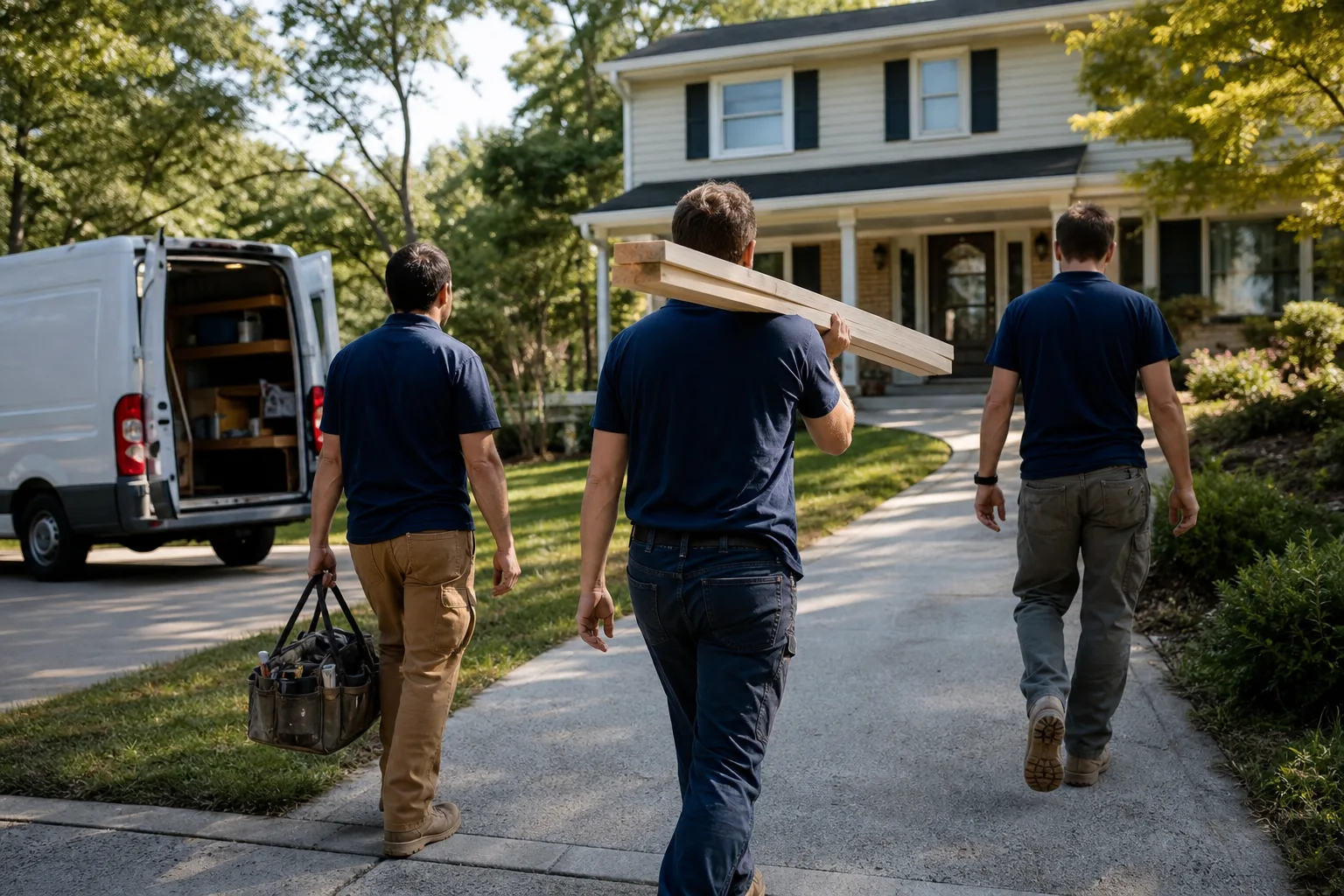
That’s why Mason Remodeling implements The Threshold Standard: every technician is background-checked, identity-verified, and introduced to the homeowner by name and photo before the visit. On arrival, they present a photo ID badge. It isn’t a formality. In a market where crew turnover is high and paperwork is thin, verifying exactly who is entering your home is the foundation of every other guarantee. Uniforms and badges aren’t theater; they’re the visible proof that the company controls who represents it.
When evaluating any Las Vegas contractor, ask:
- Will I receive the names of the crew members before they arrive?
- Is each technician background-checked and verified?
- Will they wear a uniform and carry a photo ID badge?
- Is there a single point of contact if the crew changes?
A contractor who can’t answer these without hesitation isn’t staffed in a way that protects you. The best remodelers put who is coming first, before price, before schedule. To see how this plays out on a full home remodel, see the Mason Remodeling Co Las Vegas home page.
What General Contractor Work Costs in Las Vegas
Price ranges below are what Las Vegas homeowners typically see for common projects, based on the local market. Every job differs by scope, materials, and site conditions; treat these as lines to self-qualify against before you call.
- Bathroom remodel, mid-grade: $8,000 – $18,000
- Kitchen remodel, mid-grade: $22,000 – $65,000
- Whole-home remodel: $80 – $200 per square foot (a $60,000 – $200,000 range for the typical Las Vegas home)
- Room addition: $200 – $400 per square foot
- Structural repair or framing: $3,000 – $15,000, depending on scope
- Permit fees: typically $300 – $2,000 depending on valuation and scope
Those numbers are ranges, not quotes. The differences come down to material grade, project complexity, and what’s behind the wall. A written line-item price is the only way to know what you’ll actually pay. Verbal estimates are the source of the “final bill grew 30% overnight” stories you’ll hear from neighbors. Insist on written before work. On every project.
Finishes are the swing factor. Brand selection matters, and specification-grade cabinetry, surfaces, and fixtures can run 20-40% apart between tiers. Ask your GC which brands they source: manufacturers like Tamko for roofing, Boral for trim and fascia, PGT for impact windows, and CGI for interior doors are common in this market. Specify between them in the line-item price, not after the order goes in.
Common Mistakes to Avoid
- Hiring on price alone. The lowest of three bids in Las Vegas is often load-bearing in change orders. The written price from a reputable GC may be higher than the verbal estimate from a competitor; that’s the difference you’re paying for.
- Not verifying the license class. A license number proves the entity exists. Verifying the class proves it’s licensed for your scope. Skip that step and you have no consumer protection through the Nevada State Contractors Board.
- Letting the sub pull the permit. If the contract doesn’t name the GC as the permit holder, you’ve diluted accountability. Always confirm the permit pulls under the GC’s license.
- Signing before a written price. Verbal estimates are not a price. They’re a starting point that drifts. Do not sign a contract until the line-item price is in writing and includes labor, materials, permit fees, and a stated scope.
- Ignoring the summer schedule. A GC who promises a stucco or roofing project in July without a heat plan will slip. Ask how the schedule accounts for extreme heat before you sign.
- Assuming the crew on the bid is the crew on site. In a transient labor market, they may not be. Ask who is coming, and confirm name and photo before arrival. The crew on site should be the crew you vetted.
- Skipping the written guarantee question. Ask exactly what the guarantee covers, what it excludes, and for how long. “Backed by our guarantee” means nothing without specifics. The number of days should be on the contract.
See the difference
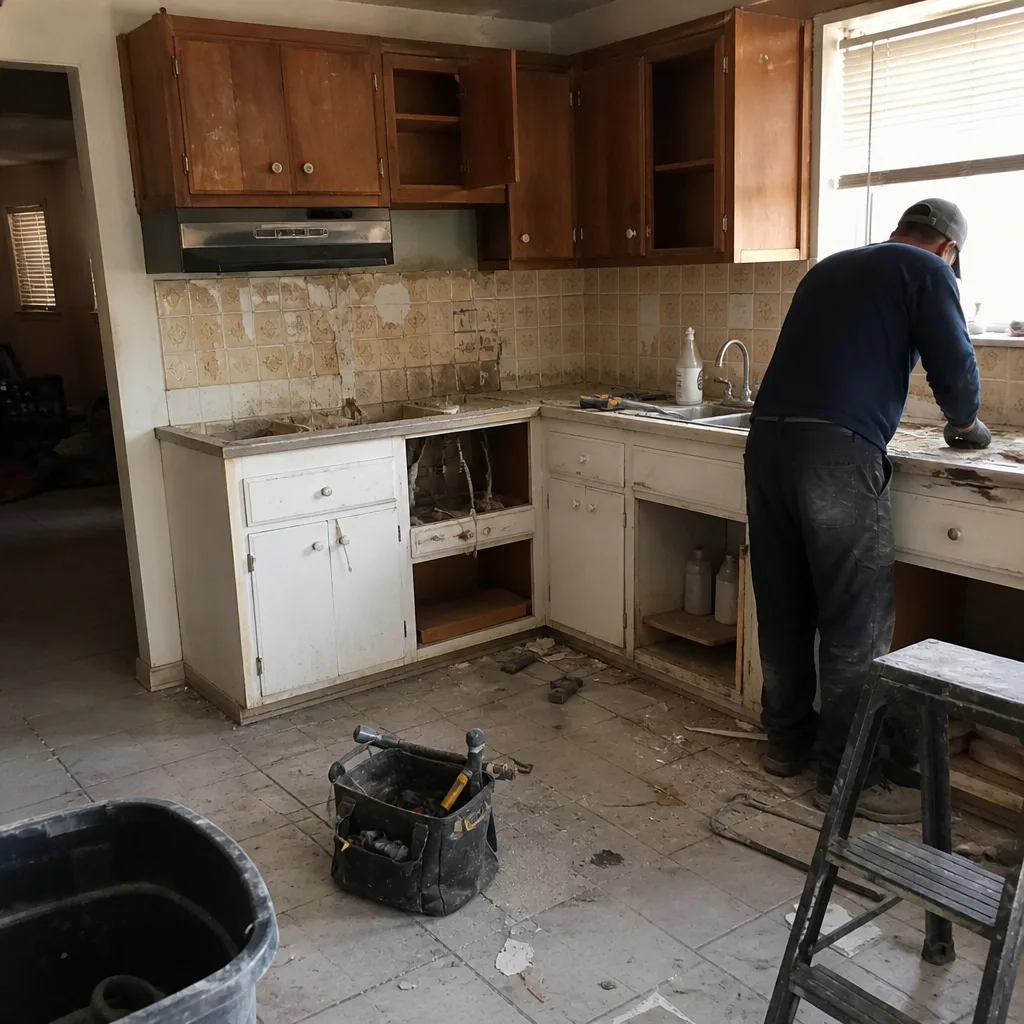 Before
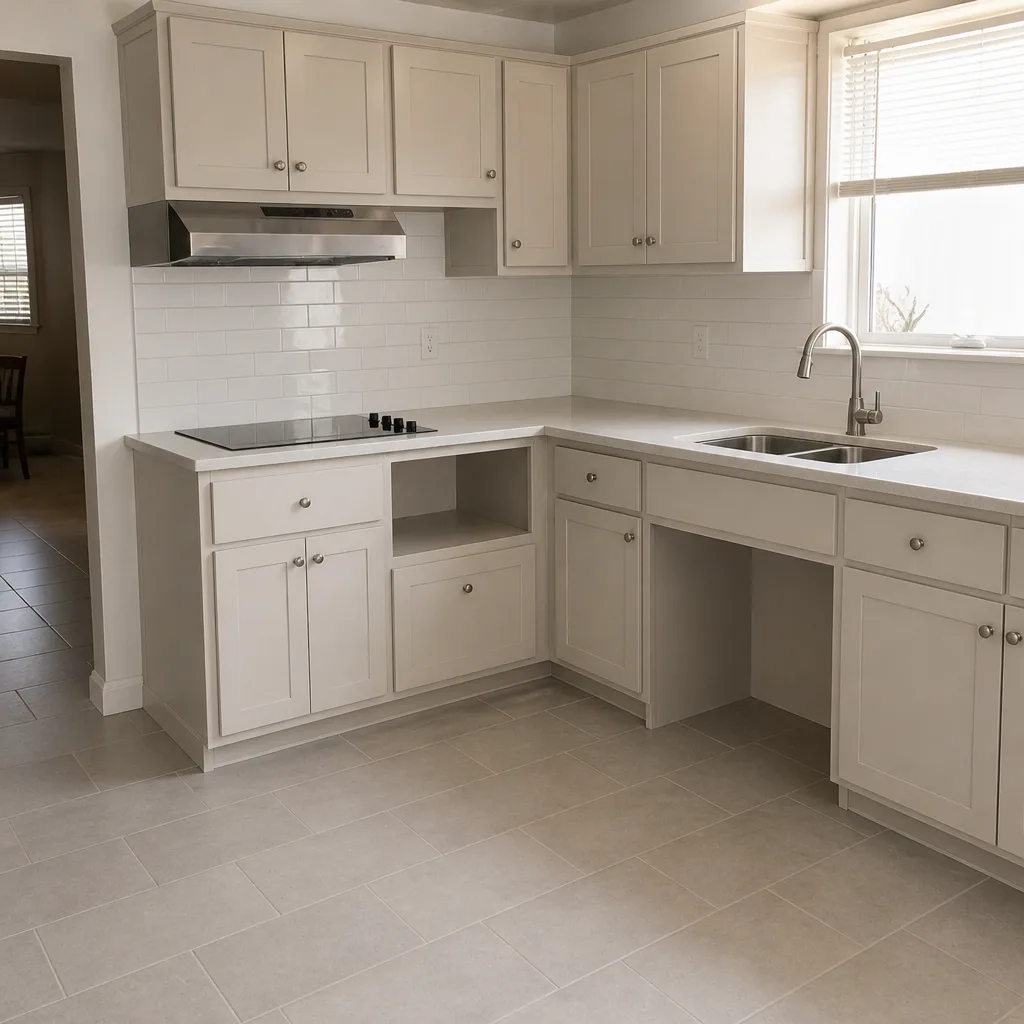 After
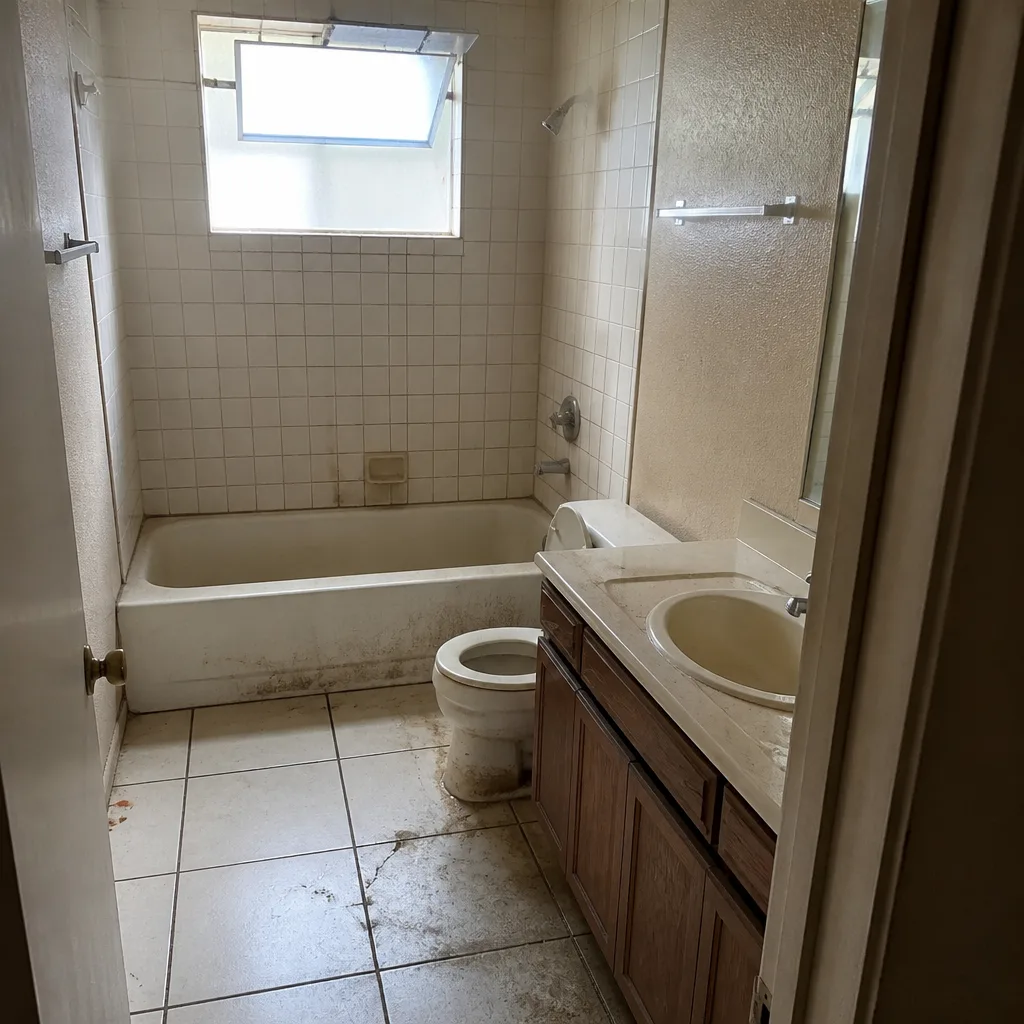 Before
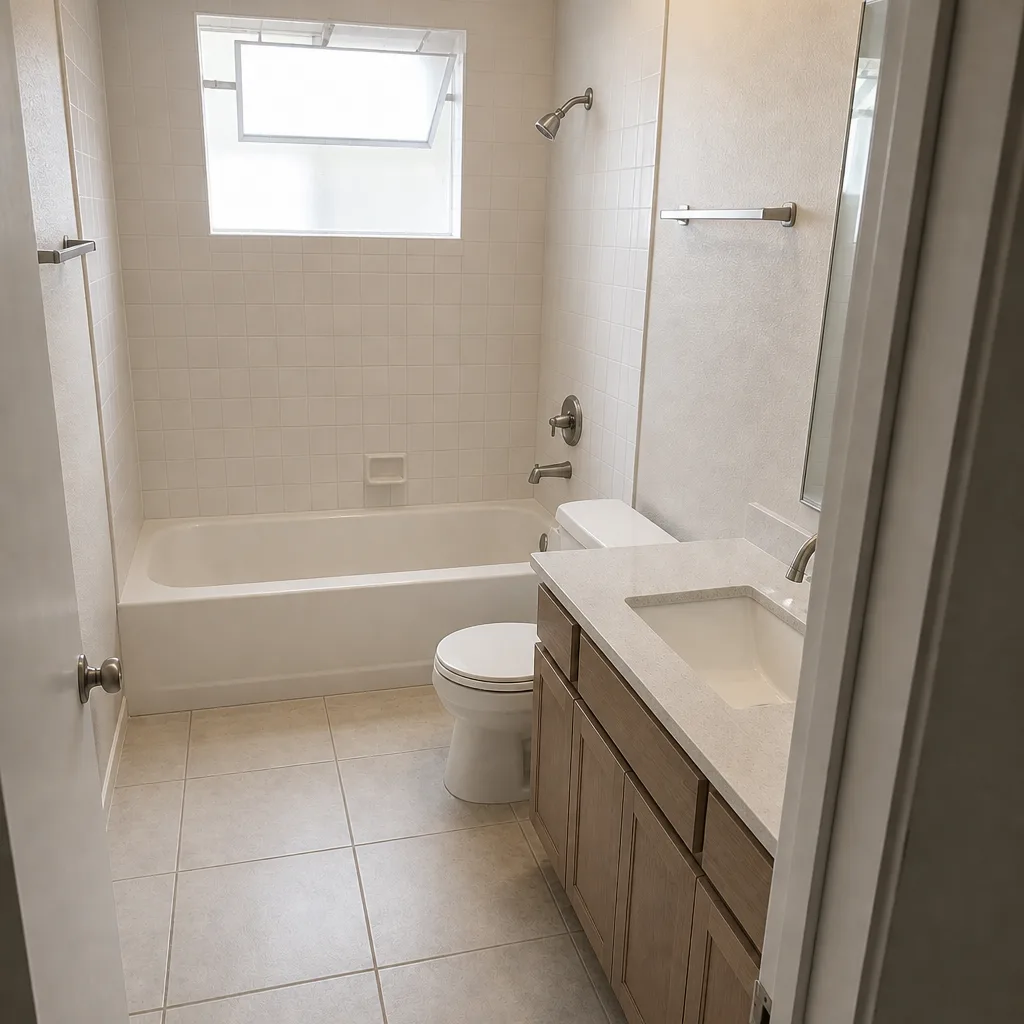 After
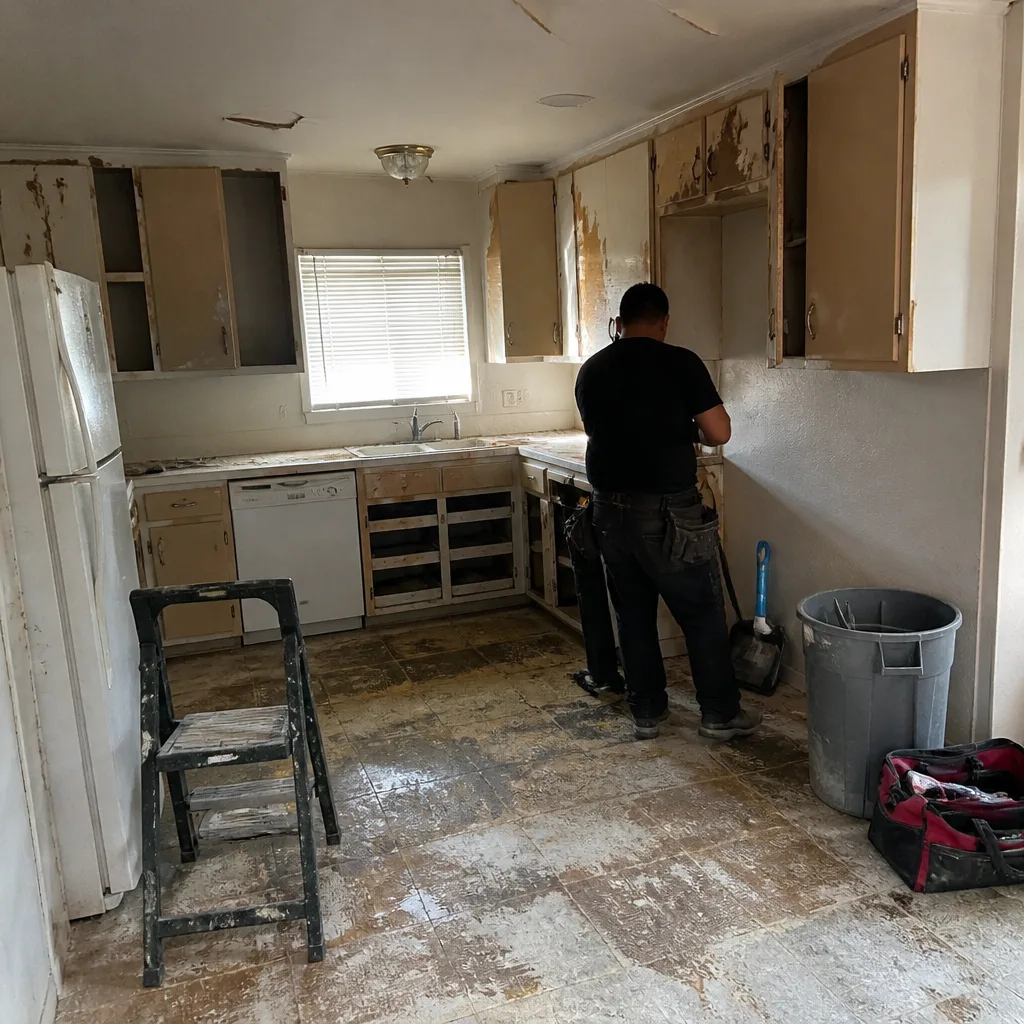 Before
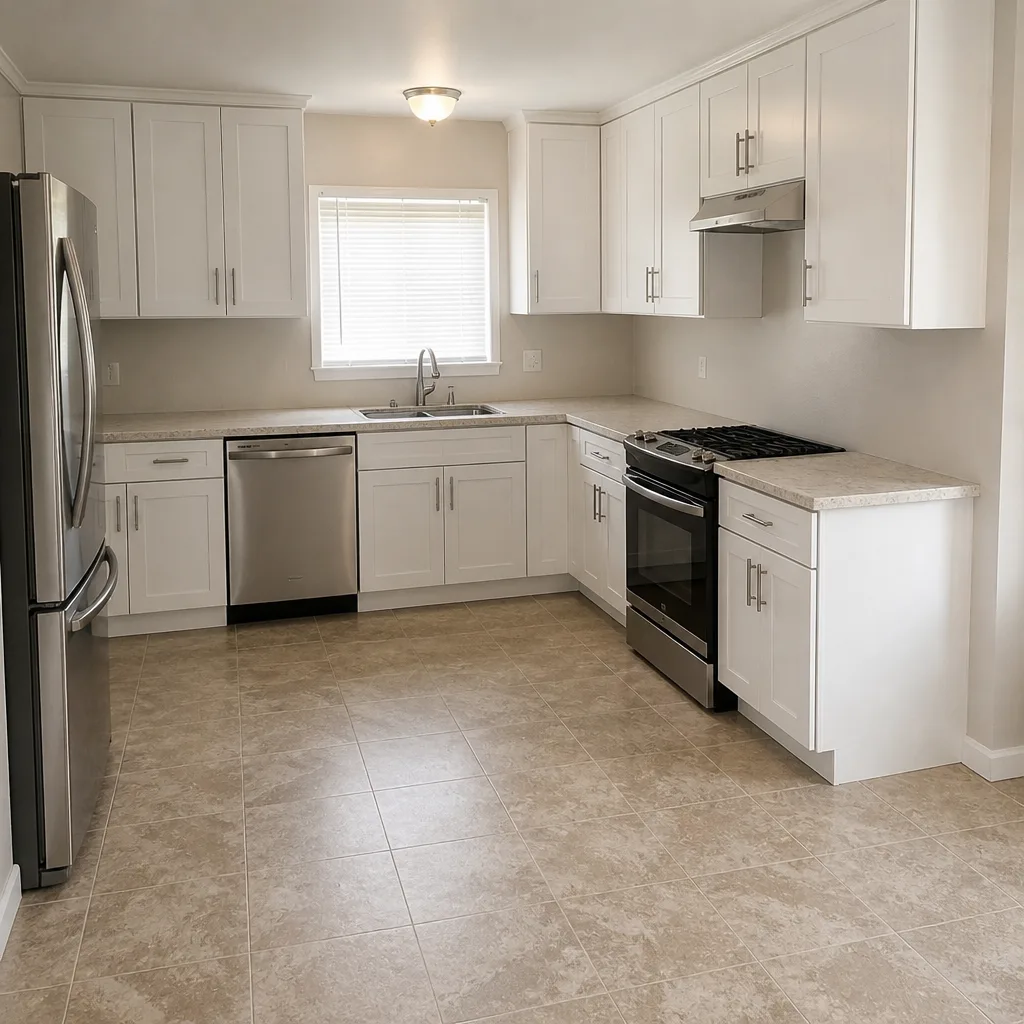 After
When to Call a Professional
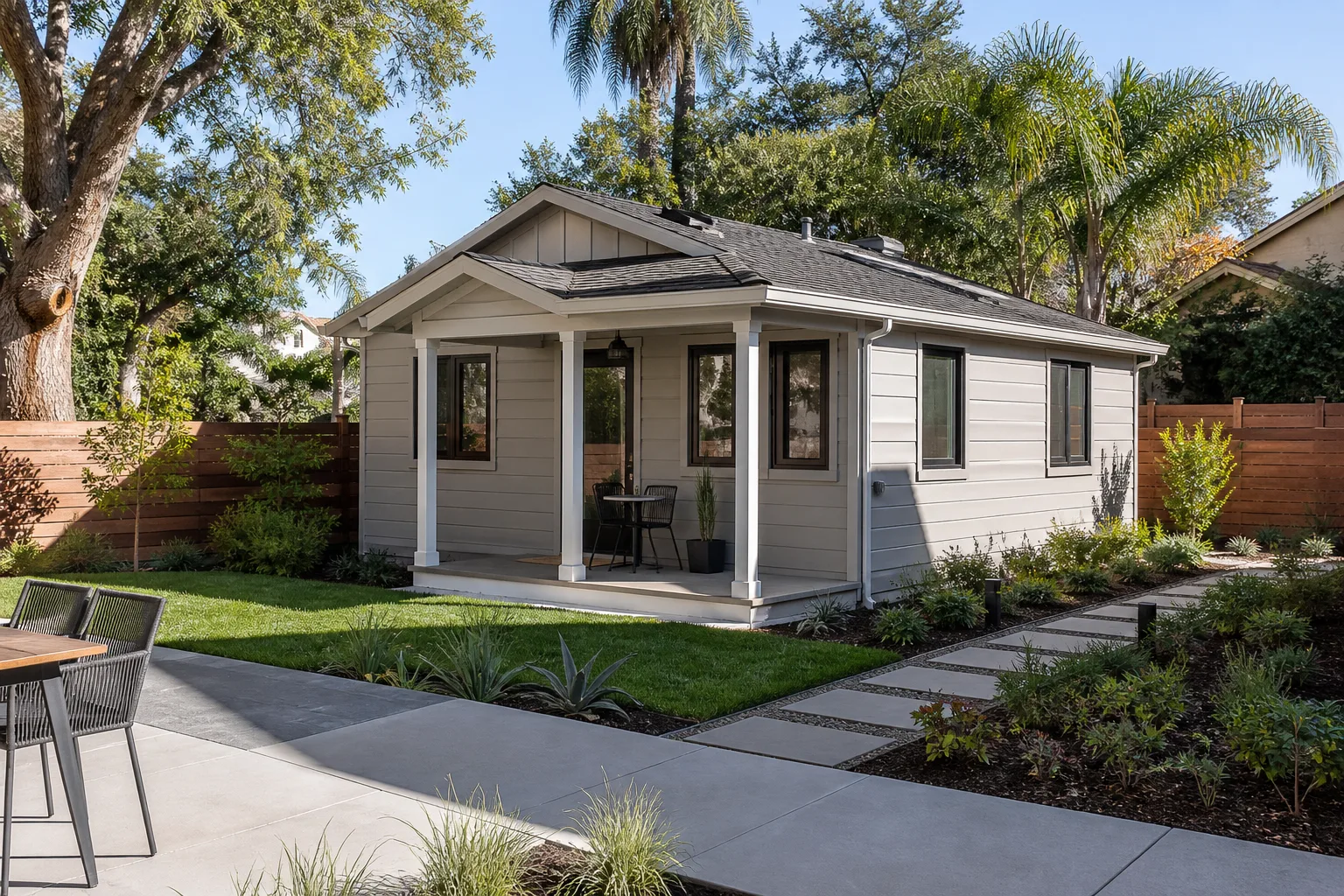
Some projects shouldn’t be handled by a homeowner with a weekend and a YouTube tutorial. Call a licensed general contractor in Las Vegas when your project involves structural changes (removing a load-bearing wall, modifying framing), electrical panel work, moving plumbing, adding square footage, or any work requiring a permit. Call also when the scope crosses multiple trades. A bathroom remodel that moves a shower valve, reconfigures a vanity, and re-tiles the floor touches plumbing, electrical, tile, and carpentry. Coordinating those yourself, with three separate trades and no single point of accountability, is where most homeowner-led projects go sideways.
And call when a previous contractor’s work failed. A contractor who has to fix another contractor’s mistake needs to know what they’re walking into and price it correctly. Mason Remodeling Co Las Vegas offers free estimates in Las Vegas, gives a written price before any work begins, and provides a live person on the phone every day. Call (844) 797-1112.
Frequently Asked Questions
General contractor pricing in Las Vegas divides into two models: percentage of project cost (typically 10-20% overhead and profit built into the line-item price) or fixed-fee project pricing. Most homeowners see the number as a line-item total rather than a separate fee. For a mid-grade kitchen remodel, expect the total project cost to fall in the $22,000-$65,000 range; a bathroom remodel in the $8,000-$18,000 range. Call (844) 797-1112 for an exact quote; estimates are free.
Yes if the project requires a permit, involves structural work, electrical, plumbing, or gas work. Nevada requires licensed contractors for that scope. For cosmetic work under the local threshold (paint, flooring, tile replacement without moving fixtures), a licensed contractor isn’t always required, but verifying credentials is still worth the two minutes. The Nevada State Contractors Board lookup is free and public.
A typical kitchen remodel in Las Vegas takes 6-10 weeks for mid-grade scope, with custom cabinetry pushing toward 12-14 weeks. Clark County’s permit timeline is generally faster than the national average for interior work, which helps. The bigger variable is material lead time and summer trade availability. Call (844) 797-1112 for a project-specific timeline.
Not with a written line-item price and a stated scope. Change orders happen legitimately when the scope changes (hidden damage, upgraded finishes, added work). Unwarranted price growth in a kitchen or bath remodel is a red flag. That’s why written pricing before any work starts is the standard. A contractor who gives verbal estimates and adjusts on the final invoice hasn’t stabilized your price.
The general contractor should pull the permit under their own license. That makes them the responsible party for inspections and code compliance. If a contractor tells you the sub will pull it, ask why. In most cases it means the license class or the contractual accountability doesn’t fit the scope. The permit name should match the contract name.
Verify the Nevada State Contractors Board license and class, confirm the permit will pull under the GC’s license, require a written line-item price, ask for the crew verification process (names, photos, background checks), and get a written guarantee with terms in days. Every crew member who arrives should be introduced by name and photo before the visit. Call (844) 797-1112 to schedule a free estimate and go through those questions with a live person.
The Bottom Line

Hiring a general contractor in Las Vegas comes down to verification. Verify the license and its class. Verify who pulls the permit. Verify the crew arriving at your door. Verify the price is written before any work starts. Verify the guarantee states what’s covered and for how long. Those five steps, all of them doable in an afternoon, separate a safe project from a costly one. In a city where construction licenses multiply faster than crews can be vetted, the homeowner who verifies wins. That’s the framework. Use it on your next project, and demand it from every bidder.
Mason Remodeling Co Las Vegas provides general contracting, bathroom remodeling, and whole-home remodeling and puts a written price in front of you before any work begins. Every project is covered by the 365-Day Done Right Promise: if the work isn’t right within a year of completion, we make it right at no cost to you. Our technicians have up to 22 years of experience, verify every crew member by name and photo before arrival, and a live person answers the phone every day. Call (844) 797-1112 for a free estimate, and we’ll walk through your project, the permit timeline, and a line-item written price.
Written by the team at Mason Remodeling Co Las Vegas.