
Last updated November 18, 2026






Free written scope consultation - allowances, timeline, and change-order rules on paper before a single trade is scheduled
Kitchen Remodeling Troubleshooting: Common Problems and How to Fix Them
Behind roughly one in three Las Vegas kitchen walls that get opened during a remodel, there’s either outdated wiring, improperly vented plumbing, or water damage from a slow leak the homeowner never knew existed. None of that shows up in a pre-construction estimate. The discovery itself isn’t what breaks a budget – the contractor’s response to it is. This guide walks you through the five most common mid-project surprises we see in Las Vegas kitchens, what each one actually costs to fix, and how to read a change order so you don’t overpay when the drywall comes down and the news isn’t good.
Quick Answer
Most mid-project kitchen problems fall into five categories: hidden wiring issues, improperly sloped or vented plumbing, structural surprises like missing fire blocking, cabinet installation problems revealed after countertop templating, and appliance delivery delays. The fix in every case starts the same way – get the discovery documented in writing with photos, ask for a line-item change order with material quantities listed, and confirm whether the cost is a repair of existing conditions or an upgrade you’re choosing. A contractor who can’t produce that documentation on request is the real problem.
Styles & brands we work with
- Kitchen remodeling
- Bathroom remodeling
- Home additions & ADU
- Roofing
- Windows & doors
- Driveway & pavers
- Fence
Table of Contents
- Hidden Conditions Behind Las Vegas Kitchen Walls
- How to Read a Change Order When Surprises Come Up
- Cabinet Installation Problems You Only See After Templating
- When Appliance Delivery Delays Push Your Timeline
- How to Document Mid-Project Issues to Protect Yourself
- Common Mistakes to Avoid
- When to Call a Professional
- Frequently Asked Questions
Hidden Conditions Behind Las Vegas Kitchen Walls
Older Las Vegas neighborhoods have predictable hidden conditions, and knowing what’s likely behind your wall before demo starts keeps the surprise from becoming a crisis. Here’s what we find most often and roughly what it costs to remediate in the current Las Vegas market.
Aluminum branch wiring. Homes built in parts of Summerlin and Henderson during the late 1960s through the mid-1970s often have aluminum branch circuits feeding kitchen outlets. Aluminum expands and contracts differently than copper, and connections loosen over decades. A kitchen circuit that was fine with a toaster becomes a genuine hazard with a microwave, air fryer, and coffee maker on the same run. Remediation runs $1,800 to $4,500 depending on circuit count, and it requires a licensed electrician – this is not work a general remodeler should touch, and we bring in a licensed electrical trade for it every time.
Improperly sloped drain lines. Kitchen sink drains need a fall of about a quarter inch per foot. We regularly find lines that were run nearly flat, or worse, back-pitched, which means the sink drains slowly and clogs return every few months. Fixing a short run with a partial re-pipe typically costs $600 to $1,400; a longer run that requires opening a wall or floor pushes higher.
Missing fire blocking. Fire blocking is the wood or mineral wool installed inside wall cavities to stop a fire from traveling up through the stud bay. Older homes sometimes have none. It’s inexpensive to add while the wall is open – a few hundred dollars across a typical kitchen – and expensive to retrofit later. This is also a common inspection failure point in Clark County, so it gets addressed before the drywall goes back up.
Slow water damage. A supply line that’s been weeping behind a cabinet for years leaves soft framing and sometimes mold. We see this most in homes with original 1990s supply lines under the sink. Remediation starts around $500 for minor framing repair and climbs with the extent of the damage.
These numbers are the reason an honest pre-construction estimate includes a contingency line. A remodeler who quotes a hard number with no allowance for hidden conditions is either guessing or planning to surprise you later. For a fuller picture of how a properly scoped project is priced from the start, see our Kitchen Remodeling in Las Vegas page.
How to Read a Change Order When Surprises Come Up
A change order is a written amendment to your contract that adds or removes work and states the cost difference. It’s a normal, healthy part of remodeling – the problem is when it’s vague. When a contractor hands you one mid-project, here’s exactly what to ask before you sign.
- What’s the material quantity and unit price? “Electrical remediation – $4,200” tells you nothing. “Replace 6 aluminum branch circuits, 40 linear feet of 12-gauge copper, 6 outlets, licensed electrician labor – $4,200” tells you whether it’s fair. Ask for it broken out.
- Is this a repair or an upgrade? Fixing a code violation is a repair – a cost you have to absorb. Upgrading to a larger window, a Kohler farmhouse sink you didn’t originally spec, or a Caesarstone island top is a choice. You can decline upgrades. You can’t decline safety repairs, but you should still understand which is which.
- Is the markup reasonable? Contractors mark up subcontractor work to cover their coordination, supervision, and warranty exposure. Industry-standard markup on subcontracted electrical or plumbing work runs about 15 to 25 percent. Anything above 30 percent deserves a direct question: what does that markup cover?
- Are photos attached? You’re entitled to see the condition that prompted the change. If there’s no photo showing the corroded wire or the flat drain line, ask for one before signing.
- Does this change the completion date? Get the revised schedule in writing on the same document.
At Mason Remodeling, every project carries a written price before work starts – and when a hidden condition turns up, the change order is line-itemed the same way, with photos and material quantities attached. No verbal estimates that grow on the final bill. That’s not a favor; it’s the standard.
Cabinet Installation Problems You Only See After Templating
Cabinet installers can build a run of cabinets that looks perfect against the wall. Then the countertop fabricator arrives to template, and the truth comes out: the wall was out of level by 3/4 inch, the corner wasn’t square, or one section sits proud of another. Templating exposes every gap, every twist, and every place where the carcass doesn’t sit plumb.
Here’s what we run into in Las Vegas homes and who’s responsible for the fix:
- Out-of-level walls. Slab-on-grade construction in Las Vegas is generally solid, but 20-year-old framing settles and drywall goes out of level. Responsible party: the cabinet installer, who should have checked with a level and shimmed before setting the boxes – not the countertop fabricator. A fabricator who tries to grind a Cambria top to follow a wavy wall is creating a crack waiting to happen.
- Out-of-square corners. A 90-degree corner that’s actually 88 degrees leaves a tapered countertop gap. The installers should scribe and shim, not force the boxes tight. Whoever installed the cabinets owns this.
- Third-party cabinets from an outside dealer. If you bought cabinets directly and had them delivered, the installer’s contract may exclude responsibility for the boxes themselves – only for the installation. Read the scope before you sign, especially about who resets cabinets if templating reveals a problem.
- Fabricator templating on site. Some shops use laser templates that assume a perfect plane. If your walls were skim-coated and not checked for flat, ask the fabricator to verify with a level before cutting stone.
The fix in almost every case is the same: reset or shim the cabinets before the stone is cut, not after. A two-hour reset is far cheaper than a countertop replacement. This is one of the reasons we specify vetted cabinetry from KraftMaid or Wellborn on Las Vegas kitchen projects – the boxes have consistent dimensional tolerances, which removes one variable from the templating equation. For the broader picture of how a well-sequenced kitchen goes together, our General Contractor in Las Vegas page covers the full build sequence.
When Appliance Delivery Delays Push Your Timeline
You’ve been eating off a card table for five weeks, the cabinets are in, and the range that was supposed to arrive Tuesday is now “third week of next month.” This is one of the most common and most frustrating mid-project problems, and here’s how to handle it without living on takeout for another month.
First, protect the schedule with a written delivery date. When you order appliances, the sales confirmation should state a delivery window in writing. If it doesn’t, get it in an email. That document is leverage if the date slips.
Second, sequence the finish trades around it. Most of what happens after cabinet install – countertop templating and install, backsplash tile, range hood, under-cabinet lighting – can proceed without the appliances present. The range slide-in, dishwasher, and over-range microwave are what need the units. Ask your contractor to resequence so the appliances become a late-stage plug-in rather than a blocker.
Third, ask about a loaner or temporary unit. Many appliance dealers will provide a temporary range on request if the delay is on their side. It’s not always free, but a $150 loaner cooking surface for three weeks beats $900 in delivery food. That math is worth doing.
Fourth, don’t let a delay become a change order. A contractor who tells you the schedule is now three weeks longer because of an appliance delay and wants to charge for a “return trip” fee has not read their contract. Scheduled-return trips are part of the base bid.
One practical detail specific to Las Vegas kitchens: if you’re planning a Moen or Blanco sink and faucet package and a Kohler range or dishwasher, confirm all of those ship to the same address, and confirm whether delivery requires someone home. Freight companies will drop a range at the curb and leave if no one’s there to receive it, and you don’t want to discover that on a Friday afternoon.
How to Document Mid-Project Issues to Protect Yourself
If a problem resurfaces two years after completion – a small leak where the drain line was rerouted, a cabinet that pulls loose from the wall – you’ll have a much stronger case if you can show the issue was known to the contractor and documented during the build. Here’s a simple system that takes ten minutes per issue and saves months of argument later.
- Photograph every open wall before it’s closed. Date the photo, include something for scale (a tape measure laid against the framing is standard). Your contractor should do this anyway; ask for a copy of their photo set at the end of each phase.
- Keep written communication in one channel. Email or a shared project-management app, not text. Texts get lost and don’t show up in court. If a phone conversation settles something important, send a follow-up email summarizing it: “Confirming our conversation today – the drain line was re-sloped, change order #3 signed, revised completion date is…”
- Keep every change order and invoice in the same folder. Signatures and dates matter when a warranty claim comes up.
- Get the final walkthrough in writing. A signed punch list at closeout that states what was corrected and what was left alone protects both sides.
- Read the warranty terms before, not after. Coverage that says “we stand behind our work” is not a warranty. Coverage that says “for 365 days from the completion date, we will repair at no cost any defect in our workmanship, excluding…” is a warranty – and that’s what the 365-Day Done Right Promise states on every Mason Remodeling project.
Save those dated photos and emails in a folder labeled with the project address and completion date. If a problem comes back within the covered period, one email with three attachments resolves it far faster than a phone call that starts with “you remember when…”
Common Mistakes to Avoid
- Approving a change order without a photo. If the contractor tells you the drain line is back-pitched, ask to see the photo. You don’t need to know how to read a laser level to know whether the line looks suspiciously flat. This is especially important in older Henderson homes where plumbing has been remuddled by previous owners.
- Buying appliances from a separate retailer without coordinating delivery dates with the contractor. An appliance delivery that shows up on the wrong day of the finish schedule costs a return trip and often a restocking fee. Confirm the delivery date against the finish schedule in an email before you book it.
- Letting a countertop fabricator template an un-level cabinet run. Template means the fabrication decisions are locked in. If you or the installer haven’t confirmed the cabinets are level and square before templating day, delay it. A week’s slip now beats a stone replacement later.
- Skipping a pre-demo inspection. A licensed electrical and plumbing trade inspecting the kitchen before the first hammer swing identifies aluminum wiring, back-pitched drains, or hidden shutoffs while you can still budget for them. In Las Vegas homes built before about 1980, this is not optional – it’s how you avoid a mid-project panic.
- Paying for the full project upfront. Progress payments tied to milestones – demo complete, rough-in inspected and passed, cabinets set, countertops installed – keep your leverage intact if a hidden condition becomes a dispute. Deposit plus progress draws is standard; 100 percent upfront is not.
- Skipping permits to save a few hundred dollars. Clark County requires permits for framing, electrical, and plumbing changes in a kitchen. An unpermitted remodel becomes a disclosure problem when you sell, and it means no third-party inspection of the very hidden conditions this guide is about. Pull the permits.
- Not asking who’s coming to your door. Every trade that enters your home during a multi-week remodel should be identified to you in advance – name, photo, uniform, photo ID badge at the door. That’s what The Threshold Standard means by crew verification, and it’s a fair thing to expect from any contractor you hire. See the Bathroom Remodeling in Las Vegas page for how the same standard applies to bath projects.
When to Call a Professional
Some kitchen problems are genuinely DIY territory. Some are not. If the discovery is electrical – aluminum wiring, exposed junctions, an outlet that sparked behind the cabinet – stop and call a licensed electrician. The same goes for gas lines to a range, plumbing that requires opening a wall, and any framing repair tied to structural loading. These are the categories where a mistake causes a fire, a flood, or a collapse, and where an inspector will reject the work if it isn’t done by a licensed trade. Countertop layout, cabinet hardware, backsplash tile, and paint are where a competent homeowner can reasonably take on the work – if you enjoy it and have the time.
When in doubt, get a professional assessment before demo. Mason Remodeling Co Las Vegas offers free estimates in Las Vegas – call (844) 797-1112 and we’ll walk your kitchen before the first wall comes down. Every technician is background-checked and identity-verified, you’ll receive their name and photo before the visit, and a written price follows the assessment – before any work starts. A live person answers the phone around the clock, every day of the year.
Frequently Asked Questions
Remediation for the hidden conditions we most often find in Las Vegas kitchens runs $500 to $4,500 depending on the specific issue. Aluminum wiring remediation is the largest cost at $1,800 to $4,500; improperly sloped drain lines run $600 to $1,400; minor water damage repair starts around $500; and fire blocking retrofit is typically a few hundred dollars. Budget a 10 to 15 percent contingency line into your pre-construction estimate to absorb these without disrupting the schedule. Call (844) 797-1112 for a free assessment of your specific kitchen – the estimate is on the house.
No. You can decline a change order that covers an upgrade or discretionary work – a larger window, higher-end fixtures, an added skylight. You cannot decline a change order that’s required to bring the work up to code or make the space safe, but you can ask for the change to be line-itemed with material quantities and photos, and you can ask for time to compare the price. A contractor who pressures you to sign immediately on a code-required repair is one to be wary of. Every Mason Remodeling project gets the price in writing before work starts, and change orders are documented the same way.
The cabinet installer’s, in nearly every case. A professional checks with a level before setting boxes against the wall and shims as needed. If the wall is so far out of level that shimming would distort the cabinet run, the installer should flag it to the general contractor before installation, not after. The countertop fabricator is not responsible for compensating with the stone – a fabricated Cambria or Caesarstone top that’s ground to follow a warped wall is a future crack. If a fabricator tries to sell you on “adjusting” the top to fit, push back.
Yes – permits for framing, electrical, and plumbing changes are filed by the licensed contractor, and the permit fees are typically passed through at cost, itemized on your written estimate. They are not an upgrade or a favor. Clark County requires permits for this scope of work, and a licensed inspector’s sign-off on rough-in electrical and plumbing is exactly the third-party check you want on the work behind your walls. A contractor who offers to skip permits to save you a few hundred dollars is offering to create a problem at resale.
A well-scoped kitchen remodel usually takes 6 to 10 weeks of construction time, and a hidden condition like aluminum wiring remediation typically adds 3 to 10 days to the schedule. A drain line re-pipe might add 2 to 4 days. When a discovery happens, ask the contractor for a revised completion date on the same change order – that document is your reference if the schedule slips further. Written communication on schedule changes matters here: a phone estimate of “a few more days” is a well-known source of dispute. The rule: revised schedule in writing, on the change order, before you sign.
First, get the revised delivery date in writing from the appliance seller. Second, ask your contractor to resequence the finish trades – countertops, backsplash, under-cabinet lighting, and range hood can all proceed without appliances in place. Third, ask the dealer for a temporary loaner unit, which many will provide if the delay is on their side. Fourth, don’t pay a return-trip fee for a schedule change caused by a third-party delivery – scheduled returns are part of the base scope. If the delay is longer than a few weeks, adjust the finish schedule in writing and keep the revised dates with your project file.
The Bottom Line

Kitchen remodels surface problems that were hidden inside walls for decades. What protects your budget is not the absence of surprises – it’s a contractor’s response to them: a written change order with photos and material quantities, a clear line between required repairs and discretionary upgrades, and a revised schedule in writing before work proceeds. Before demo, get the pre-demo trades inspection. During demo, photograph every open wall. After completion, keep the file. And when you hire – look for a written price before any work starts, background-checked and identity-verified technicians arriving under The Threshold Standard, and a 365-Day Done Right Promise stated in plain terms on the contract.
Every project has at least one moment where a hidden condition threatens the plan. The best defense is a contractor you understand, a price in writing, and a warranty that means something. For a broader view of how we sequence a home project from demo to final inspection, see the Mason Remodeling Co Las Vegas home page.
Call (844) 797-1112 for a free estimate on your Las Vegas kitchen. We’ll walk the space before demo, put the price in writing, and show you exactly what to expect if a wall comes down and the news isn’t clean. A live person answers every call, around the clock – no call tree, no voicemail loop.
Written by the team at Mason Remodeling Co Las Vegas.
See the difference
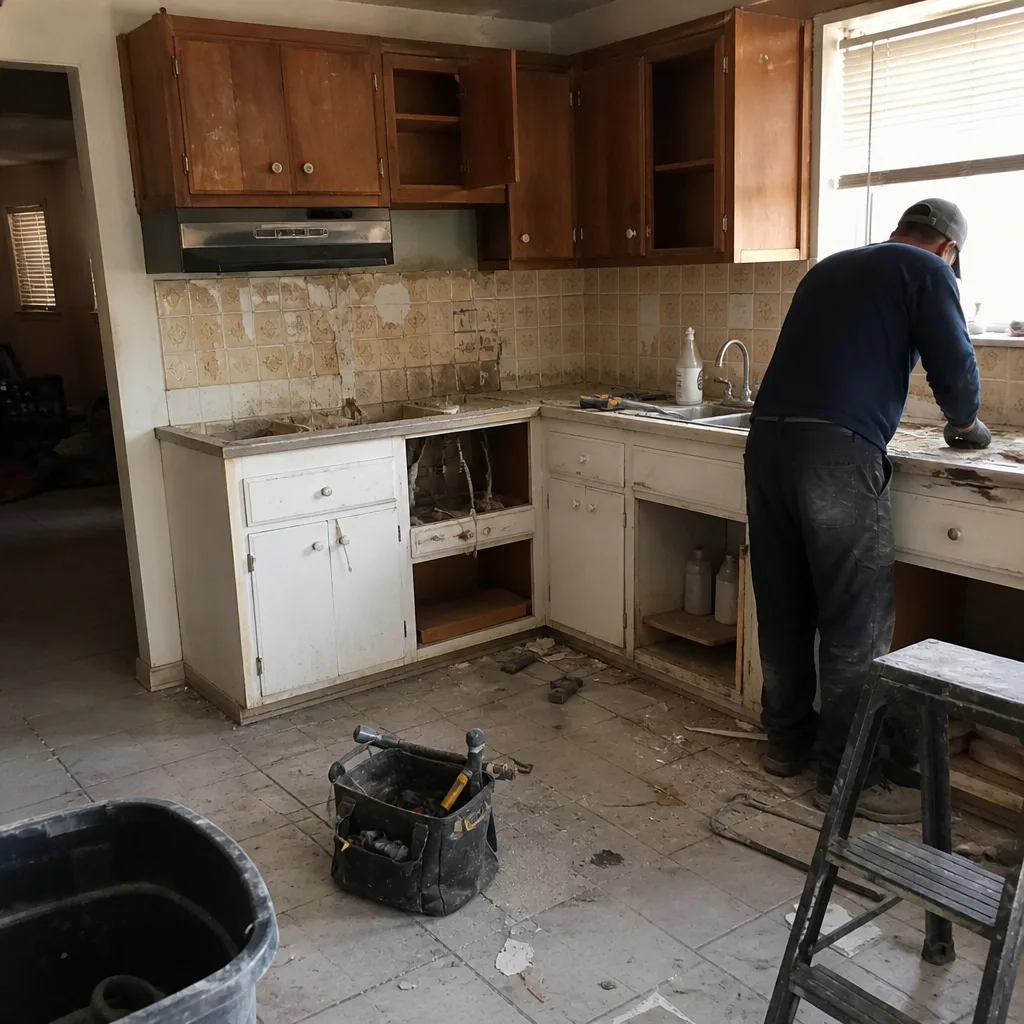 Before
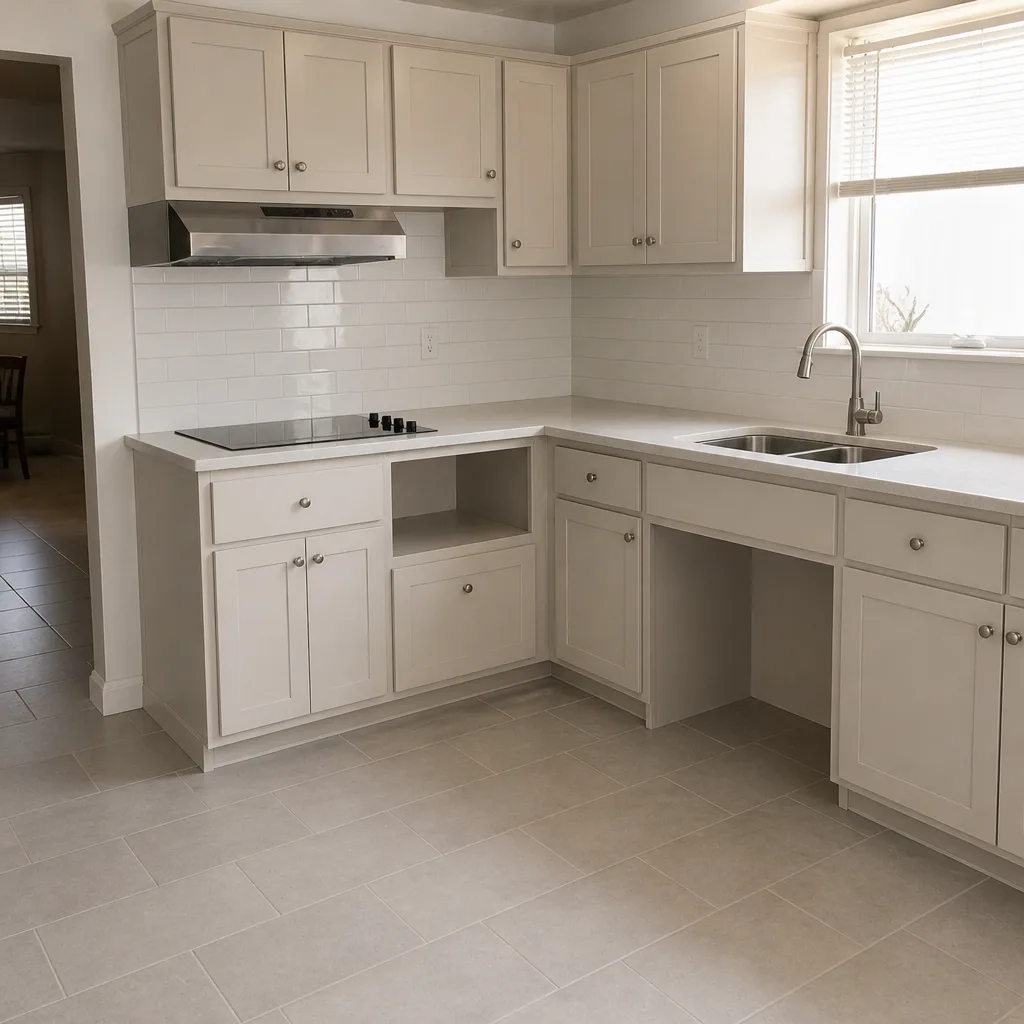 After
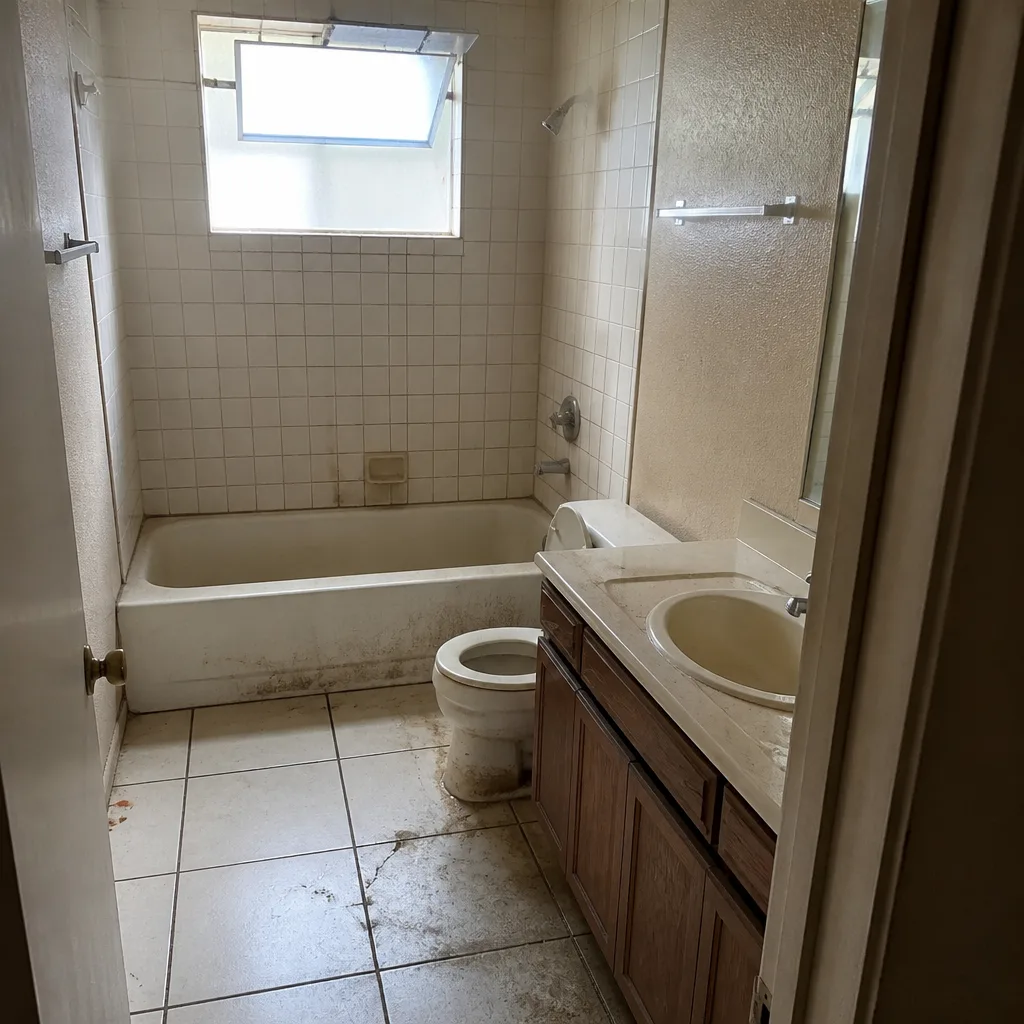 Before
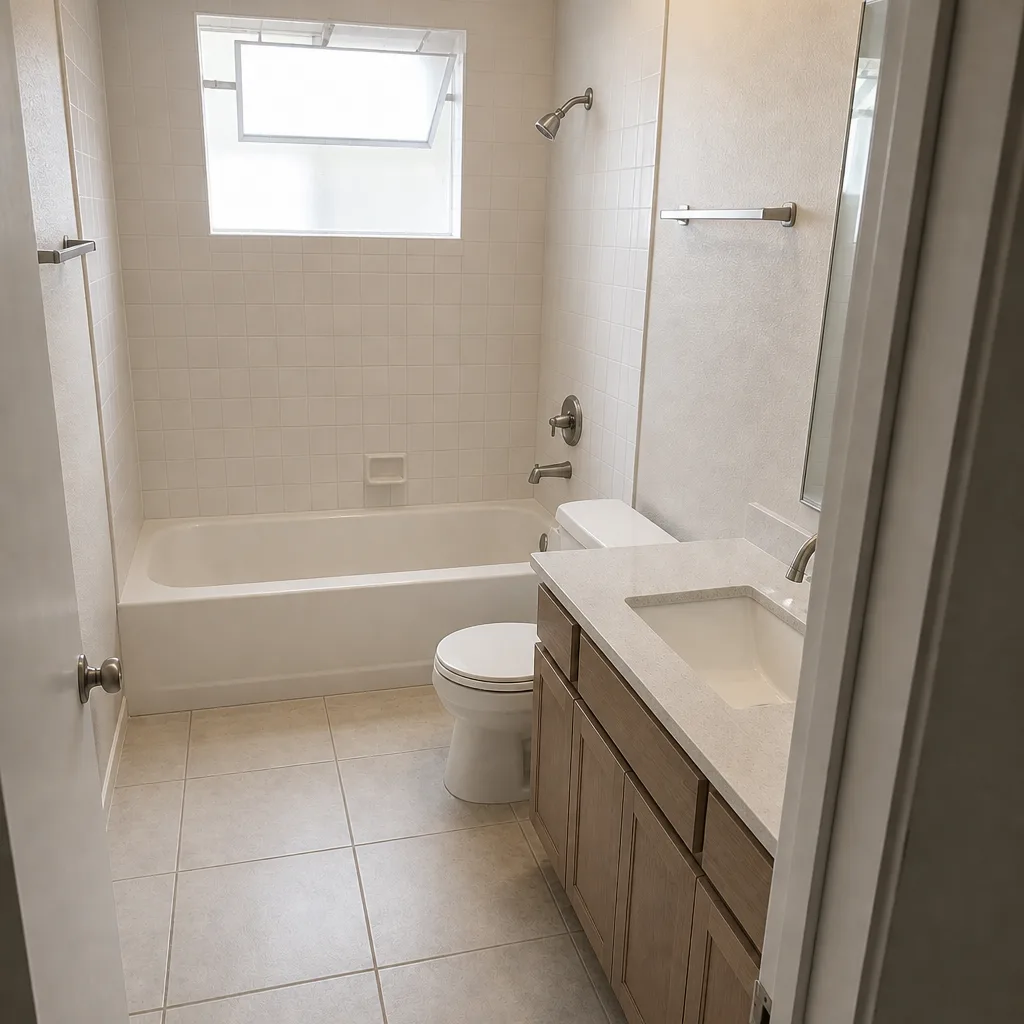 After
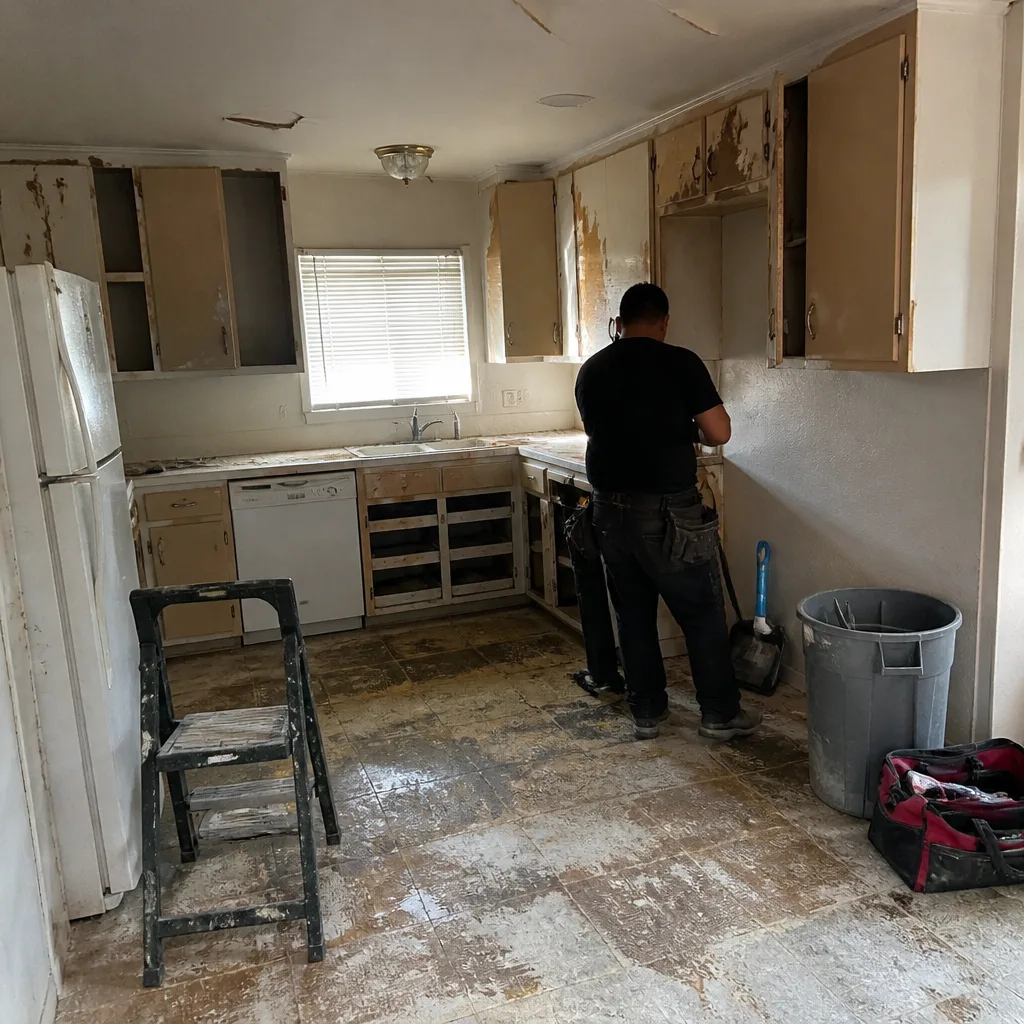 Before
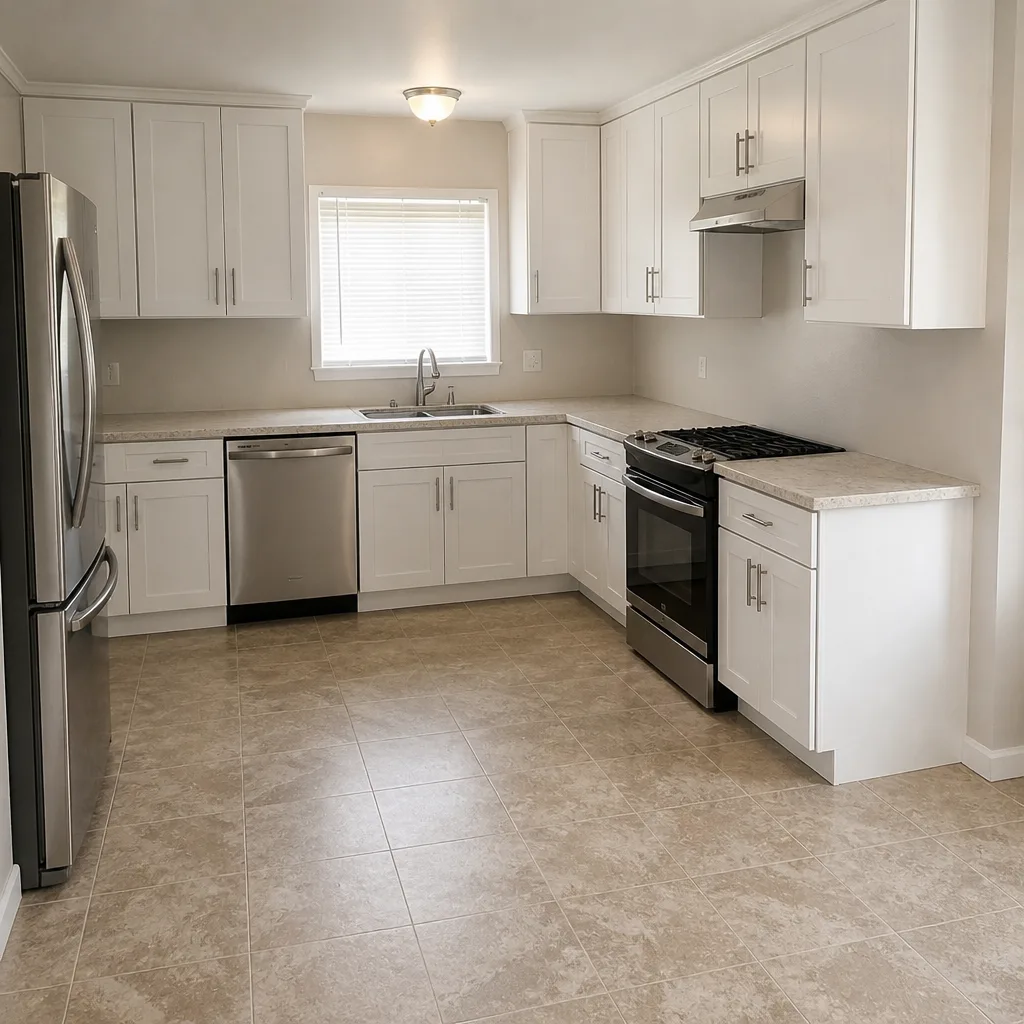 After