
Last updated November 18, 2026








Free written scope consultation - allowances, timeline, and change-order rules on paper before a single trade is scheduled
Kitchen Remodeling Warning Signs Every Homeowner Should Know
A contractor who can’t name every subcontractor they plan to send into your home before the job starts is already telling you something important about how they run their projects. In our experience across Las Vegas, the horror stories we’re called in to fix rarely start during construction. They start weeks earlier, in a vague quote, a rushed signature, or a crew nobody can identify. This guide walks through the five warning signs homeowners miss most often, from the first handshake to the final punch-list walkthrough, so you can either walk away or push back before money is gone and walls are open.
Quick Answer
The most reliable kitchen remodeling red flags are a written quote with no line-item pricing, pressure to sign the same day, a contractor who won’t name the subs entering your home, requests for more than 50% upfront, skipped rough-in inspections, and no punch-list walkthrough before final payment. If you see two or more of these in the first meeting, slow down and get a second bid before anything is signed.
Styles & brands we work with
- Kitchen remodeling
- Bathroom remodeling
- Home additions & ADU
- Roofing
- Windows & doors
- Driveway & pavers
- Fence
Table of Contents
- Pre-Contract Warning Signs
- Crew and Licensing Red Flags
- In-Progress Warning Signs
- Financial Red Flags
- Post-Job Warning Signs
- Common Mistakes to Avoid
- When to Call a Professional
- Frequently Asked Questions
Pre-Contract Warning Signs: The Tell Happens Before You Sign
A contractor who pushes you to sign before you’ve read the quote carefully is signaling that the paperwork is not their strong suit, or that it’s designed not to be read. In Las Vegas, where remodel demand runs high and good crews stay booked, pressure tactics are rarely necessary. A legitimate remodeler would rather lose a bid than rush a signature. Here’s what to look for in that first meeting.
Vague written quotes. A real estimate breaks down cabinetry, countertop material and square footage, tile, demo, plumbing, electrical, and finish work as separate lines. A single number (“kitchen remodel – $38,000”) with no breakdown means you cannot compare bids or hold anyone to anything when scope changes.
Same-day signature pressure. Discounts that “expire tonight” or “prices lock at 5 p.m.” are a sign the contractor needs the contract signed before you shop around. Professional-grade material partnerships like KraftMaid and Wellborn cabinetry, or Cambria and Silestone surfaces, have published lead times and pricing movements. There’s no reason a price can’t survive 24 hours in your hands.
No lien waiver process. In Nevada, subcontractors and material suppliers can file a mechanics lien against your home if the general contractor doesn’t pay them. Ask each bidder how they handle conditional and unconditional lien waivers with their subs. If they can’t explain the process in plain language, they haven’t built one.
A written price should be delivered before any work starts, every time – it’s not a favor and it’s not an upgrade. If the first quote you get can’t survive a tape measure and a written line-item, keep looking.
Crew and Licensing Red Flags
Before the first day of work, you should know the names and faces of everyone who will be working in your home. If you don’t, that’s the single clearest sign that the project manager is brokering work to strangers you’ll never meet officially.
Crew you can’t identify before arrival. Ask in the first meeting: how many people will be in my home on day one, and will I know who they are? A contractor who can’t answer this is likely calling a labor broker the morning-of. In our practice, that’s the opposite of how we work – the Threshold Standard means every technician is background-checked, identity-verified, arrives in a clean marked uniform, shows a photo ID badge at the door, and is introduced by name and photo before the visit. That’s what we’d expect from anyone entering a home with children or older adults in it.
Unlicensed tile or electrical subs. In Nevada, tile work and electrical work are regulated trades. Ask for the subcontractor’s license number, then check it against the Nevada State Contractors Board database yourself. If a general contractor won’t disclose their subs or claims they “only use licensed electricians” without naming them, treat that as a placeholder until proven otherwise.
No license on the truck, no license on the quote. A Nevada general contractor’s license number belongs on the written estimate and the contract. Missing license info is not an oversight – it’s a decision the contractor made.
Insurance and bonding. Ask for a certificate of insurance showing general liability and workers’ comp. You cannot collect a claim against a policy that doesn’t exist. This is the difference between a contractor who can absorb a mistake and one who cannot.
In-Progress Warning Signs: What Happens After the Walls Come Down
The two most expensive failures we’re called out to fix in Las Vegas kitchens both happen behind drywall: a skipped rough-in inspection and electrical run without proper protection. Both are invisible on move-in day and both show up months later, often with a plumbing leak or a failed inspection on resale.
Skipped rough-in inspection. Las Vegas Valley jurisdictions require rough-in inspections before walls are closed. A contractor who hangs drywall without scheduling that inspection has either skipped a permit or missed a step. Ask for the inspection card and check the date stamps – they should match the project timeline. If the wall is closed and there’s no inspection record, that’s a wall you may need to open again.
Electrical run without conduit or proper protection. In southern Nevada, kitchens carry real load – 220-volt circuits for ranges, dedicated 20-amp circuits for dishwashers and disposals, and GFCI protection near every sink. If you see wire pulled loose through studs with no protection, or extension cords taped along the wall as a temporary solution while they figure it out, stop work and ask for the electrical inspection log.
No daily communication. A good project manager checks in, in writing, most days. Silence for a week is not “everything’s fine” – it usually means something is being worked around.
Materials that don’t match the spec sheet. Flooring or cabinet finish that arrives looking different from the sample is worth flagging the day it lands, not after installation. Brand and model should match the written contract. If a substitute shows up without a written change order, that’s a red flag on its own.
Watch for crews who won’t let you walk the site. You have a right to see the work at every stage of a kitchen remodel.
Financial Red Flags: Where the Money Goes Wrong
Two money habits separate a well-run contractor from a risky one: how much they ask for upfront, and how they handle change orders. Both are checkable before signing.
More than 50% upfront. Nevada expects progress payments to track the work. A contractor asking for 60% or 70% before demolition is using your money to fund the start of their next job or to cover the last one. A reasonable structure moves through a deposit, a rough-in draw, and draws at completion milestones. Anything outside that pattern deserves a hard question.
Change orders with no written pricing. “We’ll figure that out later” is how a $5,000 surprise becomes a $15,000 surprise. Any change to the scope – tile upgrade, added cabinetry, plumbing relocation – should be priced in writing and signed by both parties before the work starts. Not after.
Cash-only, no receipt. Every dollar of a kitchen remodel should move through a traceable channel with paper on both ends. If your contractor asks for cash with no invoice, that’s a red flag on two fronts: taxes and warranty.
No written change to the original price without your signoff. A final invoice that doesn’t match the signed contract plus the signed change orders is the beginning of a dispute. The written price delivered before work starts should match the final bill dollar for dollar. Our no-hassle pricing is the model here – the price on day one is the price on day last, unless you signed something different in between.
Post-Job Warning Signs: The Punch-List is a Test
The last two days of the job are the most telling. A contractor who won’t do a punch-list walkthrough before collecting final payment is telling you they plan to be hard to reach the moment the money clears.
No punch-list walkthrough. Before you hand over final payment, walk the entire kitchen with the project manager and a notebook. List every complaint – a cabinet door that doesn’t quite shut flush, missing grout, a light switch that doesn’t align, a toe-kick that was never installed. Each item gets written down and initialed. That list is the contract’s final test.
Final payment before the punch-list is complete. Hand over the last draw only after the punch-list is finished. Every credible remodeler will agree to that order.
No written warranty terms. “Our work is guaranteed” is a slogan. “365 days from the completion date, covering X, Y, and Z, excluding A, B, and C” is a warranty. Ask for the second version, in writing, before signing. If they can’t produce one, you have no warranty – you have a promise.
No return visit if something fails. Ask directly: if a cabinet hinge fails in six months, do you come back? If they hesitate, they’re not coming back. Our 365-Day Done Right Promise covers repairs for a full year at no cost, and a free second visit is standard on any repair or installation failure. It’s the only part of the deal you can actually test.
Common Mistakes to Avoid
-
Signing without a line-item quote. A single-number bid makes it impossible to compare bids or hold anyone accountable when the scope shifts. Insist on line-item pricing even if it slows the process down by a day.
-
Accepting the first number as the final number. Las Vegas kitchens vary enormously – a Summerlin redo with full appliance relocation is not the same job as a Henderson condo refresh. If any contractor treats them the same on paper, they haven’t thought about yours.
-
Not checking the sub’s license. Nevada tile and electrical work is licensed for a reason. A five-minute lookup in the state contractor database is the cheapest insurance you’ll ever buy on a $40,000 kitchen.
-
Paying too far ahead. More than 50% upfront before demolition is a sign the contractor is undercapitalized. Progress payments on a schedule are the norm.
-
Skipping the inspection card. If the walls close without a rough-in inspection stamp, you may need to open them again at resale. Ask to see the card at each milestone.
-
Letting the punch-list live in your head. Anything not written down and initialed will not get fixed. Use paper.
-
Assuming the warranty is real. Ask for the warranty terms in writing before signing. If all you get is a verbal promise, you have nothing you can act on.
When to Call a Professional
There’s a point in every kitchen project where the smartest move is not to keep negotiating with the contractor in front of you, but to bring in a second opinion. That point is usually the day you notice two of the red flags on this page in the same conversation. Calling a licensed contractor for a written bid costs you nothing and gives you a comparison point for every other number on the table. If the project is already open and something feels off – skipped inspection, unexplained electrical work, a contractor asking for more money mid-job – stop the work and get a professional walkthrough before anything else happens. Mason Remodeling Co Las Vegas offers free estimates in Las Vegas, and every bid comes as a written, line-item price before any work starts. Call (844) 797-1112 to schedule one.
Frequently Asked Questions
A mid-range kitchen remodel in Las Vegas typically runs $45,000 to $85,000, with high-end projects using custom cabinetry and stone surfaces landing in the $90,000 to $150,000+ range. The largest drivers are cabinetry, countertop material, and how much plumbing or electrical has to move. Call (844) 797-1112 for an exact written quote – estimates are free.
A reasonable deposit sits between 10% and 30%, moving up in progress draws as the job advances. Anything over 50% before demolition starts deserves a hard question about why the money is needed before the work exists. If you’re being asked for more than half upfront, get a second bid before you sign.
Yes, if you’re moving plumbing, electrical, or structural elements, and often for cabinet replacement that touches gas or electrical. Clark County and City of Las Vegas jurisdictions both require permits for the work that touches building systems. Your contractor should pull the permits and schedule the inspections – if they suggest skipping it, that’s a red flag, and one that can cost you at resale.
A lien waiver is a signed document from your contractor and each subcontractor confirming they’ve been paid for their portion of the work, and giving up the right to file a mechanics lien against your home. In Nevada, unpaid subs and suppliers can lien the property even if you paid the general contractor in full. Ask for conditional waivers as draws release and a final unconditional waiver before the last payment. If the contractor can’t explain their lien waiver process, that’s a stop sign.
No – a real kitchen remodel takes weeks, and power and water interruptions are part of the process. Ours run in short, scheduled windows: usually a day or two for the electrical rough-in and a day or so for plumbing disconnect and reconnect. What you should get from any contractor is a written schedule with those interruptions on it, so you can plan meals and family logistics around them.
It should mean specific terms on paper: what’s covered, what’s excluded, how long the coverage runs from the completion date, and how to file a claim. “Backed by our guarantee” is not a warranty – it’s a phrase. Our 365-Day Done Right Promise covers anything we built or installed that fails within a year at no cost to you, and the terms are provided in writing with every project.
The Bottom Line

Five red flags catch most kitchen remodel disasters before the contract is signed: vague quotes, same-day pressure, unidentified crews, more than 50% upfront, and no written warranty. Three more catch the ones that slip through: skipped rough-in inspections, unprotected electrical, and no punch-list walkthrough before final payment. If a contractor can’t name every sub, show a license, and produce a written line-item price and written warranty before you sign, the deal is not ready. If you’re remodeling a kitchen in Las Vegas, get at least two written bids and compare them side by side. If something on the job feels off mid-project, call (844) 797-1112 for a free estimate and a second professional opinion. Nothing on this list is a small thing – a licensed contractor will agree with you on that.
Written by the team at Mason Remodeling Co Las Vegas.
Ready to move forward with a kitchen project that clears every one of these checks? Mason Remodeling Co Las Vegas delivers a written price before any work starts, background-checked crews introduced by name and photo, and the 365-Day Done Right Promise on every job. Explore our Kitchen Remodeling in Las Vegas services, our Bathroom Remodeling in Las Vegas team, or reach the broader General Contractor in Las Vegas group for whole-home work. Call (844) 797-1112 for a free estimate – a live person answers around the clock, and estimates are always free.
See the difference
 Before
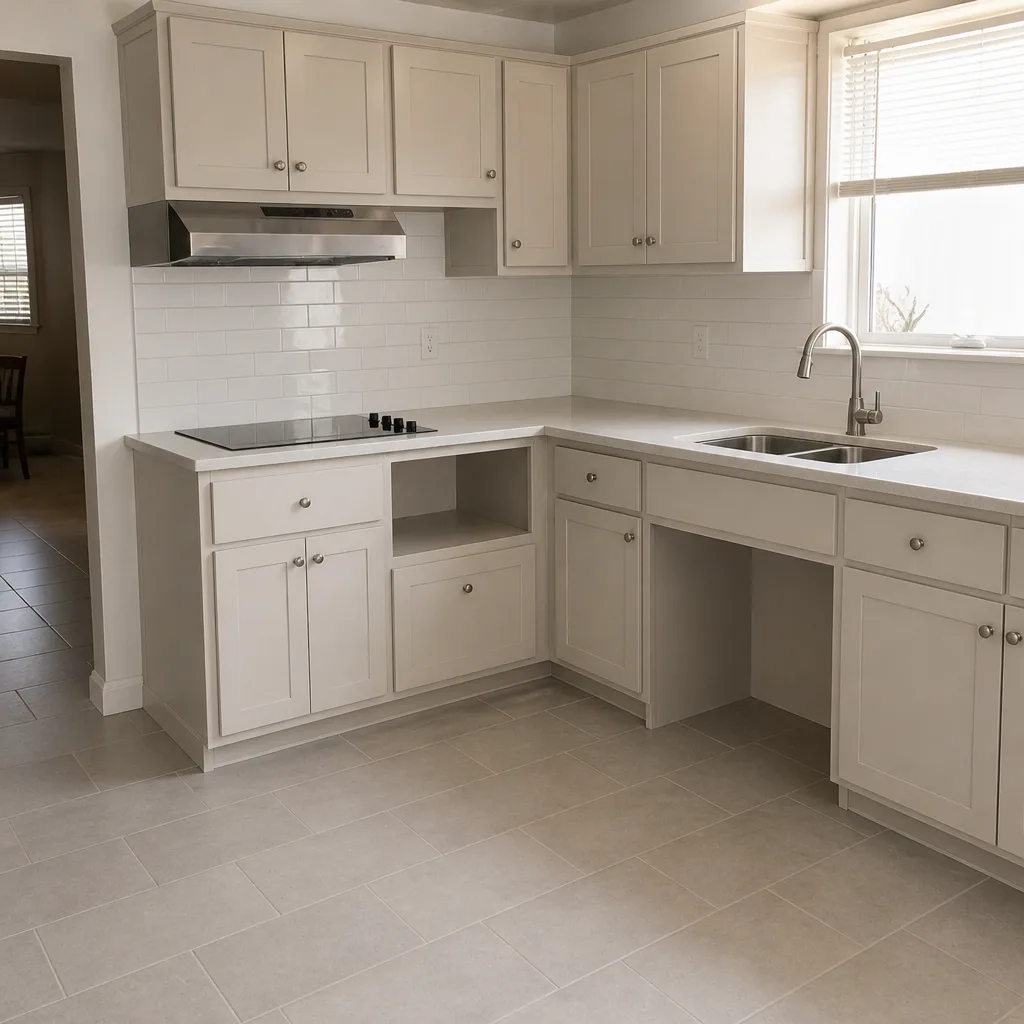 After
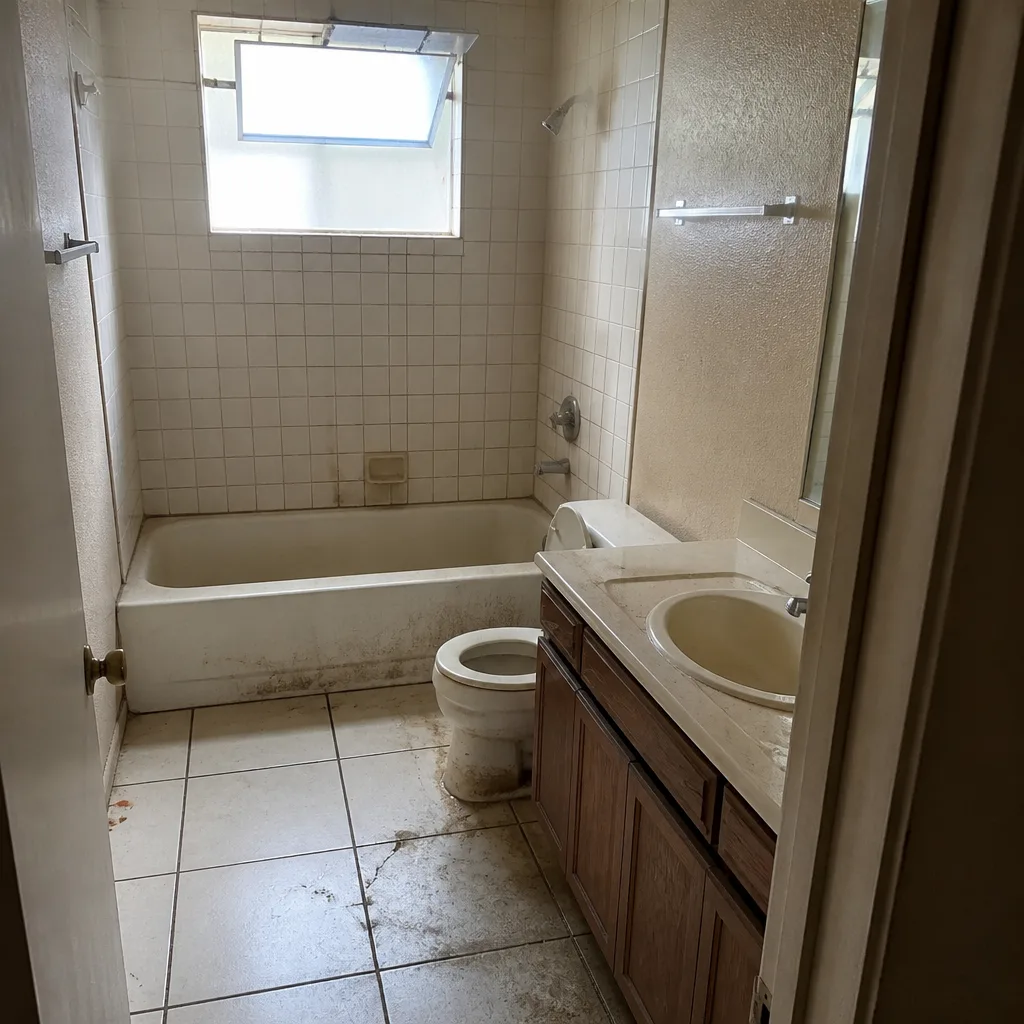 Before
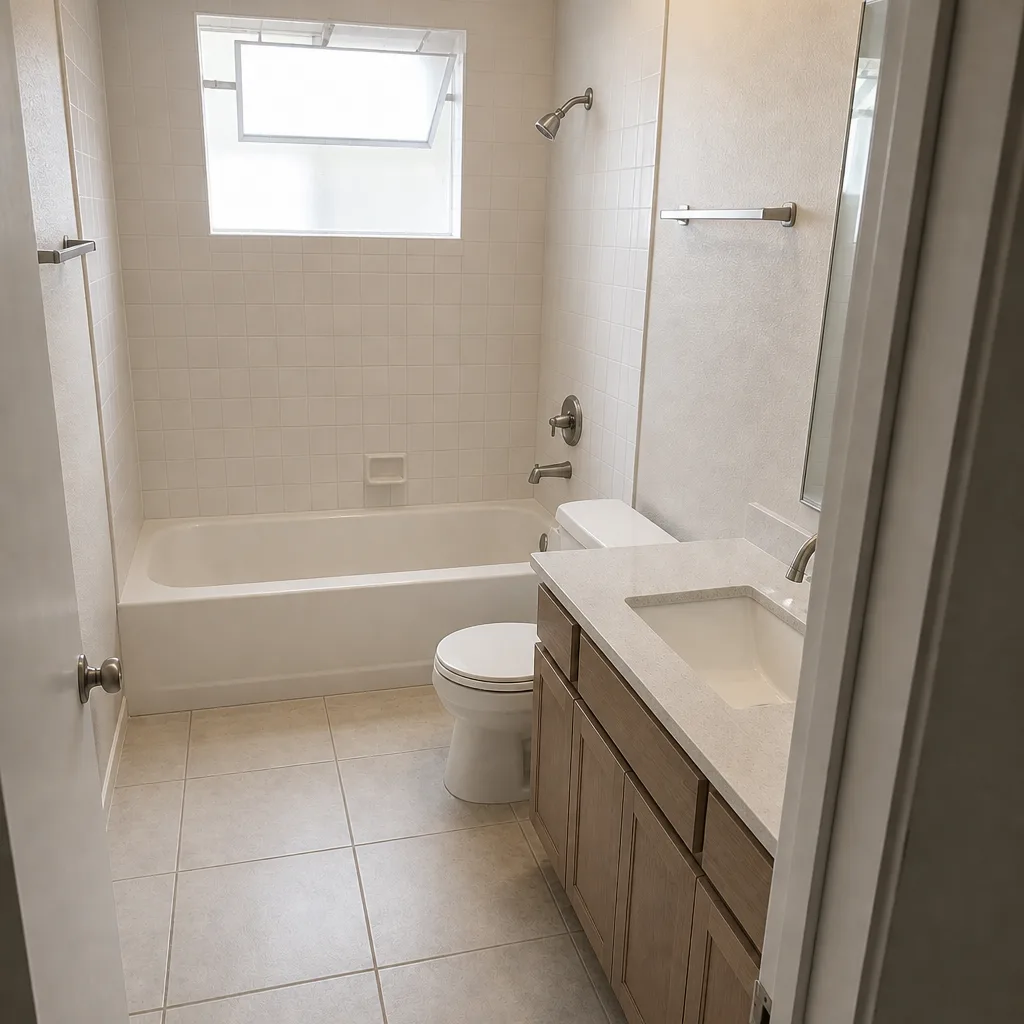 After
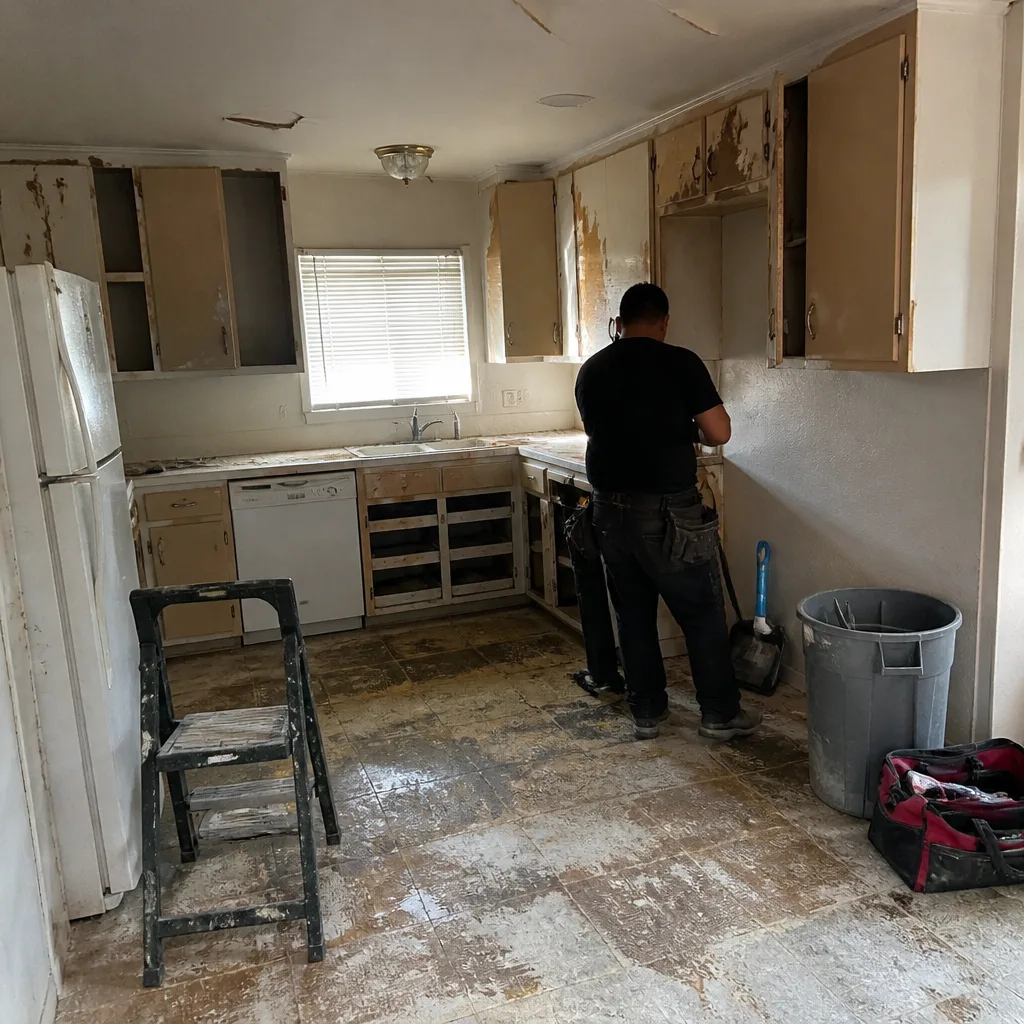 Before
 After