Last updated November 18, 2026




Free written scope consultation - allowances, timeline, and change-order rules on paper before a single trade is scheduled
DIY vs Professional Kitchen Remodeling: What’s Safe to Do Yourself
Installing your own kitchen cabinets feels like a money-saving win until the countertop fabricator shows up, discovers nothing is level or plumb, and charges you $400 to re-template the job. Or walks off it entirely. That is the trap at the center of most DIY kitchen remodels: the tasks that look easiest are often the ones that quietly undo the work of every trade that follows. This guide maps exactly where amateur work ends and professional work must begin in a Las Vegas kitchen, so you can keep the savings that are real and avoid the ones that turn into rework.
Quick Answer
DIY makes genuine financial sense for demolition, painting, hardware swaps, and faucet replacement on an existing rough-in. Electrical, plumbing, gas, cabinet installation, and anything structural almost always require a licensed trade in Nevada, and doing them yourself can fail inspection or void your homeowner’s insurance. The smartest split is a licensed general contractor for the mechanical and installation work, with you handling finishes.
Styles & brands we work with
- Kitchen remodeling
- Bathroom remodeling
- Home additions & ADU
- Roofing
- Windows & doors
- Driveway & pavers
- Fence
Table of Contents
- Where DIY Actually Saves Money
- Why Electrical and Plumbing Usually Require a Licensed Trade
- The Cabinet Installation Cascade Effect
- The Liability Gap: Insurance and Permits
- How to Split a Kitchen Project Strategically
- Las Vegas Factors That Change the Math
- What the Work Actually Costs in Las Vegas
Where DIY Actually Saves Money
Demolition is the clearest DIY win. Tearing out old cabinets, countertops, backsplash tile, and flooring is labor-intensive but low-risk, and a contractor will bill real hours for it. Expect a full kitchen teardown to take two motivated adults one long weekend with a dumpster on site. The one caveat: shut off water and power at the source before you swing a sledgehammer, and never remove a wall without confirming it is not load-bearing.
Painting walls and ceilings is the second honest savings. A kitchen touch-up or full repaint runs $400 to $900 in materials and equipment for a homeowner, where a crew charges by the room. Prep is everything: patch, sand, and prime before color. In Las Vegas, choose a washable satin or semi-gloss so cooking grease wipes off instead of staining.
These tasks are also fair game for a confident DIYer:
- Cabinet hardware swaps – knobs and pulls take an afternoon with a drill and a template. Measure twice; a misplaced hole in a finished door is hard to hide.
- Faucet replacement on an existing rough-in – swapping a faucet where the supply lines and drain already exist is a two-hour job. Running new supply lines is not.
- Backsplash tile on a small area – a simple subway pattern is forgiving. Skip it if you want a herringbone or large-format layout.
- Under-cabinet lighting plug-ins – the kind that plug into an outlet are homeowner-friendly. Hardwired lighting is not.
- Final clean-up and trim touch-ups – caulking, filling nail holes, and wiping down surfaces save a finish crew’s minimum charge.
Be honest about your time and skill. A faucet swap that should take two hours can eat a Saturday if the shutoff valve is seized or the old drain is corroded. When the surprise shows up, the savings disappear fast.
Why Electrical and Plumbing Usually Require a Licensed Trade
Kitchen electrical and plumbing are where DIY risk concentrates. In Nevada, electrical work beyond swapping a fixture is generally required to be done by a licensed electrician, and any permitted remodel involving new circuits or moved plumbing will be inspected. A kitchen almost always triggers this because you are adding circuits for a new range, dishwasher, disposal, or microwave.
The cost of getting it wrong is not just the rework. When an inspection fails, you pay for the correction, a re-inspection fee, and the days or weeks of delay while other trades sit idle. A single failed rough-in inspection can push a two-week kitchen back by a month.
Here is why kitchen mechanical work is different from other rooms:
- Dedicated circuits – a modern kitchen needs separate circuits for the range, dishwasher, disposal, microwave, and countertop outlets. Load calculations are not guesswork.
- GFCI protection – outlets near sinks must be ground-fault protected, and the rules for where and how are specific.
- Gas lines – moving a gas range connection is dangerous work that belongs to a licensed plumber or gas fitter. Do not touch it yourself.
- Water and drain rough-in – relocating a sink or adding a pot filler means new supply and drain lines inside the wall. A slow leak behind a finished wall is a five-figure repair.
If you are planning a larger scope, our general contractor in Las Vegas team coordinates the licensed trades and the inspections so the rough-in phase passes the first time.
The Cabinet Installation Cascade Effect
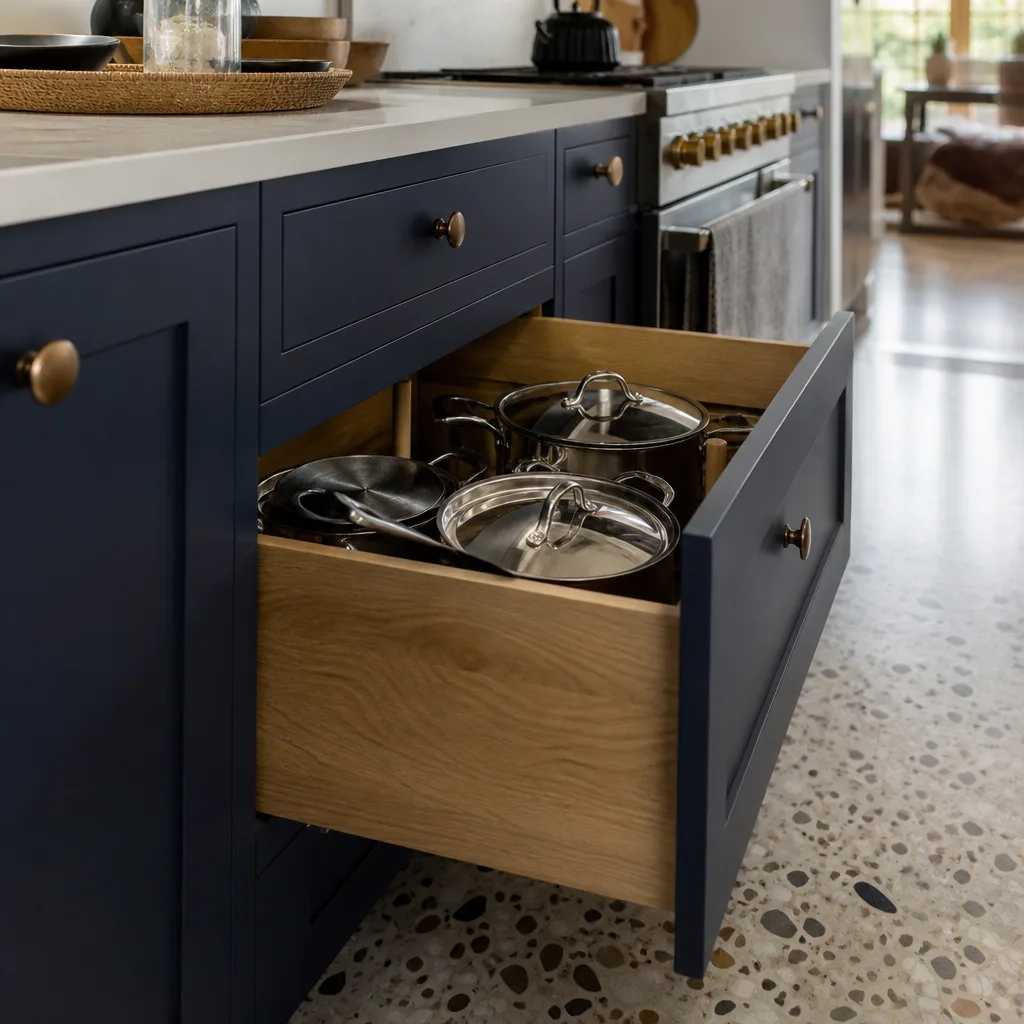
This is the part most homeowners miss. Cabinet installation is not just carpentry; it is the foundation every following trade builds on. If the boxes are out of level or plumb, three things break downstream.
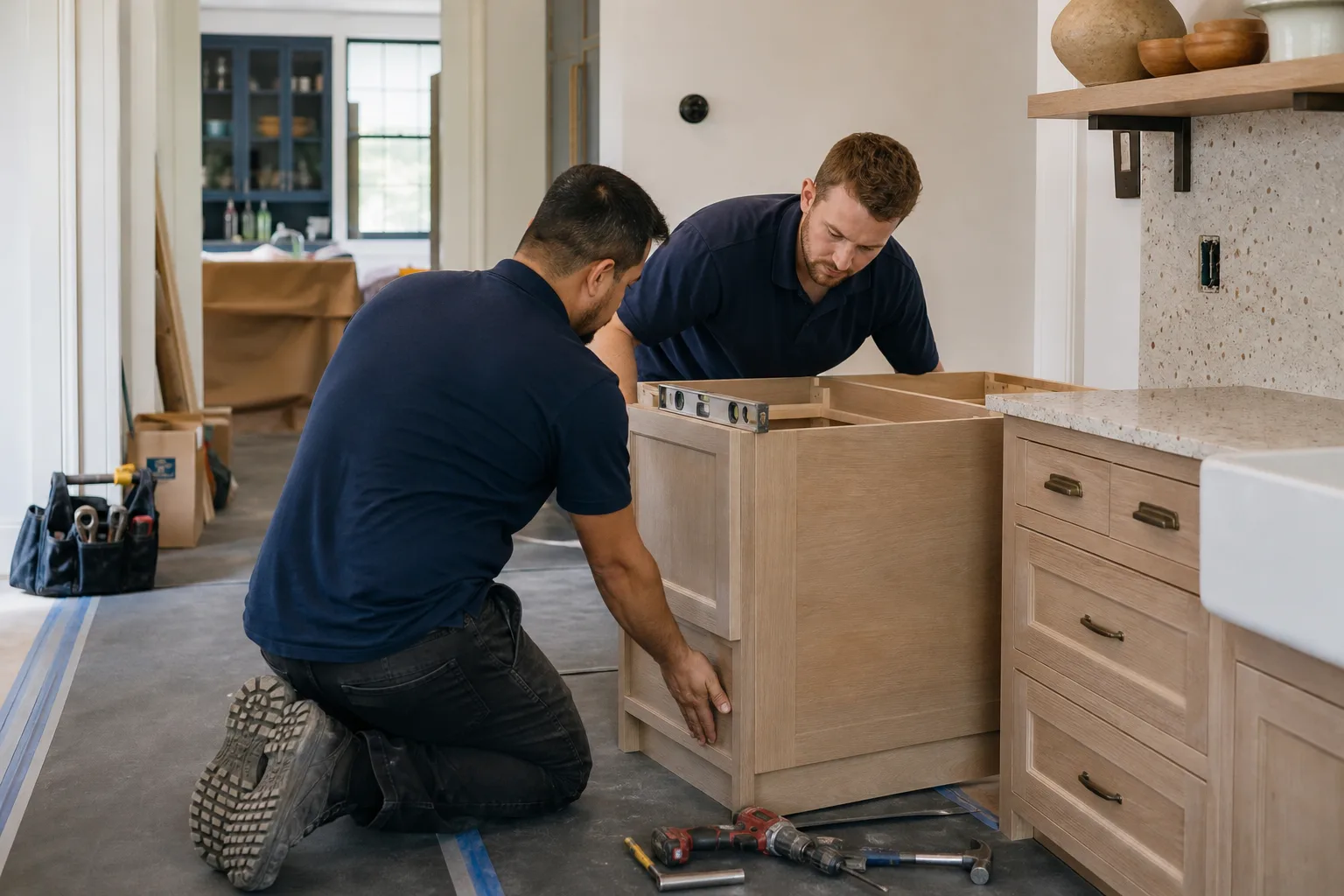
First, the countertop. A fabricator templates the cabinets before cutting stone, and if the run is not level, the slab will not sit correctly. That means re-templating, a change order, and a delay. Second, appliance fit. A dishwasher or slide-in range needs a true opening; a racked cabinet run means a fridge that does not sit flush or a range that will not slide in. Third, tile. A backsplash laid against a wavy cabinet line shows the gap. Our kitchen remodeling in Las Vegas crews level and shim cabinet runs to within a small tolerance before any stone is cut, which is why we can deliver a fixed written price without change orders.
Consider what the amateur cabinet installer usually gets wrong:
- Not finding the high spot. Las Vegas slab foundations are rarely perfectly flat. The cabinets must be leveled off the highest point, then shimmed to it.
- Skipping the wall studs. Cabinets must anchor into studs or proper blocking. Drywall anchors alone will fail under the weight of loaded uppers.
- Ignoring the scribe. Walls are never perfectly straight. A professional scribes the cabinet to the wall; an amateur leaves a gap that caulk cannot hide.
- Rushing the crown and trim. The finish line of the cabinet run is where sloppy work shows most.
In our experience, the money saved on DIY cabinet install is often smaller than the re-template and rework bill it produces. The install is where a general contractor earns the fee.
The Liability Gap: Insurance and Permits
Here is the question almost no DIY guide answers: what happens to your homeowner’s insurance if unpermitted or unlicensed work causes damage? The answer is uncomfortable. Insurers can deny a claim for water damage or fire when the work that caused it was unpermitted or done by someone without a license. That means the kitchen flood or the electrical fire is on you, not the policy.
Permits exist to protect the value and safety of your home. A permitted remodel is inspected at key stages – rough-in, framing, final – and that inspection record follows the house when you sell. An unpermitted kitchen becomes a disclosure problem at sale and can stall a buyer’s financing. In Las Vegas, where homes turn over quickly and buyers are careful, that paper trail matters.
What to confirm before any work starts:
- A written scope of work and a written price, not a verbal estimate that grows on the final bill.
- Confirmation that the contractor pulls the required permits and schedules the inspections.
- Proof the trade doing the electrical and plumbing is licensed and insured.
- A written guarantee with stated coverage terms and a duration.
This is where a licensed general contractor carries real value. Our Mason Remodeling Co Las Vegas home page lays out how we handle permits, verified crews, and the written price before any work begins.
How to Split a Kitchen Project Strategically
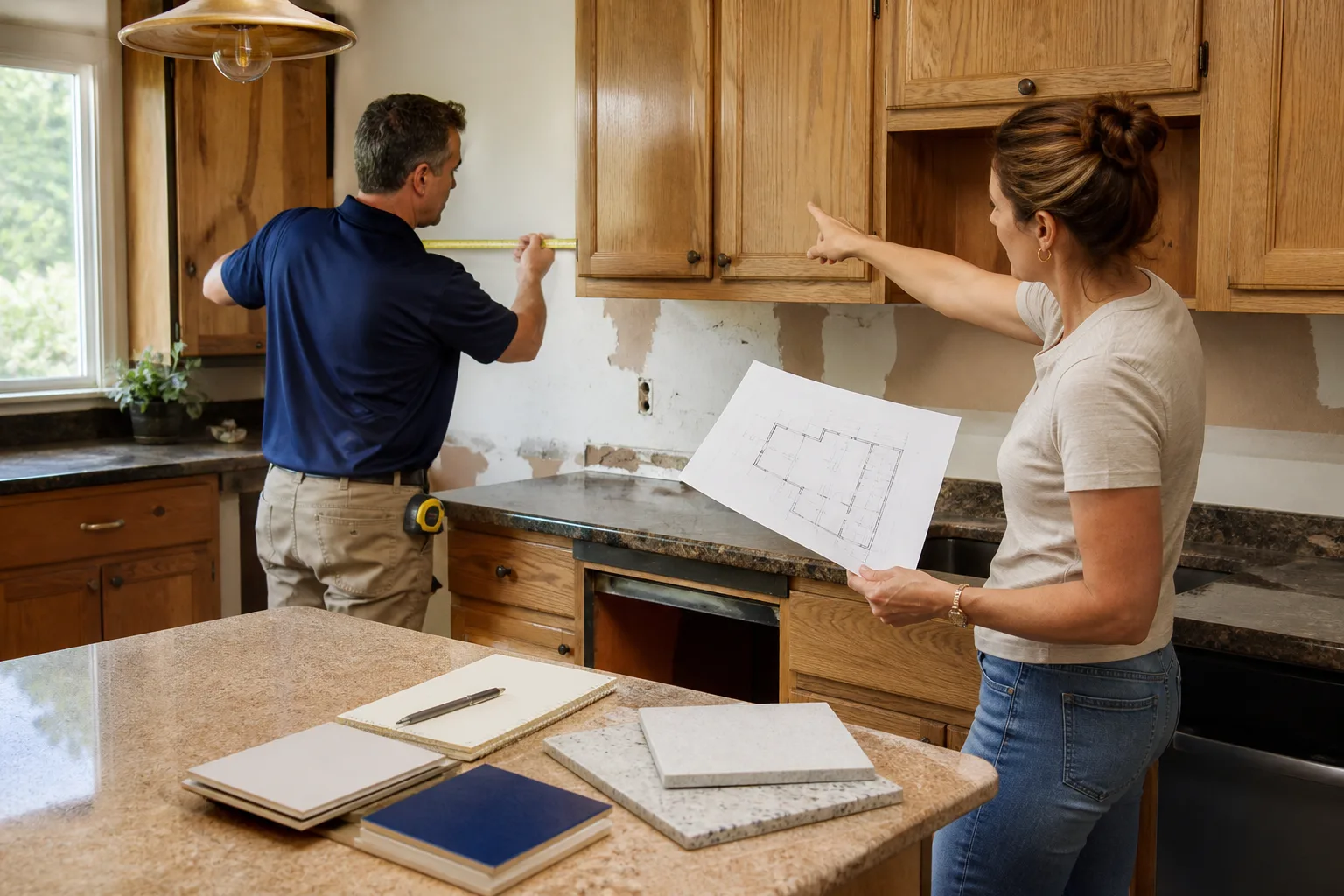
The best middle path for a hands-on homeowner is a split: a licensed general contractor handles structural, mechanical, and installation work, while you take the finishing tasks. You get real savings without taking on real risk.
Here is how that split usually breaks down for a Las Vegas kitchen:
- You handle demolition. Tear out to the studs and haul away the debris. Save the contractor’s labor hours.
- The pro handles rough-in. Licensed electrical and plumbing trades run circuits and lines and pass inspection.
- The pro sets the cabinets and countertops. This is the foundation the rest depends on. Do not compromise it.
- You handle paint. Walls and ceilings get your brush after the cabinets are set and before the countertop template.
- You install hardware and the faucet. Final touches after the pro’s finish crew leaves.
- The pro runs final inspection. The permit closes with the work verified and your record clean.
That split captures meaningful savings on labor while keeping every safety-critical task in the hands of a licensed trade. It also keeps your insurance intact. If you want a larger modern kitchen with new windows, our crews coordinate products from manufacturers like CGI and CWS so the glazing and the cabinetry line up in one schedule.
Las Vegas Factors That Change the Math
Las Vegas conditions add variables a generic DIY guide will not mention. The desert climate is dry and dusty, which affects how paint and tile set. The dry air pulls moisture from thinset and grout quickly, so you have less working time than you would in a humid climate. Schedules matter more here.
Address the dust. Las Vegas valley dust settles on every surface, and it defeats paint adhesion and backsplash bond if not cleaned properly. Wash down and prime before any finish work.
Foundation movement is another factor. Expansive soil and slab movement from heat are common, and a cabinet run installed without proper shimming and anchoring will rack over time. Work with a contractor who knows how local slabs behave rather than treating the kitchen like a flat, stable box.
Mature kitchens near the older parts of the valley often hide surprises behind the drywall: out-of-date wiring, corroded supply lines, and venting that does not meet current code. A professional walk-through scopes those before demolition, so the budget reflects them. When a kitchen project goes beyond the room into a whole-home update, including the adjacent bath, our bathroom remodeling in Las Vegas team coordinates the schedule so both rooms finish together.
What the Work Actually Costs in Las Vegas
Knowing the range of each task helps you decide what to keep and what to hand off. These are real-dollar figures to self-qualify before you call.
| Task | DIY materials / cost | Pro cost range |
|---|---|---|
| Full demolition | $300 – $800 (dumpster, tools) | $1,200 – $2,500 |
| Paint walls & ceiling | $400 – $900 | $1,500 – $3,500 |
| Cabinet hardware swap | $150 – $400 | $400 – $900 |
| Faucet replacement (existing rough-in) | $150 – $350 | $300 – $600 |
| Electrical rough-in (new circuits) | Not recommended | $2,000 – $5,000 |
| Plumbing rough-in | Not recommended | $1,500 – $4,000 |
| Cabinet installation | Not recommended | $2,500 – $6,000 |
| Countertop fabrication & install | Not recommended | $3,000 – $8,000 |
These ranges are for a Las Vegas market and vary with size, material, and layout. The point is the split: the tasks marked “not recommended” carry the safety and cascade risk. Our kitchen remodeling crews deliver a written line-item price on these tasks before any work begins, so you can weigh the real numbers.
Common Mistakes to Avoid
- Removing a wall without confirming it is load-bearing. In Las Vegas, many kitchen walls carry the roof load. Verify with a structural inspection before the sledgehammer.
- Running electrical without a permit. An unpermitted circuit is a future denial letter from your insurer. Pull the permit or hire a licensed electrician.
- Installing cabinets out of level. This is the costly one. It triggers re-templating, appliance fit problems, and a failed backsplash line.
- Moving a gas line yourself. Gas work is dangerous and belongs to a licensed trade. Never cut or reroute a gas line on your own.
- Picking countertops before cabinets are set. The fabricator templates the installed cabinets; selecting stone first means the slab may not fit the finished run.
- Ignoring the dry climate during tiling. Thinset sets faster in Las Vegas. Work in small sections so the tile bonds before it skins over.
- Hiring on a verbal estimate. A verbal number becomes a surprise invoice. Insist on a written price before a single tool is unpacked.
See the difference
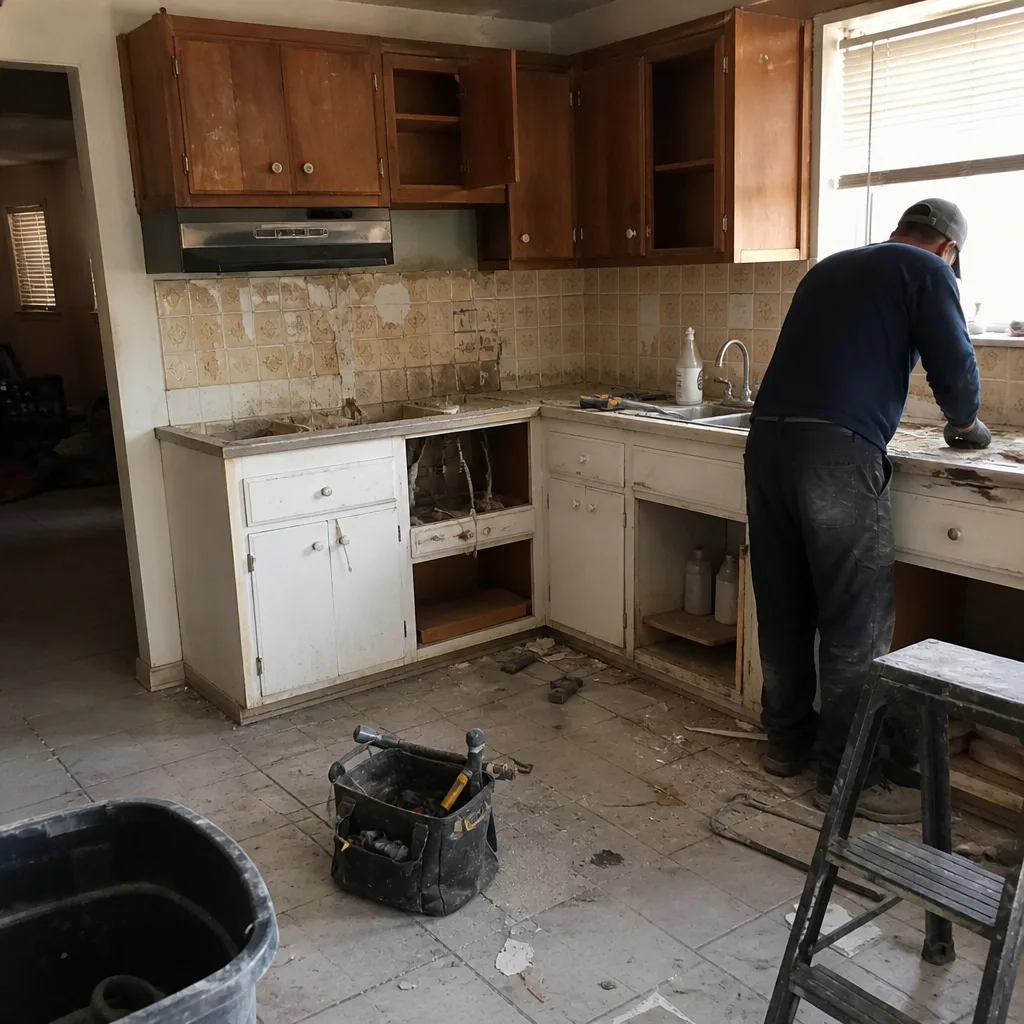 Before
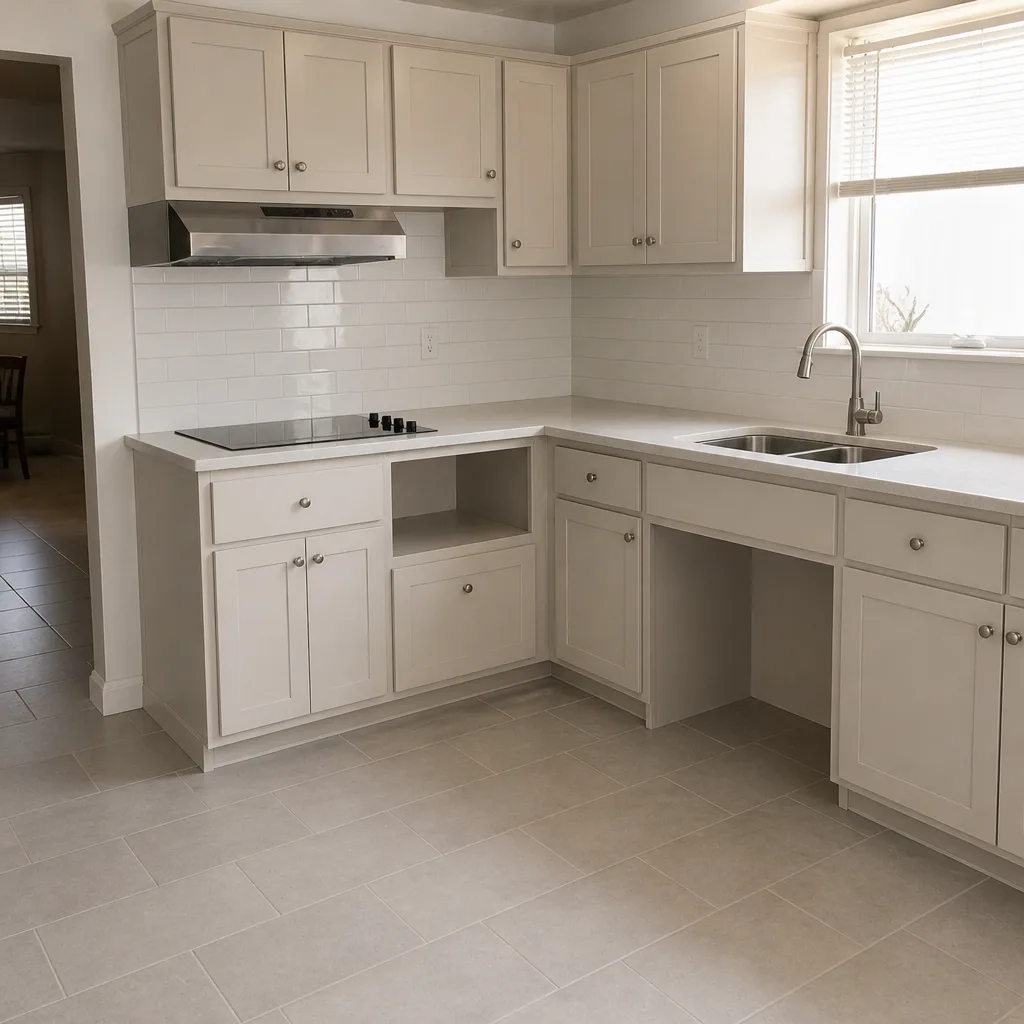 After
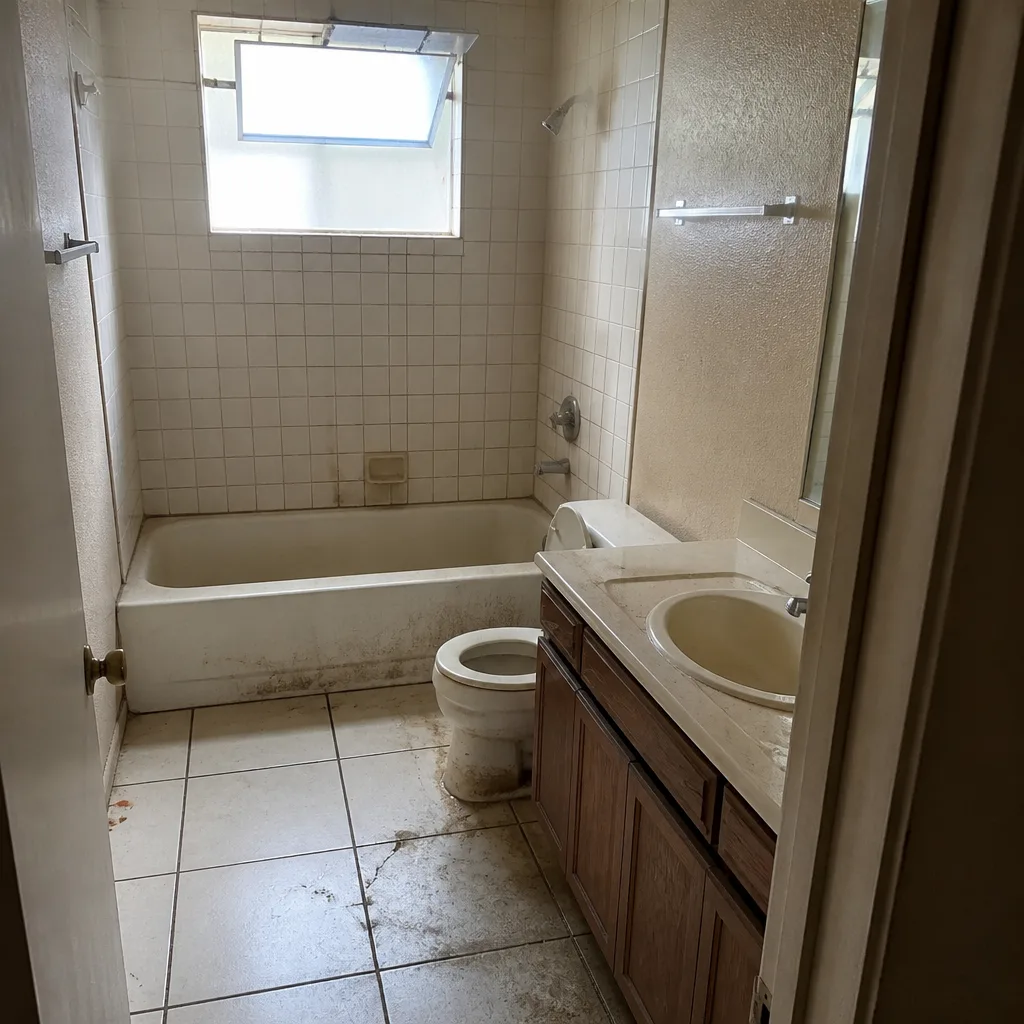 Before
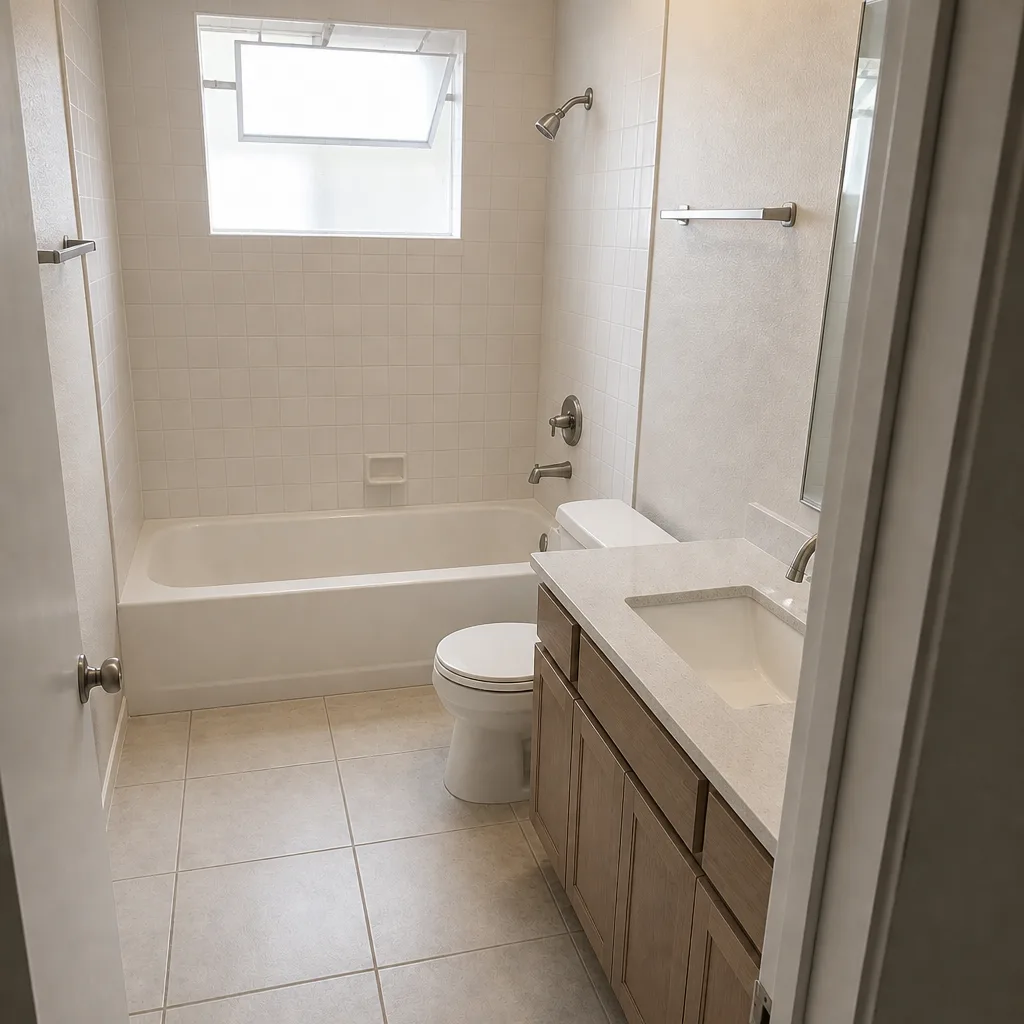 After
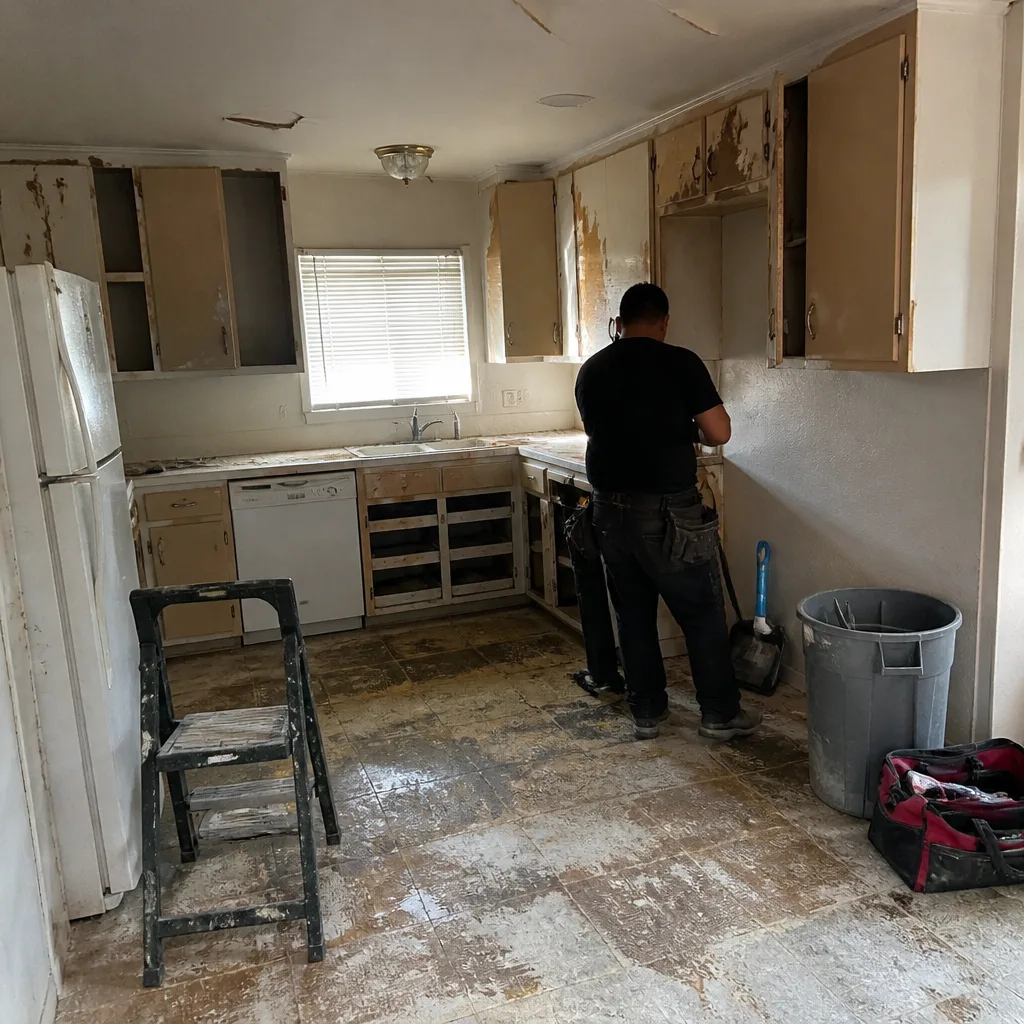 Before
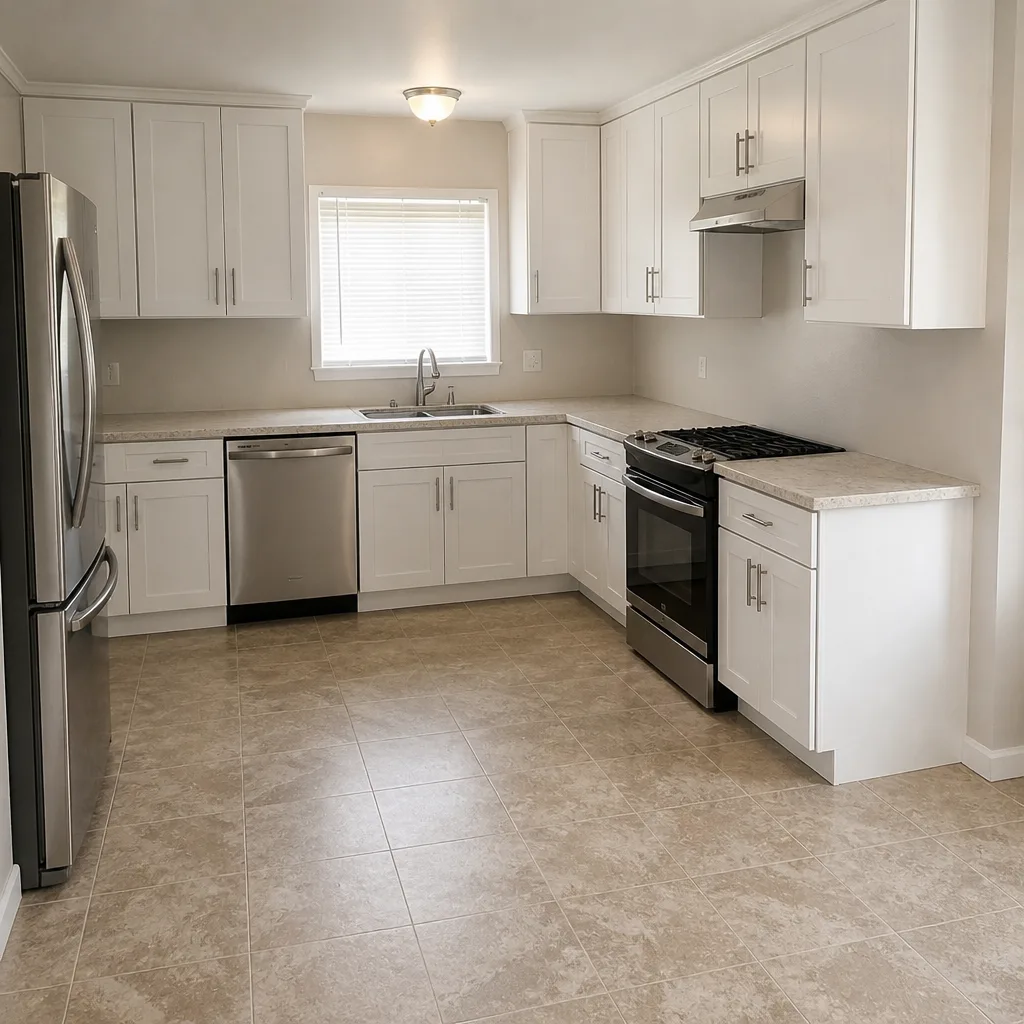 After
When to Call a Professional
Call a professional the moment your kitchen project touches electrical circuits, plumbing rough-in, gas, structural walls, or cabinet and countertop installation. Those are the tasks where DIY is not just risky but often illegal without a license, and where a small mistake compounds into rework, inspection delays, and an insurance gap. Also call when you are unsure what is behind the drywall: old wiring, corroded lines, or venting that does not meet current code. Those surprises are common in mature Las Vegas kitchens and worth scoping before demolition. Mason Remodeling Co Las Vegas offers free estimates in Las Vegas, and every project comes with a written price before work starts and a 365-Day Done Right Promise. Call (844) 797-1112 to schedule your free estimate.
Frequently Asked Questions
You can legally handle demolition, painting, hardware, and faucet swaps on an existing rough-in yourself. Electrical, gas, plumbing rough-in, and structural changes generally require a licensed trade and a permit, so those are not safe or legal do-it-yourself tasks.
DIY is cheaper only for the finishing tasks you can complete correctly. Once you factor in rework, failed inspections, and the risk of an insurance denial, DIY on cabinet installation and mechanical work usually costs more than a professional crew. A split project captures the real savings without the risk.
Yes, in almost every case. A kitchen remodel that moves electrical, plumbing, or walls needs a permit and inspections. An unpermitted kitchen can stall a home sale and leave you without insurance coverage for related damage, so pull the permit or hire a licensed contractor who does.
Because cabinet installation is the foundation for countertops, appliances, and backsplash tile. An unlevel or out-of-plumb run triggers re-templating fees and fit problems with everything downstream. A professional levels and shims the run to within tolerance before any stone is cut.
Doing it yourself runs $300 to $800 for a dumpster and tools. A crew charges $1,200 to $2,500. Demolition is one of the best DIY savings in a kitchen remodel if you shut off water and power first and confirm no wall is load-bearing.
A written, line-item price is your protection. A verbal estimate can grow on the final bill. Mason Remodeling Co Las Vegas delivers a written price before any work starts on every project, so call (844) 797-1112 for a free estimate with no surprises.
The Bottom Line
Kitchen remodeling concentrates more permit-required, license-required, and insurance-voiding work than any other room. Keep the honest DIY wins – demolition, paint, hardware, faucet swaps – and hand off electrical, plumbing, gas, cabinet installation, and anything structural to a licensed contractor. The split strategy captures real savings while keeping your home safe, your inspections clean, and your insurance intact. In Las Vegas, our crews deliver a written price before work begins and back it with a 365-Day Done Right Promise. Start with a free estimate and a clear plan.
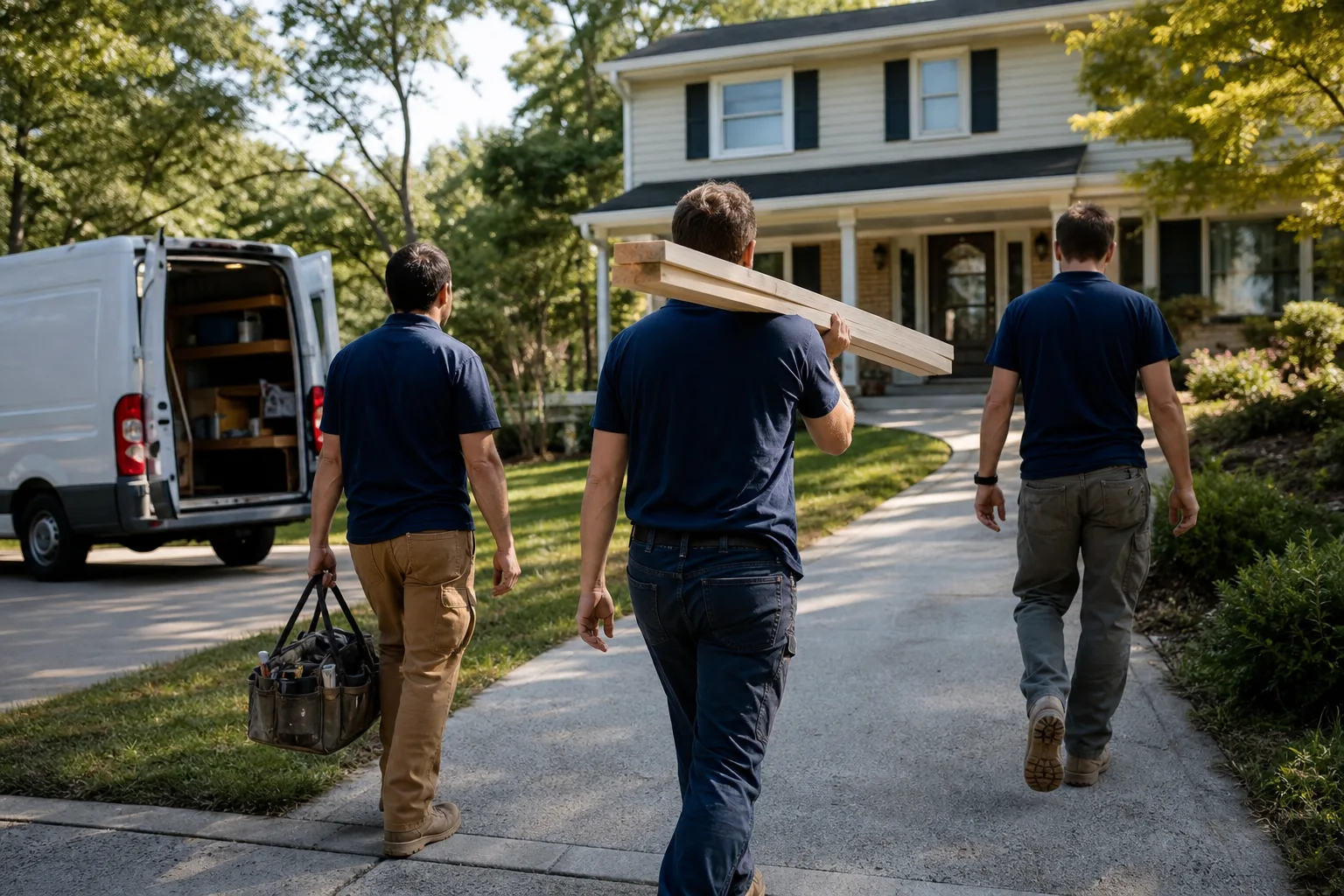
Ready to price your project? Call Mason Remodeling Co Las Vegas at (844) 797-1112 for a free estimate. Every crew member is background-checked, identity-verified, and introduced to you by name and photo before the visit, and you will have a written price in hand before a single tool is unpacked.
Written by the team at Mason Remodeling Co Las Vegas.