Last updated November 18, 2026




Free written scope consultation - allowances, timeline, and change-order rules on paper before a single trade is scheduled
DIY vs Professional Home Remodeling: What’s Safe to Do Yourself
Here’s the part most DIY guides skip. A homeowner who tiles their own backsplash risks nothing but time. A homeowner who moves a single outlet without a licensed electrician can void their homeowner’s insurance policy on the entire project. The danger isn’t skill level – it’s the legal and financial exposure that comes with touching licensed trades. In Las Vegas, that line matters more than most people realize, because the trades here are regulated tightly and insurers in Clark County are watching. This guide maps the real boundary: what you can safely finish yourself, what will trip a permit, and what a licensed crew has to handle.
Quick Answer
In Nevada, purely cosmetic work – painting, tile, trim, cabinetry – is generally safe to do yourself, but any work involving electrical, plumbing, gas, or structural changes requires a licensed contractor and often a permit, regardless of how small the job looks. Unpermitted work can complicate resale, jeopardize title insurance, and in some cases let an insurer deny a claim tied to the remodel. If a task touches a utility or moves a wall, treat it as professional work.
Styles & brands we work with
- Kitchen remodeling
- Bathroom remodeling
- Home additions & ADU
- Roofing
- Windows & doors
- Driveway & pavers
- Fence
Table of Contents
- What Nevada Law Actually Requires From a Licensed Contractor
- What Unpermitted Work Does to Your Home’s Value in Clark County
- The Three DIY Categories: Cosmetic, Utility-Touching, and Structural
- How to Check Whether a Task Needs a Permit in Las Vegas
- What a Written Scope of Work Should Tell You Before You Start
- How Las Vegas Climate Changes the DIY Equation
- Common Mistakes to Avoid
- When to Call a Professional
- Frequently Asked Questions
What Nevada Law Actually Requires From a Licensed Contractor
Nevada does not require a licensed contractor for every home improvement task. It does require one for anything that falls under the state’s defined licensed trades. The Nevada State Contractors Board issues licenses across several classifications, and the ones homeowners bump into most often are general building, electrical, plumbing, and HVAC. The rule of thumb: if the work requires a permit, it requires a licensed contractor. And if the work affects health and safety systems – power, water, gas, climate – assume a permit is required.
The four categories that require a licensed professional regardless of project size:
- Electrical. Any new circuit, outlet relocation, panel change, or fixture tie-in beyond a simple plug-in lamp. Swapping a light fixture on a switched circuit is a gray area, but moving an outlet or adding a dedicated line is not.
- Plumbing. Any change to supply or drain lines, fixture replacement that involves opening a wall, water heater replacement, and anything behind a wall or under a slab.
- Gas. Any gas line work at all – extending a line to a new range, converting a cooktop, adding a fire pit. This is also the trade with the highest safety stakes.
- Structural. Removing or modifying load-bearing walls, changing headers, cutting a beam, altering framing. Even a small wall removal is structural if it bears load.
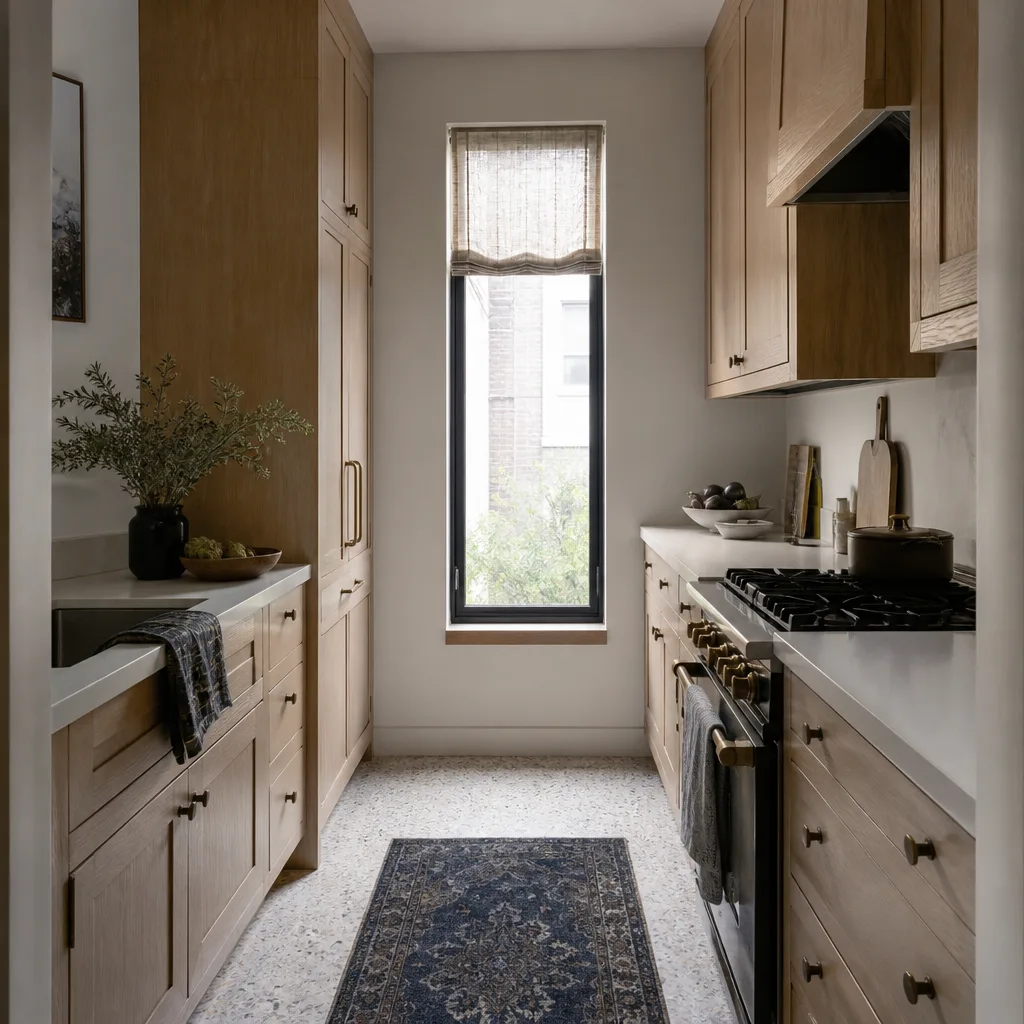
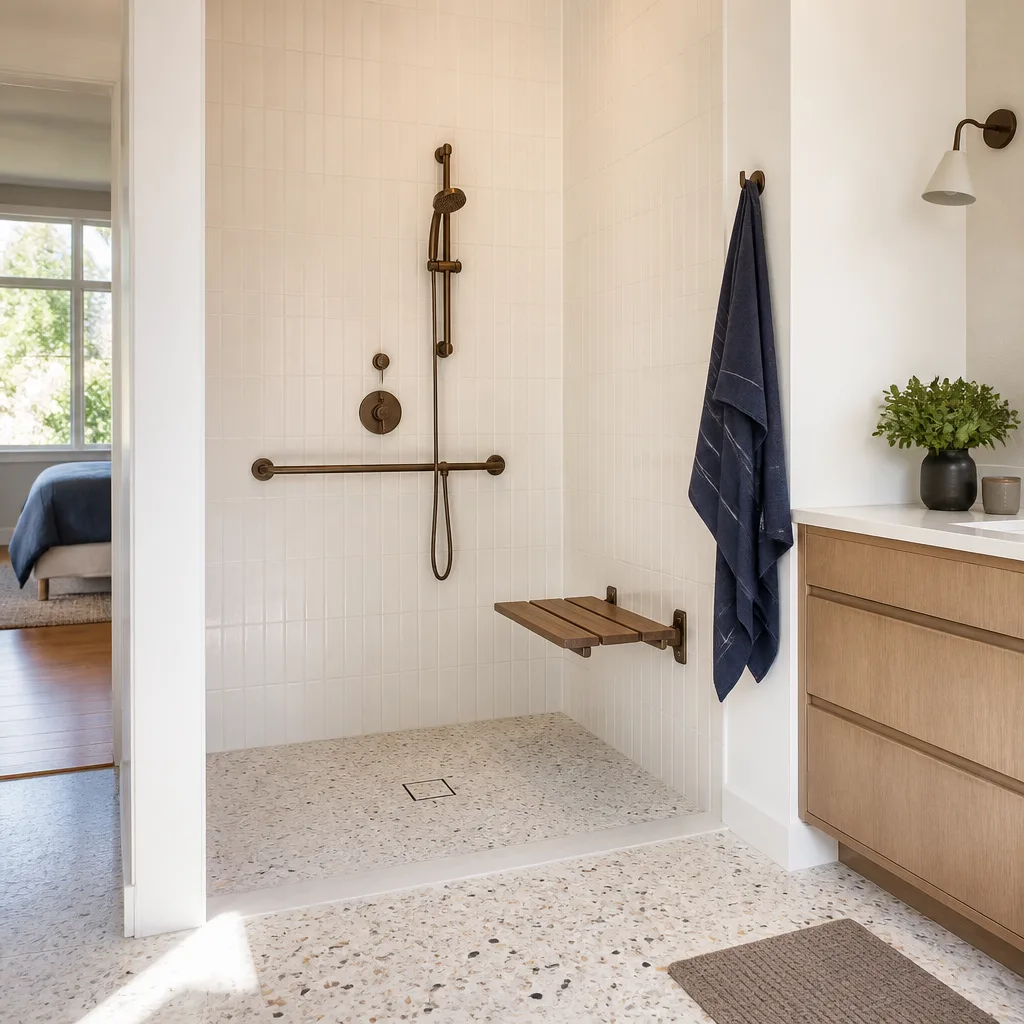
In our experience, the biggest confusion in Las Vegas is around “small” utility work. Moving one outlet six inches to fit a new counter depth feels like a two-hour job. Under Nevada law, it’s licensed electrical work, and an unpermitted job pays off in the short term and costs at resale. If you’re remodeling a bathroom or kitchen and want the licensed scope and cosmetic scope clearly separated, that’s exactly what a Bathroom Remodeling in Las Vegas or kitchen consultation should clarify before anyone picks up a tool.
What Unpermitted Work Does to Your Home’s Value in Clark County
Unpermitted work is the single most common remodel problem we see at the point of a home sale in Clark County. A buyer’s inspector finds a new bathroom or a finished garage, the county has no record of it, and the transaction stalls. Sometimes it moves forward, sometimes it doesn’t, but the seller almost always loses something – in money, in time, or in negotiating leverage.
Here’s what actually happens to a home with unpermitted work:
- Disclosure requirements. Nevada requires sellers to disclose known additions or alterations made without permits. That disclosure becomes a negotiating chip for the buyer.
- Appraisal adjustments. Appraisers may not count the added square footage or the finished bathroom if the work isn’t documented. Your home can literally appraise for less than you paid to build the space.
- Title and insurance friction. Some insurers will decline to cover or will offer a rider exclusion for work done without permits, especially electrical and plumbing. Title issues are less common than people fear, but lender-required documentation of permitted work is.
- Retroactive permit costs. Getting work legalized after the fact means opening walls for inspection, paying penalty fees, and sometimes demolishing work that can’t be verified. It’s rarely cheaper than doing it right the first time.
- Buyer walk-aways. In today’s Las Vegas market, buyers have enough inventory to walk from a house with an unpermitted master bath. That’s an expensive discovery to make after you’ve already moved.
The cheapest path is always the one that starts with a permit. When a contractor pulls the permit and passes the inspection, the paperwork becomes a selling point, not a liability. That’s part of why we insist on it on every General Contractor in Las Vegas project – the inspection record is the homeowner’s paper trail.
The Three DIY Categories: Cosmetic, Utility-Touching, and Structural
Every remodel task falls into one of three buckets. Sorting your project into the right bucket before you buy materials is the single most useful planning step a homeowner can take.
Category 1: Purely cosmetic (safe to DIY)
These tasks change appearance without touching a utility or a structural member. They’re the ones a careful homeowner with patience and a good set of tools can genuinely finish.
- Interior painting, including trim and cabinetry refinishing
- Tile backsplash and floor tile over an already-solid substrate
- Baseboard, crown molding, and trim work
- Cabinet hardware, shelving, and closet systems
- Light cosmetic landscaping – mulch, plantings, borders
- Replacing a kitchen faucet (in most jurisdictions a direct swap on existing supply lines is allowed; confirm with your local building department first)
Category 2: Cosmetic touching utilities (risky to DIY)
These are the tasks that look cosmetic but cross a licensed line. This is where most homeowner insurance claims from remodels start.
- Moving an outlet, switch, or light fixture to a new location
- Replacing a dishwasher, disposal, or under-sink plumbing
- Adding a vent hood or a bathroom exhaust fan that requires a new duct run
- Relocating a sink or shower valve during a bathroom refresh
- Installing a new shower pan that requires waterproofing tied to the drain
We’ve seen this exact bucket cost homeowners in Las Vegas more than the whole DIY savings. A relocated outlet under a new counter depth is a $200 electrical fix that turns into a $4,000 wall opening and re-inspection after a claim. A no-hassle, upfront written price from a licensed contractor is smaller than the worst-case alternative.
Category 3: Structural (never DIY)
Structural changes need engineering, permits, and inspections. Full stop.
- Removing or moving any wall that bears weight
- Cutting headers, beams, or ceiling joists
- Adding a room, dormer, or upper-floor addition
- Converting a garage to living space
- Altering foundation or slab for plumbing moved across the room
If you’re not sure whether a wall is load-bearing, that uncertainty is your answer. A licensed contractor and a structural engineer can confirm in one visit; a homeowner with a sawzall can guess wrong and open a sagging ceiling two weeks later. If you’re planning a kitchen remodel, start with a Kitchen Remodeling in Las Vegas consultation before you draw the demo line on the wall.
How to Check Whether a Task Needs a Permit in Las Vegas
Clark County and the City of Las Vegas both publish permitting requirements, and you can check the status of a property before you buy materials. Here’s the practical sequence we walk homeowners through:
- Identify the trade. Does the task involve electrical, plumbing, gas, structural, or mechanical (HVAC)? If yes, it needs a permit and a licensed contractor.
- Search the permit history. Clark County’s online permit portal and the City of Las Vegas permit search let you look up a property address. You can see what’s been pulled, what’s been inspected, and what’s open. This is worth doing before you buy any house, too.
- Call the building department. For a “does this need a permit” question, a five-minute phone call to the county or city is the fastest verification. Ask specifically: “I want to do X at this address. Does that require a permit?”
- Check HOA rules. Las Vegas HOAs – especially in master-planned communities like Summerlin and Green Valley – have their own rules that are often stricter than the county’s. Many require an HOA architectural review before exterior work or additions begin.
- Get it in writing. When you hire a contractor, the contract should state who pulls the permit, whose name is on it, and that the final inspection will be passed before final payment.
A permit costs a small fraction of a remodel and prevents the most expensive post-sale problems. If the answer from the county is “you need a permit,” you need a licensed contractor behind it. That’s the moment to call in a professional, not the moment to look up a YouTube tutorial.
What a Written Scope of Work Should Tell You Before You Start
The best DIY boundary is one a homeowner can see in writing before the first tool is unpacked. When a contractor’s scope of work is clear, you can legitimately finish the cosmetic parts yourself, and you’ll know exactly where the licensed work ends. A written scope of work should include:
- Line-item tasks by trade. Electrical, plumbing, drywall, tile, and finish should each be broken out, with the quantity of work stated. “Electrically update kitchen” is not a scope item. “Add 2 dedicated 20-amp circuits for range and microwave, relocate 4 outlets” is.
- Who pulls each permit. Whose name is on the permit, and whether permit fees are included in the price.
- Material specs by brand and model. When we spec Moen fixtures or a Blanco sink, the model number is written down, not just the finish. That prevents substitutions and gives you a paper trail if something has to be replaced under warranty.
- Inspection milestones. Which inspections will be called, and when – rough-in, framing, final.
- What’s excluded and who handles it. If the homeowner is doing the painting or installing hardware, the contract should say so clearly. That keeps the DIY scope honest and the contractor’s scope clean.
- Guarantee terms in plain language. Not “backed by our guarantee.” Exactly what’s covered, what’s excluded, and for how long.
- A fixed total price. A written price before work starts, with change orders only for changes the homeowner requests in writing.
We deliver a written price on every project before any work starts, and we’ll work with a homeowner who wants to finish the cosmetic layer themselves. That’s true of the Mason Remodeling Co Las Vegas home page and it’s a standard we hold on every job in Southern Nevada.
How Las Vegas Climate Changes the DIY Equation
Las Vegas is not a mild climate for home materials, and a few DIY categories that are safe in most of the country carry extra risk here.
The desert heat – routinely over 110°F in July and August – is hostile to exterior paint applied on a hot wall, to thin-set mortar that skins over before you can lay tile, and to adhesives that fail to cure when the substrate is above 100°F. In our experience, exterior painting in Las Vegas is a fall or spring project, not a summer one, and interior tile on a southwest-facing wall needs the air conditioning running and the substrate cooled before you spread anything. We regularly see failed do-it-yourself tile installs in Summerlin and Henderson where the mortar was applied to a sun-heated wall in July.
The dry air is a mixed blessing. It’s forgiving on interior wood and drywall, which have very little expansion and contraction compared to humid climates. But the extreme seasonal temperature swing – from low desert winter nights into full summer heat – pushes hard on exterior caulk joints, expansion gaps in tile, and any exterior trim. A contractor working in Las Vegas learns to spec expansion joints and exterior sealants that hold up to that swing. That’s a level of specificity worth having on your side for projects that will be inspected and guaranteed.
Common Mistakes to Avoid
- Treating “small” electrical as cosmetic. Any outlet, switch, or circuit relocation is licensed electrical work in Nevada. If it requires opening a wall, it requires a permit.
- Skipping the permit to save a few hundred dollars. The permit cost is a rounding error on a bathroom remodel; the resale discovery is not. Unpermitted work can stall a Las Vegas sale for weeks and shave real dollars off the final number.
- Assuming an HOA rule matches the county rule. In master-planned Las Vegas communities, HOA architectural review is often stricter than the building department. Check both before you tear anything out.
- Doing the waterproofing layer yourself in a shower. A properly waterproofed shower involves a specific, trade-standard waterproofing system – the Schluter membrane, for example – and it’s the single most common place a DIY shower fails. When it fails, it costs more to fix than to have done correctly.
- Ordering fixtures and finish materials without a written spec. A homeowner who buys a Delta or American Standard faucet without a written spec from the contractor can end up with a rough-in that doesn’t match. That’s a return-and-reorder cycle measured in weeks.
- Painting an exterior wall in July. Vegas heat will cook a latex exterior paint job that would be fine anywhere else. Season and shade matter here.
- Skipping the written scope to save time. The verbal estimate that “grows on the final bill” starts with no written scope. Insist on a written price before anyone starts, on every project.
When to Call a Professional
If the work involves a utility – electrical, plumbing, gas, HVAC – or moves a structural member, it’s a licensed contractor’s job under Nevada law. If it will require a permit or an HOA architectural review, that’s also a professional’s job, because the contractor needs to hold the permit and pass the inspections in their name. If you’re remodeling a kitchen, bathroom, or whole home and intend to finish the cosmetic layer yourself, a contractor can still set the licensed scope, pull the permits, and hand you a clean finish line. And if a project involves anything you’re genuinely unsure about structurally, assume it needs an expert until proven otherwise.
Mason Remodeling Co Las Vegas offers free estimates in Las Vegas – every project comes with a written price before any work starts, a 365-Day Done Right Promise, and a free return visit if a repair or installation fails. Every crew member is identity-verified, arrives in a clean uniform, and is introduced by name and photo before the visit, so you know exactly who’s coming. Call (844) 797-1112 for a free estimate.
Frequently Asked Questions
No. Moving an outlet, switch, or light fixture to a new location is licensed electrical work in Nevada and typically requires a permit. It’s one of the clearest lines between cosmetic work and utility work, and an unpermitted outlet relocation can create insurance exposure on the whole project. Call (844) 797-1112 for an exact quote on the electrical scope – estimates are free.
No. A tile backsplash over an existing wall doesn’t touch a utility or a structural member, so it’s a cosmetic project that doesn’t require a permit and is generally safe to do yourself. The main risks are aesthetic and adhesive-related, not legal. If the backsplash involves moving an outlet to add a receptacle, that part does need a licensed electrician.
Nevada requires sellers to disclose known alterations made without permits. That disclosure typically costs the seller money at negotiation, and an appraiser may not count unpermitted square footage, which can lower the appraisal and stall financing. Some insurers also decline to cover or exclude unpermitted utility work. It’s almost always cheaper to permit up front.
Only after a licensed professional – and often a structural engineer – confirms in writing that the wall is not load-bearing and that no adjacent systems depend on it. In Las Vegas, a wall can be non-load-bearing and still contain plumbing or electrical chases. Removing it without a permit and without confirming what’s inside is a common and expensive mistake. Call (844) 797-1112 to schedule a walkthrough and free estimate.
Painting, tile on a solid substrate, trim, hardware, and fixture swaps on existing supply lines are generally within the cosmetic scope. Anything that relocates a drain, moves a shower valve, adds a circuit for a heated floor, or replaces a shower pan with new waterproofing is licensed work. A bathroom remodeling consultation can hand you a written scope that separates the two, so you know exactly what you can finish yourself.
Check the Nevada State Contractors Board website for the license number and confirm it’s active and matches the classification for the work. Ask for the license to be written on the contract. A licensed contractor will pull the permit in their own name and put the price in writing before work starts. Call (844) 797-1112 to discuss your project and get a written price.
The Bottom Line

The safe DIY boundary in Las Vegas is drawn by law, not by confidence. Cosmetic work – paint, tile, trim, hardware – is genuinely yours to finish. Any task touching electrical, plumbing, gas, or structure belongs to a licensed contractor and needs a permit. Unpermitted work follows a Las Vegas home to resale, where it costs more than the permit ever would. When you hire, insist on a written price before work starts, a written scope by trade, and guarantee terms in plain language. If you’re ready to plan a kitchen, bath, or whole-home project with the licensed line clearly marked, call (844) 797-1112 – estimates are free.
Written by the team at Mason Remodeling Co Las Vegas.
See the difference
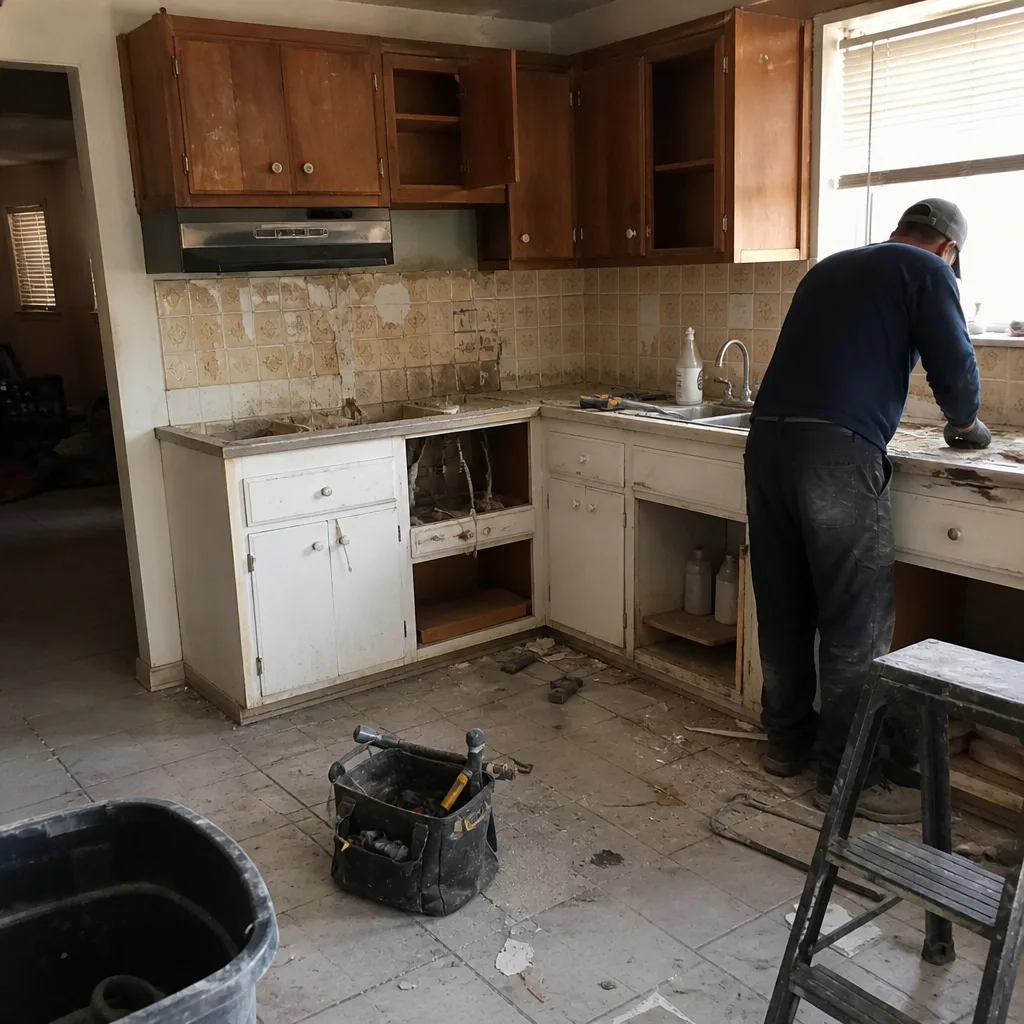 Before
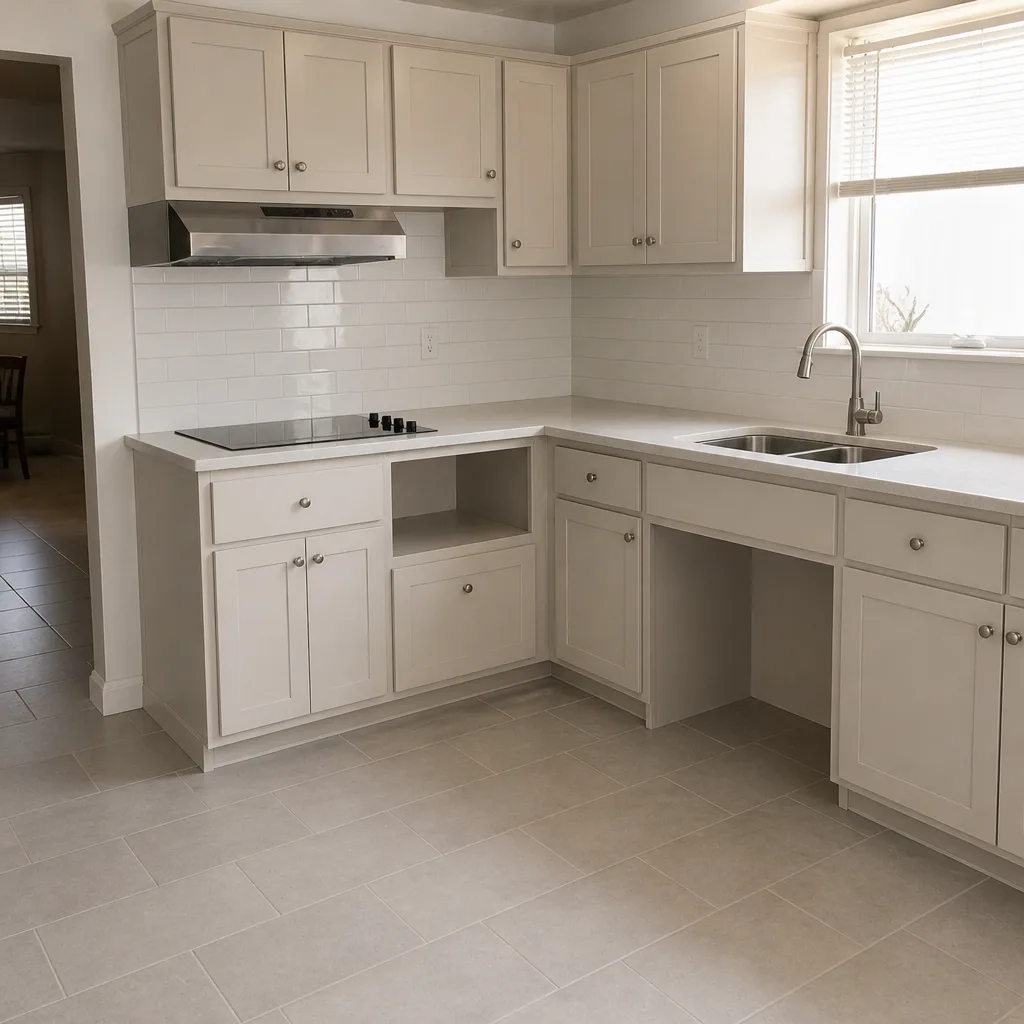 After
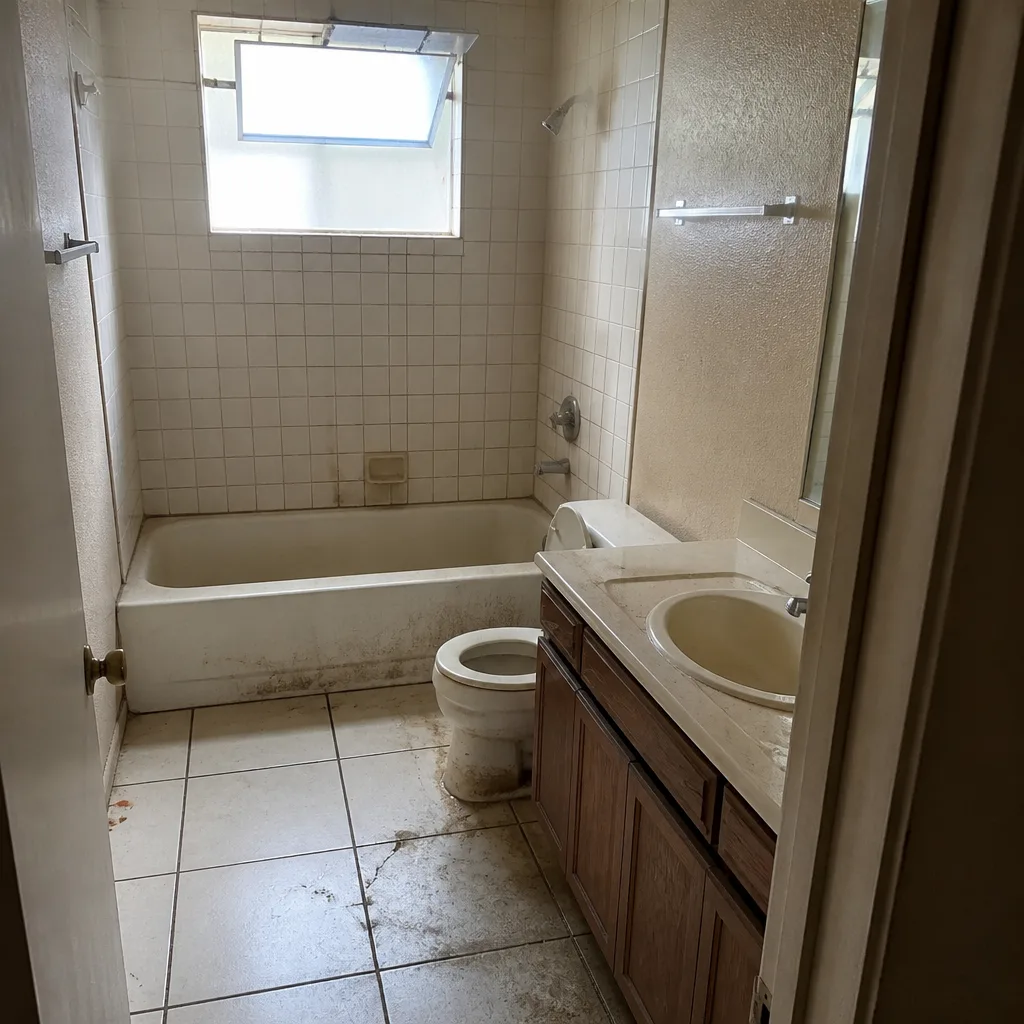 Before
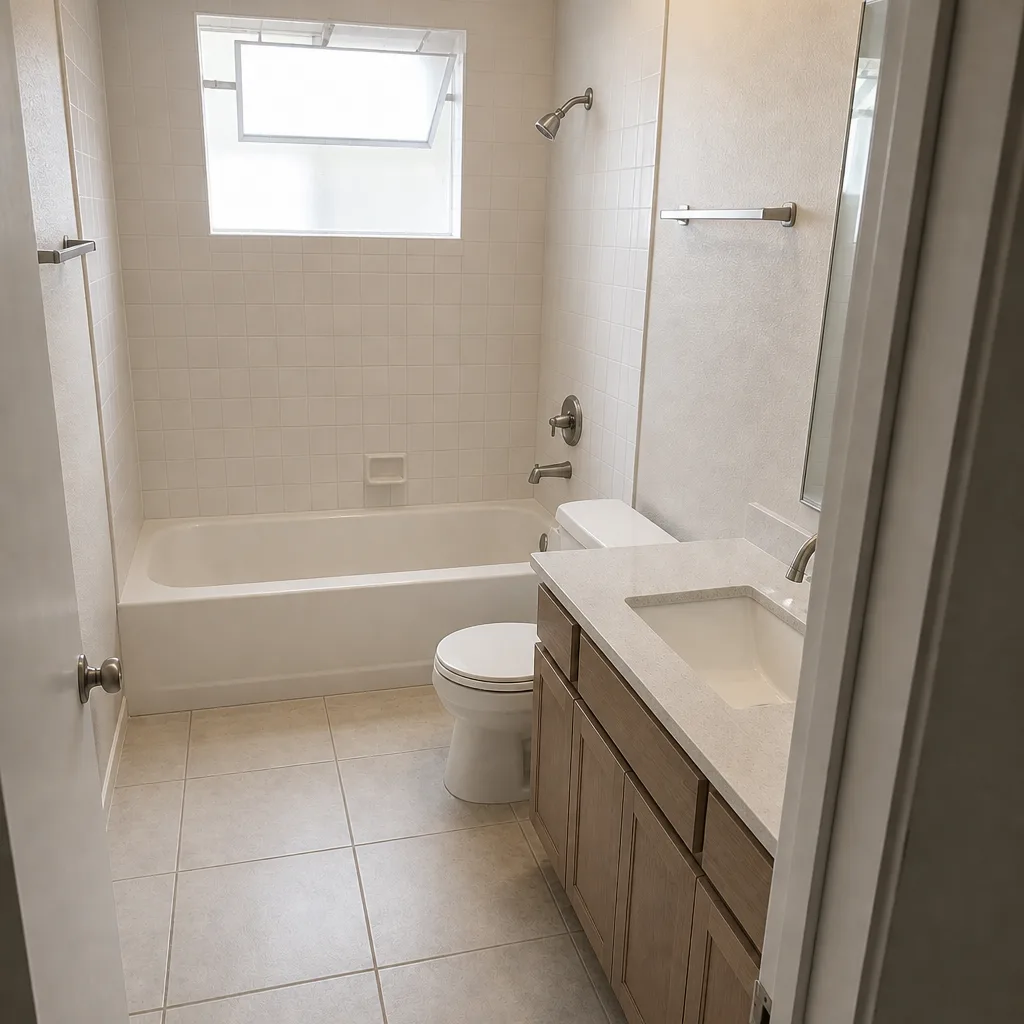 After
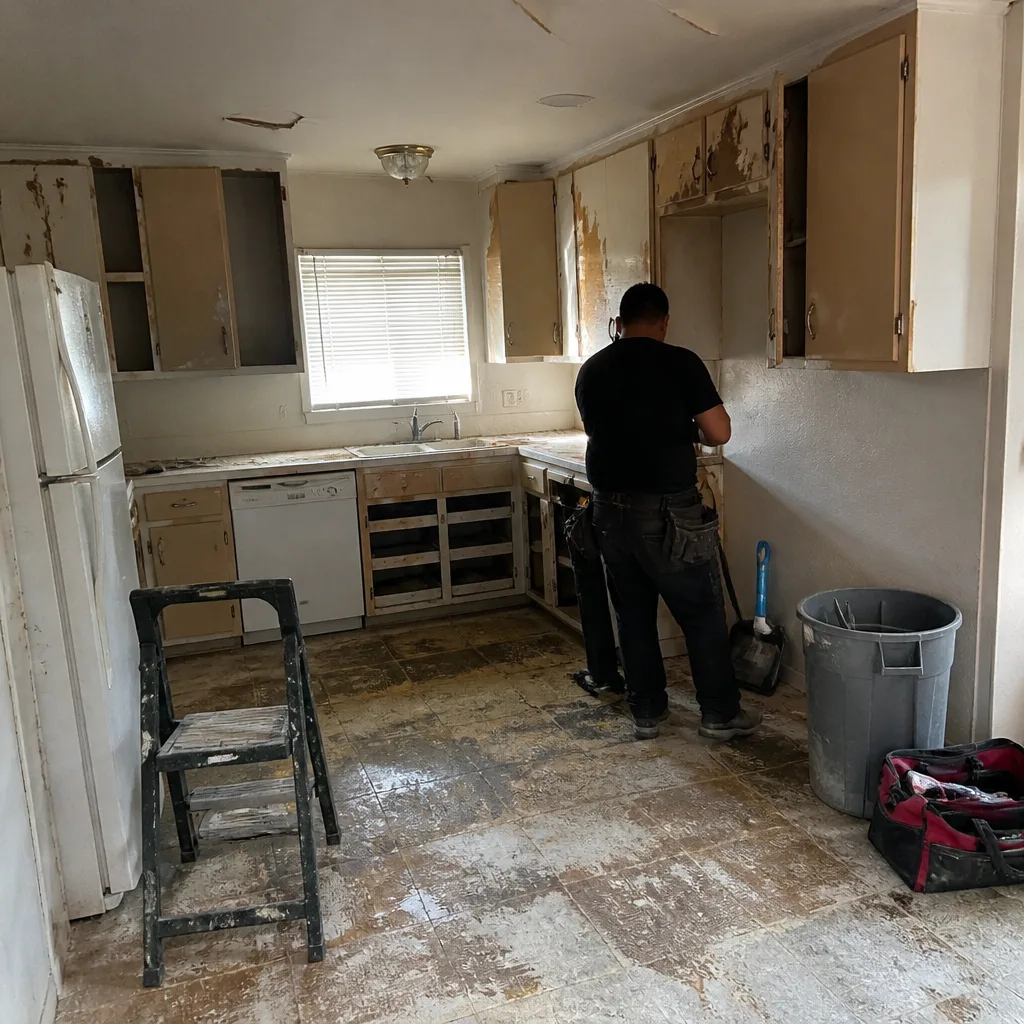 Before
 After